A million-dollar gambit in New Mexico is one of many small-town projects chasing the fabled success of Marfa, Texas. Can it actually be replicated?

Matty Monahan is over a million dollars into an art-business experiment in Tucumcari, New Mexico, and he’s ready to pitch his concept—again. “I’ve given this tour 100-plus times,” he says, flashing an intense grin. The Stanford graduate and former Silicon Valley ad-tech entrepreneur spent years building brands, and then turned himself into one as a Los Angeles–based conceptual artist.
Now Monahan, whose artist moniker is Matty Mo, lives in the old Route 66 pitstop of Tucumcari, a town of about 5,400 between Amarillo and Albuquerque. He’s obsessed with how the place reads from a speeding car. In recent days, rebranding Tucumcari has involved roving with an artist friend and stenciling fake Banksy artworks (“Fanksys”) in strategic spots.
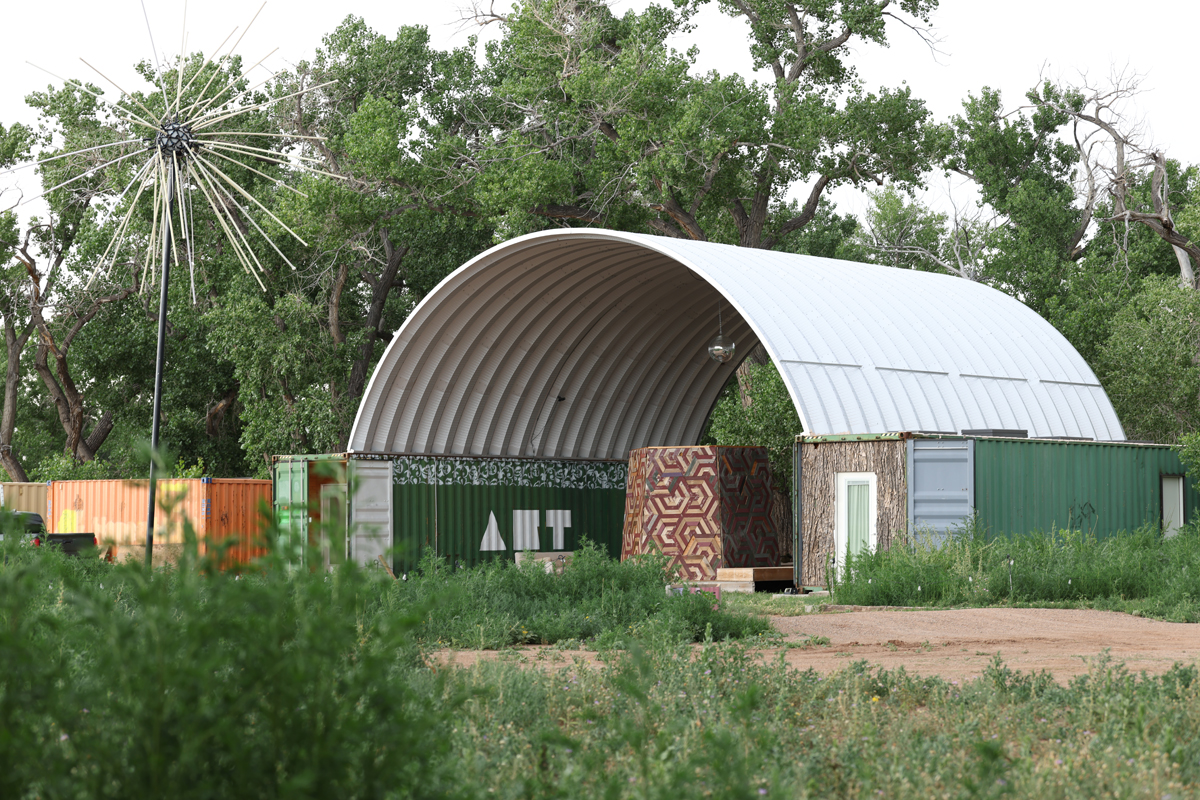
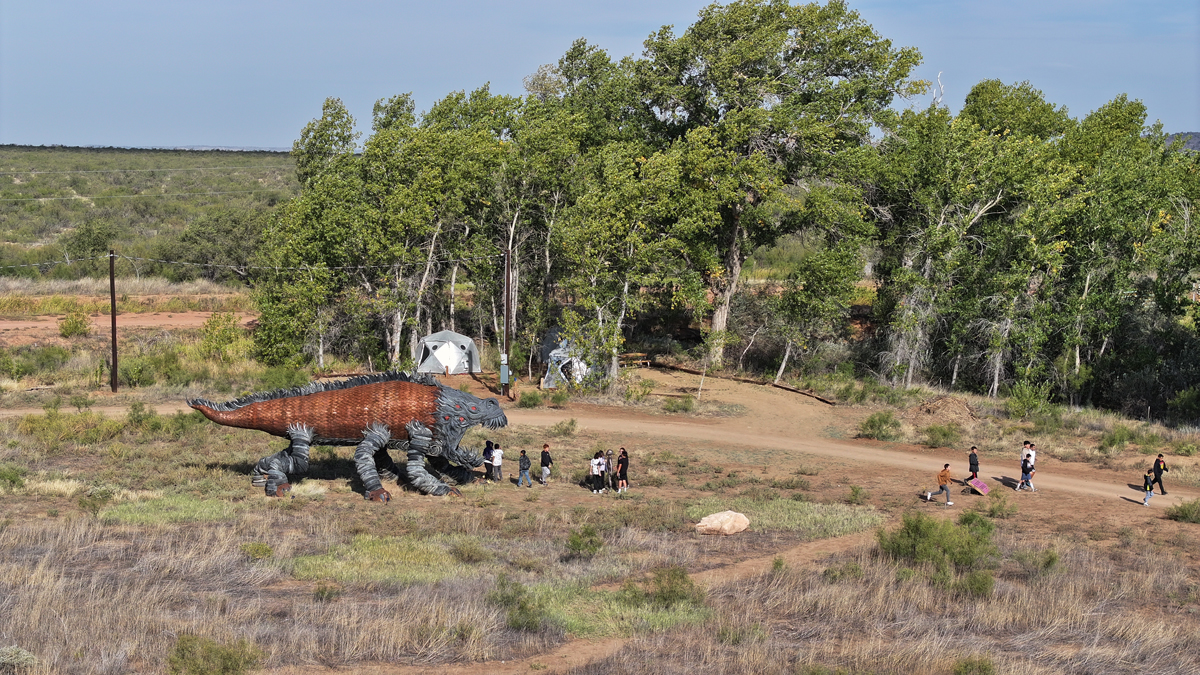
Just north of town, he unchains the gates of Art City, which opened in April of 2024 as the first phase of his bid to transform Tucumcari into an artistic promised land. It’s mid-January and the forty-acre sculpture park and glamping site is shuttered for the winter; its thirteen sculptural environments—most of which debuted at Nevada’s Burning Man festival—compete for no one’s attention.
When Monahan talks up Art City, he likens it to the immersive installations of Meow Wolf and the open-air museum Storm King. “It’s like pitching a movie—it’s this with this,” he says. His larger Tucumcari concept, which involves magnetizing artists and other creative workers to this place, gets a different spin. Monahan leans on possibly the most notorious small town in the Southwest: Marfa, Texas.
In a region studded with villages built on imperiled industries—farming, coal mining, sawmilling—Marfa has emerged for some as a proxy for a different rural economic engine: arts and culture. The isolated West Texas border town of about 1,600 has hosted a near half-century of art activity, and periodically attracts a jet set of New Yorkers and Californians. Whether they’re art collectors or Instagram influencers, they’re there to drop serious cash.
For an investment class that has landed in other small towns across the Southwest, Marfa is a tantalizing code to crack. What does it mean to be the next Marfa—or anti-Marfa? In towns like Tucumcari, and in Marfa itself, configuring an art scene as an economic platform has been fraught with steep trade-offs. The closer you look, the more Marfa resembles the places it’s supposed to have outstripped.
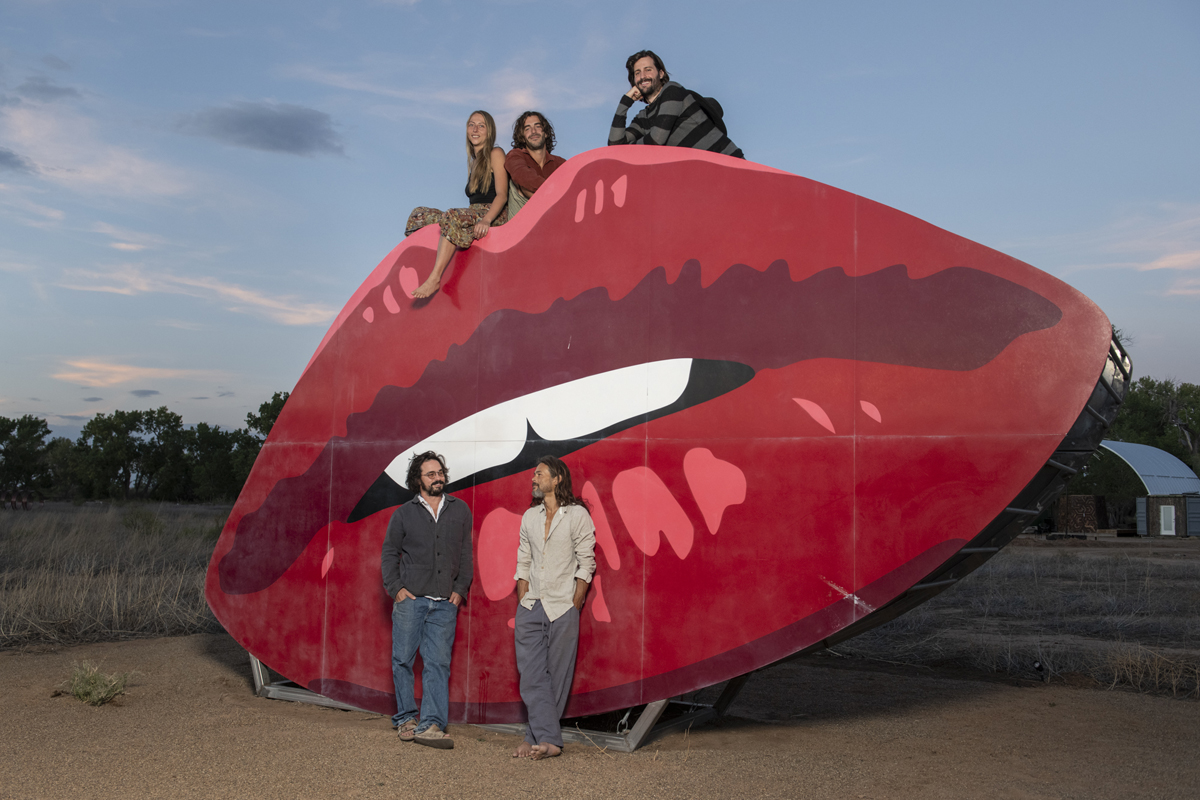
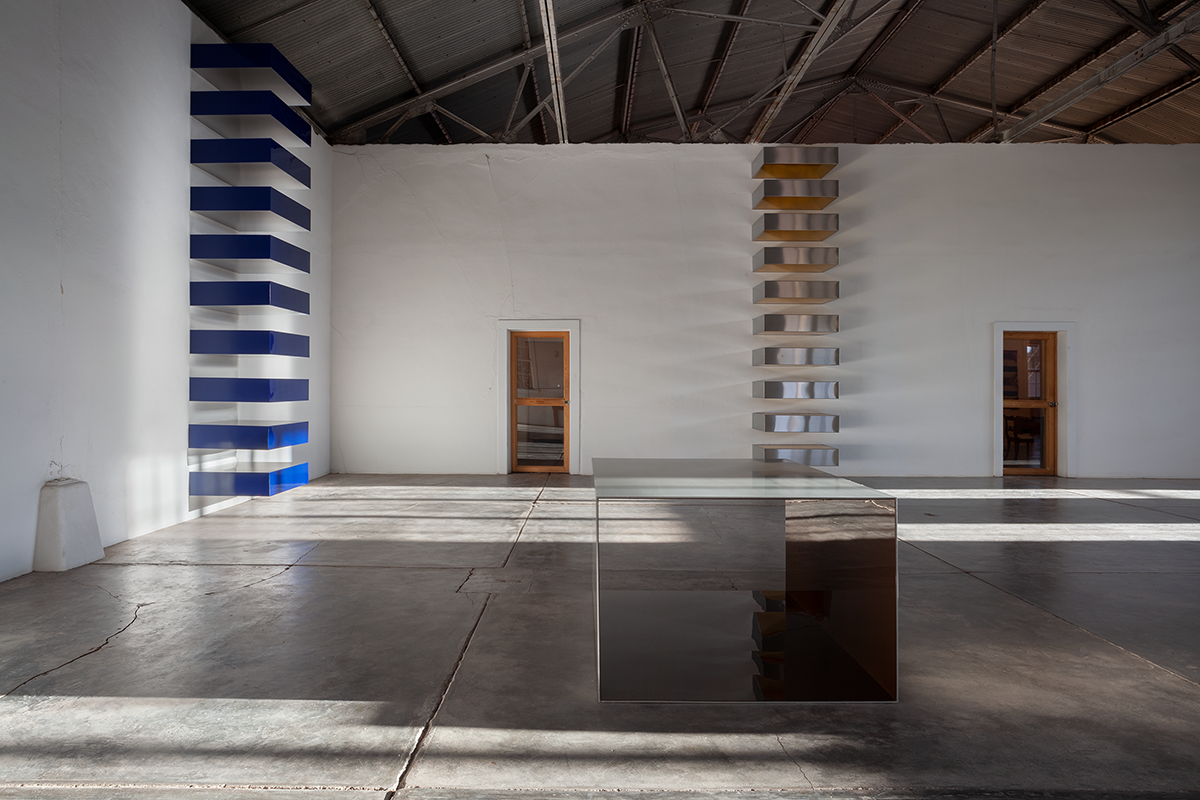
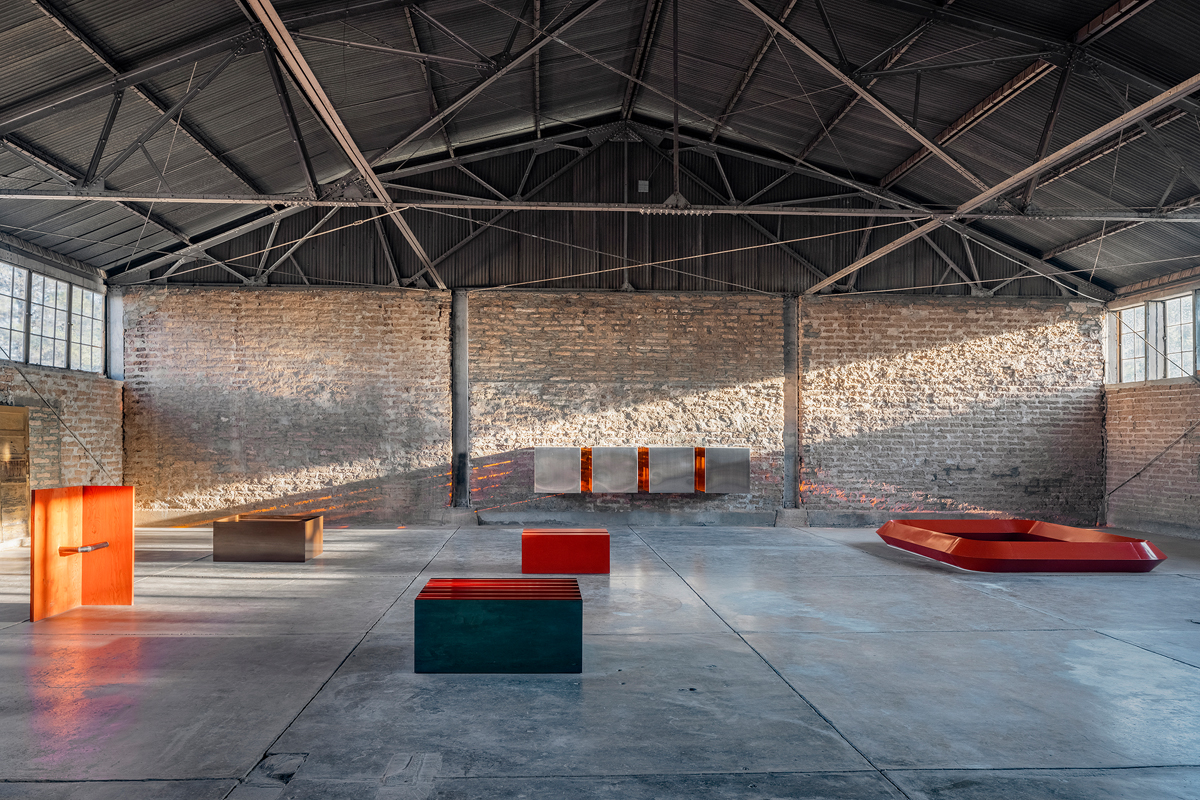
Marfa’s art mythology may be so seductive because its main ingredients are highly legible. The phenomenon started in 1971, when Minimalist artist Donald Judd (1928-1994) decamped there from New York and, with support from the Dia Foundation, purchased an old cavalry fort. He transformed the sprawling property into a permanent museum of site-specific installations—of his own work and that of like-minded peers.
Judd acquired other unused properties in Marfa’s downtown, including a former military complex covering an entire city block that would become his residence. Since his death in 1994, the little empire has been stewarded by two foundations—Chinati and Judd—that started consolidating the town’s reputation as an art world destination.
Chinati Weekend, an event started by Judd in the ’80s, attracted bigger crowds. Ballroom Marfa, a contemporary museum launched the year before Judd’s death, expanded the town’s cultural calendar with edgy art and music shows. Contemporary galleries set up shop. As tourism grew, entrepreneurs swooped in to renovate the Hotel Paisano (in 2001) and establish the bohemian campground El Cosmico (in 2009).
Marfa is now so intrinsic to rural arts talk that it’s practically a shibboleth, even on a national level. “I was on a call about rural arts and culture, and one of the folks hadn’t really heard of Marfa,” says Randy Cohen, vice president of research at Americans for the Arts. “The person hosting the call said, ‘I’m going to take away your arts card if you don’t get that rectified in one week.’”
Cohen’s recent findings point to why replicating Marfa’s arts ecosystem holds such allure in other rural places. In Americans for the Arts’s latest Arts & Economic Prosperity study from 2022, art stands out as a powerful attractor: 30 percent of people surveyed at arts and culture events had traveled from outside the county—and 77 percent said they came specifically for that event. The study found buy-in from rural residents, with 79 percent affirming that the arts boost tourism.
Still, it’s hard to imagine any other hamlet drawing private jets like Marfa does, at least in its first several decades of arts development. “Marfa is great because it is what it is… it’s kind of the only place like that,” says Cohen. But a few beats later, he’s talking himself out of the Marfa-as-unicorn premise. “There may be a lot of common ingredients. Every great artistic community’s got galleries, performance spaces, festivals, public art.”
The many potential Marfas of the Southwest have liberally mixed and matched from this buffet. In Center, Colorado, the real estate developer Continuued renovated the old Frontier Drive-Inn movie theater into a luxury yurt campground in 2022. The following year, they hosted the opening celebration for Marguerite Humeau’s Orisons (2023), a temporary 160-acre earthwork presented by Black Cube Nomadic Museum.
In Winslow, Arizona, architect Allan Affeldt and artist Tina Mion restored the La Posada Hotel in the ’90s and founded the Affeldt Mion Museum in 2018. Their efforts have inspired other artists to establish studios and exhibition spaces nearby.
The applicability of the “next Marfa” storyline has been a source of internal and external debate in such places. In my reporting, small-town arts people were more eager to assign the label to other towns with arts activity. They pointed to Silver City, New Mexico, and Bisbee, Arizona, and Trinidad, Colorado, among others.
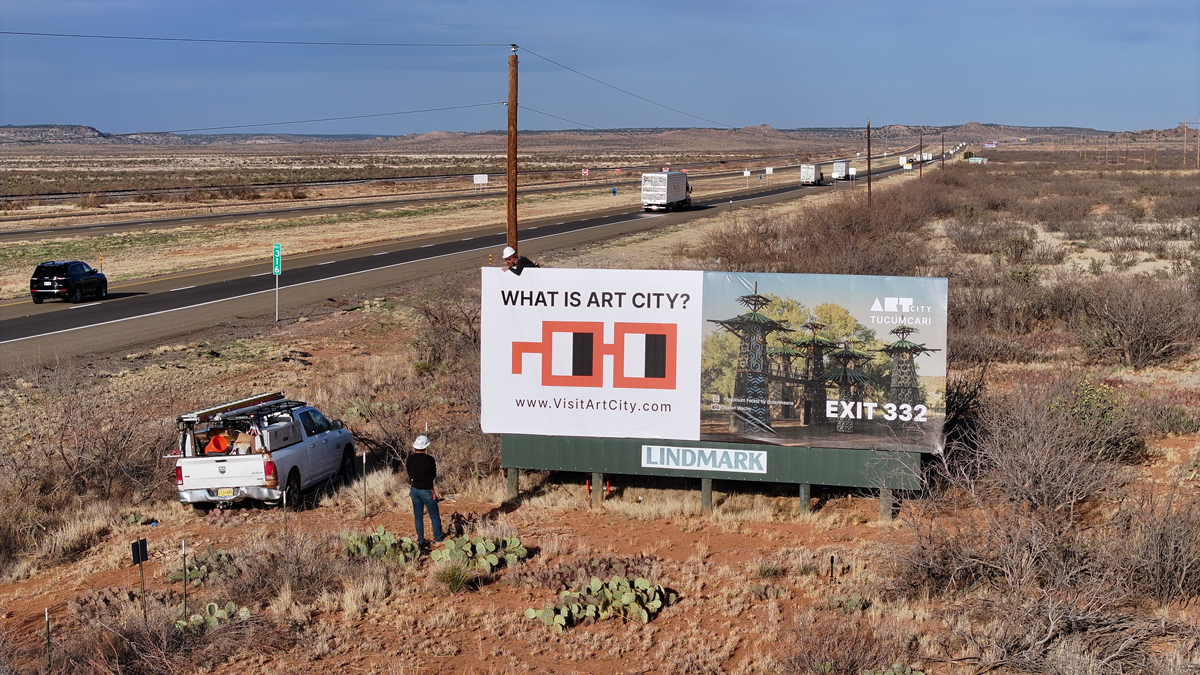
Monahan built his own list before picking Tucumcari as a rural art capital in the making. He says, “I created a matrix of all the necessary components of a small-town revival project: major thoroughfare, tourism economy, natural beauty, fiber[-optic internet] through the whole town… and all those boxes were checked [in Tucumcari].”
His mother and aunts also live here, offering something else: accountability. He’d spent years in Los Angeles as the founder of The Most Famous Artist, a project that hawked sardonic artworks parodying art-world excess. The shenanigans included a digital-and-physical NFT featuring a capsule of Monahan’s fecal matter, and an attempt to claim credit for (and sell fake editions of) the mysterious Utah monolith of 2020.
By the time the pandemic hit, the project had started to feel so “divisive and soul-sucking” that Monahan was looking for a new path. He landed in Tucumcari in 2021, and swiftly realized that he couldn’t hide behind the bit here.
Before launching his new endeavor, Monahan spent years getting to know Tucumcari: attending city commission meetings, golfing with city and county leadership, and hanging out at the Elks Lodge. About 17 percent of the population is over sixty-five, so many community members still remember the town’s Route 66 years when tourism was stronger. The population has been declining ever since the Mother Road fully fragmented in the mid-’80s, although that trend has slowed in recent years.
In present-day Tucumcari, Monahan says “most people get off the freeway and their whole experience is Circle K.” Main Street is home to numerous unused buildings, which Monahan sees as development opportunities. If Art City and its glamping site are new on-ramps for travelers, these structures could house other essential anchors that might help them imagine living here: a coffee shop, a music venue, the headquarters for Monahan’s planned foundation dedicated to revitalizing Tucumcari.
“It’s not gentrification, which presupposes you’re pushing people out,” argues Monahan. “We’re actually backfilling a population collapse that’s happening.”
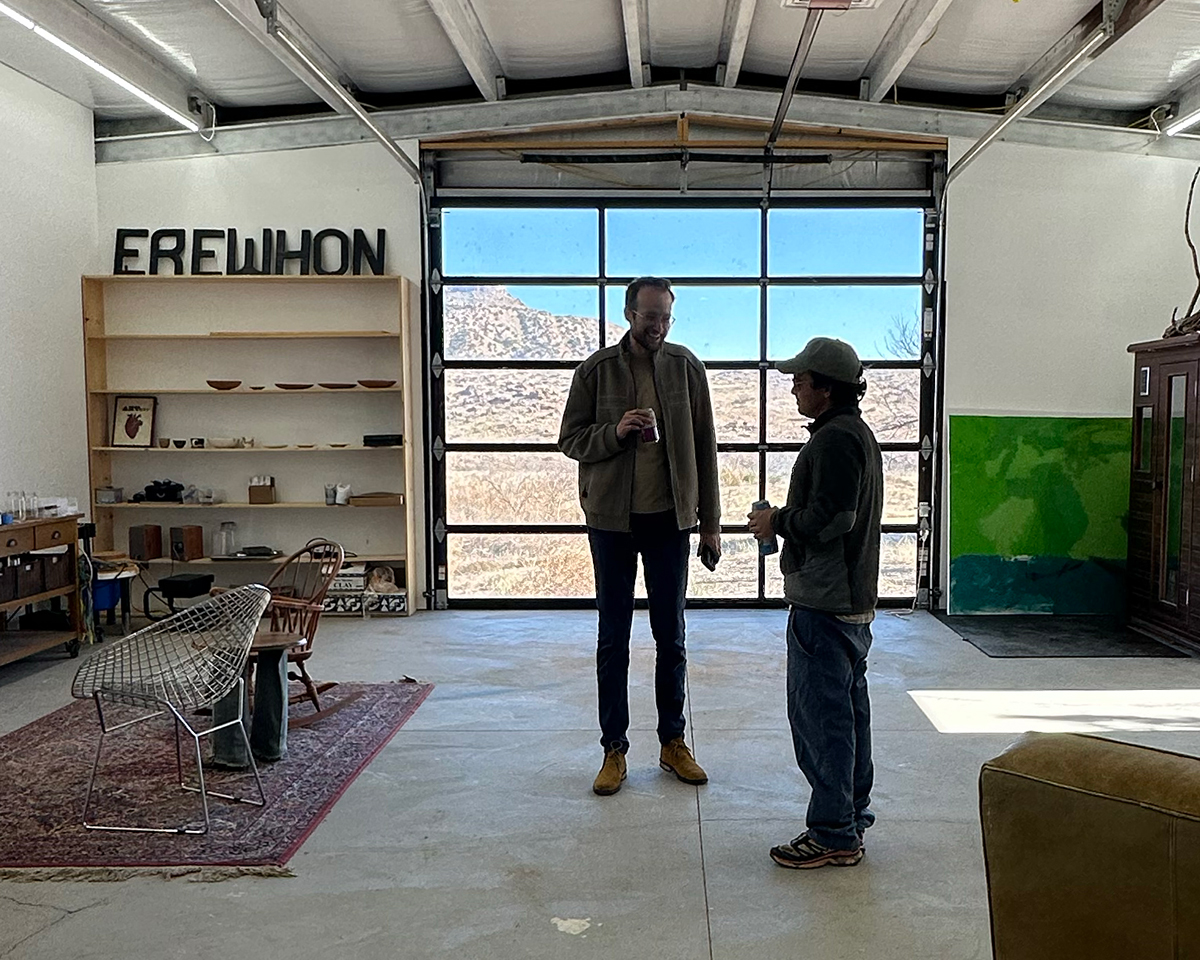
Monahan has already made at least a cosmetic mark on Tucumcari’s thoroughfare. Art City’s rotating resident artists, who live there informally, have added murals and street art in prominent places. Then there’s the petite structure Monahan has labeled “Erewhon Tucumcari” after the LA luxury grocery store—a riff on Elmgreen & Dragset’s Marfa-adjacent faux storefront Prada Marfa (2005). If you squint hard, the street corner is a little Marfa tableau with Route 66 trappings.
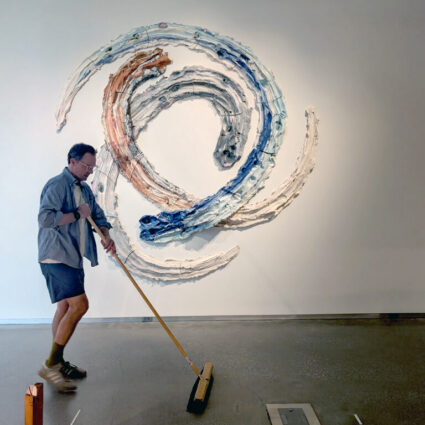
Monahan is impatient for more concrete results. Right now he’s selling day passes to Art City for $11.11 and lodging that tops out at $165. During the season, the sculpture park gets about thirty visitors a day. “I’ve got to be the tour guide [and] real estate sales guy for this project to work,” Monahan says. “I’ve become a concierge and janitor.” Since my visit, Monahan says he’s decided to sell the Art City property and refocus his efforts more broadly in Tucumcari.

On the drive into Marfa on a cloudy night, Prada Marfa, which is actually in the near-ghost town of Valentine, whizzes by unnoticed—just another shadowy shack. The installation (stocked with designs selected by Miuccia Prada herself) is at the center of Marfa’s latest tourism wave. In 2015, a Prada-clad Beyoncé Knowles-Carter visited the piece and leapt in the air for an Instagram pic.
My first morning in Marfa, Valerie Santerli of Rule Gallery is the first to mention Beyoncé’s photo. Thereafter, almost everyone I encounter references it. “The majority of visitors to our gallery have never heard of Donald Judd,” Santerli says of the post-Beyoncé wave. “They don’t know how to say Chinati, and often we’re their first experience in a gallery.”
Founded in Denver, Rule opened its Marfa outpost in 2015, a few years after Santerli assumed co-ownership. They’ve been riding Marfa’s booms and busts ever since—and Santerli says this is another moment of flux. El Cosmico, the glampsite that welcomed the trendchasers to its vintage trailers and yurts, has temporarily closed. According to a 2023 plan, it aims to relocate and expand as a 3D-printed lodging and housing complex, while converting the current site into affordable housing.
The perils of maintaining a supercharged art scene in a tiny town become readily apparent as I wind my way through town. All of the short-term housing (about one in ten residences) leaves less room for local workers, who must navigate Marfa’s ever-mounting cost of living as well as the geographic isolation. Meanwhile, Marfa’s peak weekends put intense pressure on Santerli and other business owners.
Then there’s the matter of Judd’s legacy projects: his many permanent complexes (more than twenty in all) inevitably lock up space for development projects and civic interventions that could serve Marfa as it evolves.
Dennis Dickinson, owner of the 2003-founded gallery Exhibitions 2D, offers this point about Judd: the artist was escaping New York when he moved here, not aiming to found an outer borough on Pluto. In Dickinson’s view, reverse-engineering such a long and organic phenomenon is impossible. Later, he texts me an old meme of Judd’s ghost clutching his head as Instagrammers pose on Marfa’s streets, an inside joke that Judd would hate what the town has become.
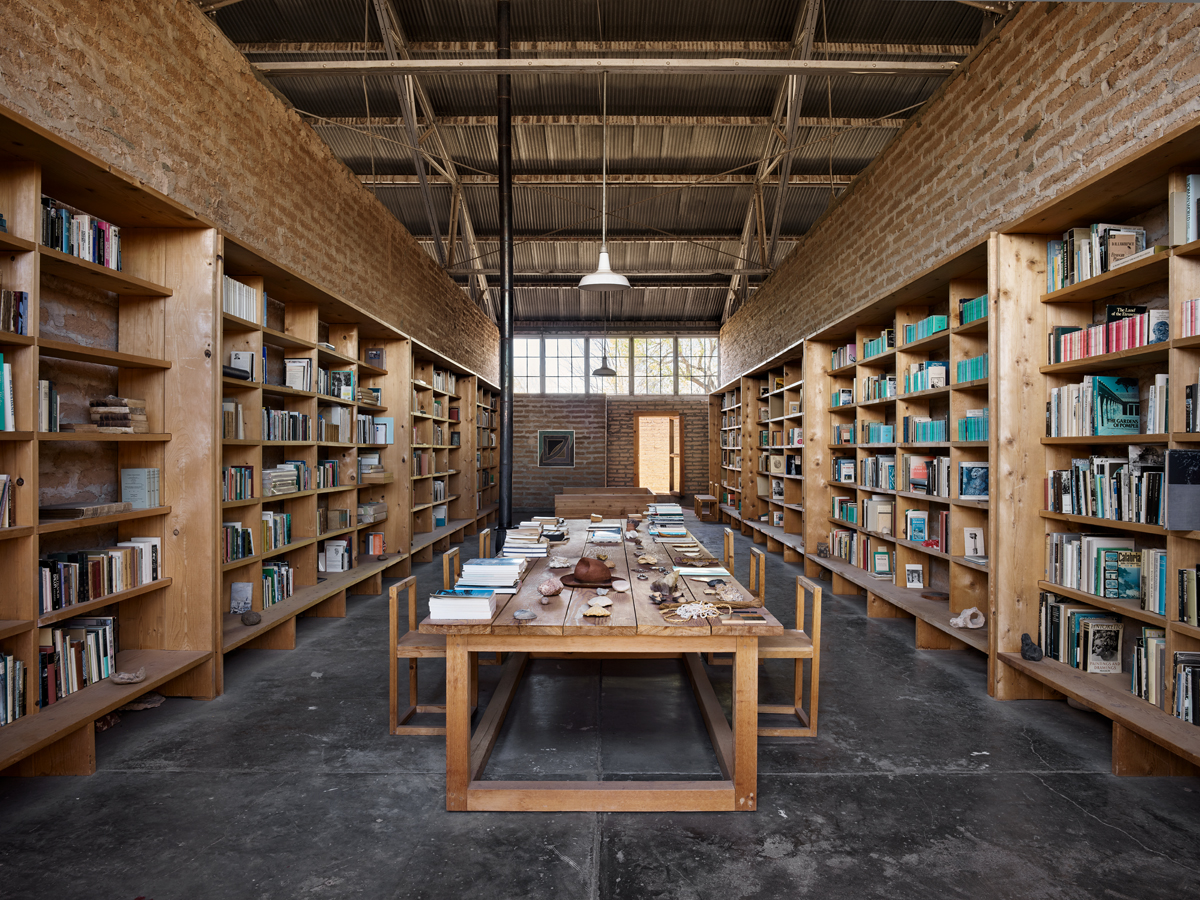
I’m a longtime resident of Santa Fe, a big-little art town of nearly 90,000, so most of this sounds familiar. It makes Marfa seem like any other late-stage creative mecca with all the attendant challenges and some particularly famous fans. Then I visit Ballroom Marfa, and glimpse yet another version of this place.
The museum, which hit its 20th year in 2024, is hosting a group show curated by Maggie Adler titled Los Encuentros. It features five Latinx artists from across the Southwest, from Justin Favela of Las Vegas, Nevada, to Antonio Lechuga of Dallas, Texas.
My tour guides are Ballroom staffers Elena Hernandez-Peña and Brenden Cicoria, who are clearly excited to chat on this slow winter afternoon. They tell me that the installation process for Los Encuentros felt like forming a little family, a moment to compare survival tips with creatives from other places.
“We’re all in the same industry, more or less, and feeling the ebbs and flows and all the things happening right now,” says Hernandez-Peña. “It’s nice to connect with people who are working and trying their best in the arts.”
These arts workers offer a ground-level view of Marfa, one where an art boom is measured not by who’s flying in or driving through, but by who can stick around and thrive. Perhaps sustainable success for Marfa depends less on branding than the strength of its local community and larger creative ecosystem—much like everywhere else.