Quest to an “authentically dangerous” castle, a James Turrell Skyspace, a water tank-turned-recording studio, and other Colorado art experiences worth a long detour.
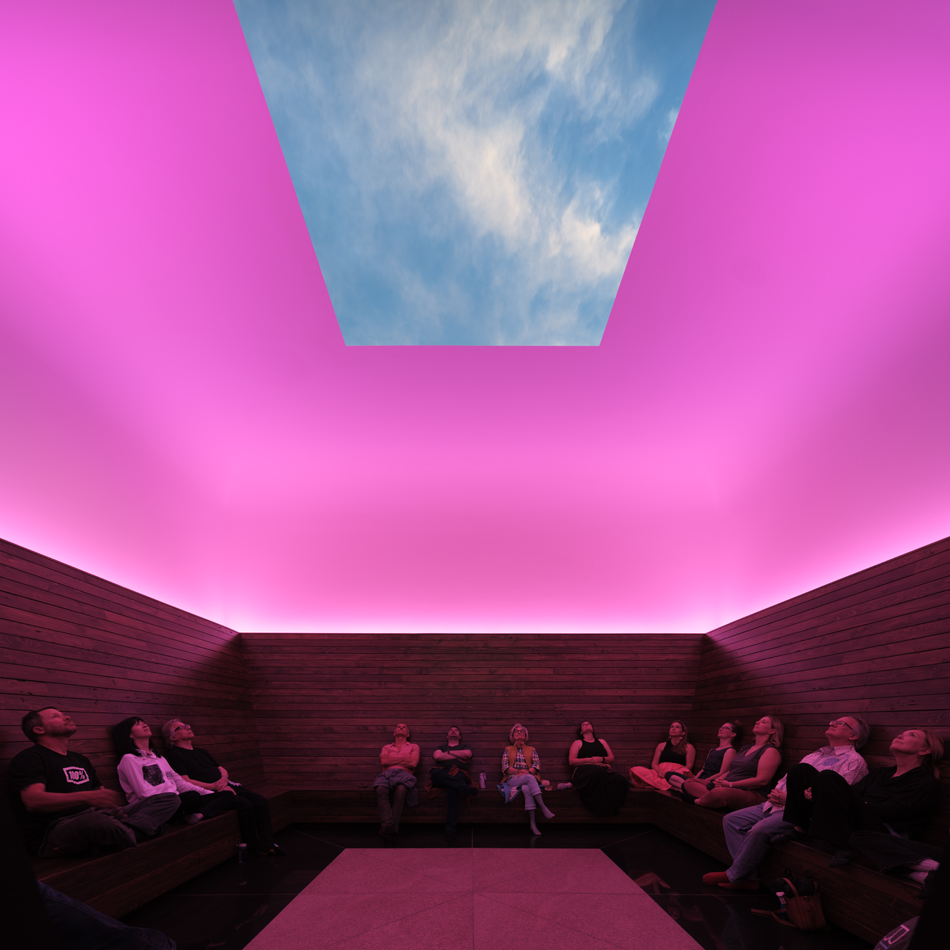
Colorado’s deceptively simple shape, a near-perfect rectangle, isn’t fooling anyone. So much of the state is defined by its tumultuous geography, with plains on one side and deserts on the other reaching for the Continental Divide, connected by networks of twisting, tumbling and seasonally shuttered mountain passes that, when timed right, lead to the some of the state’s most perfectly out-of-the-way places. A couple of the spots below are right off the main drag, but most require a little bit of effort to reach. Consider this your cue to take the scenic route.
The Tank Center for Sonic Arts
Rangely, Colorado
Colorado is known for its epic landscapes, but less is said about its otherworldly soundscapes. Except in Rangely, a rural oil and coal town in the northwest quadrant of the state.
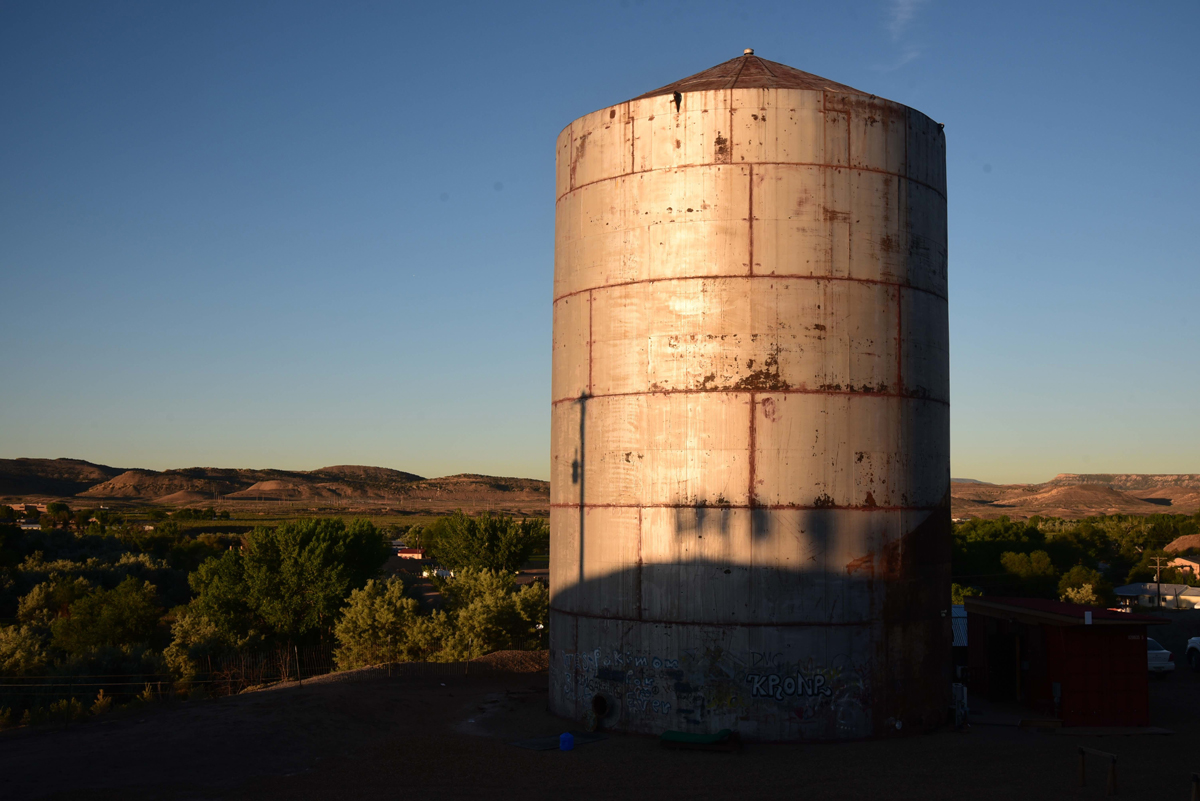
On a hillside above Rangely is The Tank Center for Sonic Arts, an empty water tank once used by the Rio Grande Railroad that sound artists in the 1970s turned into an experimental studio. These days, The Tank is maintained as a nonprofit that hosts concerts, artist residencies, and an annual summer solstice festival. The Tank can be booked for recording sessions, and is open on Saturday for any curious wanderers who want to experience sixty feet of cylindrical reverberations for themselves.
James Turrell Skyspace
Green Mountain Falls, Colorado
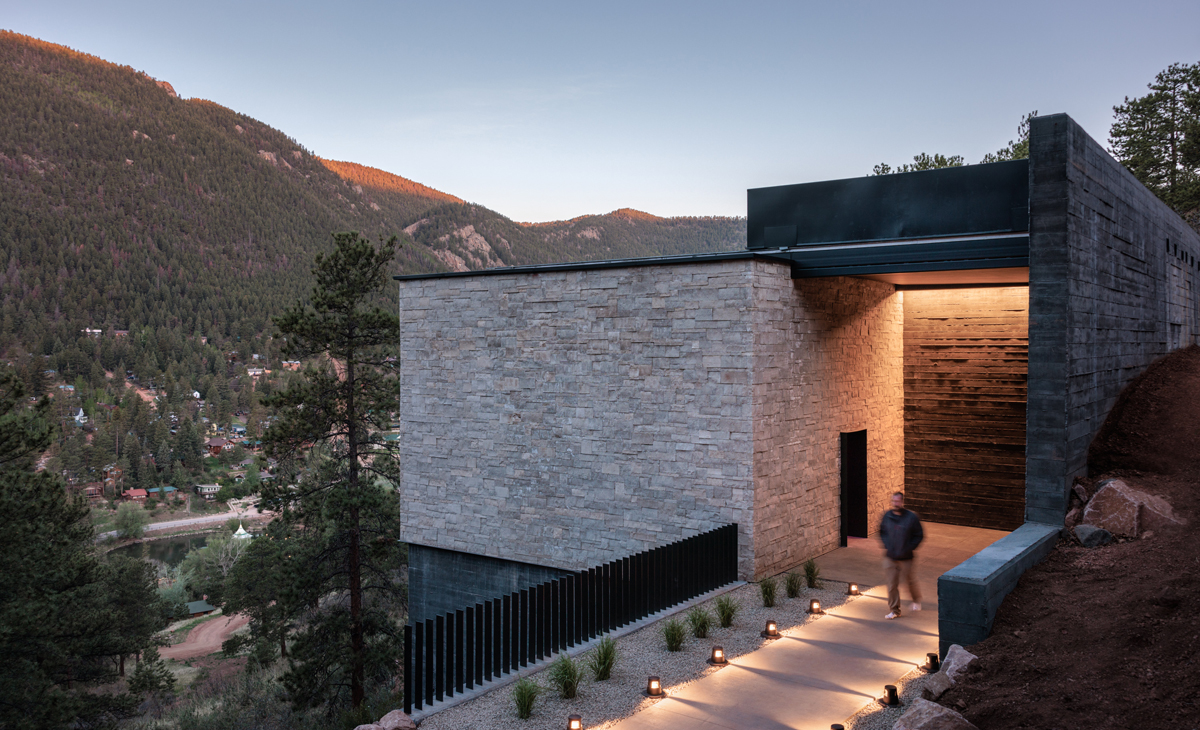
Turrell’s Colorado Skyspace, one of a handful of the Light and Space artist’s installations throughout the Southwest, is one of his more off-the-beaten-path sites (though not quite Roden Crater-level). It sits on the grounds of Green Box Arts, which hosts a summer festival, artist and writer residency (disclosure: I participated last year), and other outdoor art installations.
The Turrell installation, a concrete-and-stone cube perched above Green Mountain Falls, requires visitors to take a short, but steep, hike to access it, immersing themselves in the forested hillside as they ascend.
The installation itself is open to the public most hours for free, but the best way to truly experience it is to book a ticket to a light show, when the interior space is sealed off except for a square view of the sky, and the walls are splashed with slowly changing colors.
Creede Repertory Theatre
Creede, Colorado
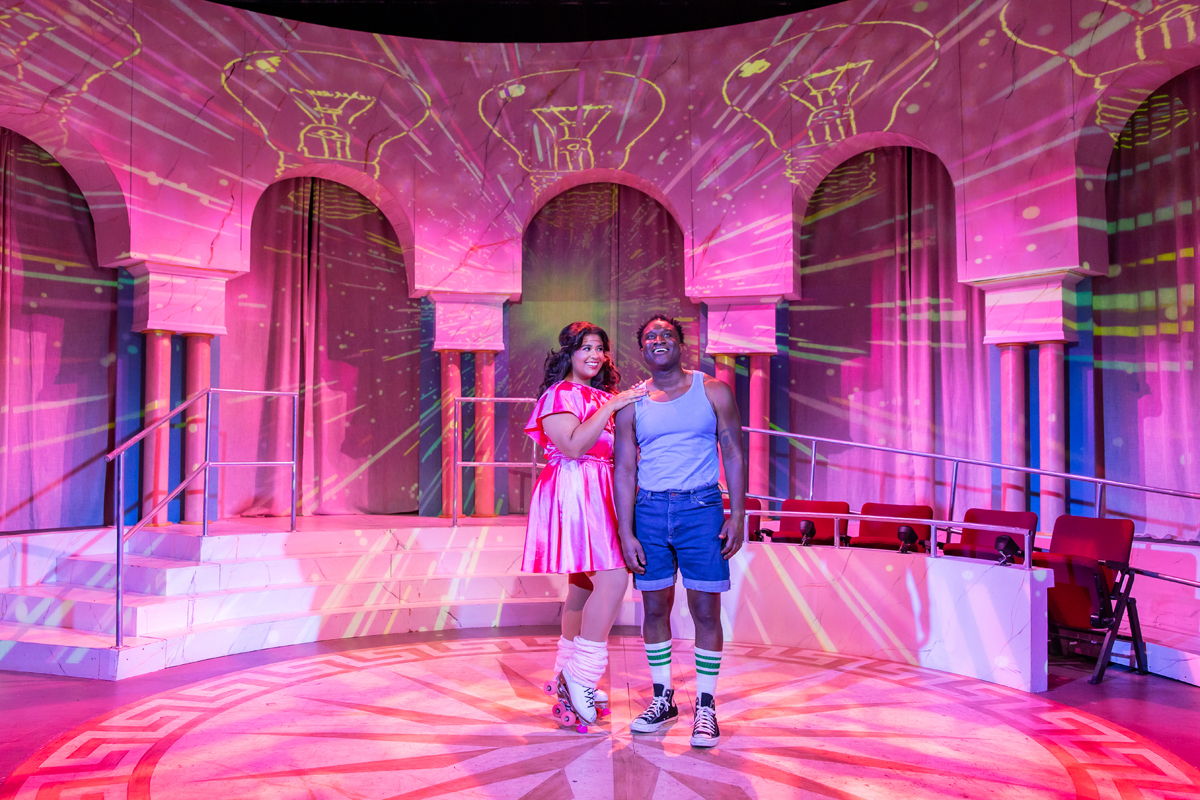
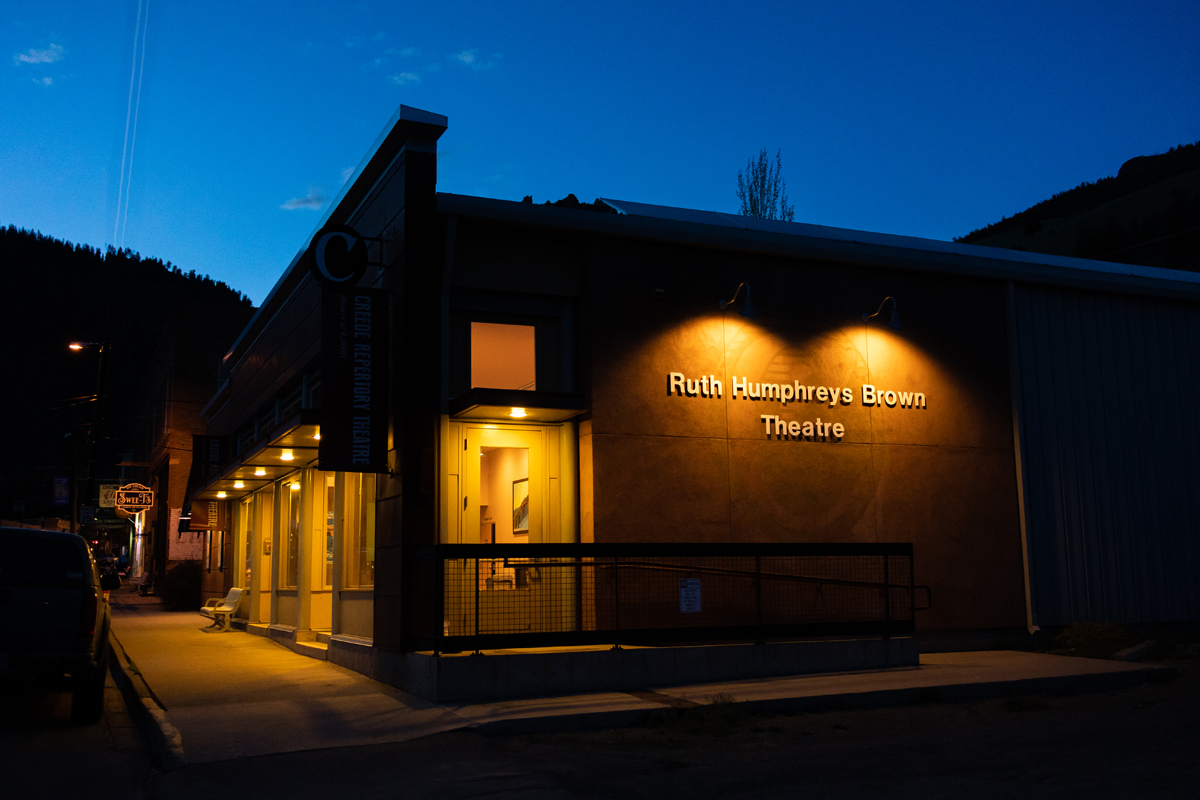
Creede, Colorado, is by all means a mining town—founded on silver deposits and still attracting tourists to its historic mines and well-preserved Western shopfronts. In the 1960s, the town’s chamber of commerce staked a claim in a surprisingly fruitful new vein: theater.
The Creede Repertory Theatre has grown from a summer project run by a group of University of Kansas students, into the county’s largest summer employer, pulling in professional actors for a robust spring and summer season that rotates shows like a true rep, offering, at any given time, some mix of professional productions, student-led shows, improv comedy, and events for young audiences.
While you’re in town, head due west to the Rio Grande headwaters for some of the most stunning summertime views in the state, and check out the Creede Musical Arts Collective for an always-intimate and interesting show.
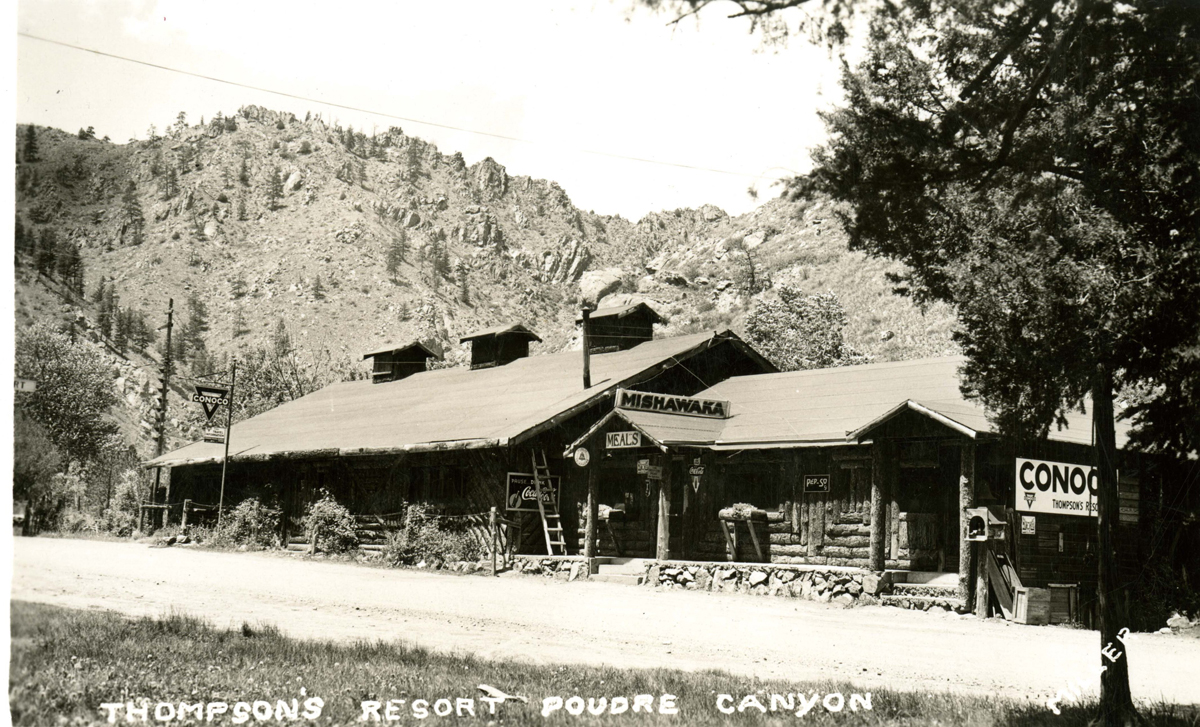
The Mishawaka
Bellvue, Colorado
In 1916, a northern Colorado musician named Walter S. Thompson homesteaded a piece of land in the Poudre Canyon and started laying the floorboards for the dance hall of his dreams, The Mishawaka, on the banks of the Cache la Poudre River.
The Mish has undergone a few ownership and vibe shifts over the past 100-plus years. One of the most consequential was the addition of an outdoor amphitheater in the 1970s, which drew huge crowds from the Front Range and threatened to destroy the site’s idyllic image.
In 2010, new ownership took over the Mishawaka and lightly renovated and revived it, turning it into one of the best venues in the state to catch a show while soaking up some mountain air.
The Range
Saguache, Colorado
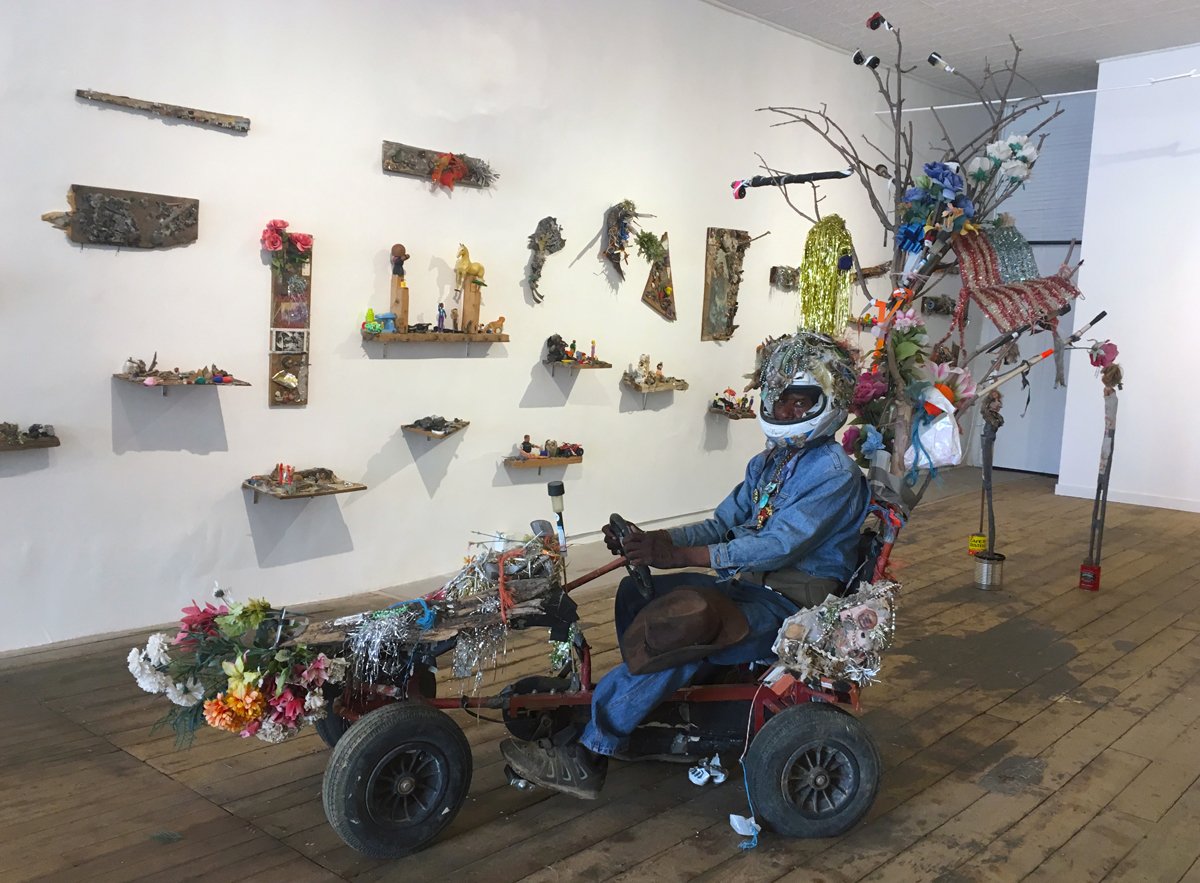
At the northern edge of the San Luis Valley, right where 150 miles of wind-scoured land unfolds and lays flat ‘til New Mexico, is the town of Saguache. Dive a block off the main highway onto Fourth Street and you’ll find The Range, unadorned on the outside, but rich and full of valley culture on the inside.
The Range was established in 2015 and mounts a handful of roughly monthlong shows every year, focusing on work made in, around, or about the valley. They have one of the deepest collections of colcha embroideries, a textile practice that migrated into the valley in the 1970s, and its founder regularly travels around to lead talks and demonstrations about the art form.
Bishop Castle
Rye, Colorado
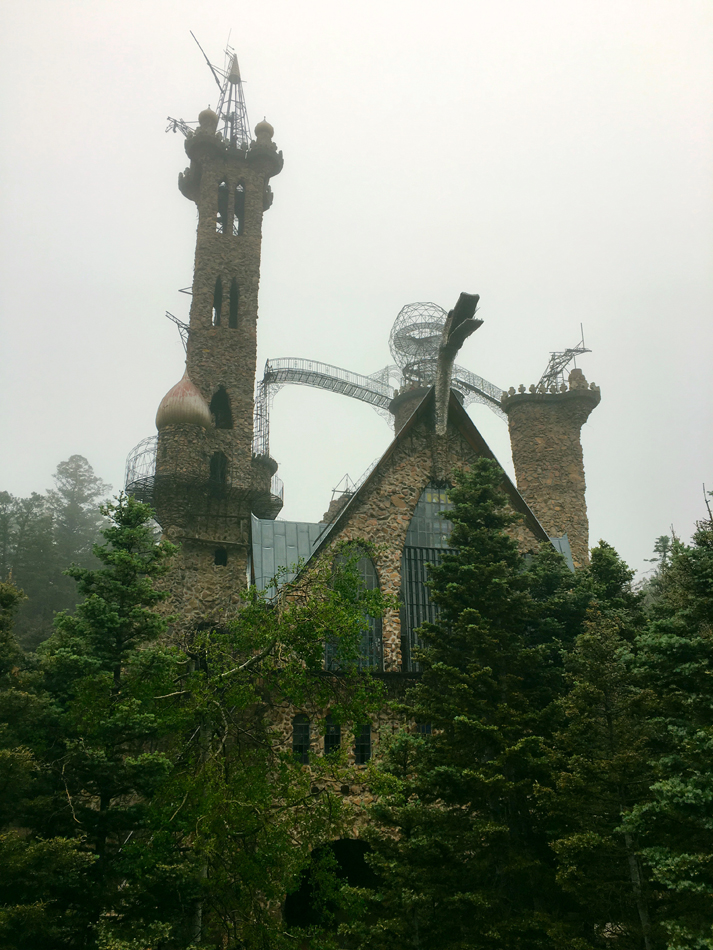
Rumor has it that Bishop Castle started as a rumor. Whispers spread through towns southwest of Pueblo that a man in the hills was building a castle. Instead of setting the record straight—that Jim Bishop was in fact building himself a stone cabin—young Jim gave the people what they wanted. Over fifty-some years he ditched the cabin blueprint for a 165-foot-tall hand-built castle, adorned with rickety metal spires, stained glass windows and a smoke-breathing dragon.
Bishop was a controversial figure before he died in 2024; in later years he became known for confrontations with visitors and loud, at times off-putting, political views. The castle itself is an absolute hazard, described by some visitors as “authentically dangerous” according to Colorado Public Radio and “definitely not something I would spend too much time in,” according to a Reddit user. But the structure itself is astonishing, free and open to the public, and nothing if not unique.