Colorado’s Anderson Ranch Arts Center honored Marilyn Minter for its 60th anniversary, affirming its faith in artistic risk and grit-infused glamour.
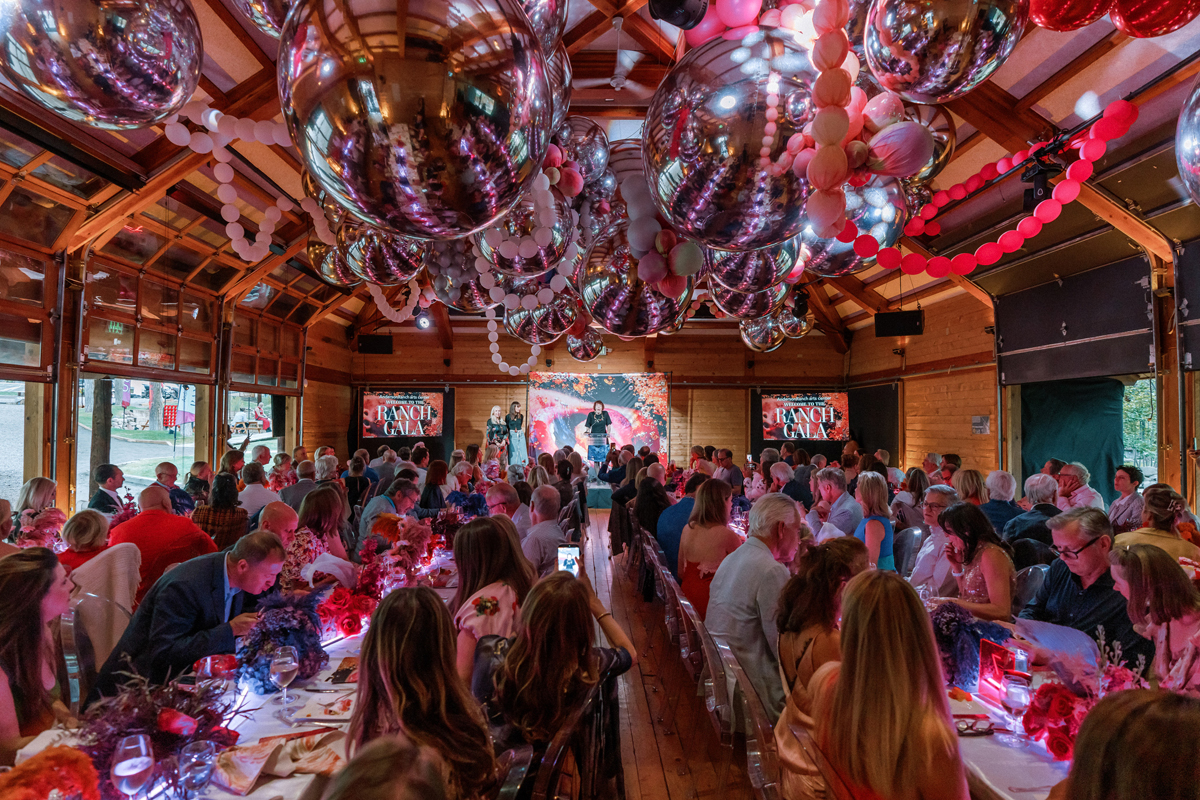
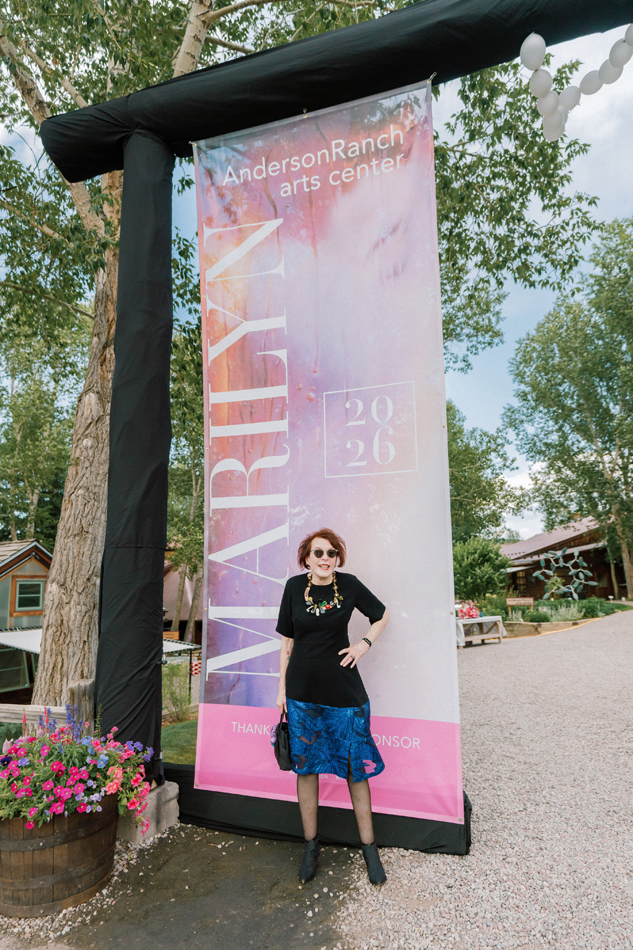
Long before Snowmass Village became synonymous with alpine luxury, Anderson Ranch Arts Center was luring artists to Colorado’s High Rockies. “The artists were here a decade before the town was founded,” says Peter Waanders, president and CEO of the Ranch, which celebrates its 60th anniversary this year. On July 15, the Ranch held its annual gala, honoring Marilyn Minter with its coveted International Artist Award.
Attended by the crème de la crème of contemporary art patrons, many of whom consider Aspen/Snowmass their second (or third) home, the gala was the Ranch’s most successful to date, raising over $1.6 million for scholarships and public programming. For Minter, whose work is in collections including the Denver Art Museum, the Blanton Museum of Fine Arts in Austin, Texas, and MoMA in New York, it was a full-circle moment.
In 1989, Minter was the first artist to advertise her work on television; however, the promotions backfired, scandalizing audiences who deemed her sex-positive paintings of phallic vegetables and dripping popsicles too pornographic for public consumption. “Nobody has politically correct fantasies,” the New York–based artist says, “and it upset people that women could own sexual imagery for their own pleasure and amusement.”
Minter was effectively cancelled until 2003, when she was contacted by Harley Baldwin and Richard Edwards, founders of Baldwin Gallery in Aspen. Edwards recalls that, “When we first met Marilyn, she had a singular vision that did not seem to be in sync with the art world at the time, but we visited her studio and had such an inspiring conversation that we did a show almost immediately.”
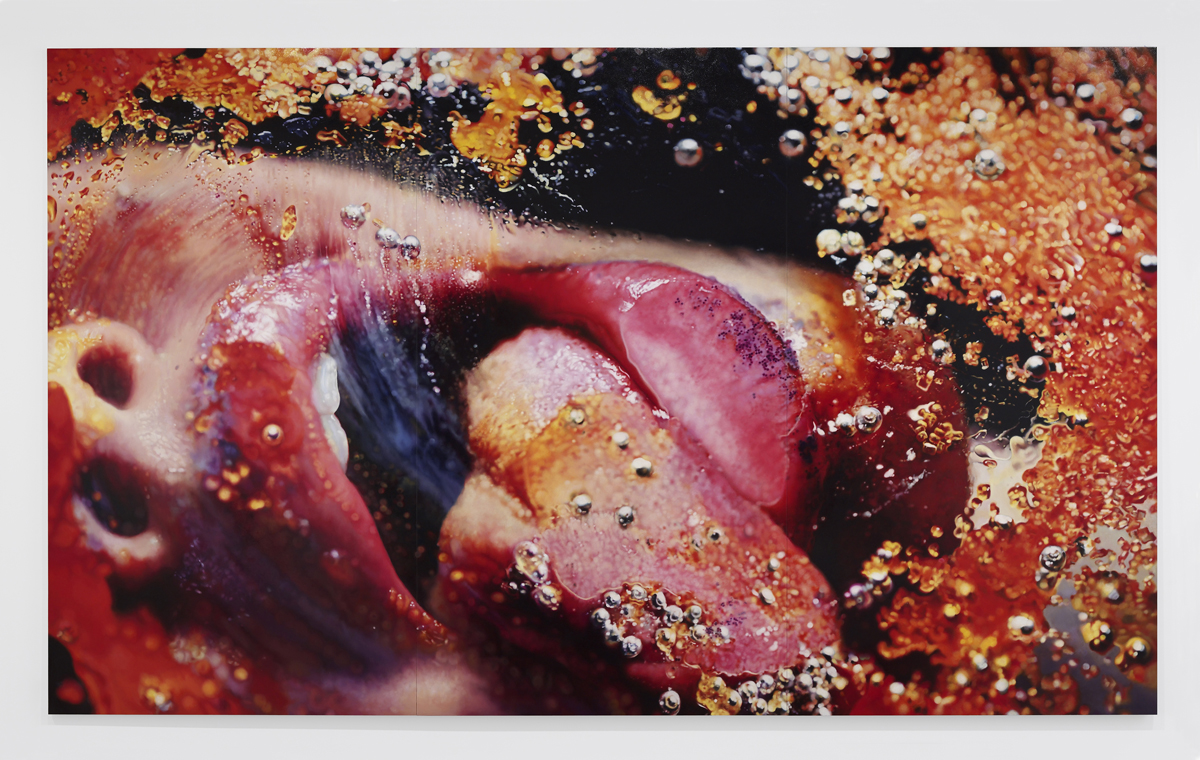
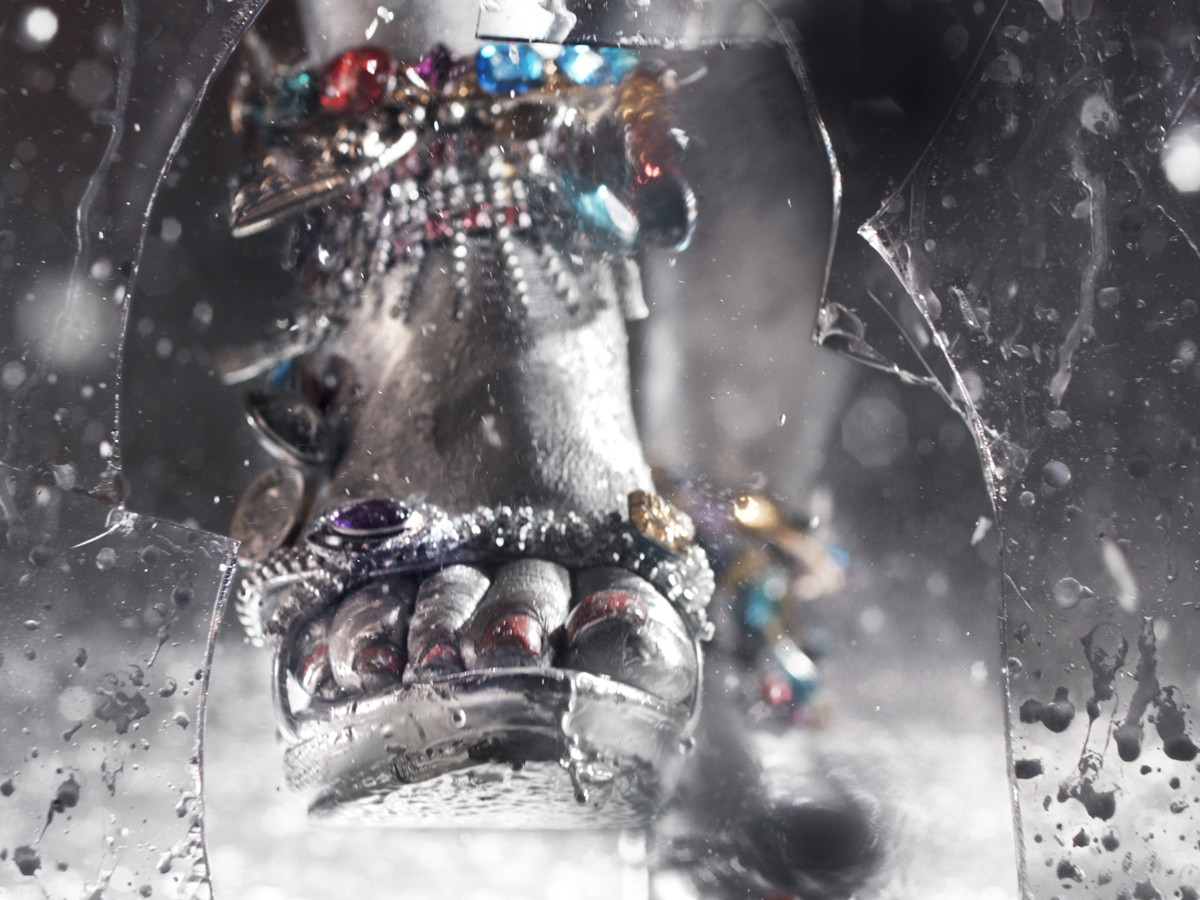
After that exhibition in Aspen, Minter’s career began a rapid ascent. In 2006, her photorealist painting of glittery Dior stilettos and dirt-caked feet (the telltale sign of a night out clubbing) appeared on the cover of the Whitney Biennial catalogue, and her work was plastered on billboards around New York by the nonprofit Creative Time. In the twenty years since, Minter has worked with provocateurs including Pamela Anderson, Miley Cyrus, Lizzo, Lady Gaga, and Monica Lewinsky.
“The culture builds up these young girls just to tear them apart,” Minter says. “That’s a lot of what my work is about: I take women who have been shamed and reclaim them.” Fashion becomes armor, style is weaponized, and defiant sexual arousal doubles as political resistance. “Shame is very different [from] guilt,” Minter explains. “Guilt can be forgiven. Shame says ‘you shouldn’t exist.’ By making portraits of these women, I drag that shame into the light.”
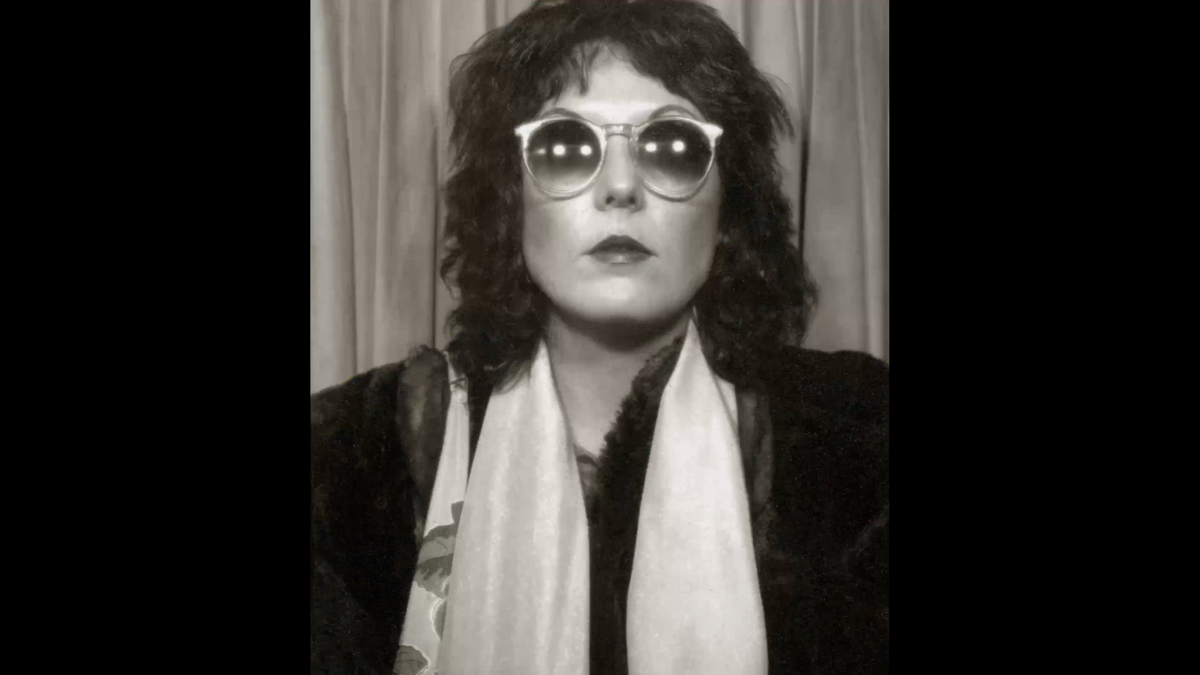
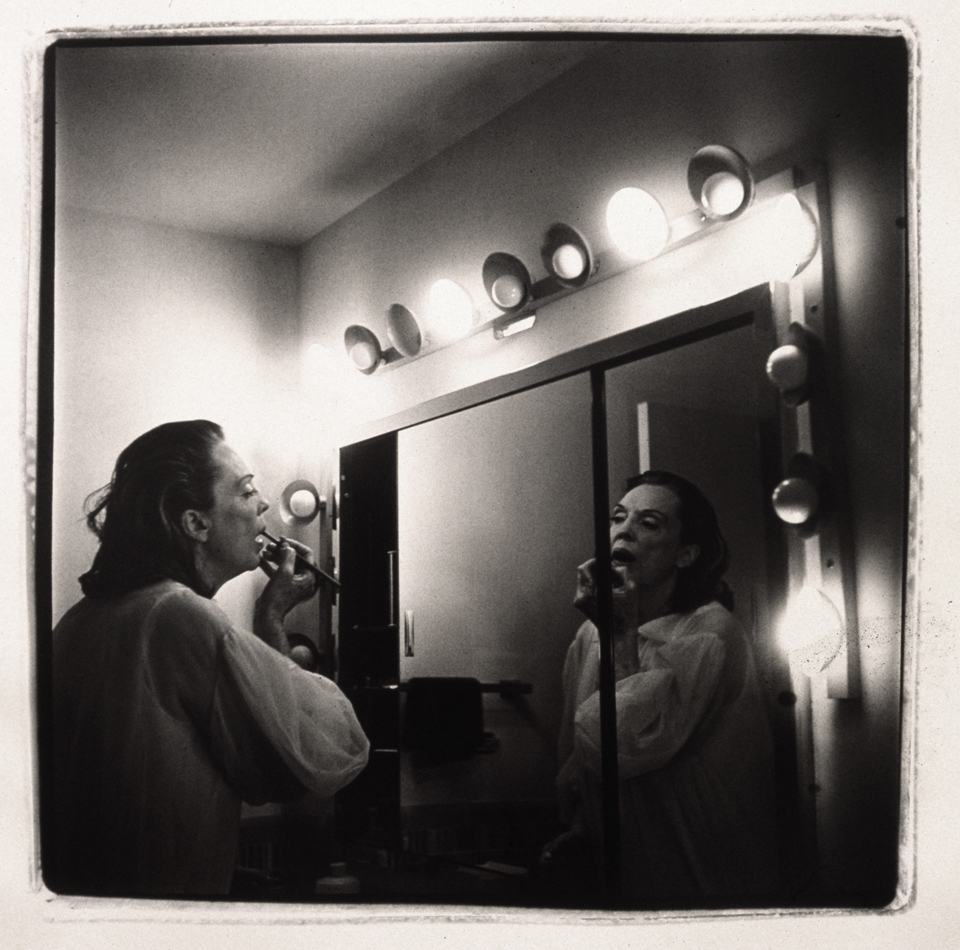
Minter was raised in South Florida, where the only liberal magazine she could get her hands on was Playboy. Her mother was an addict, and embodied the contradictions Minter would later become known for: the collision of beauty, decadence, and vulgarity in that lascivious space where the sacred and profane commingle. Working across painting, video, and photography, Minter’s fiercely seductive aesthetic has become the millennial crucible of radical feminism: she walked (in heels), so the Girls generation could run (also in heels).
Nobody has politically correct fantasies, and it upset people that women could own sexual imagery for their own pleasure and amusement.
In 2015, Minter’s retrospective Pretty/Dirty opened at the Contemporary Arts Museum Houston before traveling to MCA Denver, the Orange County Museum of Art, and the Brooklyn Museum. Last year, a documentary on her life by the same title hit the indie film festival circuit. A punk princess-turned-political activist, Minter’s been a faculty member at the School of Visual Arts in New York since 1986, epitomizing the Ranch’s ethos of arts education. “What I love about the Ranch is, it’s artists working with other artists,” she says, “They have processes here, and they’re really intense. They really believe in what they’re doing, and they give people this environment to perfect their skills.”
During the gala, staff at the Ranch consistently remarked on Minter’s approachability—how attentive she’s been to students and interns. She’s never patronizing, always curious, patient, and enthusiastic. Her openness also reflects a broader culture at the Ranch. Waanders has witnessed how its forced intimacy, through communal meals and shared workspaces, encourages connection and creative exchange between young artists and those at the apex of their careers, such as Catherine Opie and Mickalene Thomas. It’s precisely this cultivation of artistic dialogue and interdisciplinary experimentation that the Ranch strives to engender.
“I always tell people the Ranch is a maker’s paradise,” says Andrea Jenkins Wallace, Anderson Ranch’s vice president of artistic affairs and artistic director of photography and new media. “It’s a leveling ground that brings together makers of all backgrounds, all mediums, and also art enthusiasts and collectors. It’s as much about community as it is about making art.”
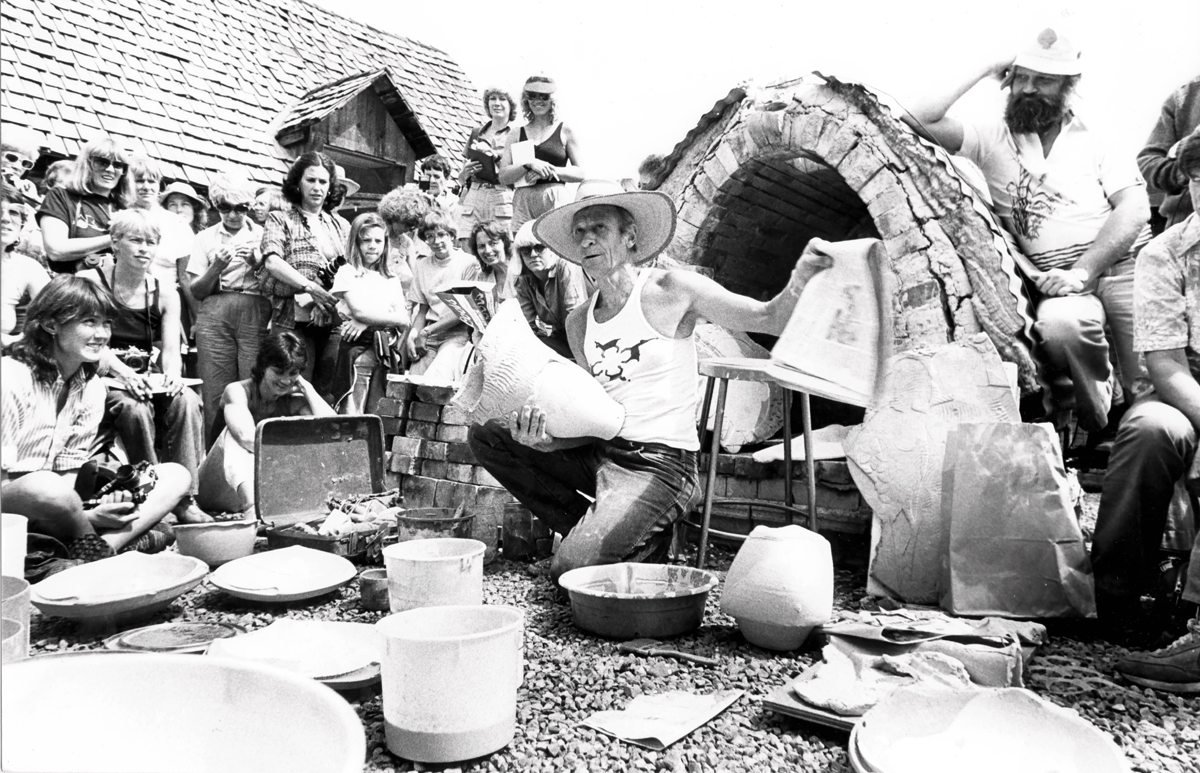
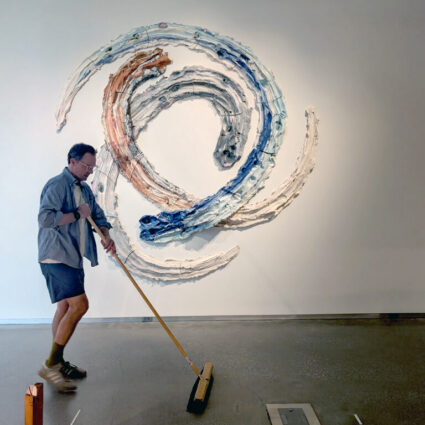
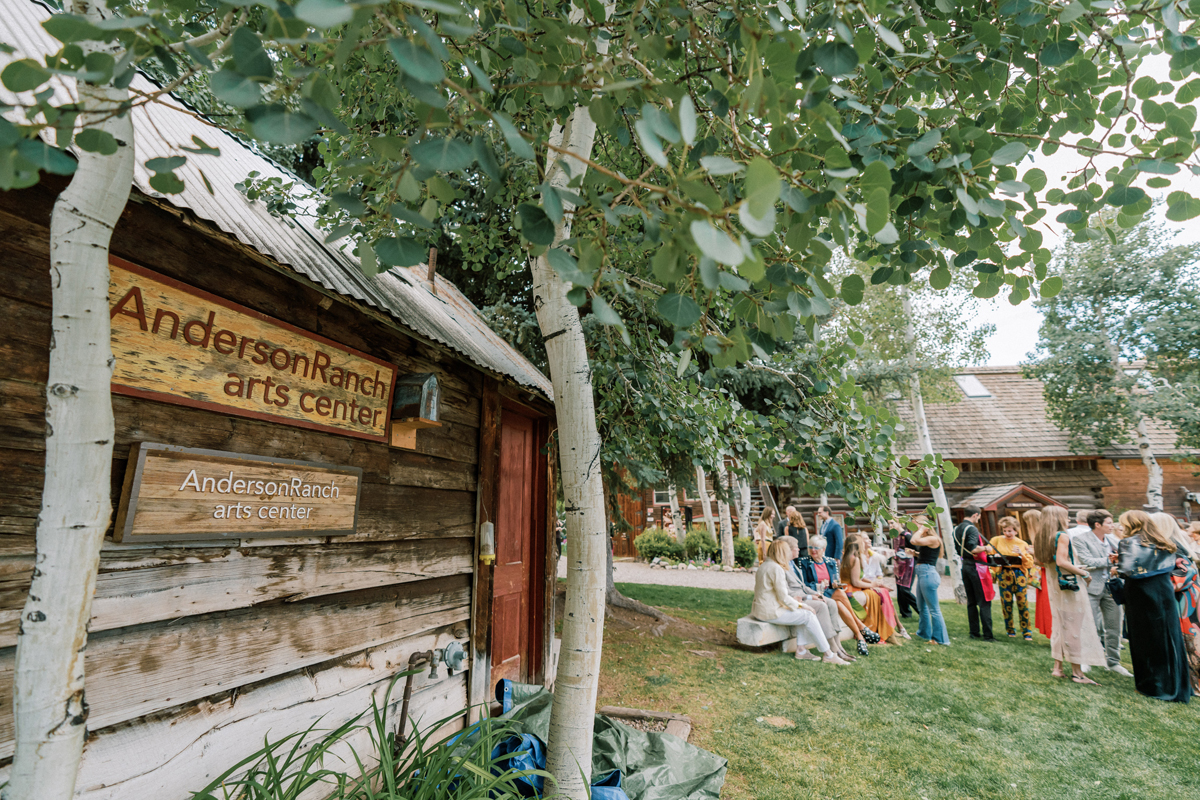
When the Ranch first started, it comprised a kiln in a field and little else. Originally founded by ceramist Paul Soldner, the Ranch’s lineage is embedded in its rustic campus, which includes outposts built in the late 1800s, back when it was a working sheep farm. Over the years, additional buildings were added to support its evolving curriculum, which includes sculpture, photography and new media, painting, printmaking, metalsmithing, woodworking, and an impressive array of ceramic studios, kilns, and 3D ceramic printers.
The Ranch has also made moves to increase diversity on its relatively secluded campus, one example being its Latinx initiative, which launched in 2022. Rafael Fajardo, a Colombian American artist and socially conscious game designer who integrates emerging technologies with analog processes such as traditional letterpress printing, was a member of the Ranch’s inaugural Latinx cohort. He’s returned to the Ranch every summer since to teach a digital game workshop.
“My experience with Anderson Ranch has been kind of magical,” says Fajardo, who’s a professor in the University of Denver’s Art, Culture, and Technology program. “The Ranch has been a wonderful educational facilitator, where people learn about making from other people who are also making alongside them.” (Disclosure: Fajardo was my MA thesis advisor at DU, and we have since worked together on two museum exhibitions.)
It’s no secret that real estate in Aspen/Snowmass is so expensive it’s practically unattainable. Waanders concedes that people rarely end up in Snowmass by accident. “To live in a community where everyone’s there on purpose creates this sort of shared care for what the culture is,” he explains. “We’re a making organization, so we value creativity, we value the struggle, and the very human need to express what’s in your heart or in your head and how to communicate and share that with others.”
Waanders points out that one in every five students at the Ranch is fully funded. Where else, he asks, can a scholarship student paint alongside a museum benefactor, share a meal with an artist who’s exhibited at the Venice Biennale, attend a public lecture by a renowned curator, and have their work acquired by a blue-chip gallerist during a casual lunchtime auction, all in the same day? This concentration of art-world cachet, grounded in a tradition of hands-on making and rigorous discourse, and nestled within one of the most scenic—and exclusive—destinations on the planet, is simply unique to Anderson Ranch. And yet, “the Ranch’s magic stems from the fact it hasn’t gotten too glossy,” Waanders says, before adding: “It’s still pretty dirty.”