Collectively governed by New Mexico’s nineteen Pueblos, the Albuquerque center marks its semicentennial as a “pivot” between worlds.
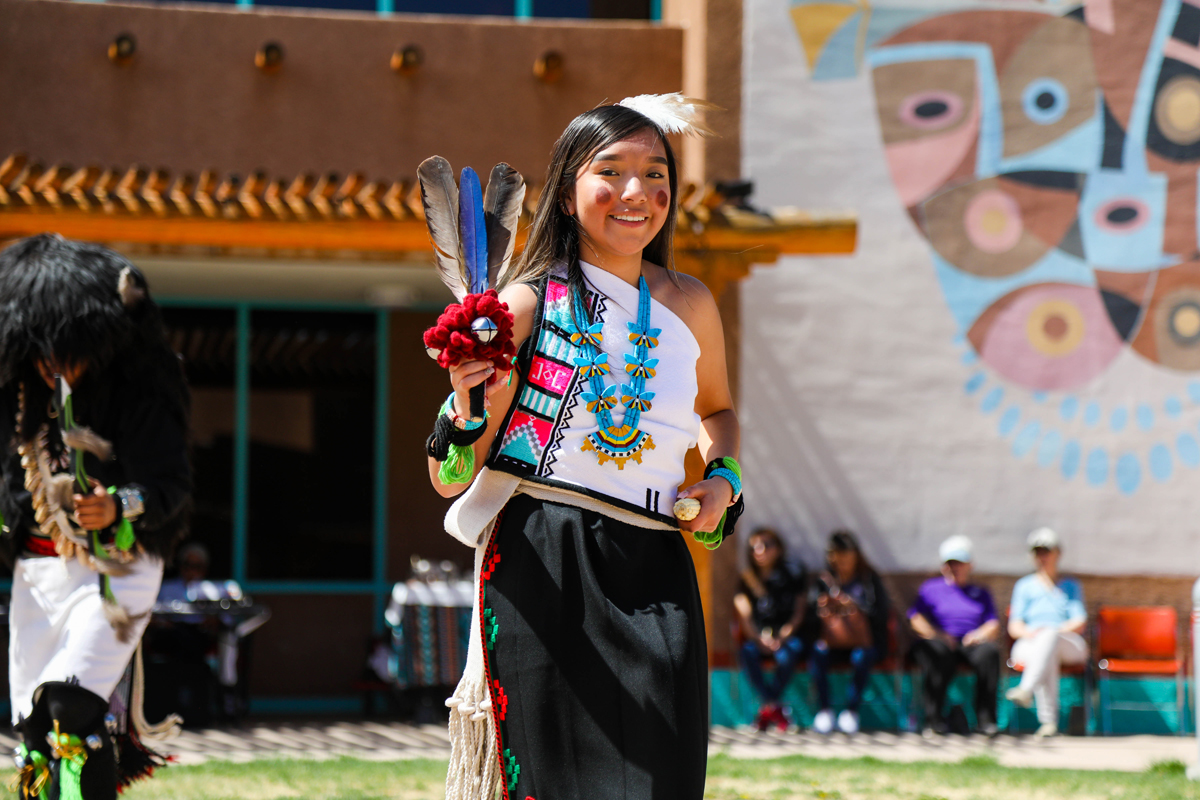
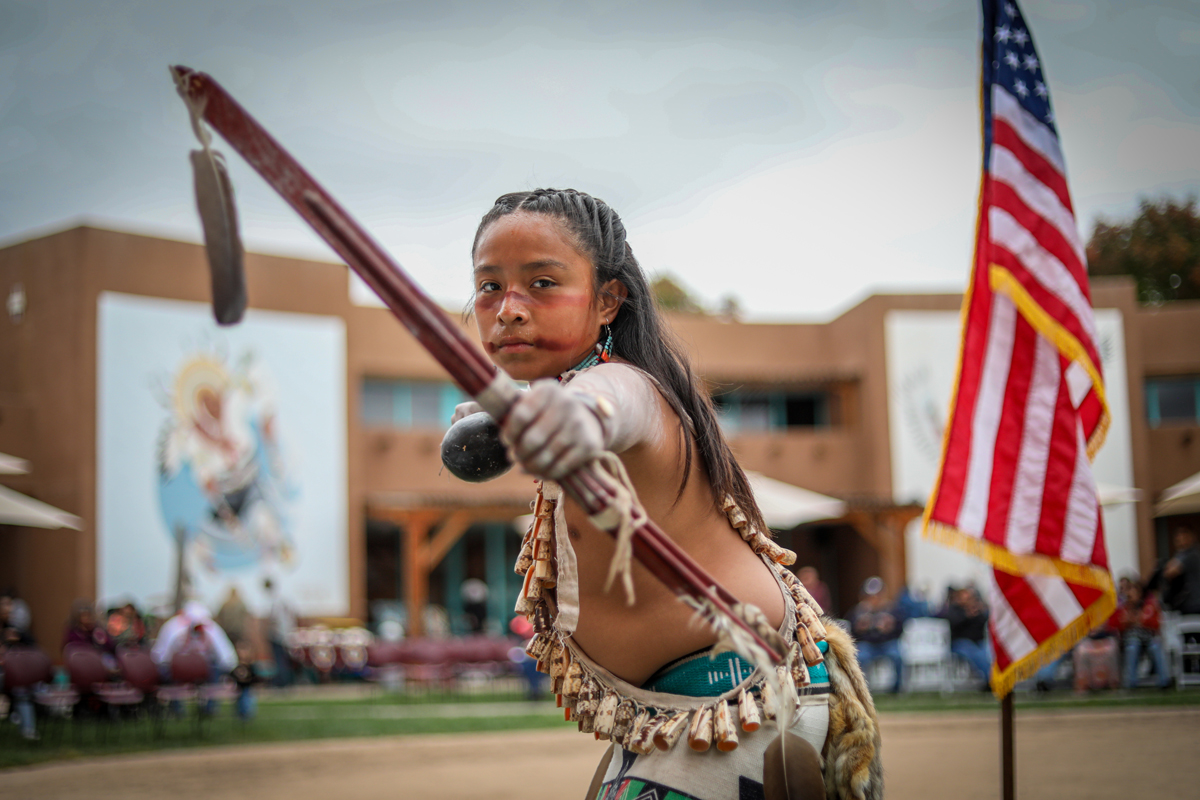
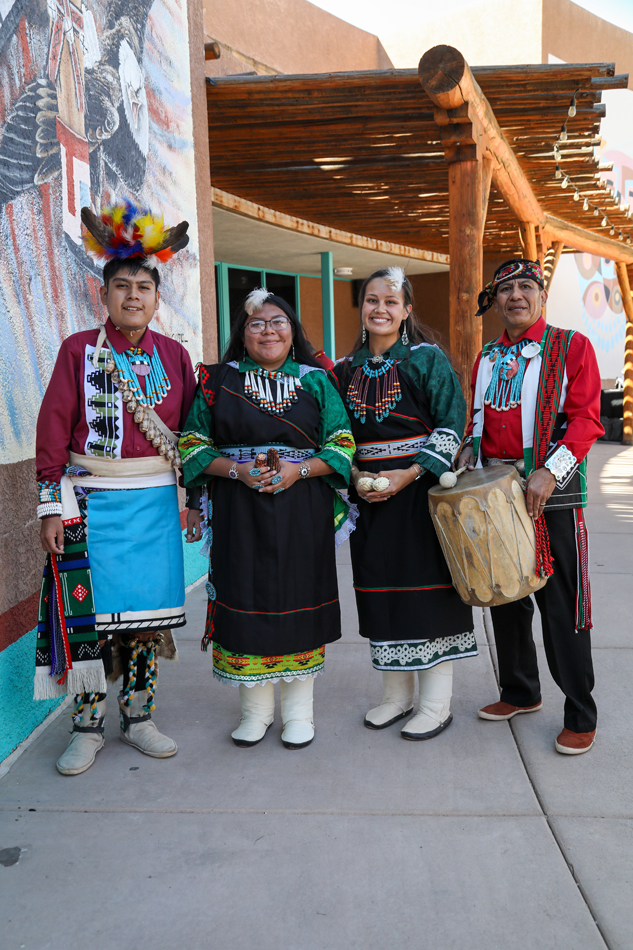
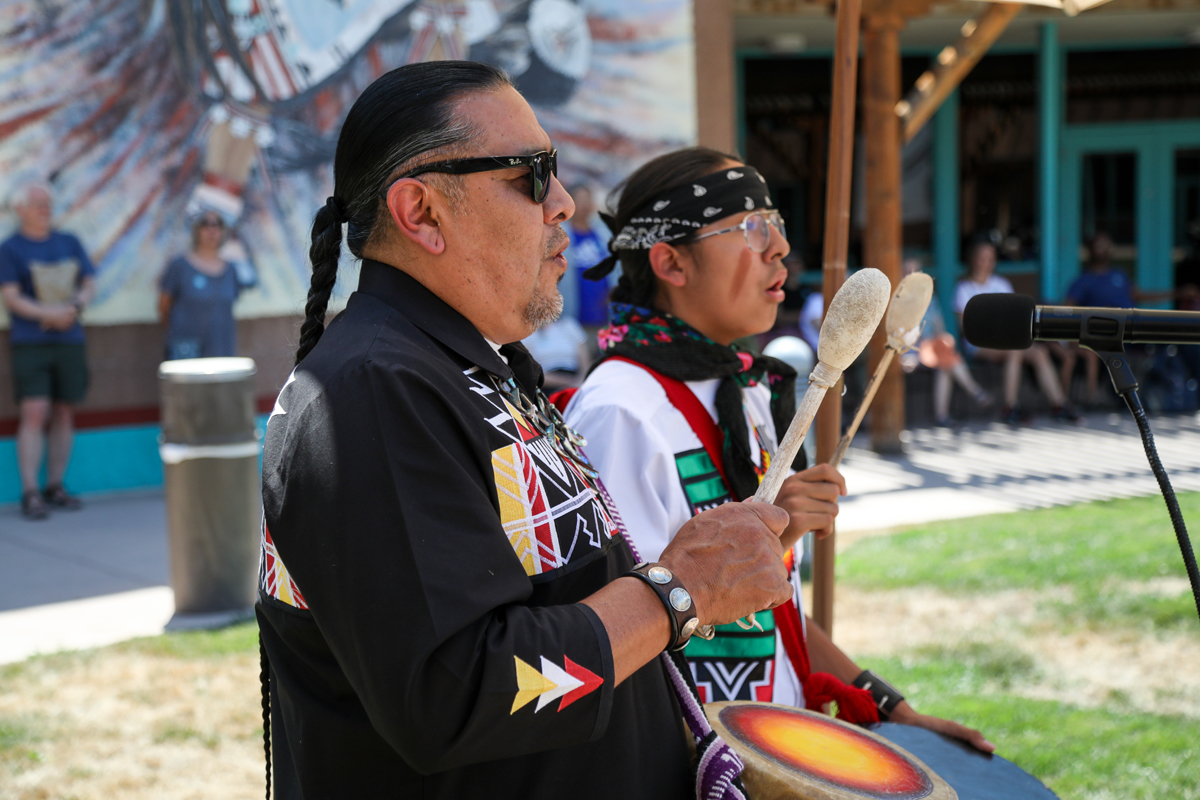
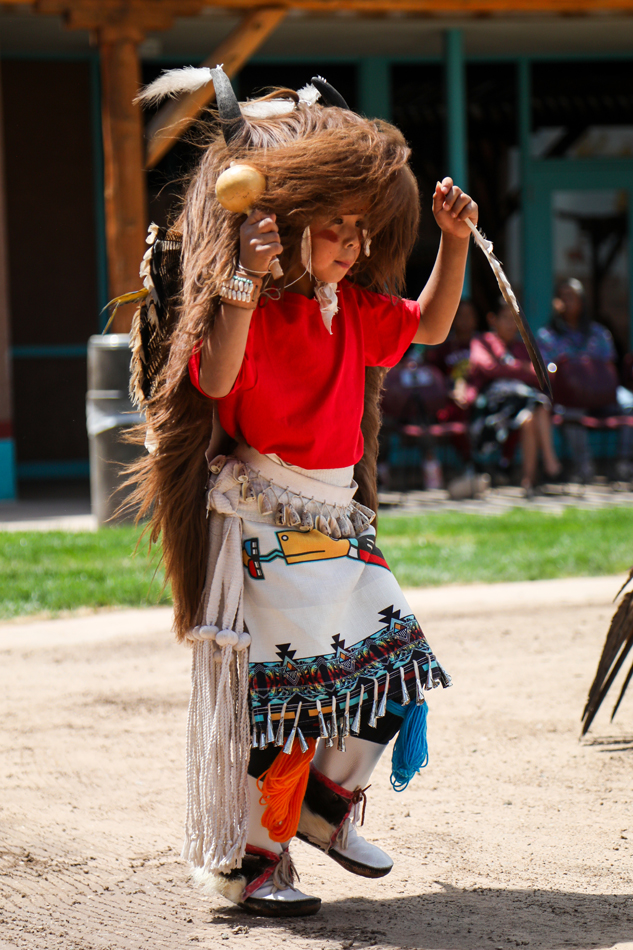
Amy Johnson (Isleta Pueblo) has worked at the Indian Pueblo Cultural Center for twenty-four years—nearly half its history. She started as a curatorial assistant and worked her way up to curator of collections, but she doesn’t see the Albuquerque nonprofit’s galleries as its epicenter. In her eyes, that distinction belongs to the central courtyard, where IPCC hosts Native dances every weekend, year-round.
“It has that plaza feel: the blue open sky, the heat, the dust—you’re just drenched in sunlight and the crows are hanging around,” she says. Johnson likens the atmosphere to a feast day at one of New Mexico’s nineteen Pueblos, making IPCC a “little pivot” between “the middle of a city… and the Pueblo world.”
From a metropolitan point of view, IPCC is a striking symbol of Indigenous sovereignty just northeast of Albuquerque’s Old Town. Founded in 1976 on the former grounds of the Albuquerque Indian School, it is collectively owned and governed by the Pueblos. Its footprint continues to grow, with in-progress land acquisitions and a planned business park to support Pueblo entrepreneurs.
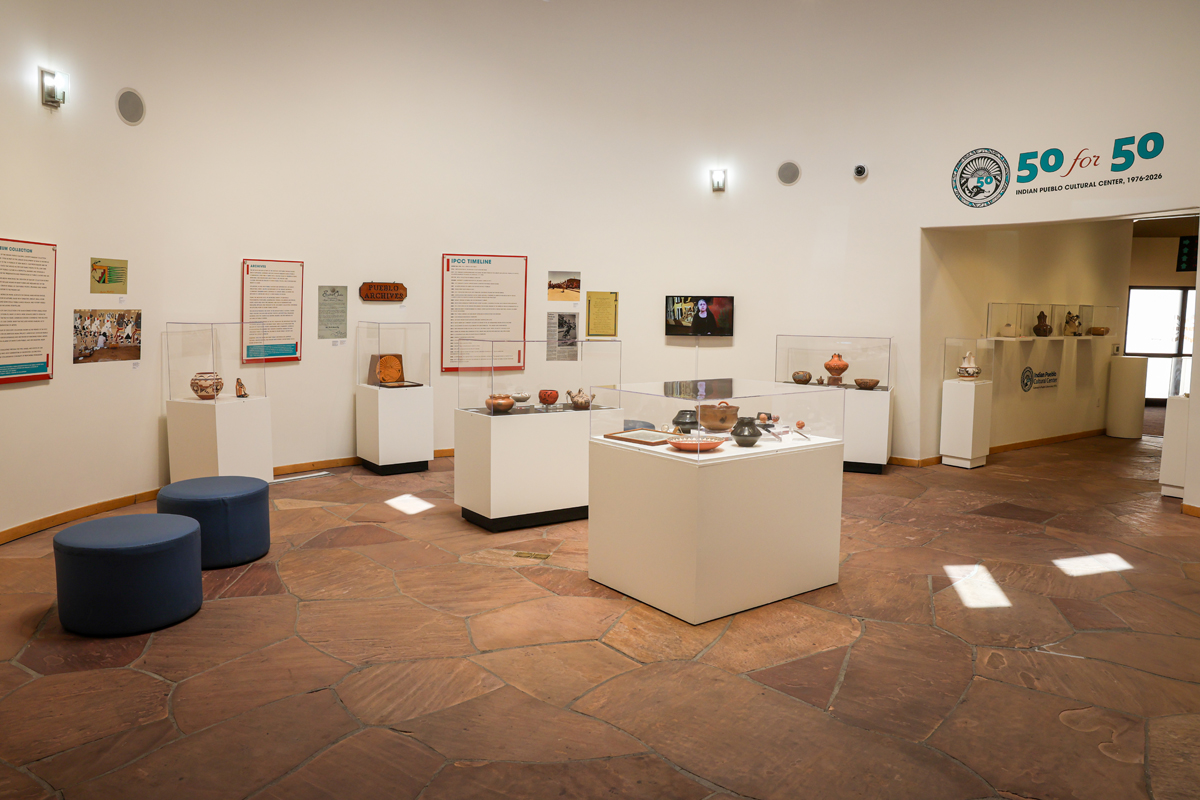
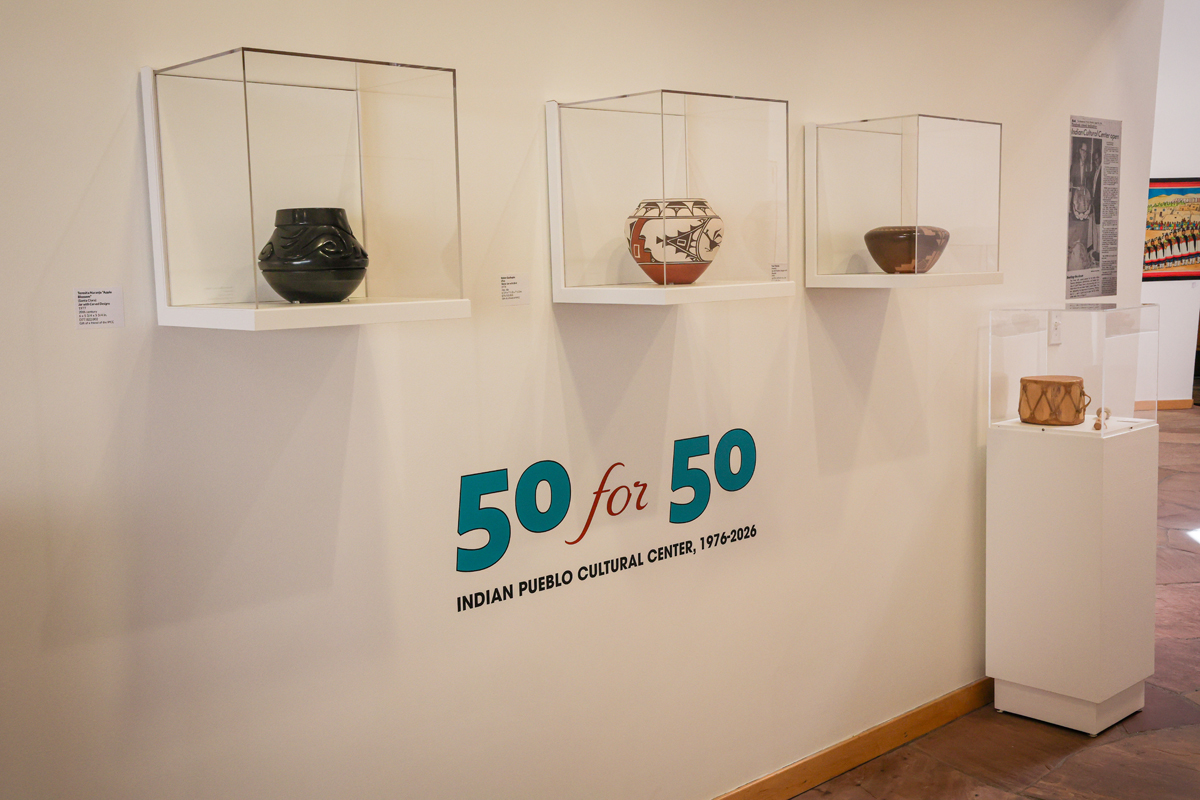
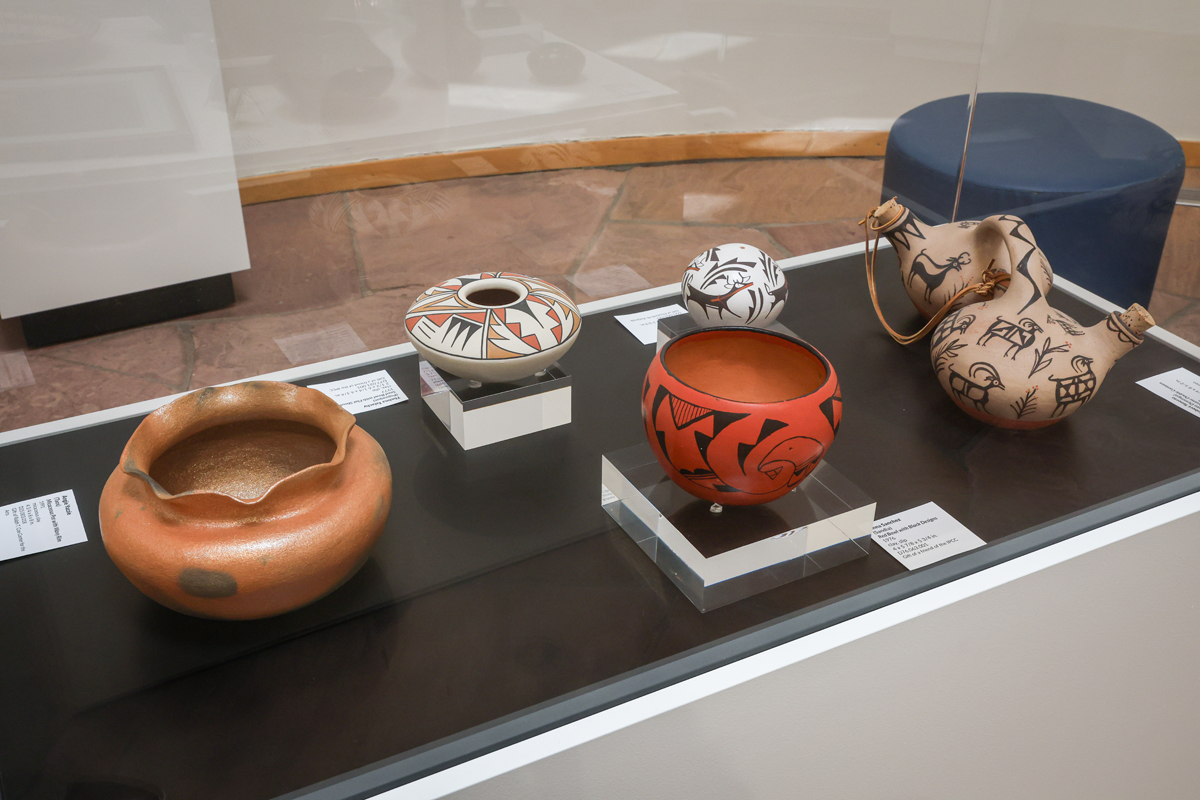
The center draws thousands of non-Native tourists each year for its contemporary and historical exhibitions, its many Pueblo murals, and the Indian Pueblo Kitchen, an award-winning restaurant and instructional program centered on Indigenous foodways. This year, IPCC marks its 50th anniversary with the exhibitions 50 for 50: Indian Pueblo Cultural Center, 1976-2026 (March 20, 2026–February 15, 2027) and Grounded in Clay: The Spirit of Pueblo Pottery (March 20, 2026–February 21, 2027).
Johnson notes that from a Pueblo perspective, IPCC is somewhat peripheral: a crossroads between distinct tribes with deep histories. “It’s been fun and interesting and a challenge… how do we represent nineteen different communities in our museum?” she says. “More and more, it’s about reaching out to our descendant communities and really listening.” That ethos is reflected in traveling shows like Grounded in Clay, curated by the Pueblo Pottery Collective. The group has more than sixty members from twenty-one tribal communities, including Johnson herself.
Editor’s note 05/22/2026: A previous version of this article incorrectly identified Amy Johnson’s tribal affiliation. She is Isleta Pueblo, not Laguna Pueblo. We regret the error.