Santa Fe’s last video store, a nonprofit in Albuquerque, and an archive in Texas venerate and preserve analog media in the age of AI.
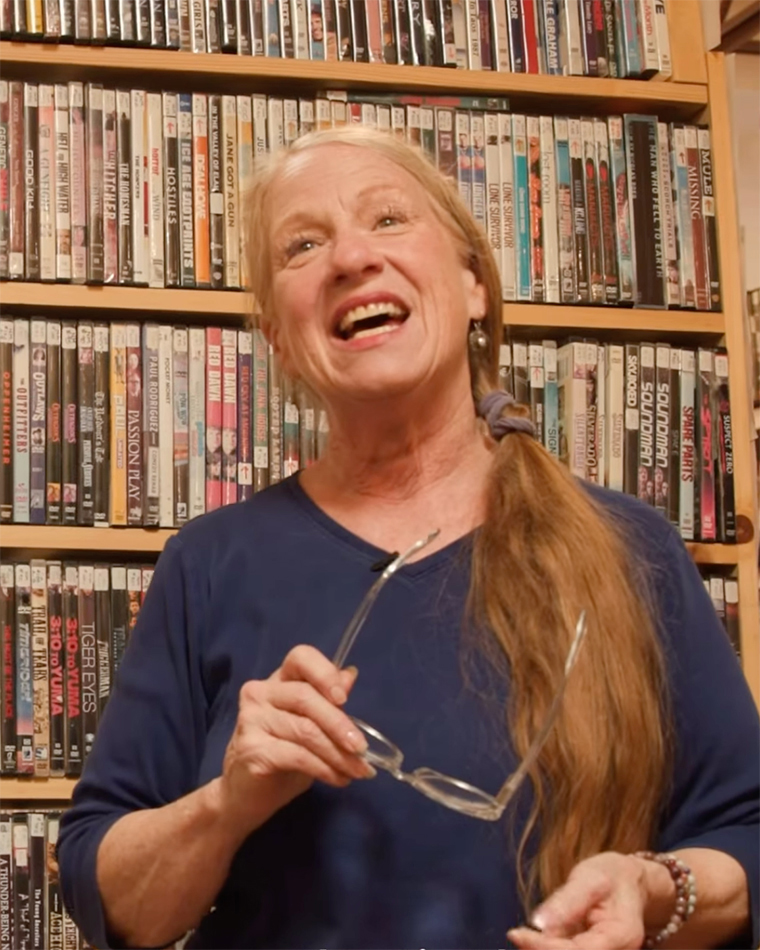
Lisa Harris likens a trip to Video Library—the establishment she co-owns, which is the oldest surviving video store in the country and possibly the world—to 20th-century time travel. The Santa Fe store, which turns forty-five in August, is home to around 18,000 titles from classic to current cinema, mostly on DVD. The walls and shelves behind the all-analog front desk are papered with paraphernalia from the pre-digital age: posters and cutouts of stars from Paul Newman to Halle Berry; press clippings about the store; postcard updates from old employees; and love notes from customers.
On a spring afternoon, a mother and teenager visiting the store for the first time bring Harris a mango lassi from the restaurant next door, as a thank you for her free Monday night movie series hosted at the Jean Cocteau Cinema. “We are a testament to Santa Fe–stubborn,” Harris says after they leave. She’s a local icon herself: warm, gregarious, and bursting with recommendations. “Look around,” she says, pointing to stacks of papers in various teetering formations behind the desk. “It’s actually easier to keep going than to even contemplate how to dismantle this place. Here’s my business advice: if it succeeds in the rest of the world, it’ll fail in Santa Fe, and vice versa. Also, this town loves movies.”
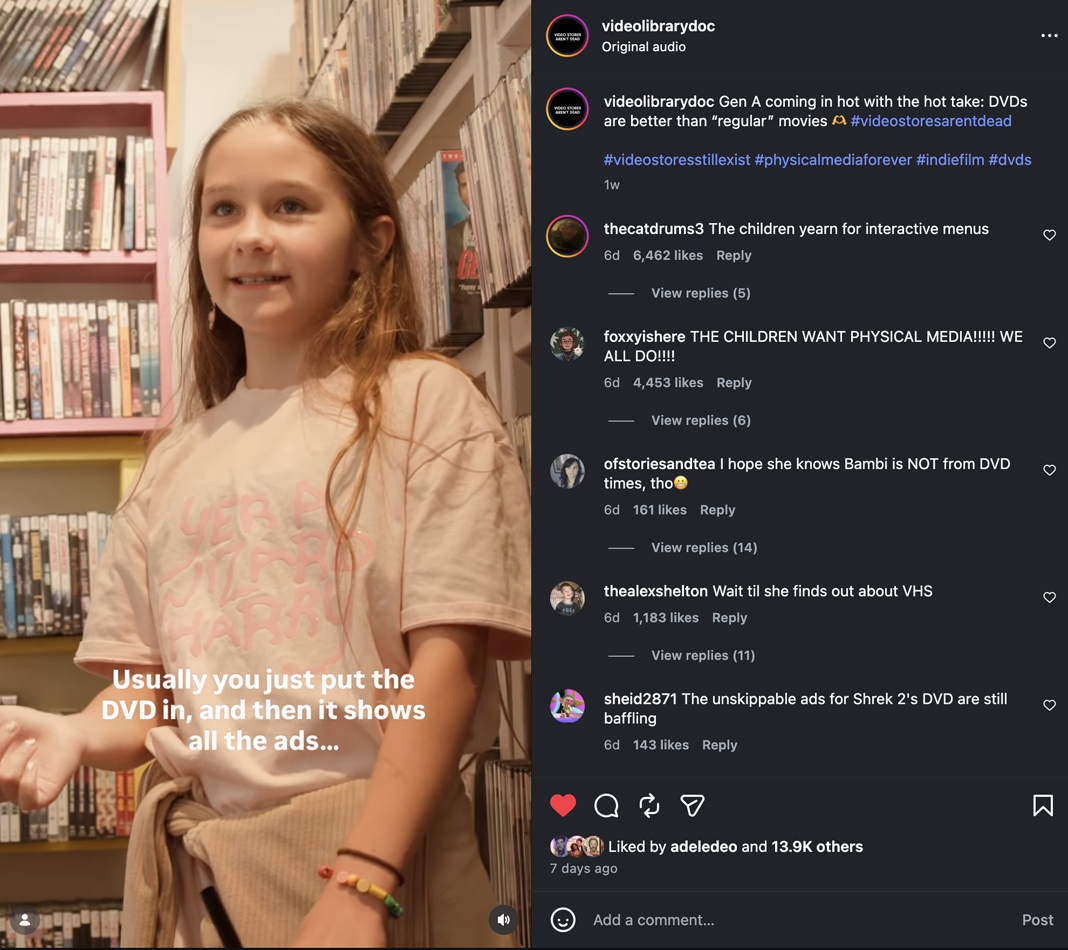
In part, Harris attributes Video Library’s longevity to a vanishing demographic—older folks who grew up with physical media—but her clientele includes lots of millennials, many of whom came to the store as kids, and increasingly, members of Generations Z and Alpha. Luckily, Video Library isn’t alone. Throughout the Southwest, strongholds of film and video act as repositories for cultural histories and provide reasons to gather in real life, in the form of screenings, festivals, and discussions, both structured and informal. As billionaires, politicians, and members of the Hollywood establishment insist an AI revolution across sectors is not only upon us but inevitable, many moving-image lovers crave exactly the opposite: work bearing the unmistakeable, imperfect fingerprints of human creation.
Many moving-image lovers crave exactly the opposite [of AI]: work bearing the unmistakeable, imperfect fingerprints of human creation.
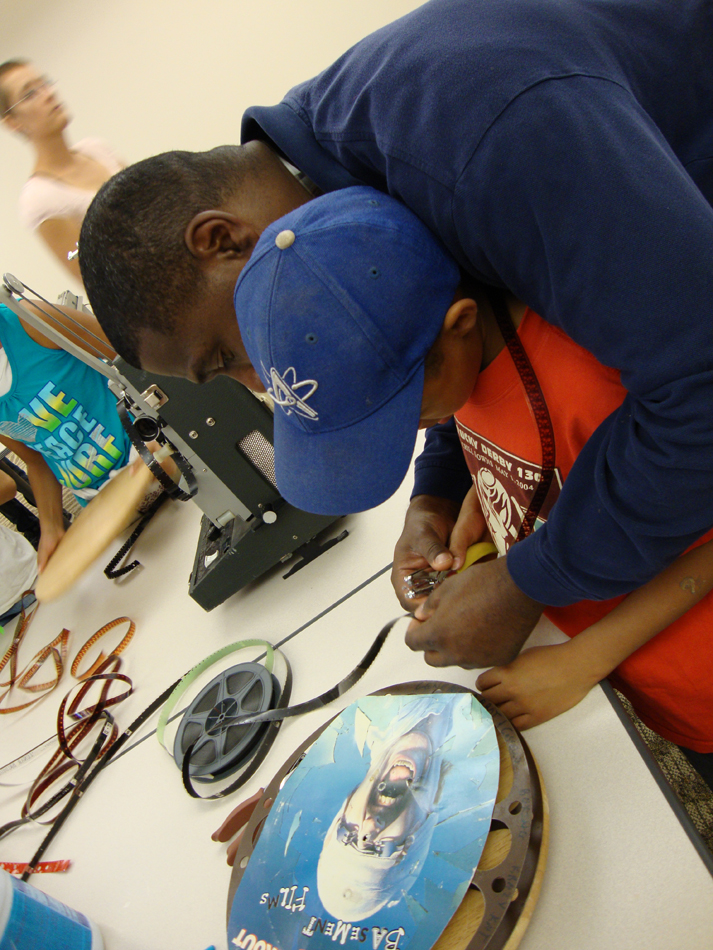
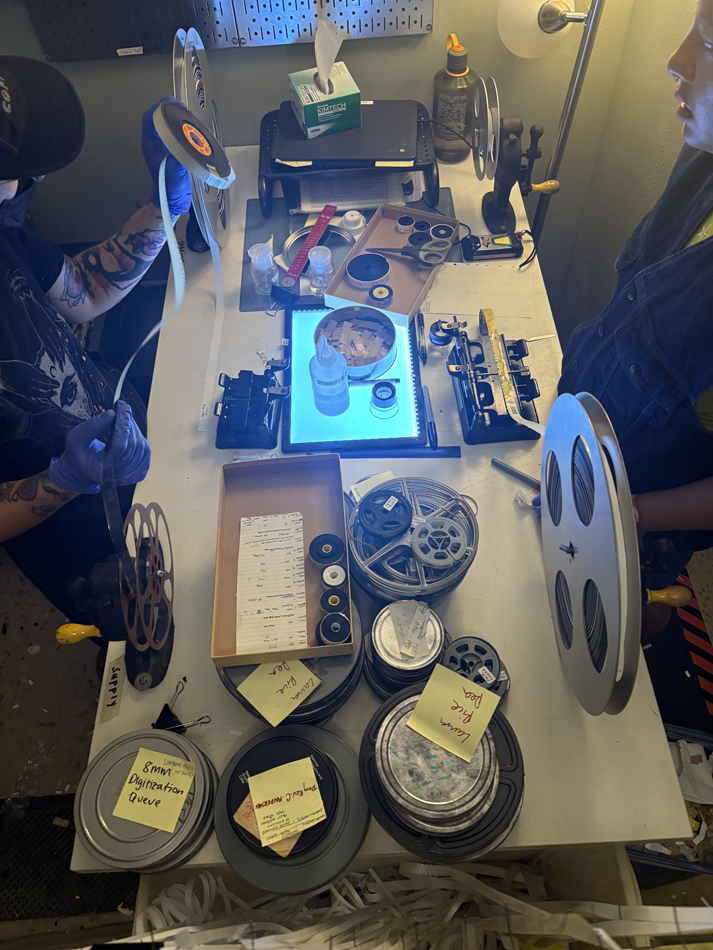
Every year in Albuquerque, at the Guild Cinema on Central Avenue, Basement Films hosts Experiments in Cinema, an international art film festival. The thirty-five-year-old, all-volunteer-run nonprofit provides education about the mechanics and possibilities of the medium via “direct animation” workshops for Albuquerque Public Schools. Younger students draw on blank film strips with Sharpies, and older students write or draw on already-exposed film, creating something new.
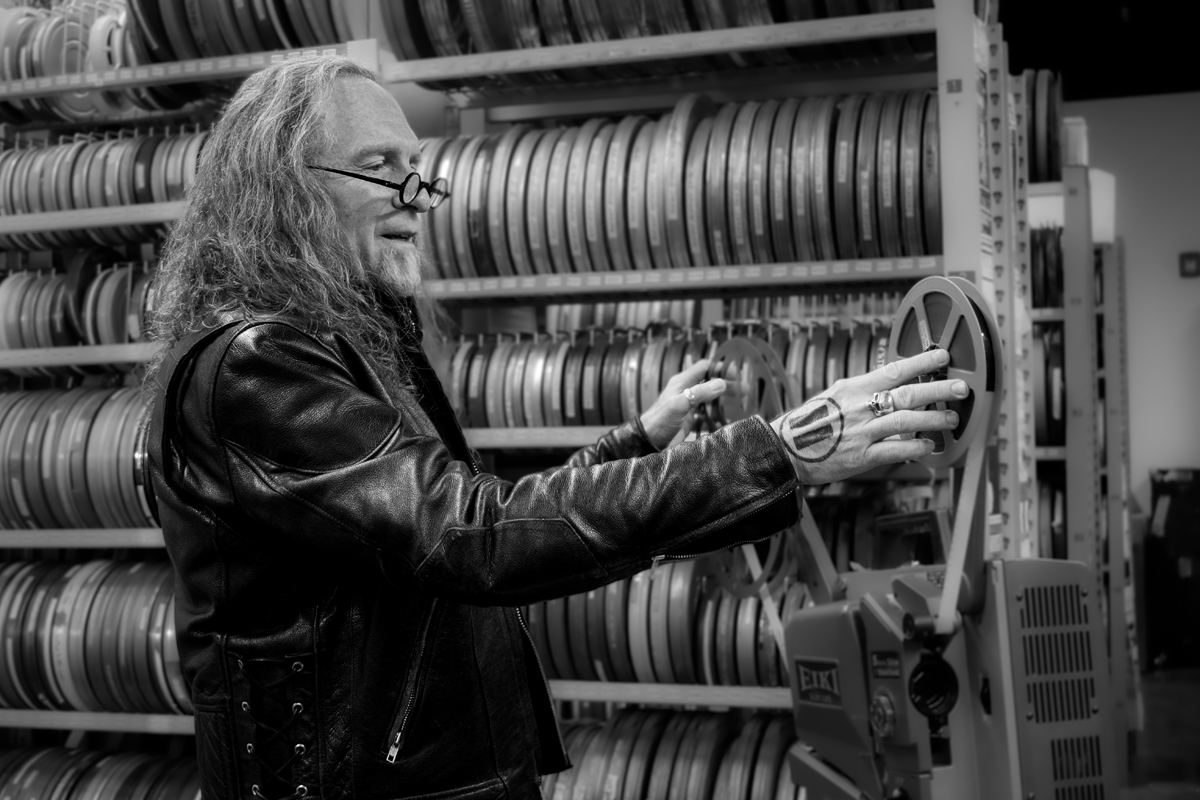
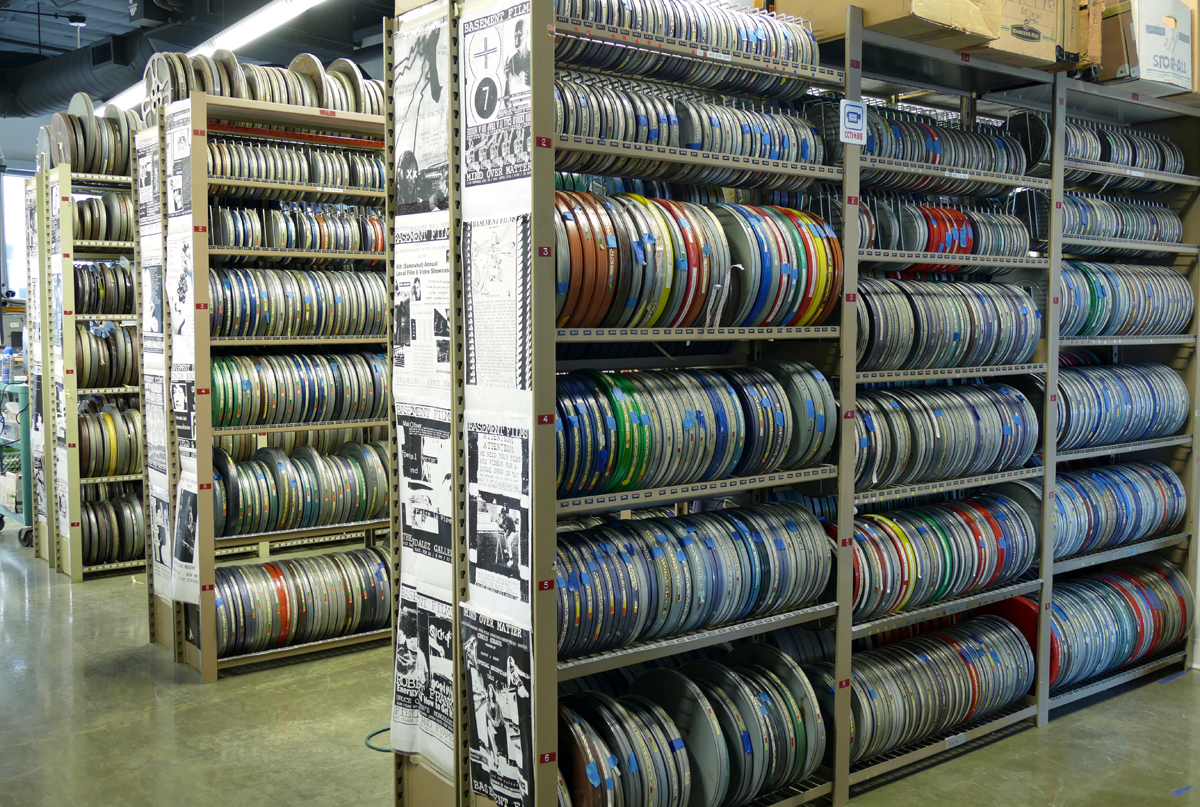
Basement Films maintains an archive of about 6,000 films that anyone can access, including what president Bryan Konefsky calls “ephemeral cinema” mostly produced from the 1950s to the ’70s. The archive houses recognizable content, like a Mel Brooks short from the ’70s and a print of Fritz Lang’s Metropolis (1927), but also reels of esoterica, like old training videos from Kirtland Air Force Base.
Konefsky, who joined Basement Films in the early ’90s shortly after its inception, says preserving the archive and maintaining the nonprofit’s slate of programming is only getting harder. Around 2024, funding cuts to the National Endowments for the Arts and Humanities hit Basement Films hard. Some offerings—like their artist-in-residence program, which has hosted ten filmmakers so far—are currently on hold. However, their annual festival is still going strong, and has maintained its connective spirit. Konefsky says the festival doesn’t give out best-of awards because, “it’s about creating a micro community for the week of the festival or event, and it’s about sharing the work.”
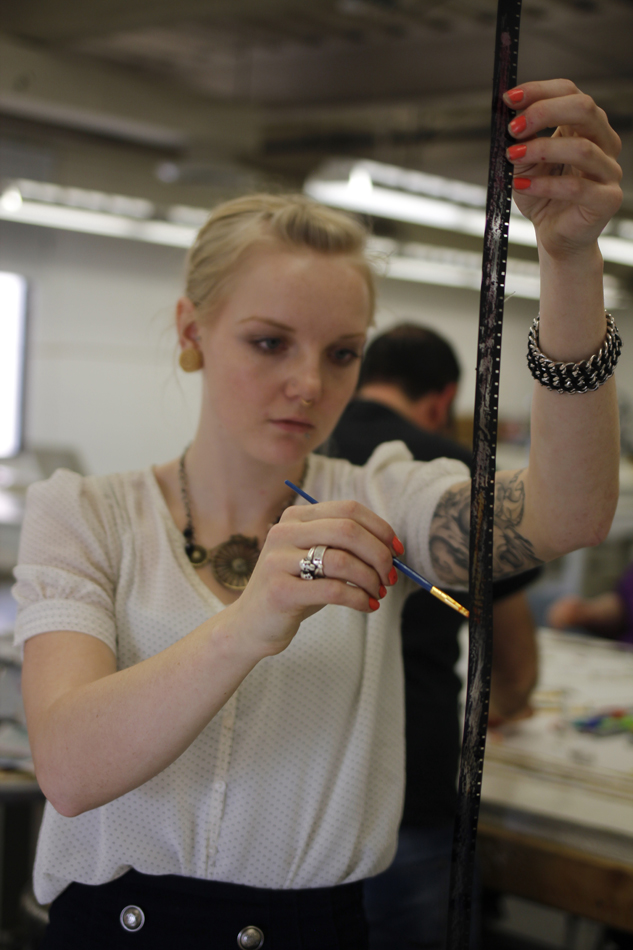
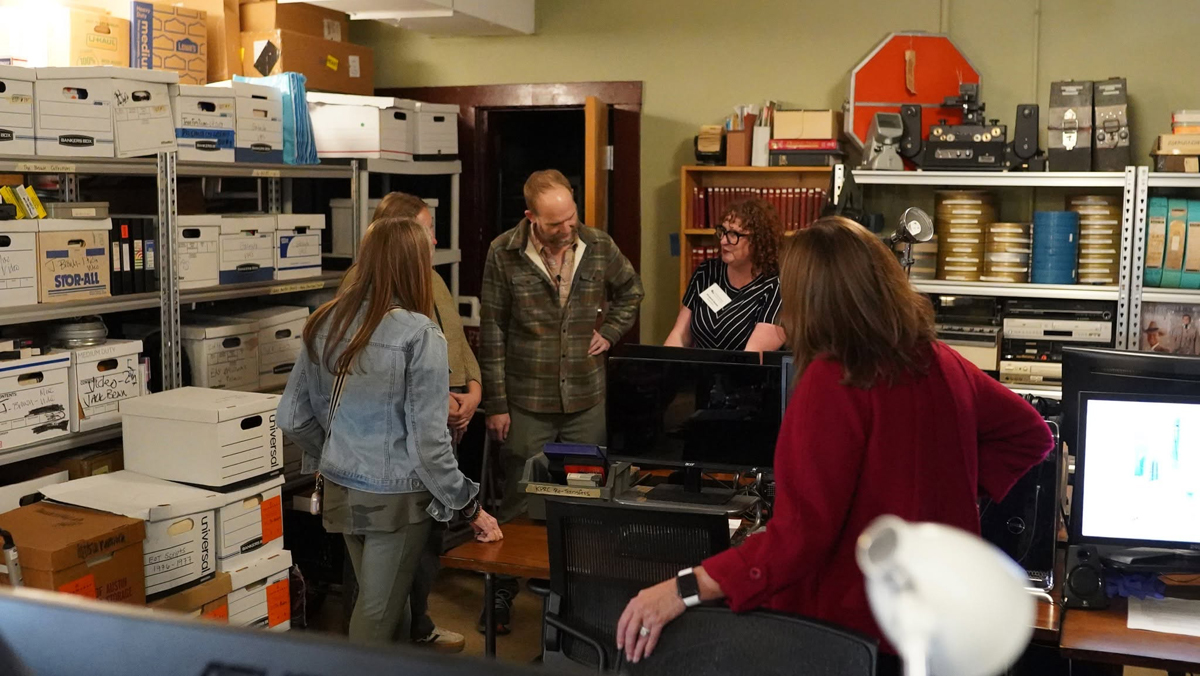
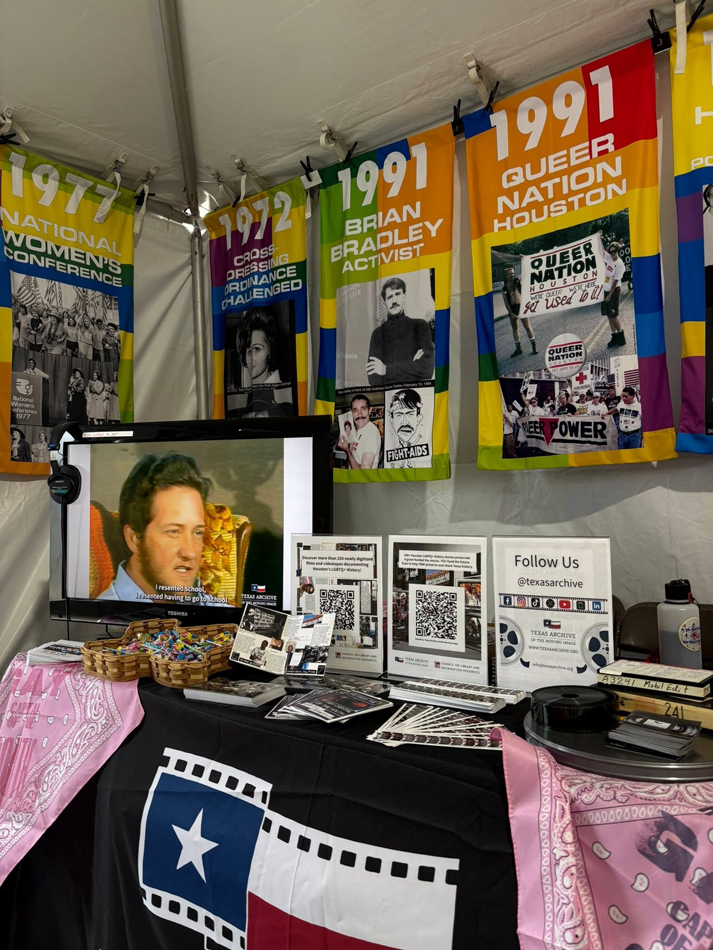
In Austin, the Texas Archive of the Moving Image is a compilation of Texas history. The nonprofit maintains a robust collection of television news footage, along with many homemade or amateur movies, including midcentury Texan family road trips to White Sands and footage of Taos circa 1931. The archive’s Texas Film Round-Up Program digitizes film and video pertaining to Texas for free, so long as they retain a copy, and offers paid digitization services for anyone. “When you think of traditional archives, you think of like, a reading room, but we actively try to get people to engage with our content, to meet them where we are,” says executive director Elizabeth Hansen.
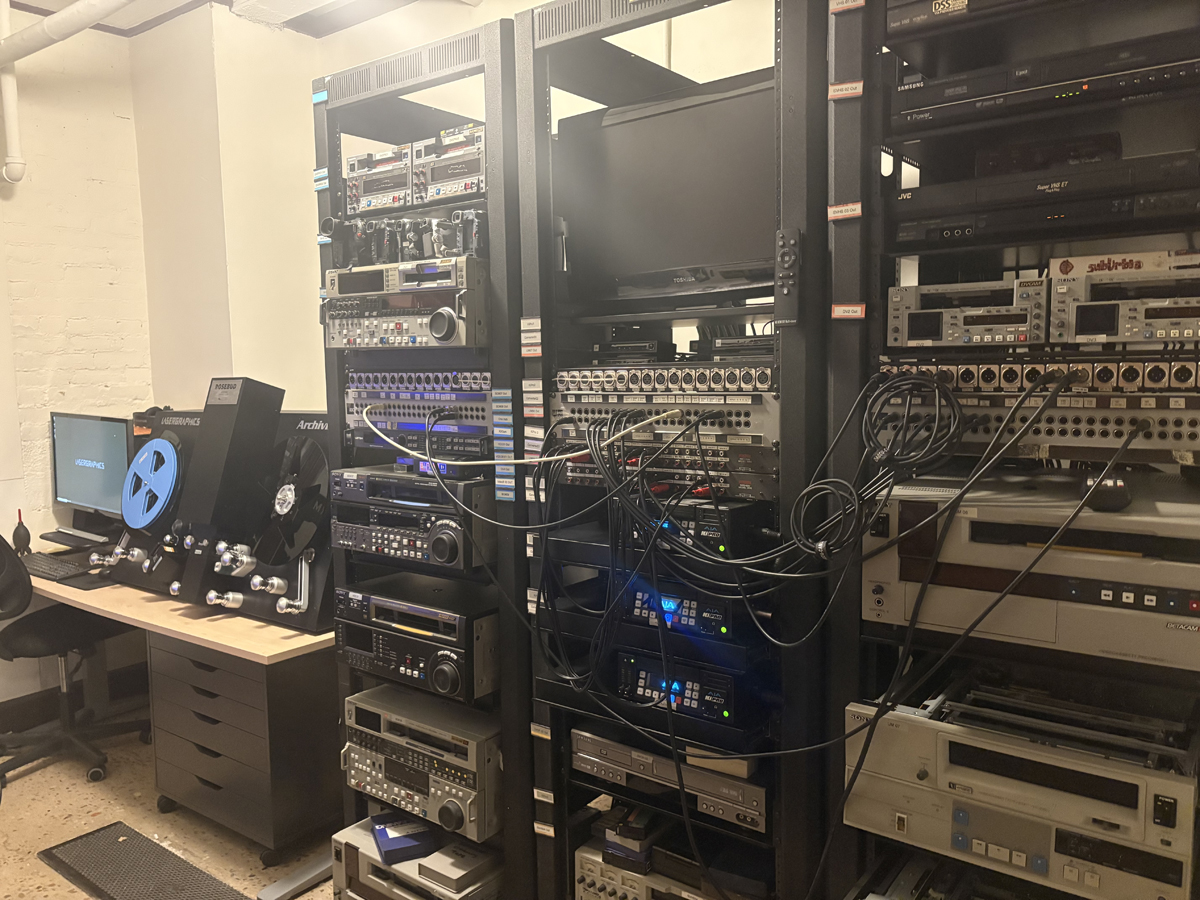
The Texas Archive has rotating in-person and digital exhibitions, and the website hosts thousands of clips online (there’s even a random video generator). They’re currently focused on digitizing their material on videotape, which doesn’t last: Hansen says newsreels from the ’70s and ’80s are beginning to degrade and the equipment to transfer them to digital formats is harder and harder to come by. Konefsky describes having to guard against a contagious chemical reaction called vinegar syndrome, which causes film to decompose, but in general, film’s shelf life is much longer than that of videotapes. Paper, Hansen notes, lasts a lot longer than either one. “These are important cultural documents,” she says. “Newspapers are primary sources, but that’s still a person watching or researching something and writing about it. This is what actually happened.”
These analog repositories guard more than just rarified specimens or relics… they embody a vital sense of now.
All three analog media organizations attest to the same reality: in 2026, nobody gets into independent filmmaking, maintaining an archive, or keeping the video store flame burning for the money. Harris, Konefsky, Hansen, and their ilk are committed because they’re knowledgeable and passionate, because they grasp the wealth of what’s at stake. As federal support dwindles, Basement Films increasingly depends on other sources of funding like memberships and donations, while the Texas Archive largely relies on foundation and nonprofit grants and state agency partnerships.
At Video Library, Harris maintains a GoFundMe to help keep it afloat. She’s also the subject of a documentary by some Los Angeles–based filmmakers, which she hopes will galvanize current supporters and attract new ones. She’d consider selling the business, but only to someone who really loves movies.
Because it’s the last of its once-ubiquitous kind, Video Library attracts tourists with something of the morbid fascination once reserved for Martha, the passenger pigeon who lived at the Cincinnati Zoo until her death in 1914. But these analog repositories guard more than just rarified specimens or relics. The effort and passion it takes to preserve them means they embody a vital sense of now, connecting patrons with older media that is worth viewing, considering, and sharing. The video store and the archive hold keys to understanding the dynamic relationship we can cultivate with our material past, if only we take the time to watch.