Curator Edgar Picazo Merino introduces Sutura, a fall art experience in El Paso and Ciudad Juárez that aims to stitch up a bloody borderlands metaphor.
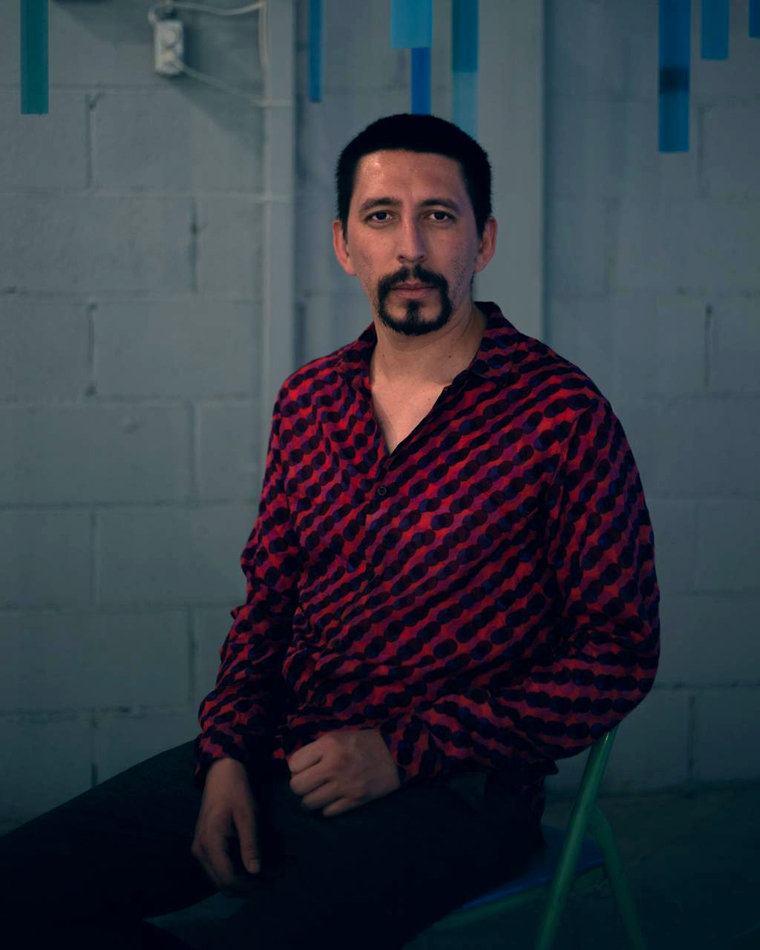
Curator, artist, and cultural worker Edgar Picazo Merino is over a certain Gloria Anzaldúa metaphor about the U.S.-Mexico borderlands—or at least how it’s constantly rehashed. In 1987, the late Chicana scholar famously wrote about the border as a “1,950-mile-long open wound,” where the pooled “lifeblood” of two nations forms a third country. The evocative image has become such reflexive shorthand for a subtle and mercurial situation that Picazo Merino, a dual citizen who operates between El Paso, Texas, and Ciudad Juárez, Chihuahua, Mexico, believes it has lost its power.
And so, through a border-spanning fall event series called Sutura—“suture” in Spanish—lead organizer Picazo Merino and an enormous group of collaborators aim to reveal a complex web of contemporary dynamics along and over the line. The “binational art encounter” criss-crosses El Paso and Ciudad Juárez, forming loops that echo the movements of the artists and arts workers of the sister cities. Running November 18 to 22, Sutura will showcase over 100 artists and more than twenty cultural organizations.
Criss-crossing El Paso and Ciudad Juárez… Sutura is a daring attempt at a generational update to borderlands aesthetics.
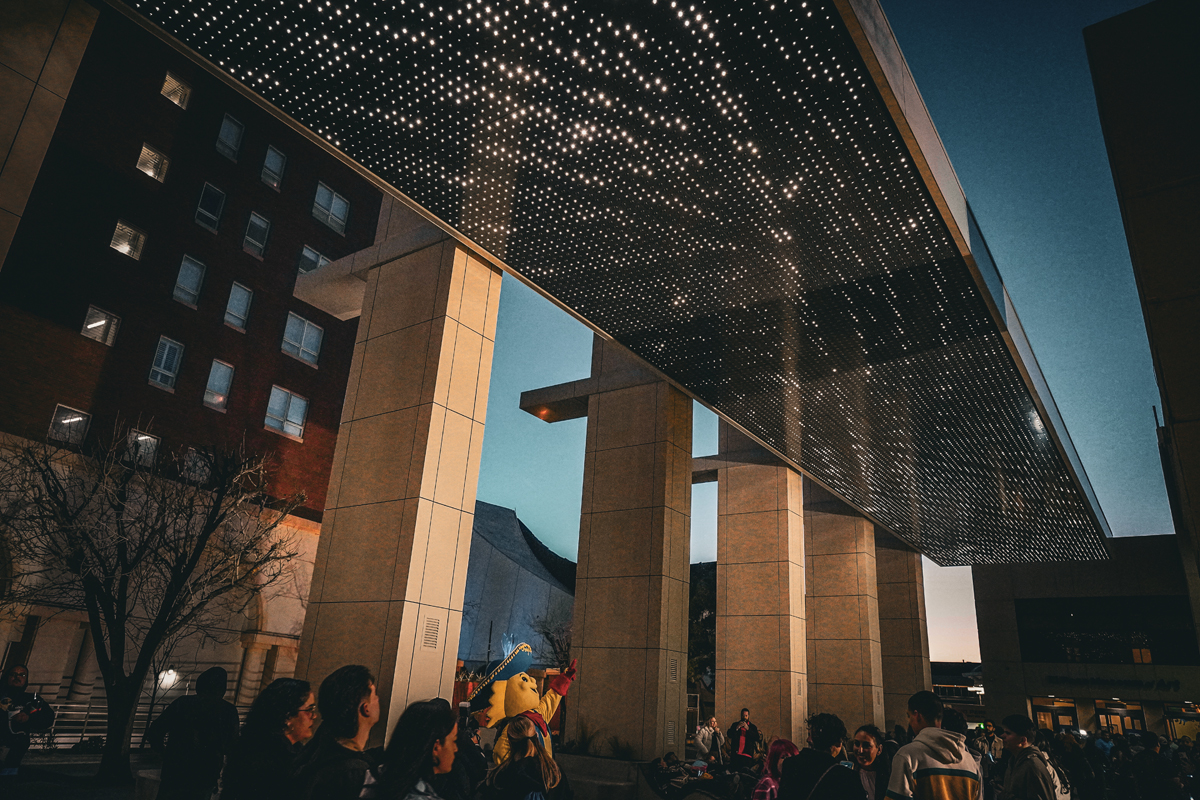
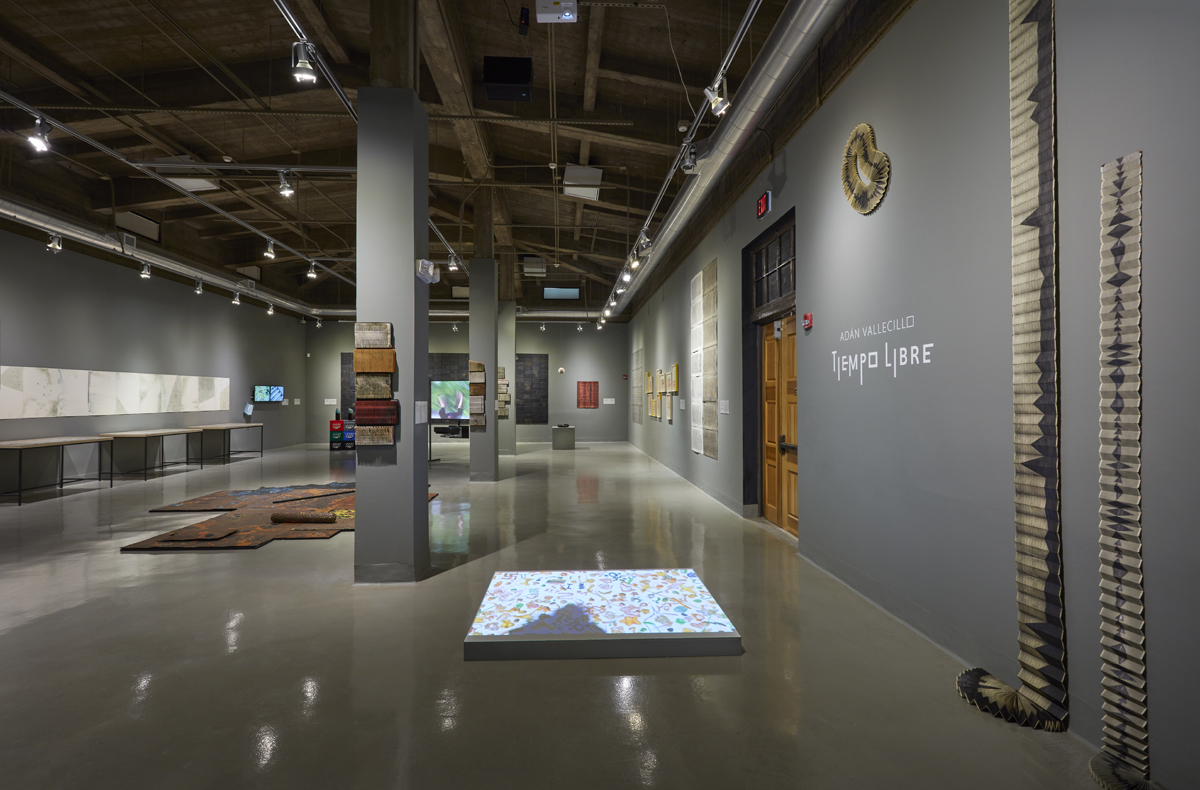
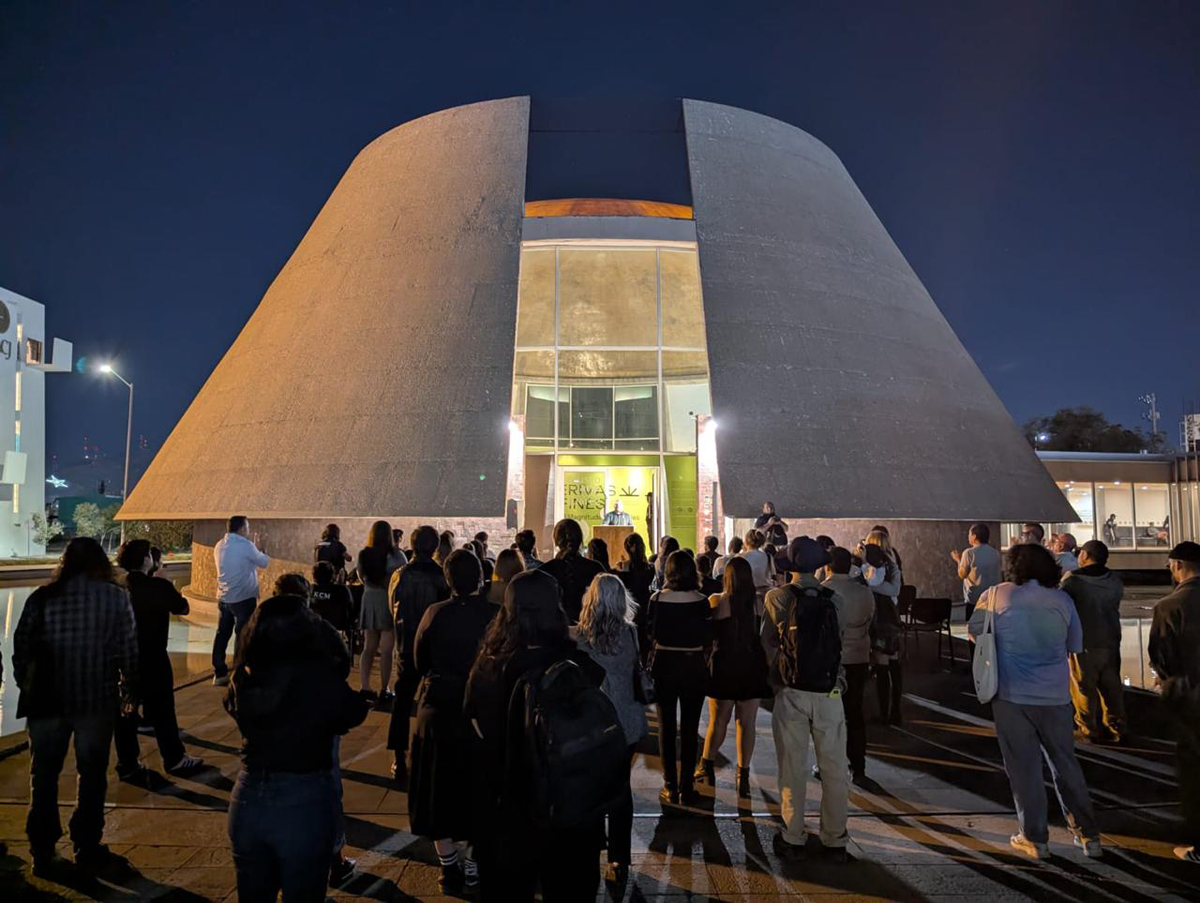
A dual tentpole of the experience is this year’s Border Biennial, which spans the El Paso Museum of Art and the Museo de Arte de Ciudad Juárez. But Sutura will also activate galleries, cultural centers, and DIY spaces, including Picazo Merino’s nonprofit project space Azul Arena in Juárez, where he’s curating the group show En la línea. Other highlights include Costuras Territoriales, a fiber art exhibition of five contemporary women artists at El Paso’s Rubin Center for the Visual Arts, and six to-be-selected DIY satellite projects—split between the cities—for which artists will receive $3,000 production grants.
Picazo Merino and I spoke last week, ahead of today’s official announcement of Sutura, about a micro-regional ethic that could rethread a larger discourse, one collective stitch at a time. In its title and framework, Sutura reckons with Anzaldúa’s “herida abierta” concept—and trickle-down interpretations of it, often offered from a distance—nearly forty years after its conception. It’s a daring attempt at a generational update to borderlands aesthetics, rooted in the experiences of people who live here.
Gloria Anzaldúa’s image of the border as an “open wound” has shaped borderlands discourse for decades. You posit that its constant repetition can flatten the complexity of contemporary life here. How did that critique lead you to the idea of Sutura?
Anzaldúa talks about the first world and the third world coming together and grinding into each other, and the blood that comes out creates this third culture, which is the Chicana culture. That gets brought up in all the writing about border arts. I was copy editing a series of border arts essays that were coming out of US Latinx Art Forum, and every time there was a border artist, or an artist talking about the border, Anzaldúa came up.
It’s reductive in a way, right? You start thinking of a place in this very particular sense, and if that’s the theoretical framework, then everything gets built around it in the artistic practices on the border. It’s a big problem. For Sutura, we started thinking, okay, well, if the border is a wound, then what’s the next step? You repair a wound, or you try to mend it. The artistic practices that happen here at the border are very relational. We understand our practices here as trying to mend the border all the time, and it’s not a perfect suture. Sometimes it’s nasty, and it breaks and bleeds, but you try again.
That wound, in my opinion, is the fact that we’ve learned to see each other as an enemy. In order to heal that wound of the other as enemy, we have to create moments of encounter all the time, and moments of shared experiences. Even if it’s difficult conversations, even if you don’t agree, that’s the whole thing behind Sutura. We don’t want to call it an art week. It’s an encounter.
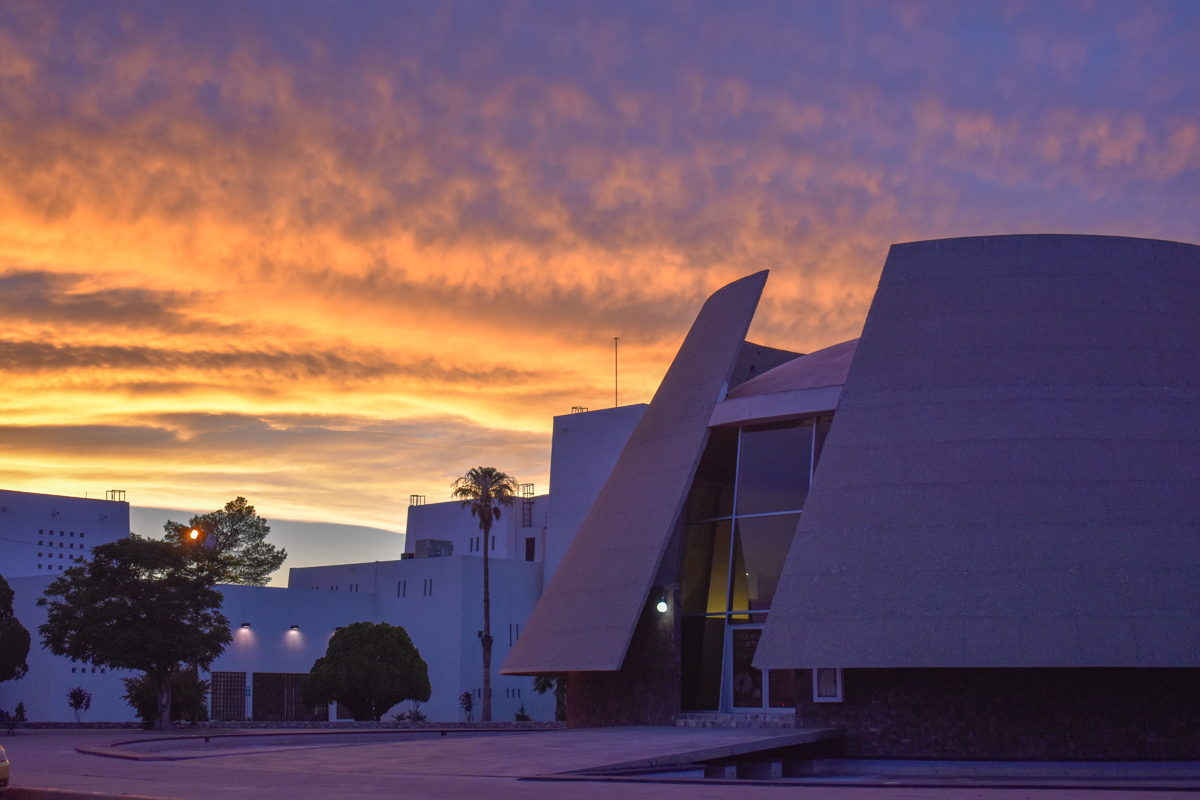
That idea of necessary collision or friction runs through your own artwork. In your 2022 solo exhibition Pasaportes Perdidos at the Rubin Center, you drew on everyday forms of “contraband” that sustain life between El Paso and Juárez. What were you trying to express about border identity through that work?
My whole practice has been around understanding the dynamics that happen here at the border. What I was thinking at that moment was how my binationalism put me in a very particular spot; I felt like I was always breaking the rules or bending them enough to be useful for me.
I had a U.S. passport, and then I lost it. I didn’t get a passport again for eight years, so I would just cross without one. Agents would say, “Where’s your passport?” I’d say, “Oh, I don’t need a passport to pass. You know, it’s my legal right to be able to come.” That got me thinking about how the border is a place where there’s two sets of laws, one in Mexico and one in the U.S. I started thinking about these little moments where the rules get bent and broken in this dual and binational life, and that’s why Pasaportes Perdidos came around.
The research ended up being more about “contraband,” not necessarily on the large scale, like guns and drugs, but more on a social level. In a place like the border we have to bend the rules to be able to make a living. That’s why I think of contraband as a human right. You have the human right to go against the rules if you need to survive and if you need to have a better life.
Sutura grew partly from your experience with art fairs and art weeks in Mexican metropolises, but El Paso and Juárez have very different resources and rhythms. How did the project change once you began building it with collaborators from both cities?
My nonprofit Azul Arena got accepted to a program called Material Projects [from 2023-25], which is part of the Material Art Fair in Mexico City and Guadalajara. I experienced what happens when a community gets activated through a week of exhibitions, parties, performances, food, music. There’s huge cultural activation that happens around these art weeks.
I started thinking what something similar to an art week could look like in Juárez and El Paso. We lack the infrastructure [of those larger cities], so in order to make it happen at a good level where it felt big enough and powerful enough, I had to start bringing in many voices. I initially invited the directors and curators of ten spaces, institutional and independent, both in Juárez and El Paso. We grabbed some things from these other experiences that happen [in the art world], but we reframed them and rethought them, and made them pertinent to what’s happening here at a local level.
The border is a place of important visual artistic production, which is a source of knowledge. We’re not just a place to be studied, but a place that can produce our own knowledge about our lived experiences.
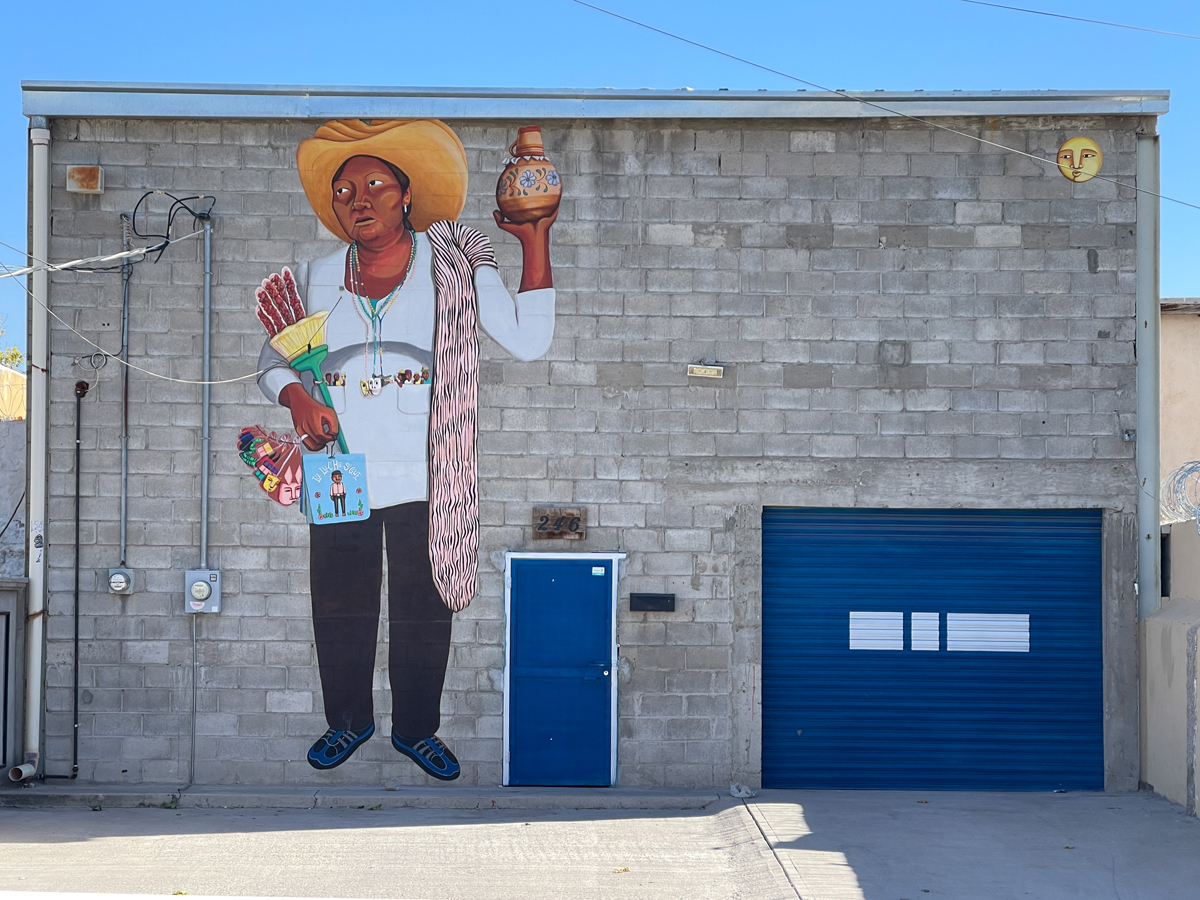
The program spans five days, two cities, major museums, independent spaces, performances, concerts, and pop-up projects. How have you organized Sutura so that visitors can understand the relationships bolstering it?
The main programming was built for people joining us from out of town who won’t have a car, and they want to take everything in. For example, it starts on Wednesday night at Museo de Arte de Ciudad Juárez, but there’s a cultural center right across the street, so there will be three different shows to see in that area. You’re there, you party, you eat, you go to these three shows, you hang out. It’s a really heavy amount of programming, but it’s thought of in sections.
We’re building a system where people can come together and be in conversation. Of course we have in mind that it [will] be easier for people to come from El Paso to Juárez than Juárez to El Paso because of visa issues. But then there are other things that are just as powerful as not having a visa, like the [American] fear of going to Juárez. We’re activating both sides through the whole week, even when the main programming is happening on the other side. So it’s not like you’re left out if you can’t cross to the other side.
Sutura is an argument for the value of local arts ecosystems at a moment when arts funding is imperiled. What does the project reveal about the financial pressures facing independent cultural spaces along the border?
Here at the border, there seem to be so many other emergencies all the time that people think that the arts is not an emergency in that sense. It’s not only funding or money or resources, but also attention span. They allocate their resources—mental resources, emotional resources, financial resources—to other things.
That’s one of the reasons why we’re doing Sutura. As a community, we’ve been getting a lot of money from the Mellon Foundation for the past four years now. Seventy to eighty percent of Azul Arena’s budget comes from the Mellon. At a very fundamental level, it’s about survival.
One of the guiding forces for Sutura was to create a program big enough, noisy enough, that local people start recognizing what’s going on here, and understand the power that the arts have to help a community heal. And to offer opportunities for local talent so they don’t have to leave.
Editor’s note 07/28/26: Picazo Merino’s last answer was revised to specify that Mellon Foundation support accounts for 70 to 80 percent of Azul Arena’s current budget. The Mellon Foundation is one of the lead sponsors of Sutura.