Lucy R. Lippard: Notes from the Radical Whirlwind traces the sixty-year career of one of the most humane and lucid arts writers of a generation.
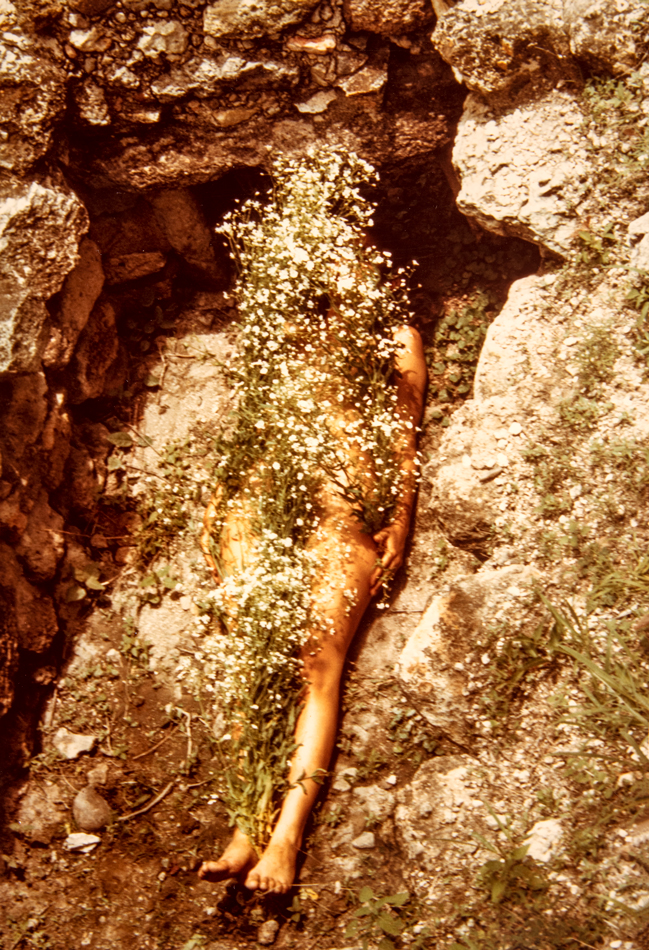
Lucy R. Lippard: Notes from the Radical Whirlwind
October 24, 2025–August 9, 2026
New Mexico Museum of Art Vladem Contemporary, Santa Fe
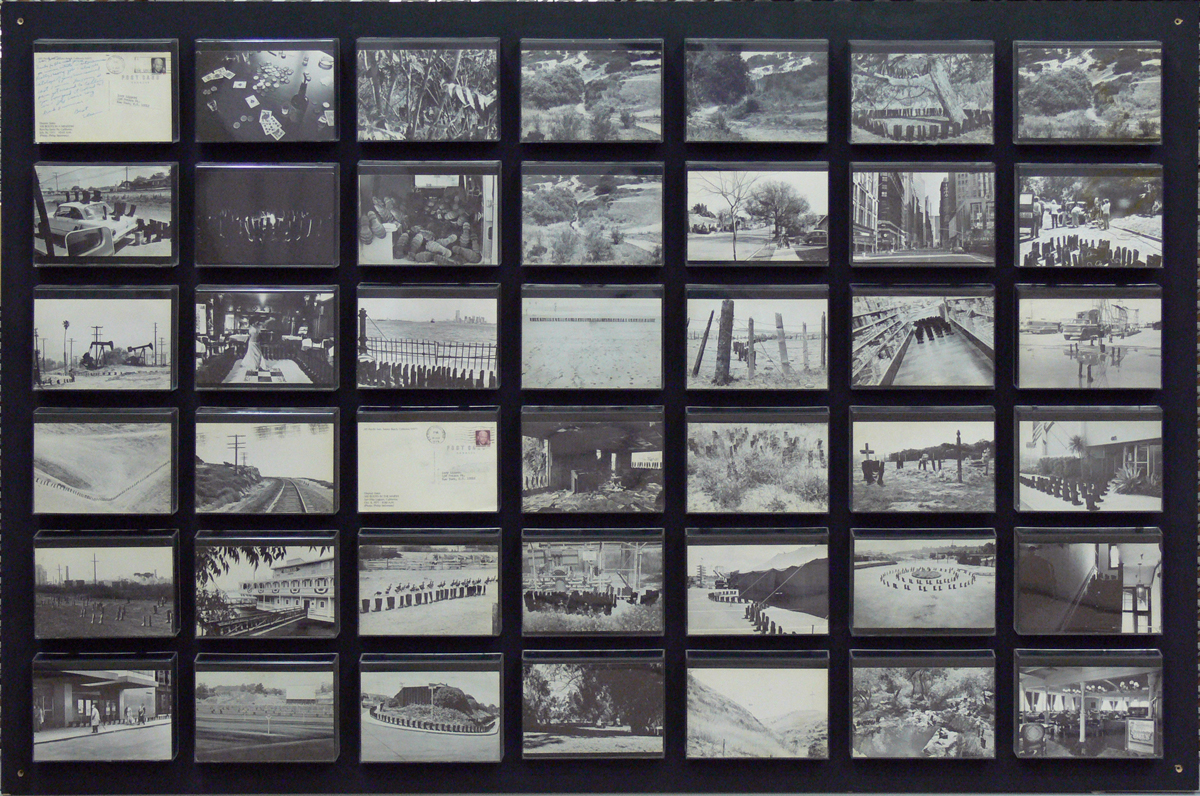
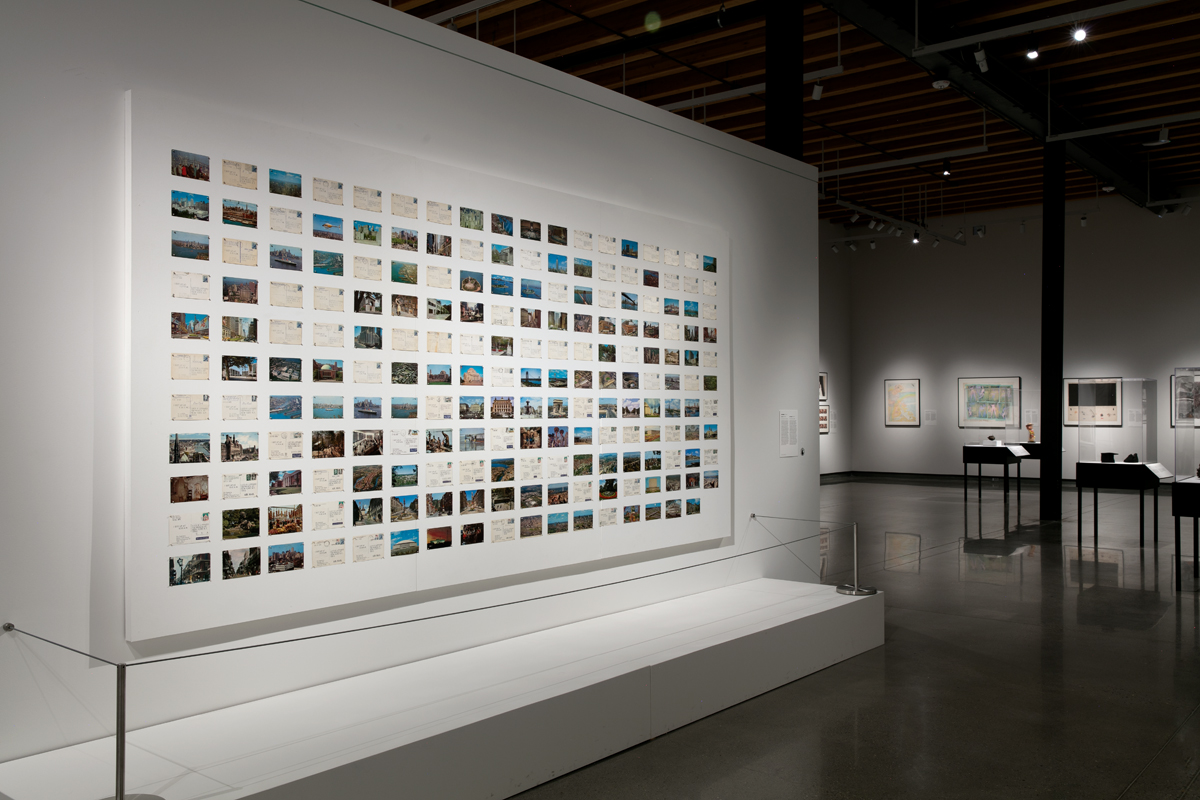
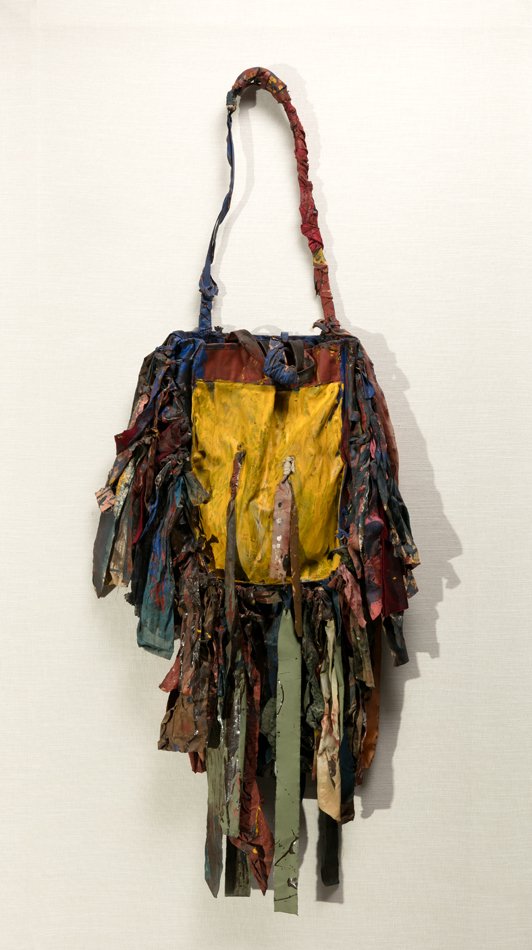
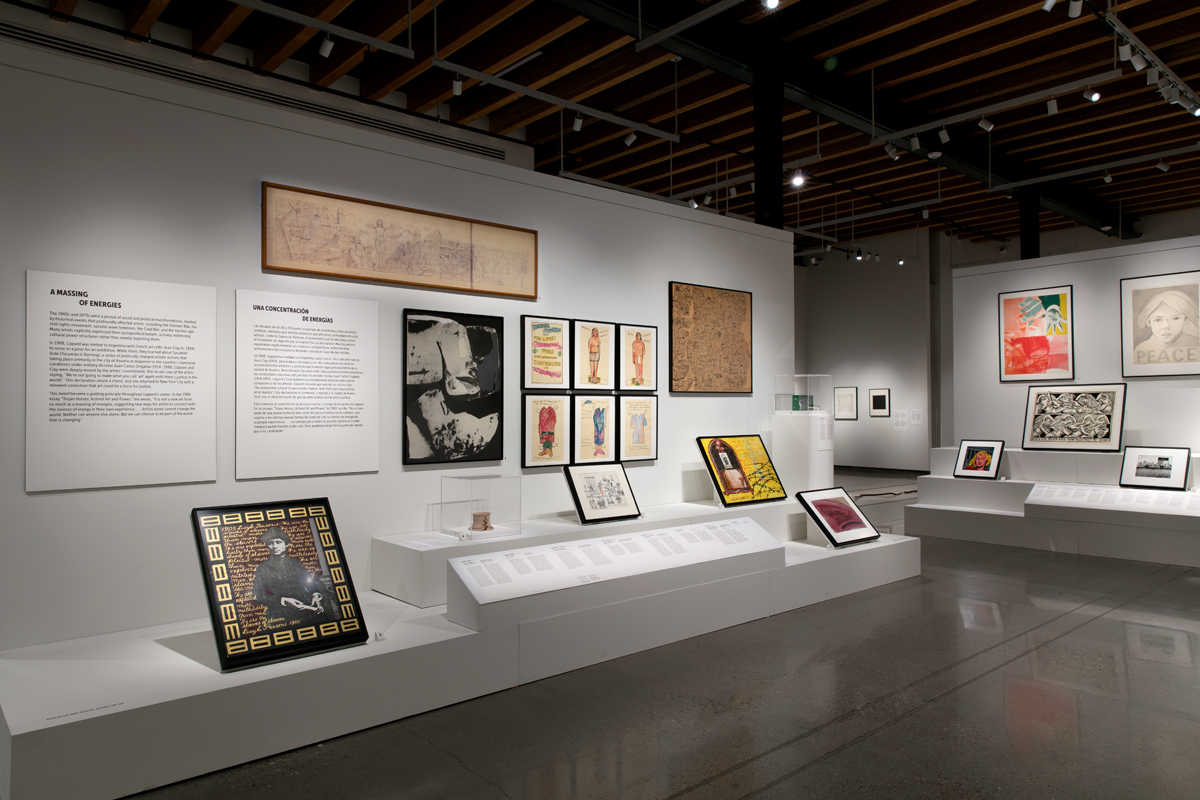
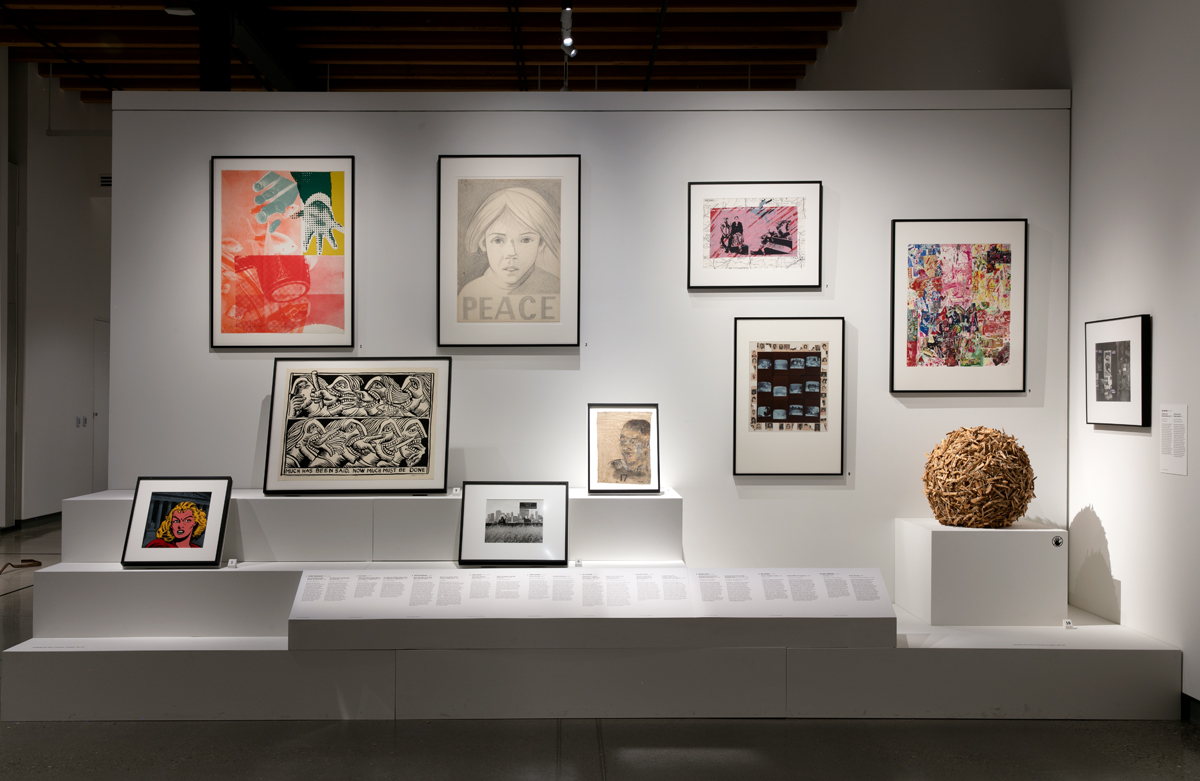
To walk through Lucy R. Lippard: Notes from the Radical Whirlwind at the Vladem Contemporary is to see, in the artworks and ephemera she collected, the chronological strata of over sixty years of evolution from a deeply lucid and humane mind in the contemporary arts writing world.
The start of the exhibition follows Lippard’s New York postgrad years with the early Conceptual and Minimalist artists of the ’60s. These artworks are, well, experimental—I see in this era artists excitedly toying with new techniques and methods of production, such as industrial fabrication and the outsourcing of artistic expression to regimented processes that seem to, frankly, foreshadow our present-day anxieties about AI-produced art.
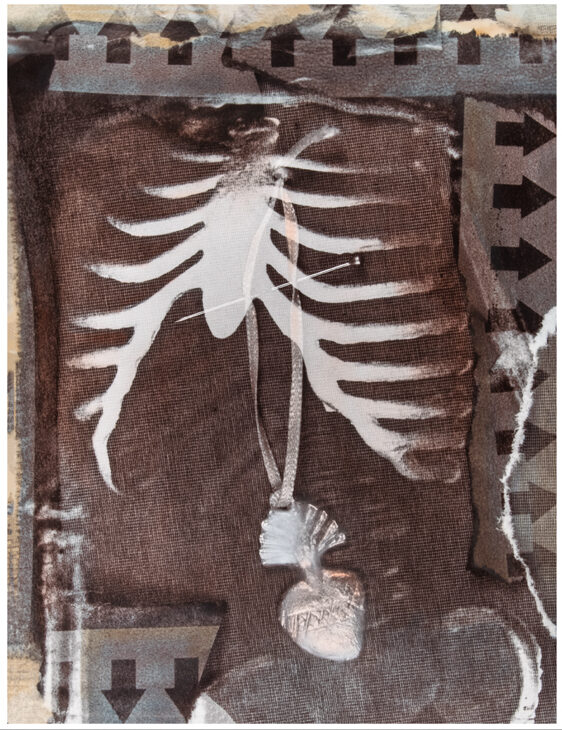
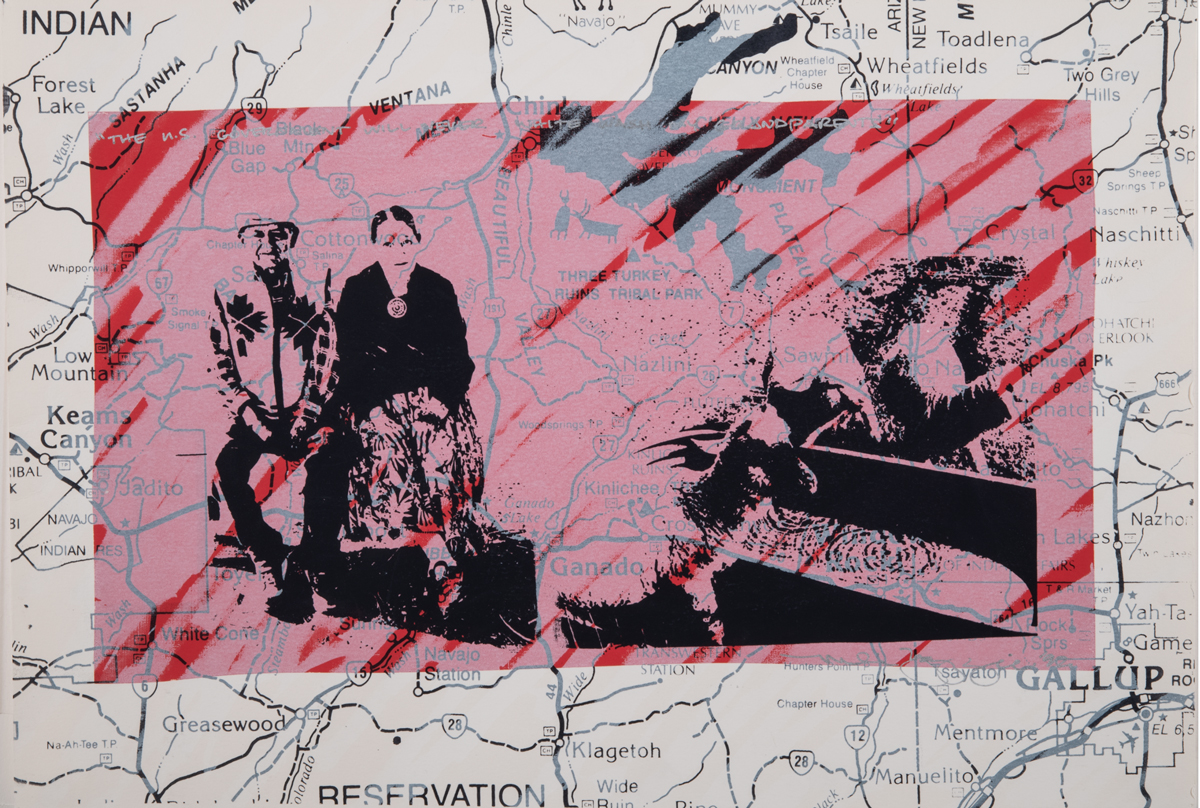
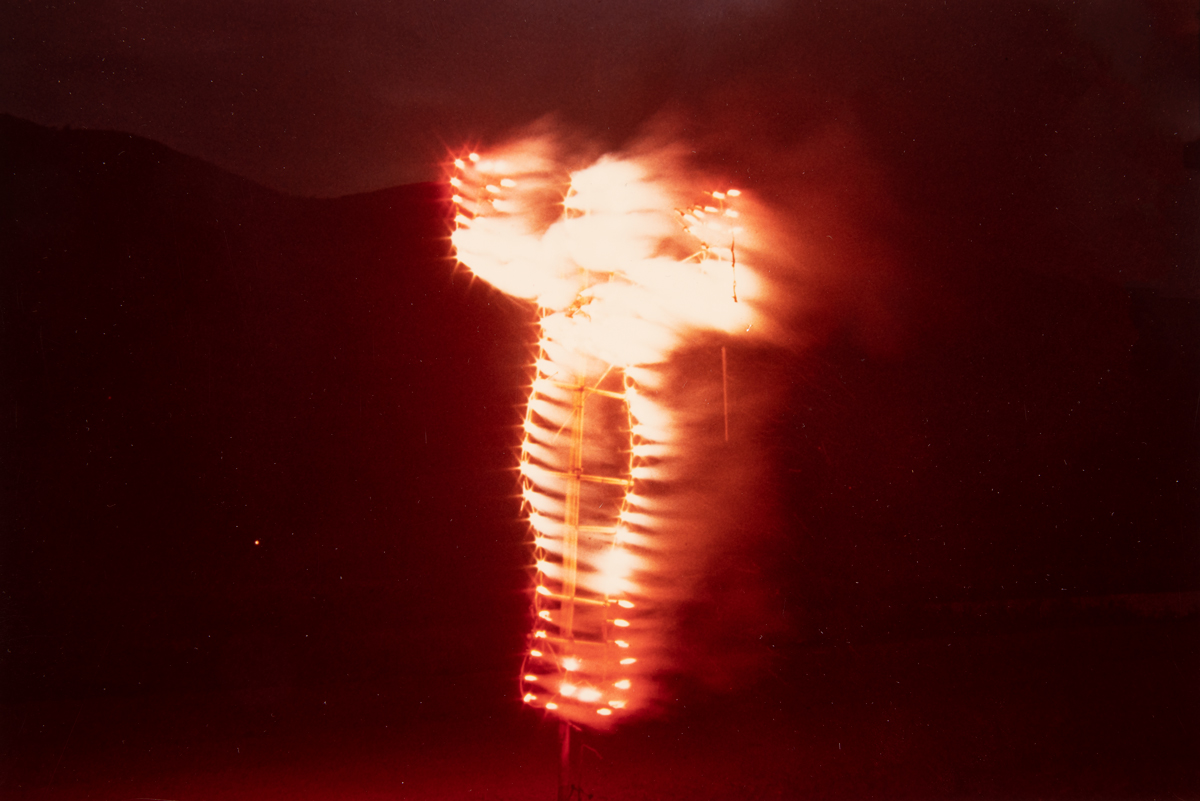
Lippard turned to feminist and political art in the ’70s, during which she also made her most lasting connections, with artists like Ana Mendieta and Harmony Hammond. Feminist art of this era gets unfairly maligned as being didactic and overdetermined, but I think that generalization does a disservice to the more complex works of the genre—there is humor here, and conceptual strength, and a grounding in artistic tradition. Ana Mendieta’s Siluetas photo series uses (mostly her own) nude female form to respond to the male-dominated world of Land Art that was then the fascination of (largely urban) artists and audiences. “If you’re going to insist on flexing the tired ‘man vs. nature’ dichotomy,” Mendieta seems to be saying, “then I’m going to hang a lampshade on it.”
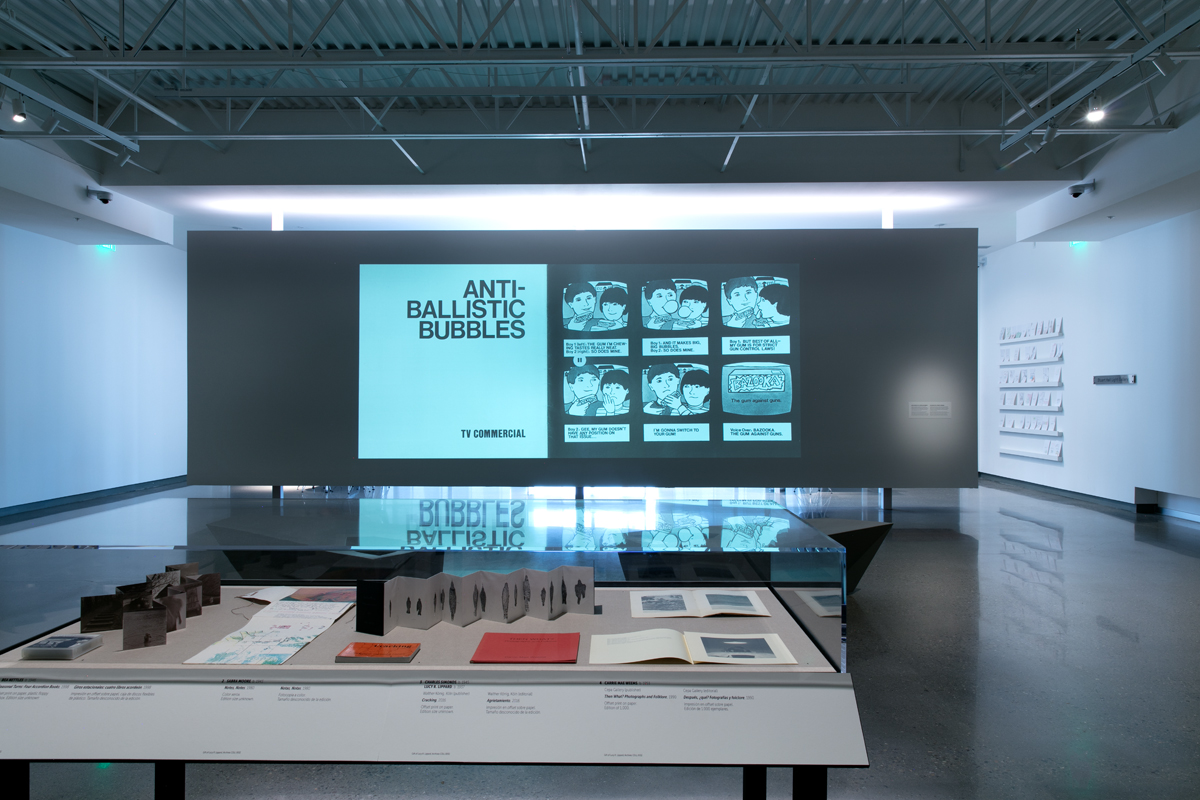
The back half of the exhibition, in the upstairs gallery, collects the printed works of Lippard and her cohort from the ’80s and on, for whom the democratizing potential of the zine and the artist book was a rich vein for creative and political expression. Erika Rothenberg’s comic zine Morally Superior Products – A New Idea for Advertising (1983) is a fun and prescient dig at corporations virtue-signaling their way into neoliberal profits. The displayed posters and playbills of Lippard’s many past lectures, events, and curated shows are examples of what she herself calls “social energies not yet recognized as art”—energies that, if we’re lucky, will carry contemporary artists into even more new ideas and forms in the future.