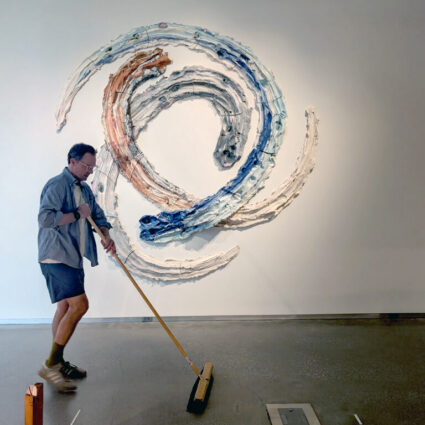
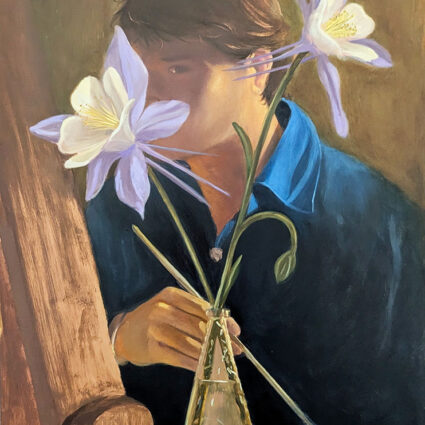
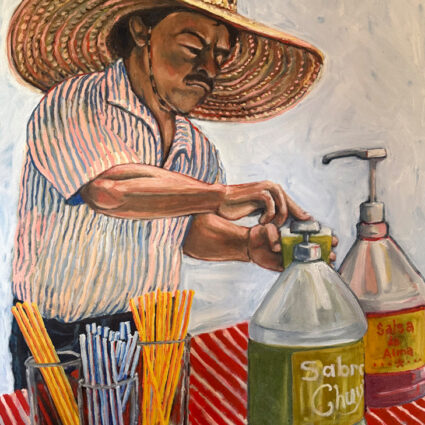
Curator Peter Hay’s 2016 trip to Mexico City sparked a romance with choreographer Stephanie García—and led them to launch ProArtes México, a binational web of art programs.
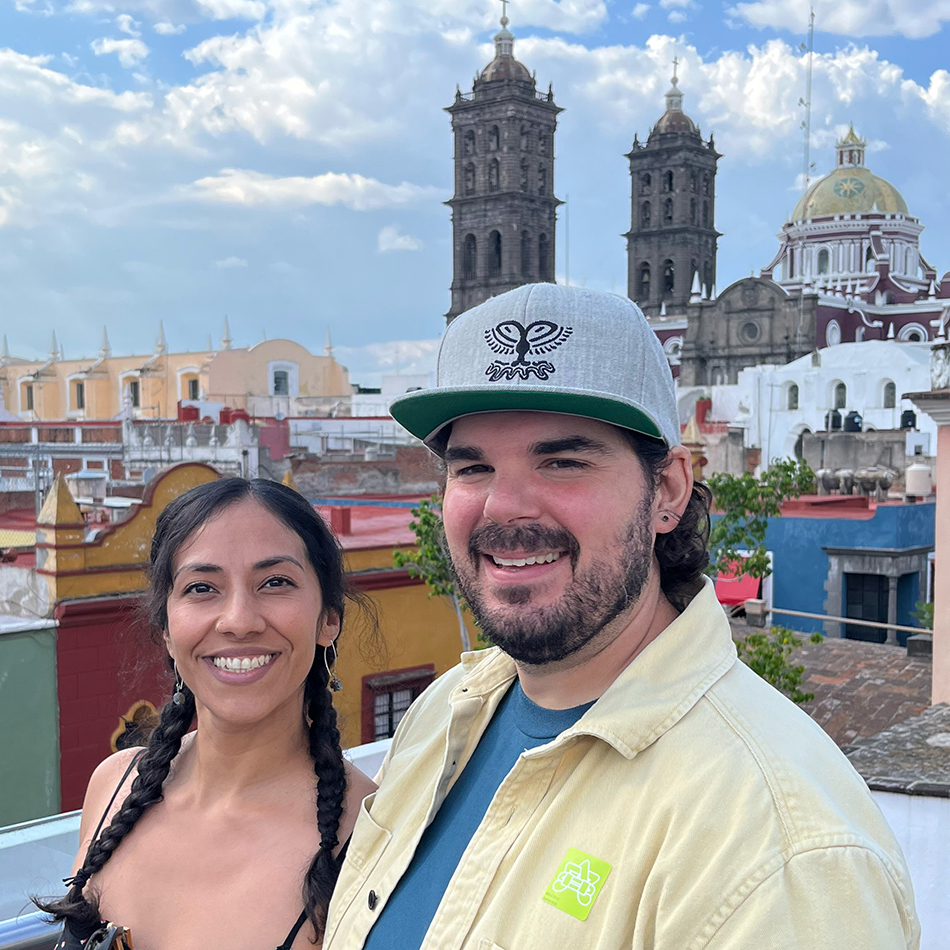
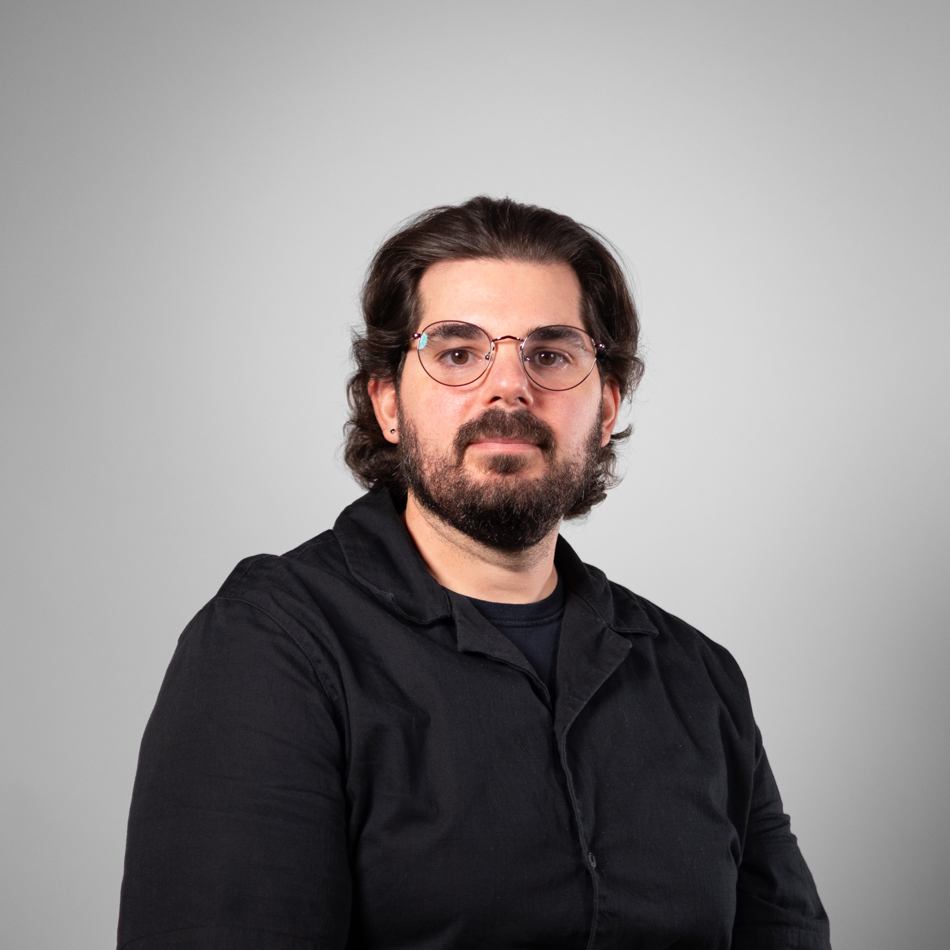
SALT LAKE CITY—In 2016, the Mexican government invited Peter Hay to attend the VIII Encuentro de las Artes Escénicas (Enartes), an international performing arts gathering. The Salt Lake City–based cultural programmer and curator had never been to Mexico, and the only person he knew there was Stephanie García, a Mexico City–based arts administrator and contemporary dancer whom he had first encountered through Living Arts of Tulsa’s international programming.
García helped him understand the significance of the invitation. The Mexican government had surveyed Mexican artists who perform abroad and the presenters who program them, then invited those presenters to Mexico to discover new work.
The experience profoundly shifted Hay’s understanding of the Americas. “There’s so much we’re not taught about the history of the Americas,” Hay reflects in our conversation. “The profundity of the people and cultures, and the complexity of all of that, is so minimized for so many people who simply go through the public education system in this country.” Mexico City would reshape his approach to place, cultural exchange, and curatorial work, leading him to co-found the binational nonprofit ProArtes México with García.
Hay began asking what a genuinely reciprocal model [of international collaboration] might look like.
Hay grew up on the East Coast and later in Oklahoma, where Indigenous people had been displaced from their ancestral homelands. This history came to mind during his early visits to Mexico City. “I began thinking not only about our impact on the earth, but about the ways human beings have also been devalued, exploited, and treated as expendable, much like natural resources,” Hay recalls.
He also recognized an inequity in international cultural exchange. Mexican artists were not regularly invited to perform or exhibit in the United States, because presenters often could not provide the necessary financial and logistical support due to economic, language, and geopolitical barriers. Hay began asking what a genuinely reciprocal model might look like, one in which artists were intentionally engaged as equal partners in addition to being cultural representatives.
That question became the foundation of ProArtes México, the organization Hay co-founded with García in 2018. Their earliest ideas lived in a shared Google folder called “Coyotes de Arte,” a reference to the people and networks that move goods and people across the U.S.–Mexico border. The name captured their emerging philosophy that cultural exchange could represent connection and mutual support rather than a one-way transaction.
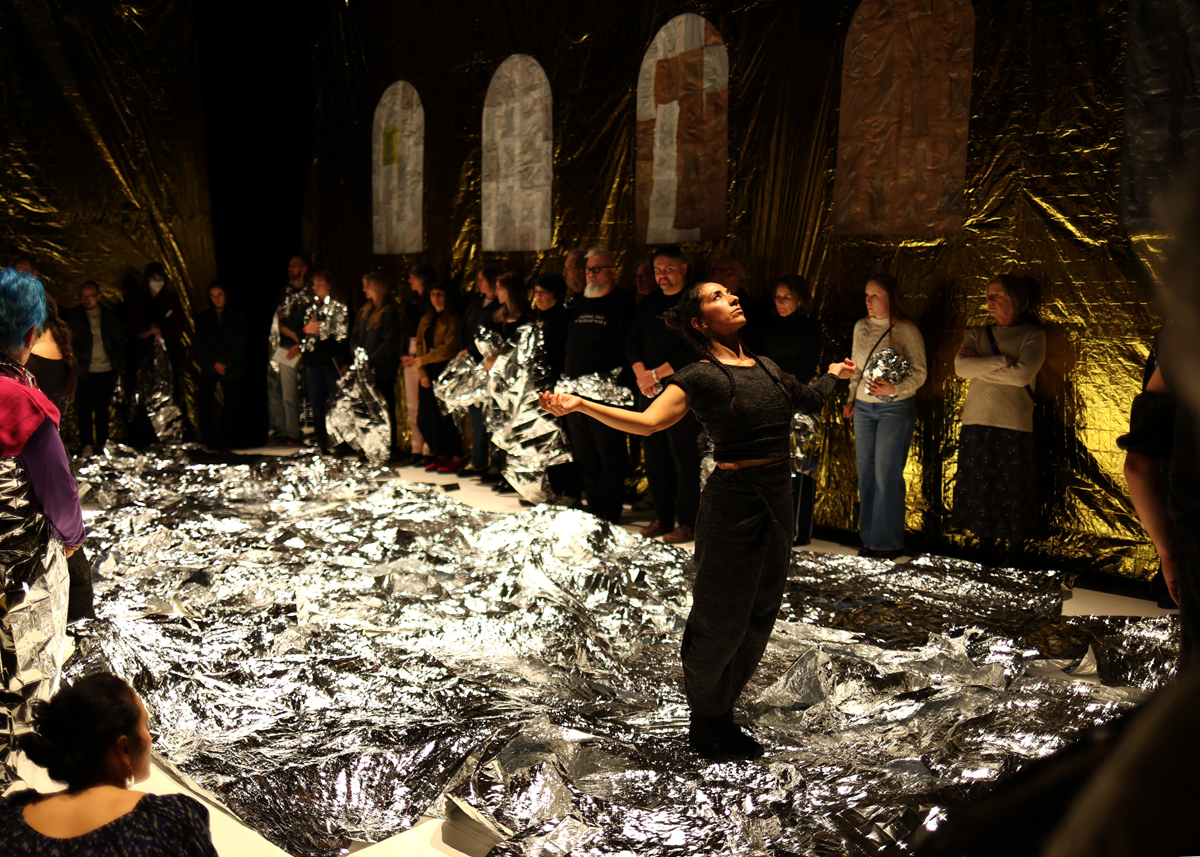
Hay and García’s partnership became both professional and personal. “A big part of it, I have to say, is love,” Hay says. “Stephanie and I kind of fell in love during those early years too, and that helps, right?” The couple relocated to Salt Lake City while García pursued her MFA at the University of Utah. She later received a 2025 Guggenheim Fellowship in choreography. Together, they have grown ProArtes México into a platform connecting artists, curators, writers, and institutions across Mexico and the United States.
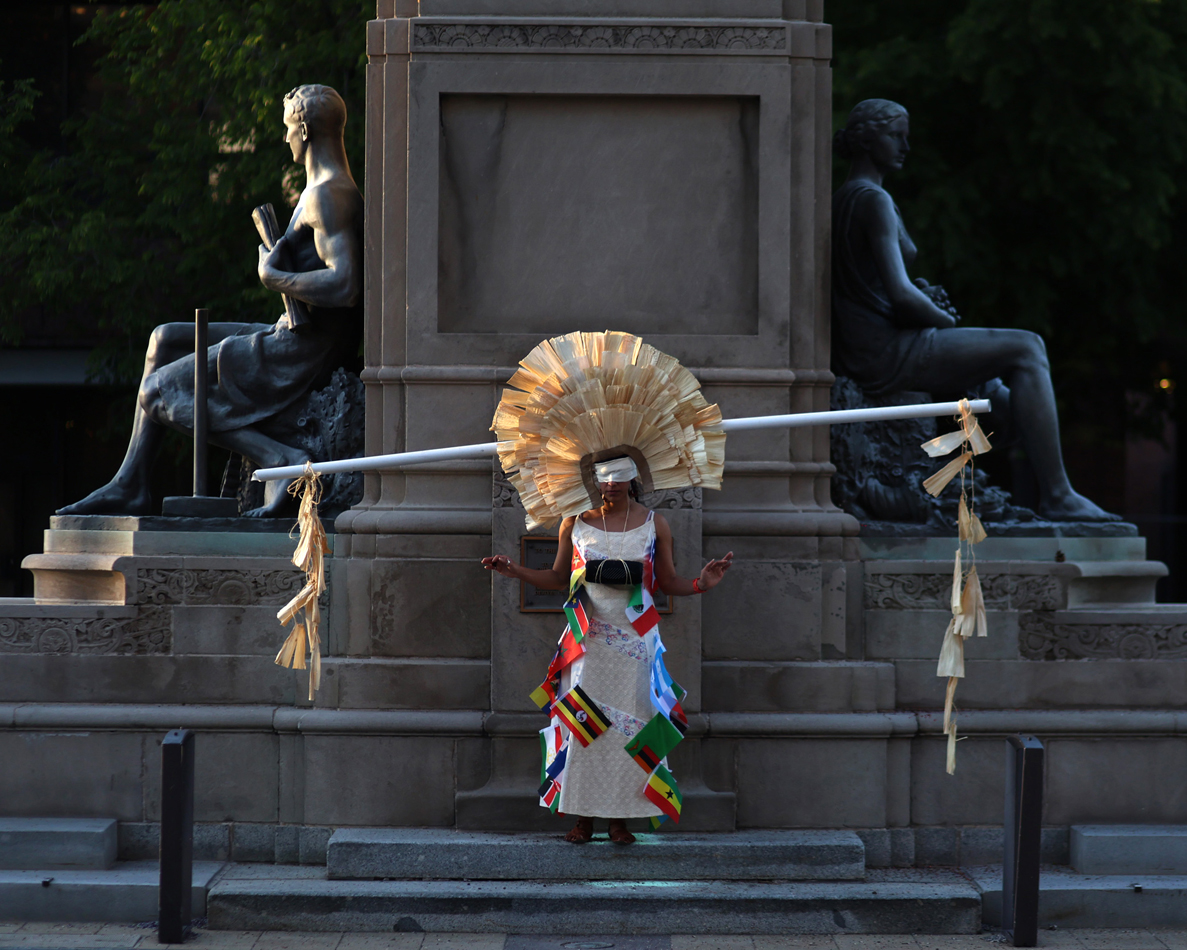
When COVID-19 halted international travel, Hay and García responded with bilingual podcasts, virtual exhibitions, artist interviews, and online dance festivals. Those programs informed the bilingual publication Aquí y Allá: Conversaciones con Creadores. Their 2025 exhibitions continued this cross-border dialogue, including (Im)possibilidades: Performance Art for Video at Ogden Contemporary Arts, and Coyotek at the El Paso Museum of Art, featuring Salt Lake City–based artist Jorge Rojas.
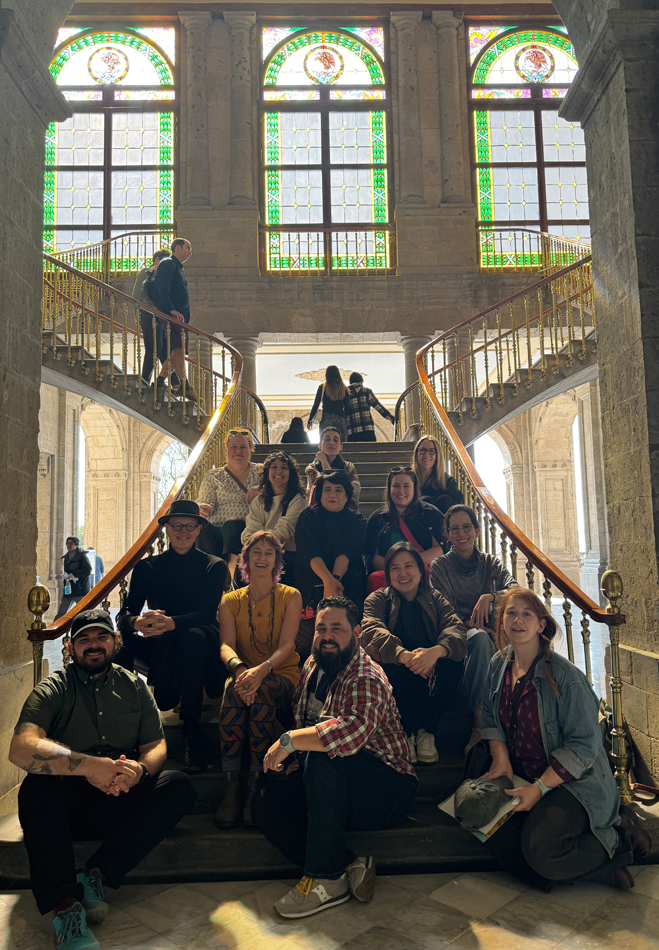
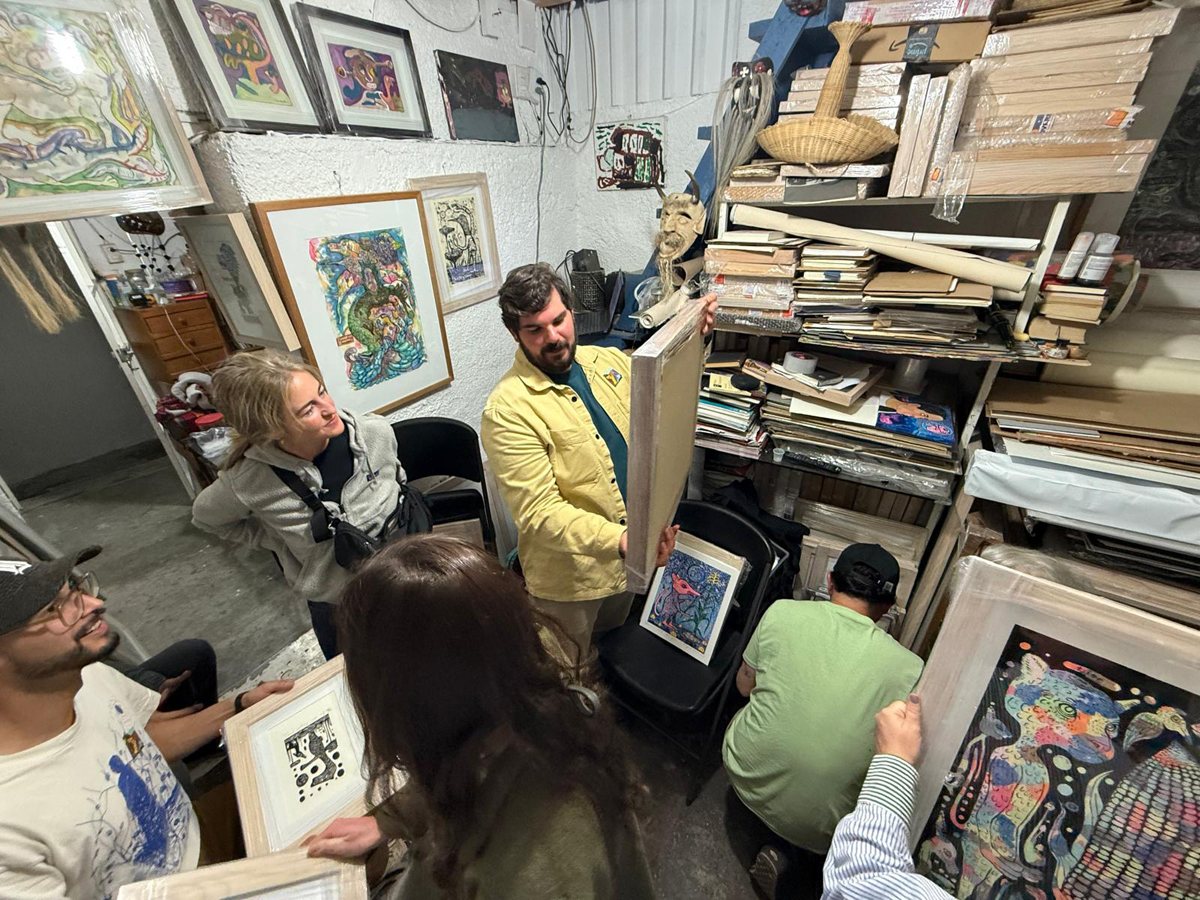
Perhaps the clearest expression of Hay’s philosophy is the annual ProArtes México Art Trip during Mexico City Art Week in February. The five-day experience brings artists, museum professionals, curators, and writers into museums, studios, galleries, and international art fairs. More than a tour, it cultivates relationships that can lead to exhibitions, publications, and institutional partnerships.
For Hay, the most meaningful curatorial work begins before an exhibition is conceived and continues long after it closes.
That long view also informs the Apapacho Arts Residency in Mexico City, where over thirty-six artists and arts workers have had time and space for independent research while becoming part of an expanding international creative community. Artist José Villalobos is the inaugural Pachoa Curated recipient this year. Hay proposes that the value of residency lies not only in what an artist produces but in the relationships that take root.
Hay’s forthcoming projects continue this trajectory. In fall 2027, Hay will curate an exhibition of Mexican artist Daniel Godinez Nivón at 516 Arts in Albuquerque, centered on tequio, the Indigenous concept of collective labor and reciprocity. The connection emerged through Albuquerque-based arts writer Nancy Zastudil, a participant in the ProArtes México Art Trip, and developed through years of studio visits and exchange.
For Hay, the most meaningful curatorial work begins before an exhibition is conceived and continues long after it closes. What started with a transformative journey to Mexico City and a partnership with Stephanie García has evolved into a model of curating grounded in relationship, reciprocity, and sustained cultural exchange. His work suggests that the border between countries, disciplines, and communities may be a line of separation, but it can also be a place of wondrous encounters.