Photographer Marcus Xavier Chormicle reclaims his medium for his family and ancestral lands through an intimate photo collection.
Tucson, Arizona | chormicle.com | @chormicle
For Marcus Xavier Chormicle, photography is never a neutral act. Every captured image reflects a singular way of seeing the world, and every photograph of Indigenous land or people carries the burden of being a “colonial weapon” historically used to define Native life from the outside. Armed with a camera of his own, Chormicle aims to change that.
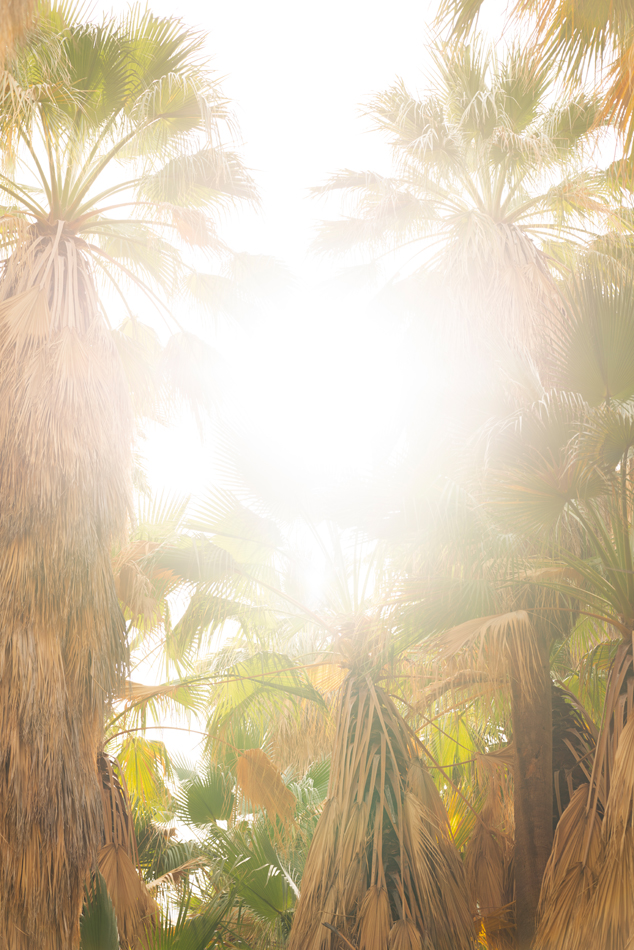
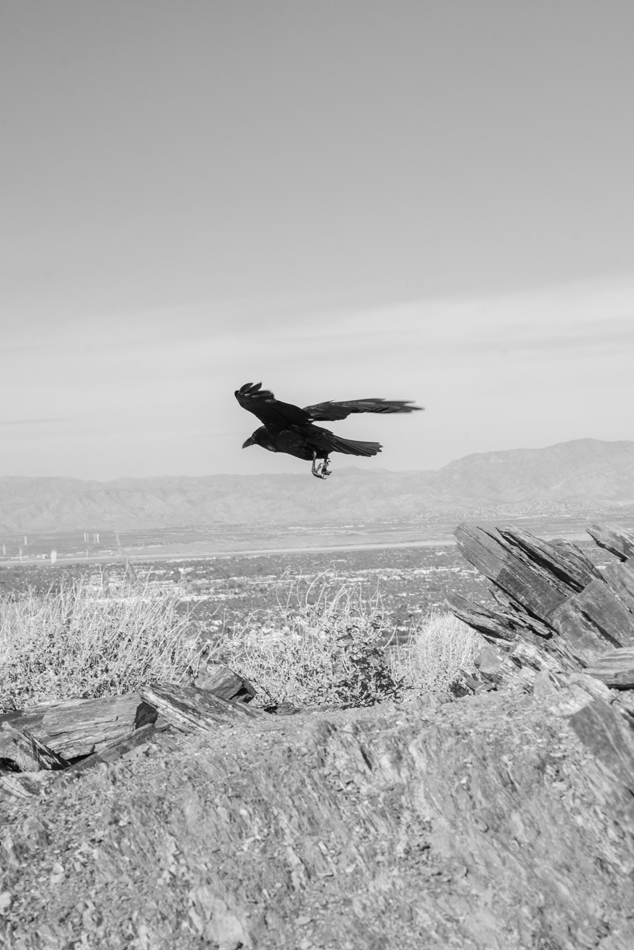
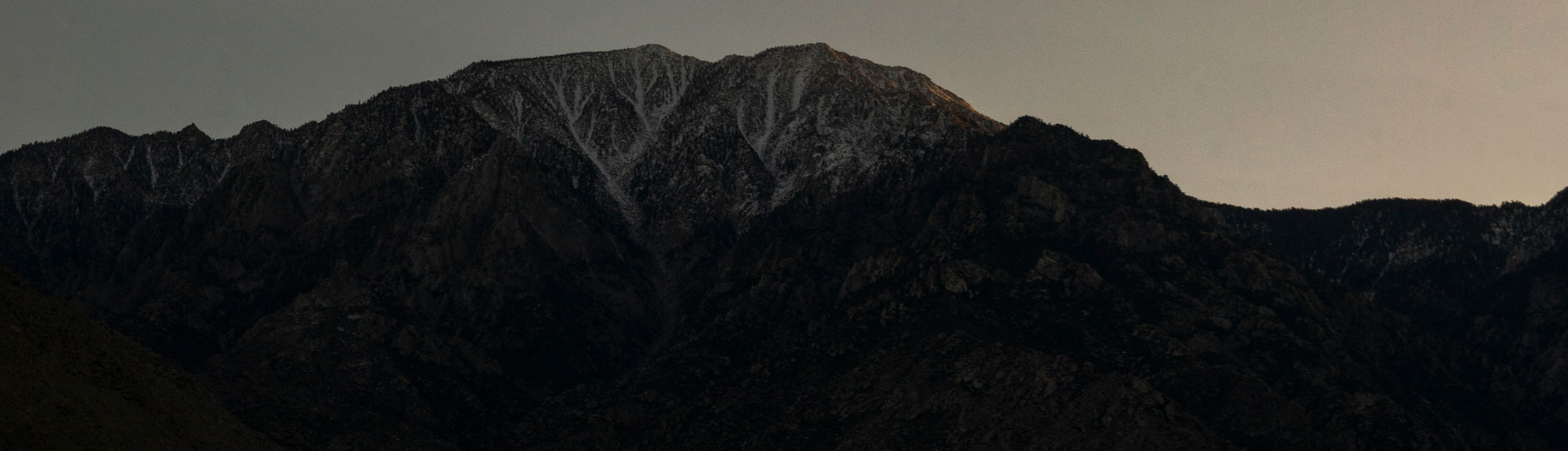
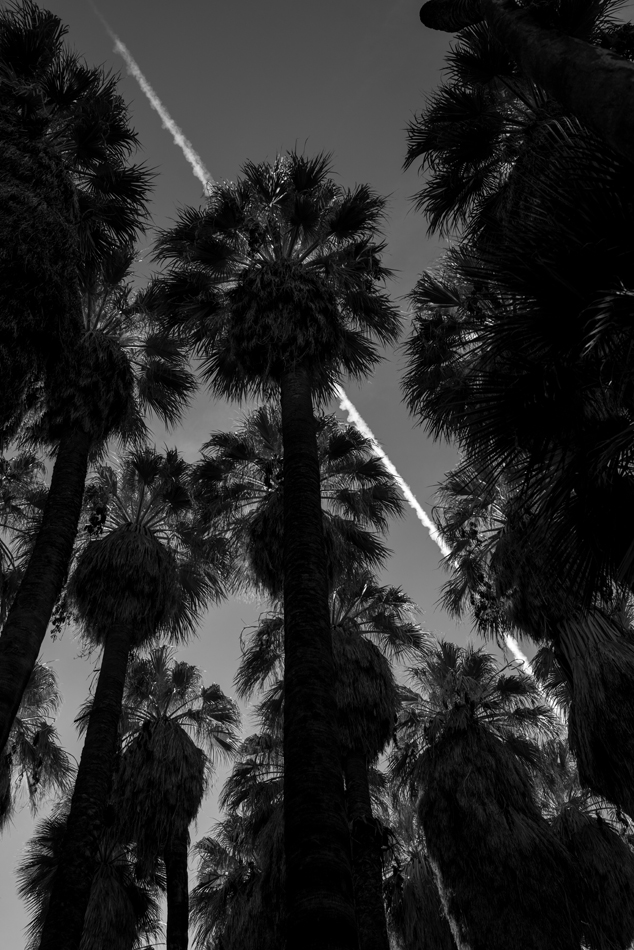
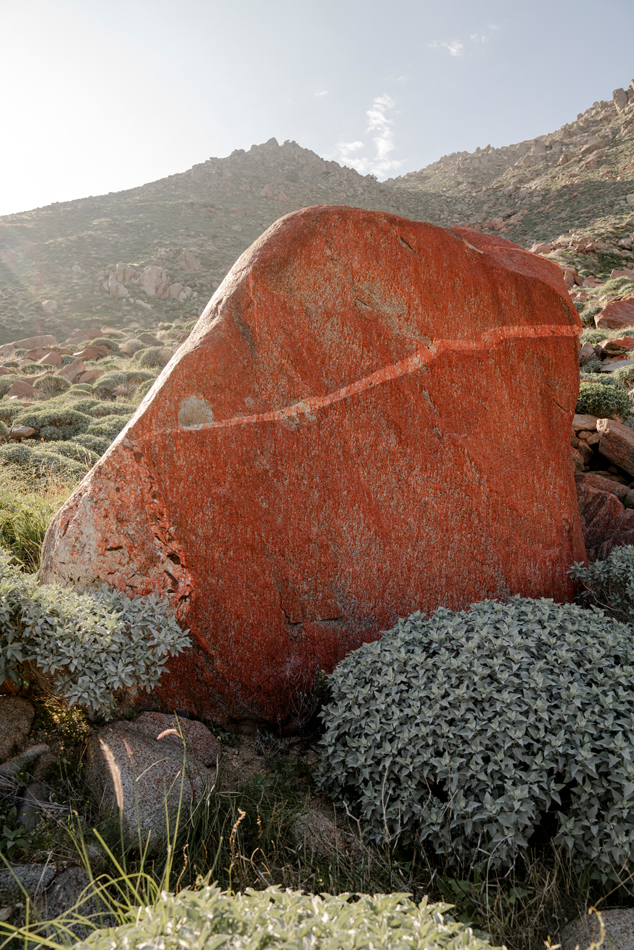
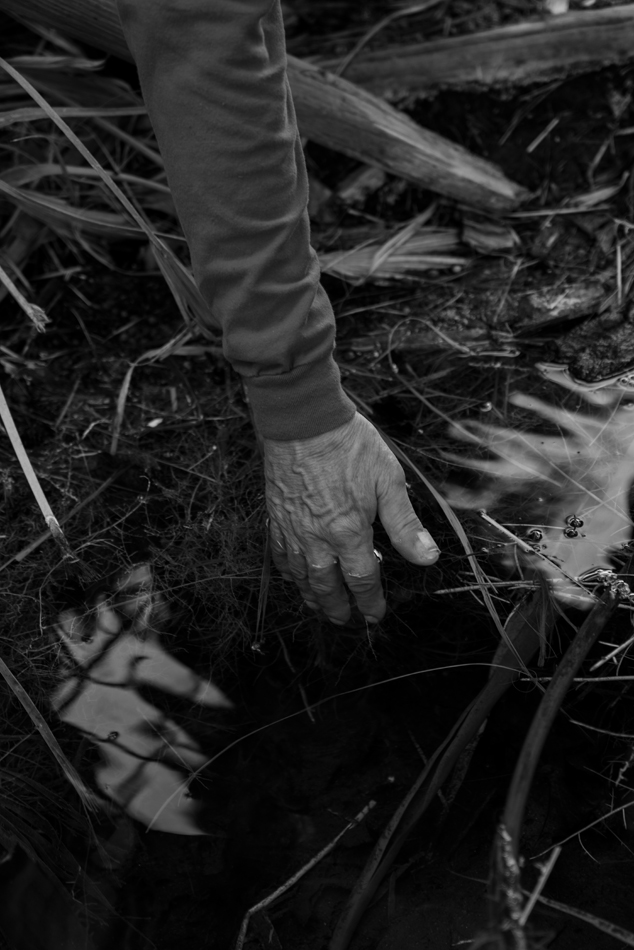
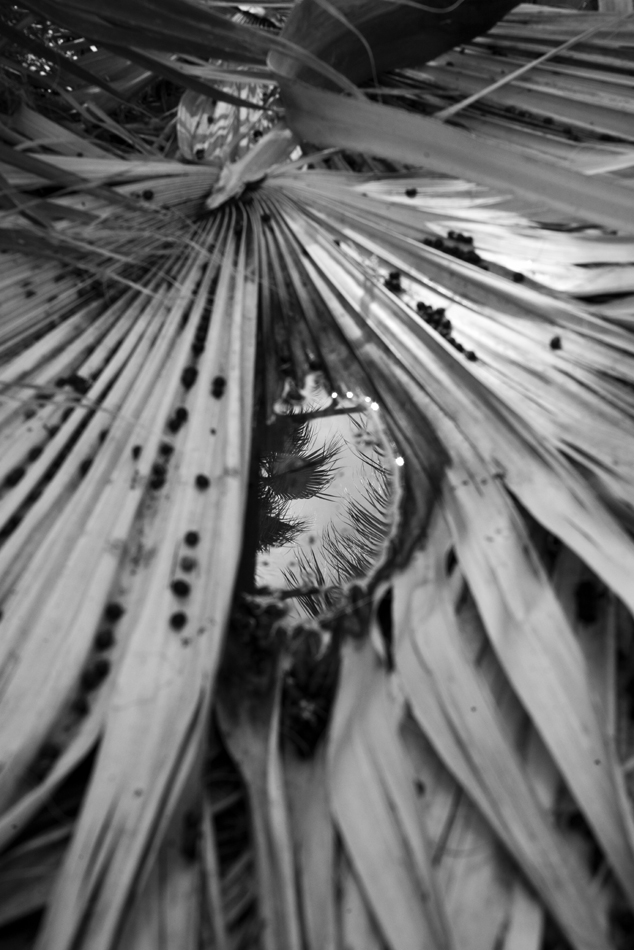
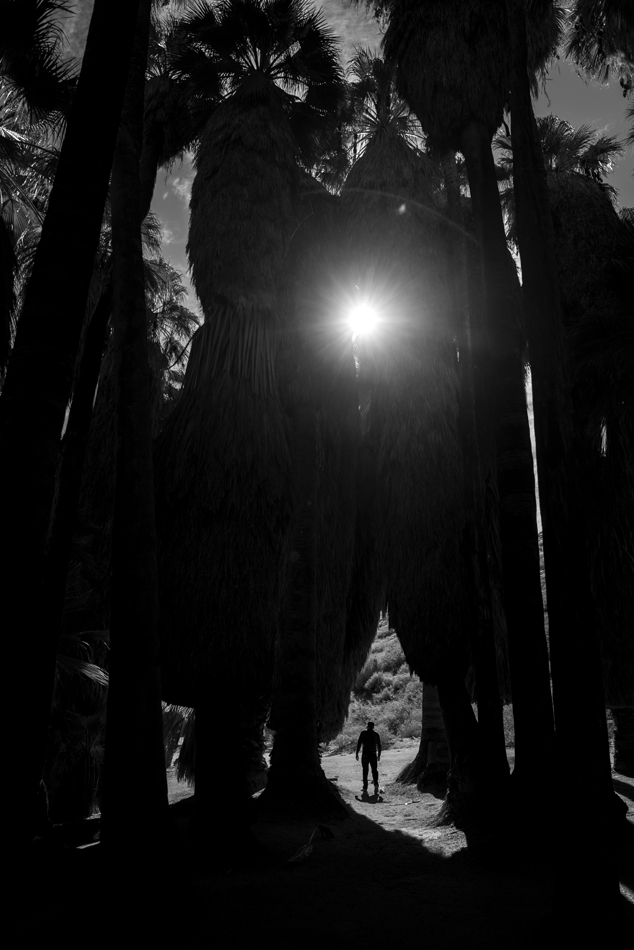
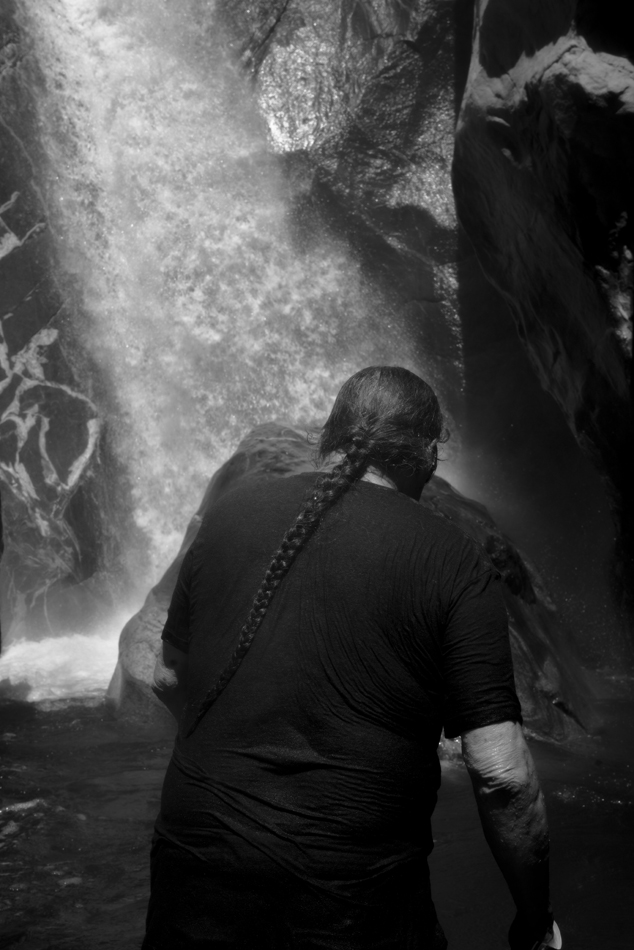
A lens-based artist from Las Cruces, New Mexico, current graduate student at the University of Arizona, and a lineal descendant of the Agua Caliente Band of Cahuilla Indians, Chormicle reasserts an Indigenous way of seeing through Say Uncle, an ongoing photographic project following his uncle, Michael Dean Chormicle, through the canyons of Séc-he (Palm Springs, California) along paths their family has walked for countless generations.
“The work is about an ancestral relationship to the land, which is upheld by walking along those paths,” Chormicle says. “The photographs serve as representations of my and my family’s own cultural understanding of our origin point.”
Séc-he was one of the locations where Edward S. Curtis photographed Cahuilla people for his series The North American Indian (1907-1930), images Chormicle argues “helped solidify enduring colonial fictions of Indigenous life.”
“The legacy of photography, and alien photographers, is very important to the work,” he says. “Say Uncle explores the tension between being seen and seeing. […] Taking photographs in a place where [your] family has been since time immemorial, since the beginning of people living within that land, is something only Indigenous photographers can do.”
In March 2026, Chormicle independently mounted an installation for the project on his uncle’s land allotment within the Agua Caliente Indian Reservation, which forms a checkerboard pattern intertwined directly with downtown Palm Springs. Chormicle placed his photographs, printed on double-sided, six-foot panels, upright in the sand in a spiral formation. Intended first for family and Indigenous community members, the installation reframed the act of viewing as an expression of sovereignty, community, and ancestral continuity.