Jess Johnson’s immersive exhibitions transcend every timeline, resolving visceral alternate realities through drawings and installations.
Roswell, New Mexico / jessjohnson.org / @flesh_dozer
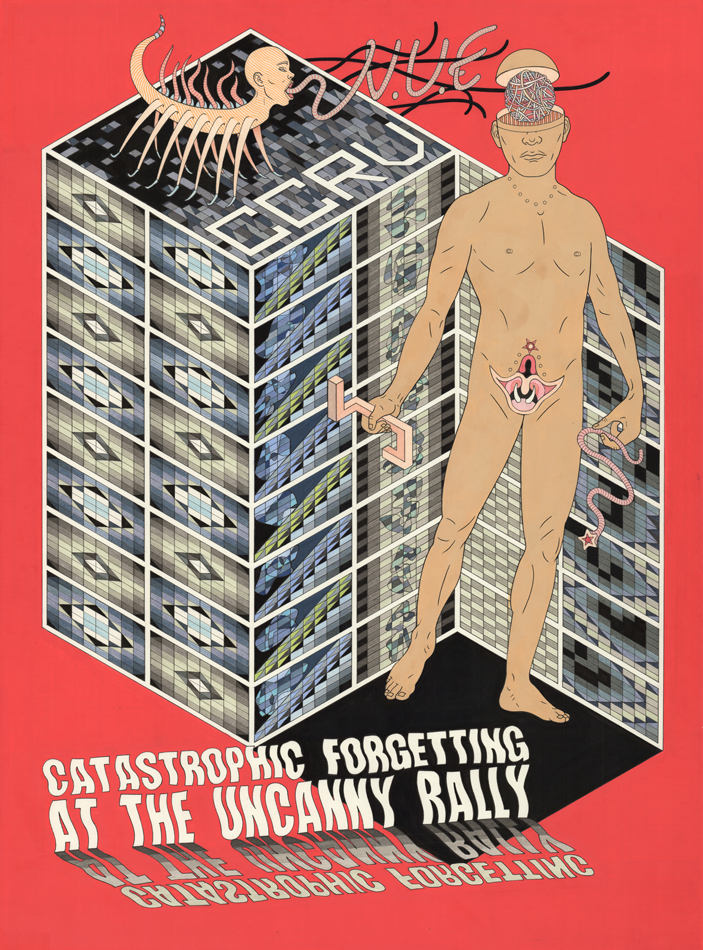
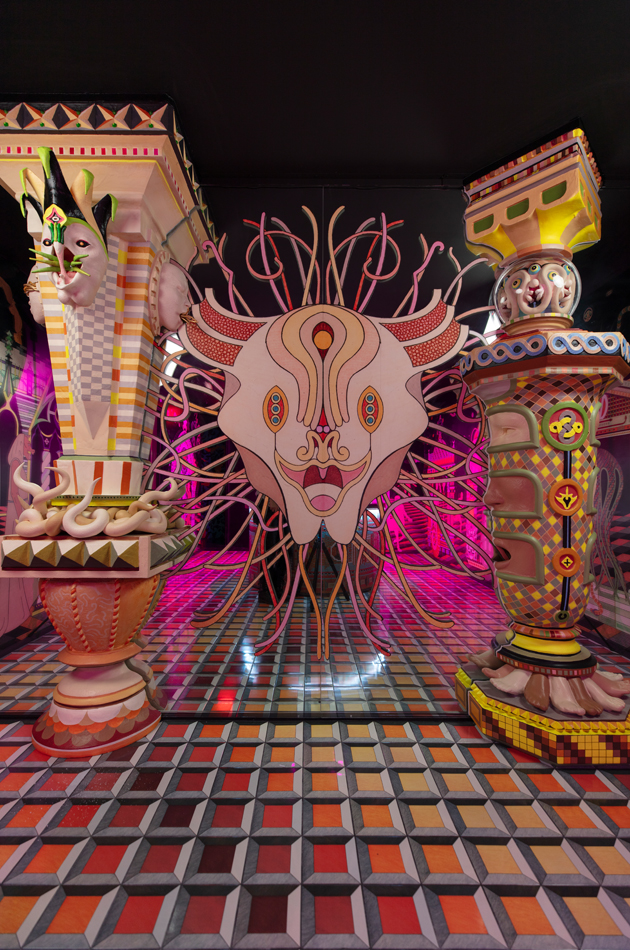
Like a psychedelic rock poster in a fever dream, the richly woven illustrations of New Zealand–born and Roswell-based artist Jess Johnson are bright, appealing, and subtly horrifying. Referencing science fiction and countercultural aesthetics of the 1960s and ‘70s, Johnson’s dense, retrofuturistic landscapes emerge from her long-held and omnivorous collection of textual snippets. From these linguistic inspirations, her so-called “meshworks” grow into dizzying networks of structures, symbols, and machines populated by wriggling worms, contorted bodies, and animal hybrids.
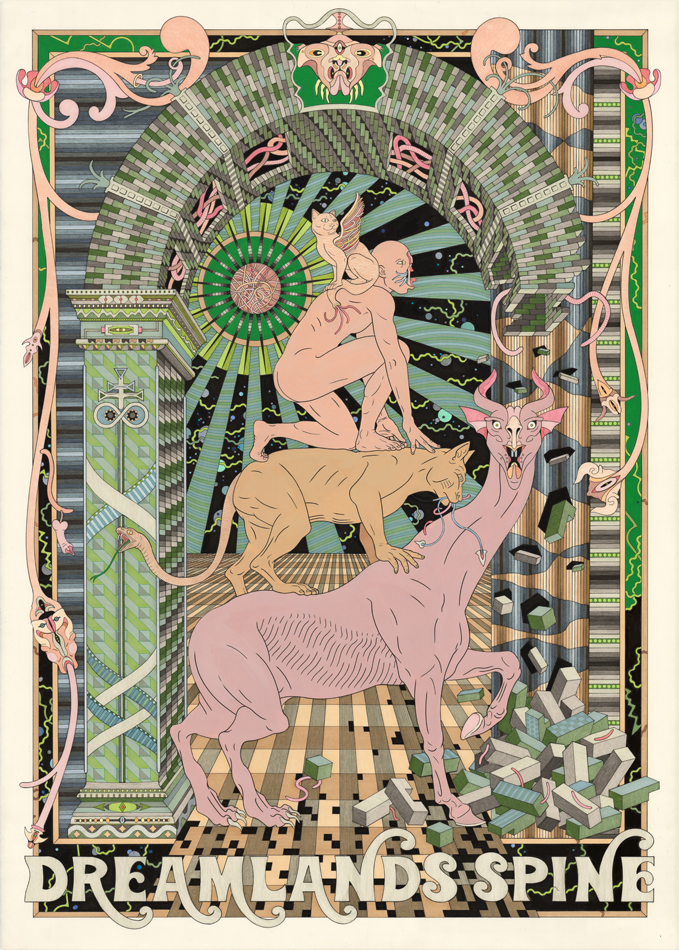
According to the artist, this surreal cosmos is intended to illustrate speculative, parallel realms. However, as in sci-fi, Johnson’s work nonetheless reflects contemporary human anxieties, like the relationships between people, more-than-human animals, and technology. In Dreamlands Spine (2026), for example, distorted and interconnected creatures stack one on top of another beneath a crumbling archway. Rather than reinforcing the uncritical fantasy of human command over technology and other life forms, this illustration shows man enmeshed in an inextricable matrix of the living. Everyone huddles together as built structures begin to fall.
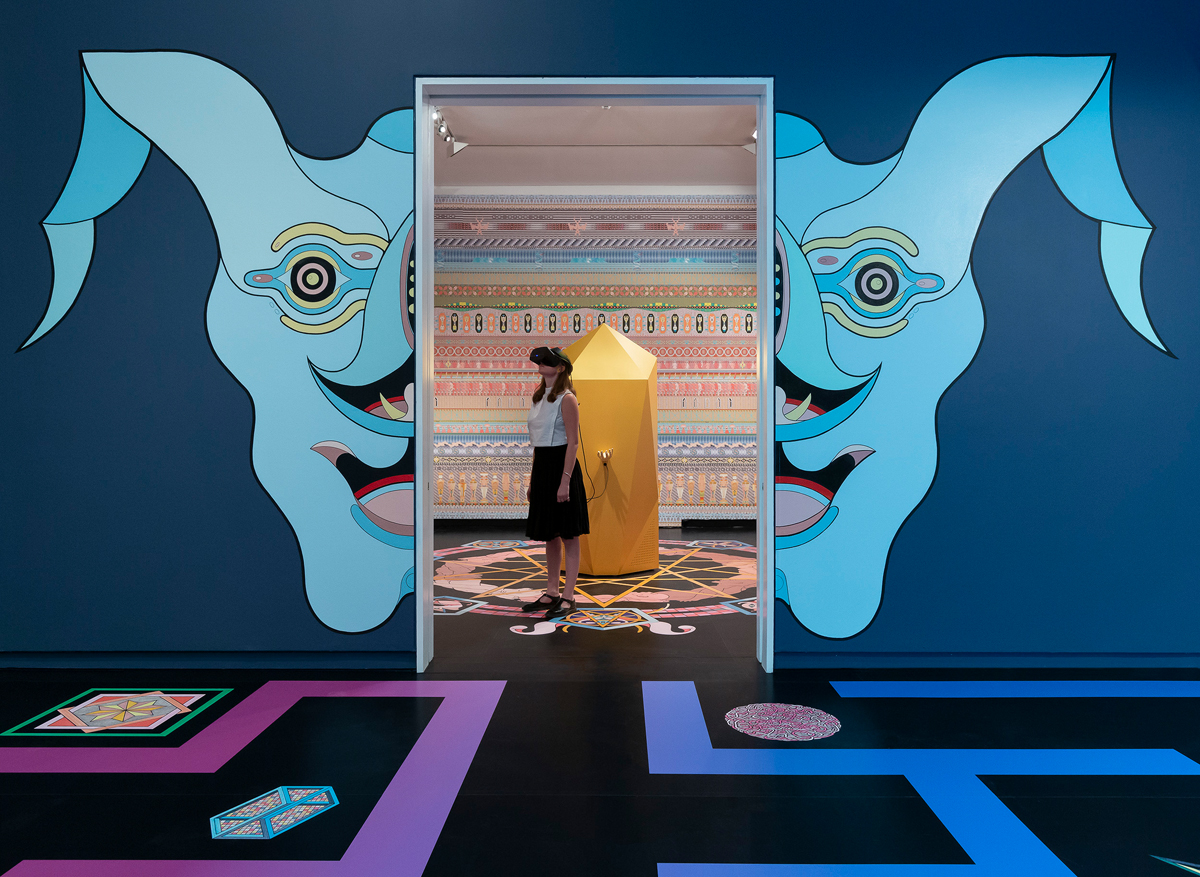
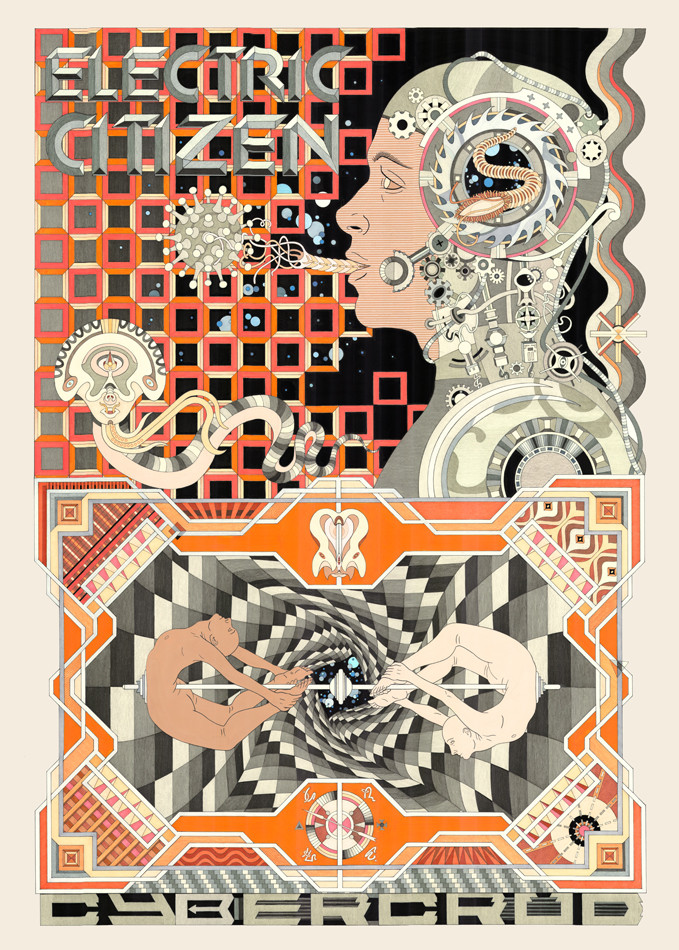
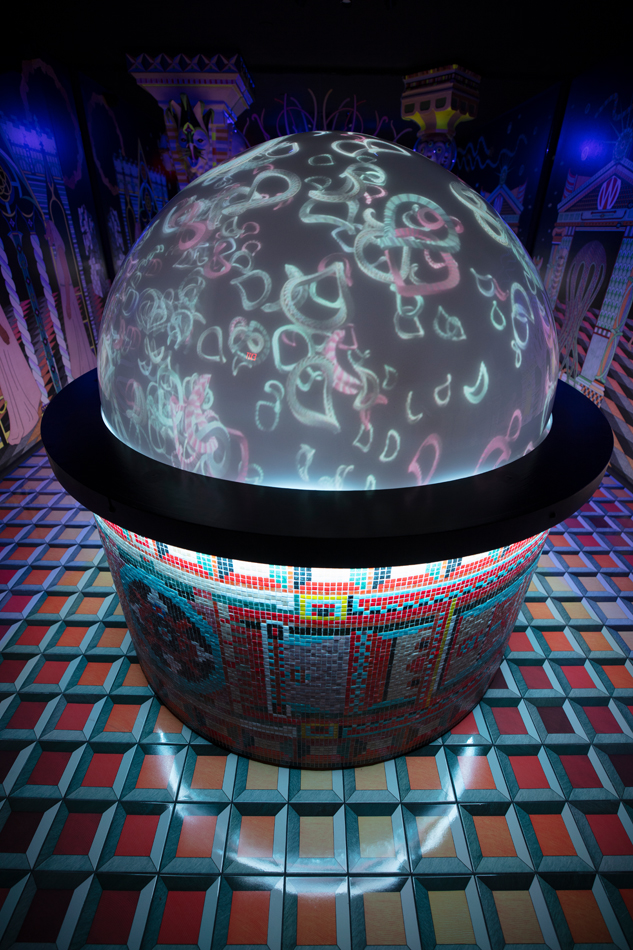
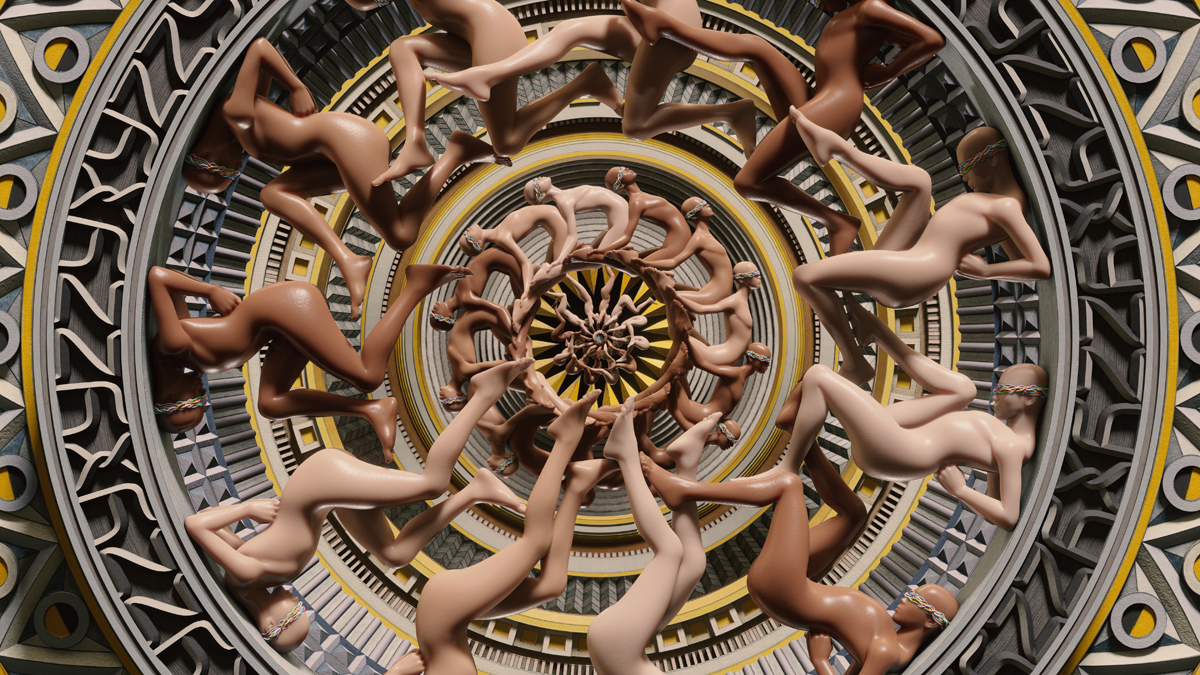
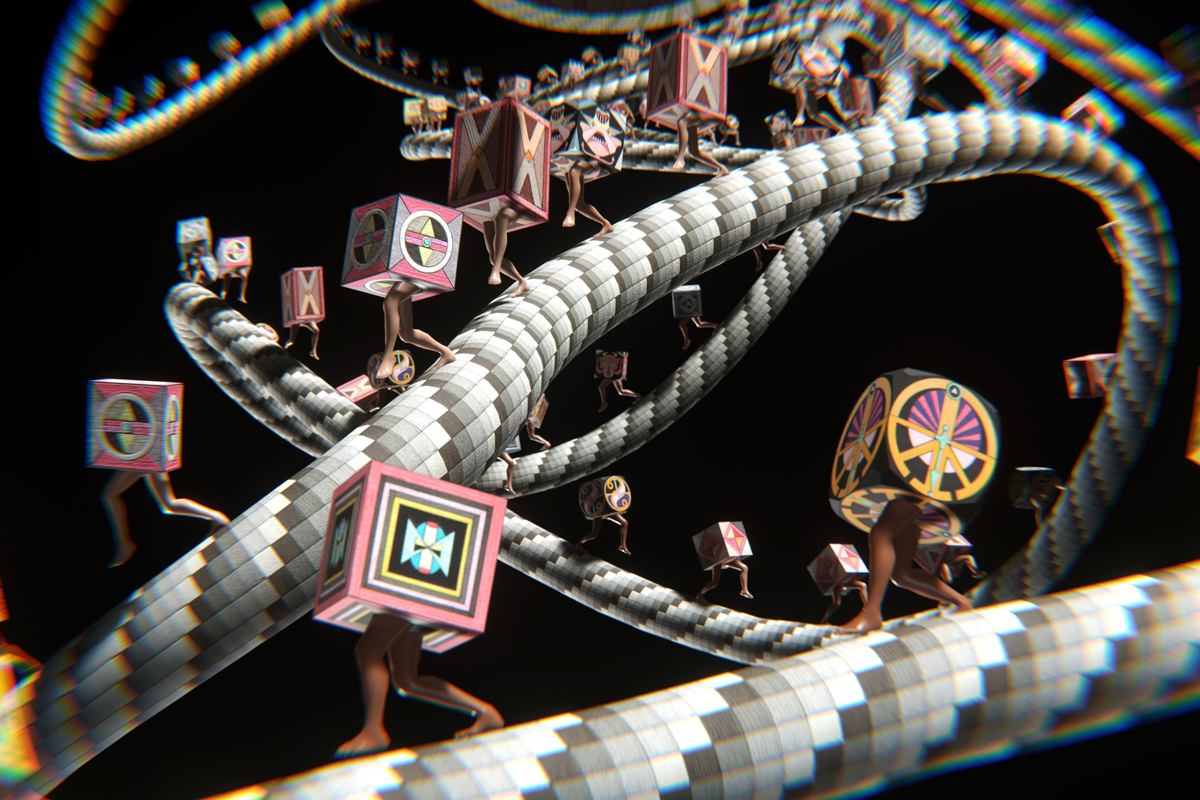
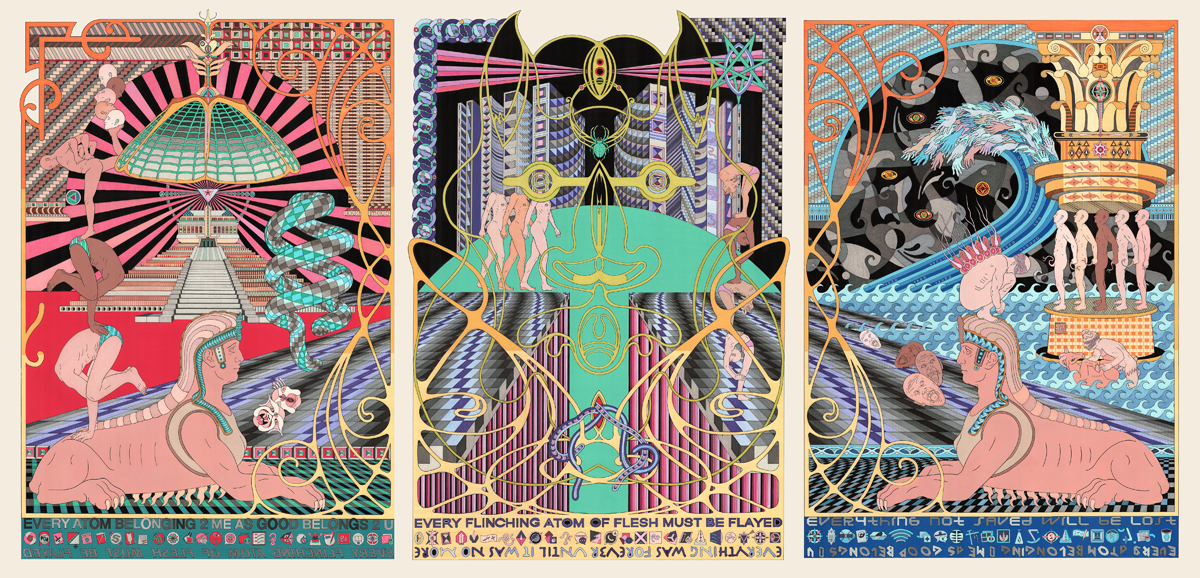
Other scenes show organic bodies sub-jugated within a technological web. The film XYZZY (co-created with video artist Simon Ward, 2024) features processions of nude figures turning gears in an endless machine; Electric Citizen (2023) shows a robot-worm homunculus that appears to be manufacturing a coronavirus through its human host; and Every Atom Made Flesh (2018, featured on this issue’s cover) depicts sphinxes guarding internet modem–like towers, unmoved by screaming heads, headless bodies, and a looming wave of hands. Johnson’s touring exhibition TERMINUS (2018) used VR technology to overlay gallery floors with brightly colored pathways, luring viewers down video game–esque tracks.
Evolving from generations of artistic responses to technosocial relationships, Johnson’s visualizations of futuristic social orders warn of the hostility to life present in many conceptions of advancement. While at first glance Johnson’s illuminated manuscripts from a mad future past seem fantastical, sustained attention reveals themes of dehumanization, control, and extraction.