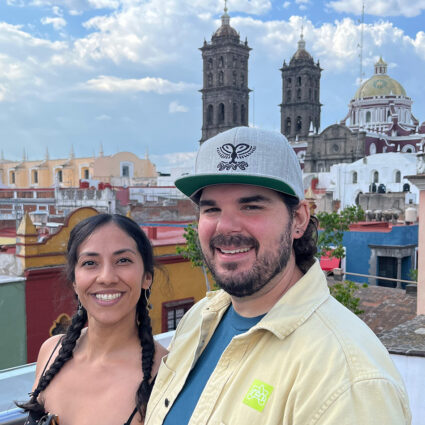
New Mexico–based besties Erin Jane Nelson and Sarah M. Rodriguez are both in New York’s Whitney Biennial. They have notes on its formation and critical reception.
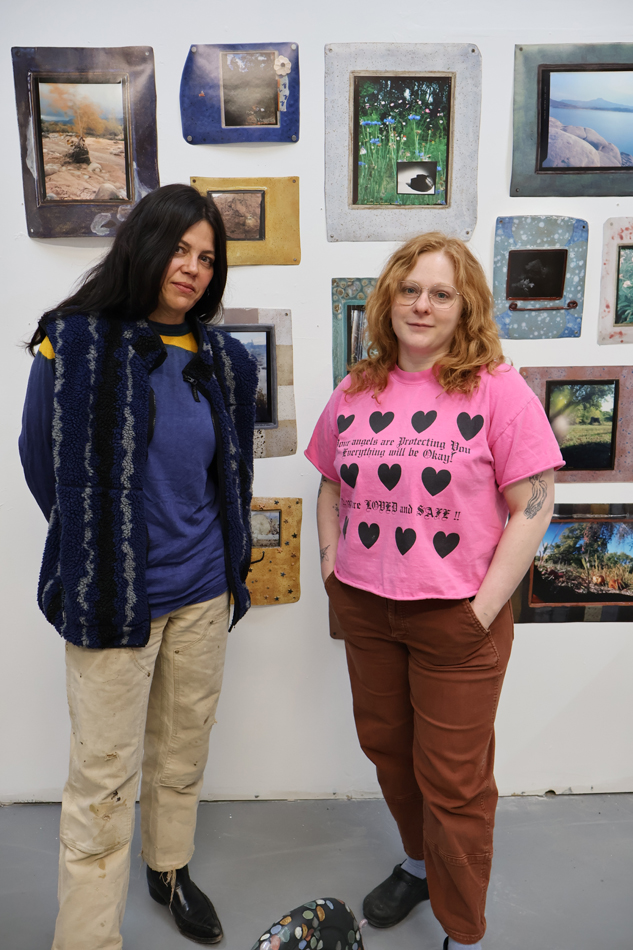
On an April afternoon, Sarah M. Rodriguez visited Erin Jane Nelson’s Santa Fe studio, where the artists reflected on their shared experiences in the 2026 Whitney Biennial. The March 8 opening at New York’s Whitney Museum of American Art was still fresh in their minds, and the conversation flowed from the practical realities of participating in a major exhibition across the country, to how their twelve-year friendship has influenced both their careers and their experiences at the Whitney.
As Rodriguez puts it, “There’s something unique and special about being in a show like this with such a close friend. It touches on a personal idea of kinship and community.”
This sense of connection feels particularly fitting in an exhibition shaped by curators Marcela Guerrero and Drew Sawyer to platform artists whose works, in their words, “reflect the current moment and examine various forms of relationality.”
Nelson and Rodriguez are among the fifty-six artists, duos, and collectives whose artwork is included in this year’s edition of the prestigious contemporary art survey. Though distinct in their approaches, both artists work sculpturally to engage questions of ecology, material transformation, and relationships that extend beyond the human. These themes resonate with the Biennial’s express intention to celebrate “unusual alliances” and “togetherness through difference.”
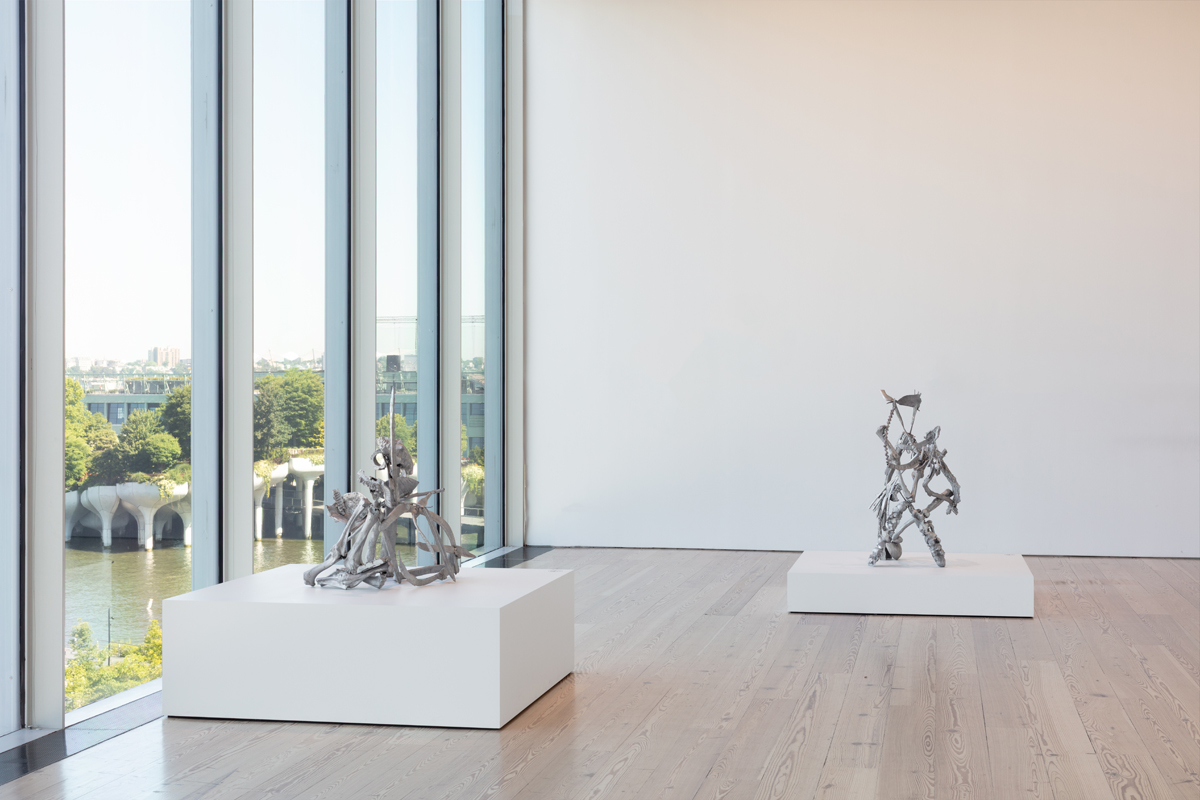
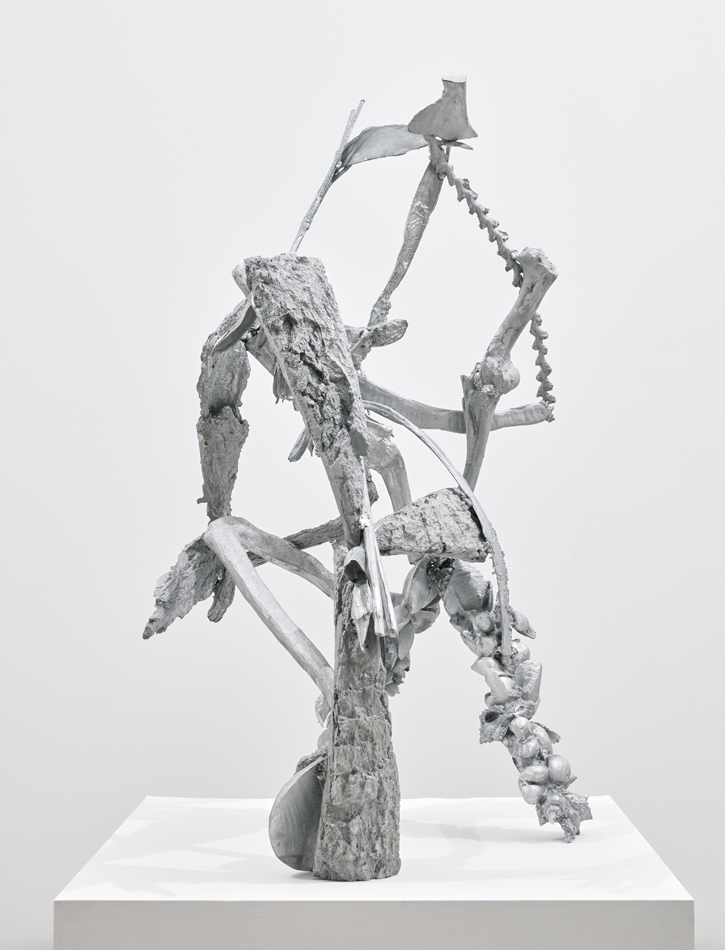
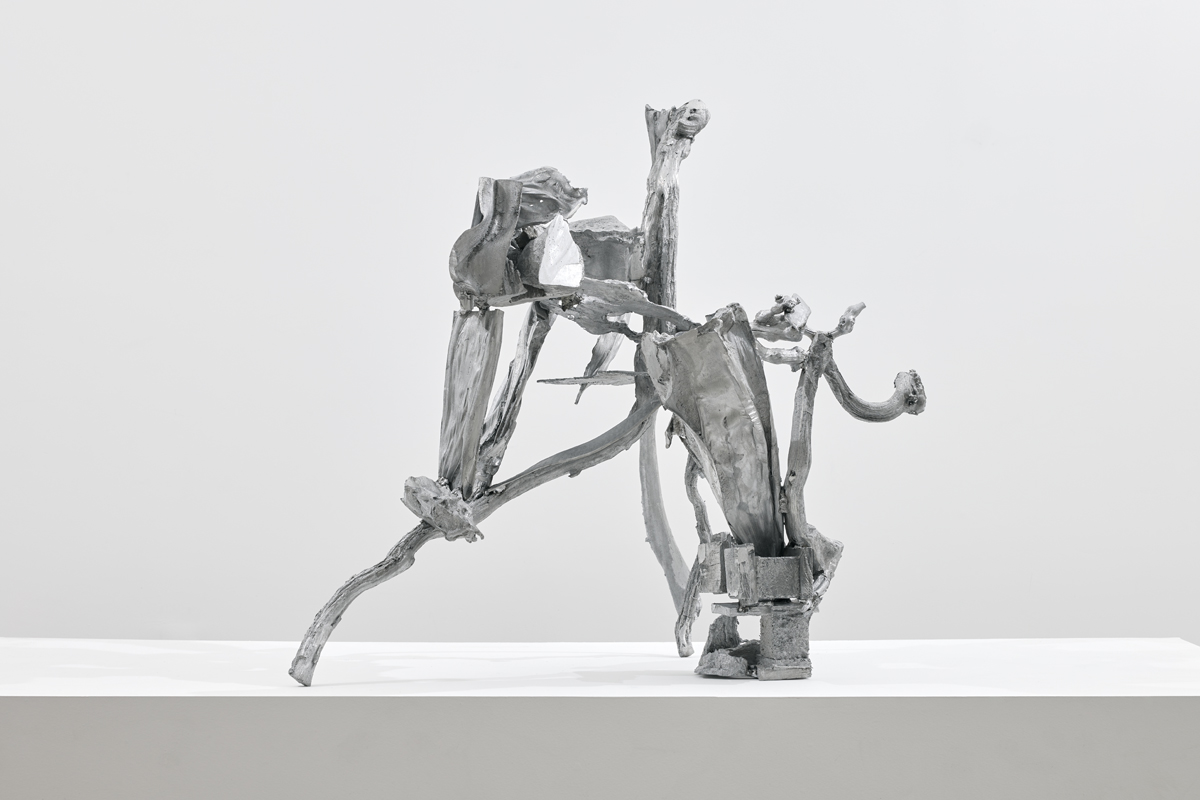
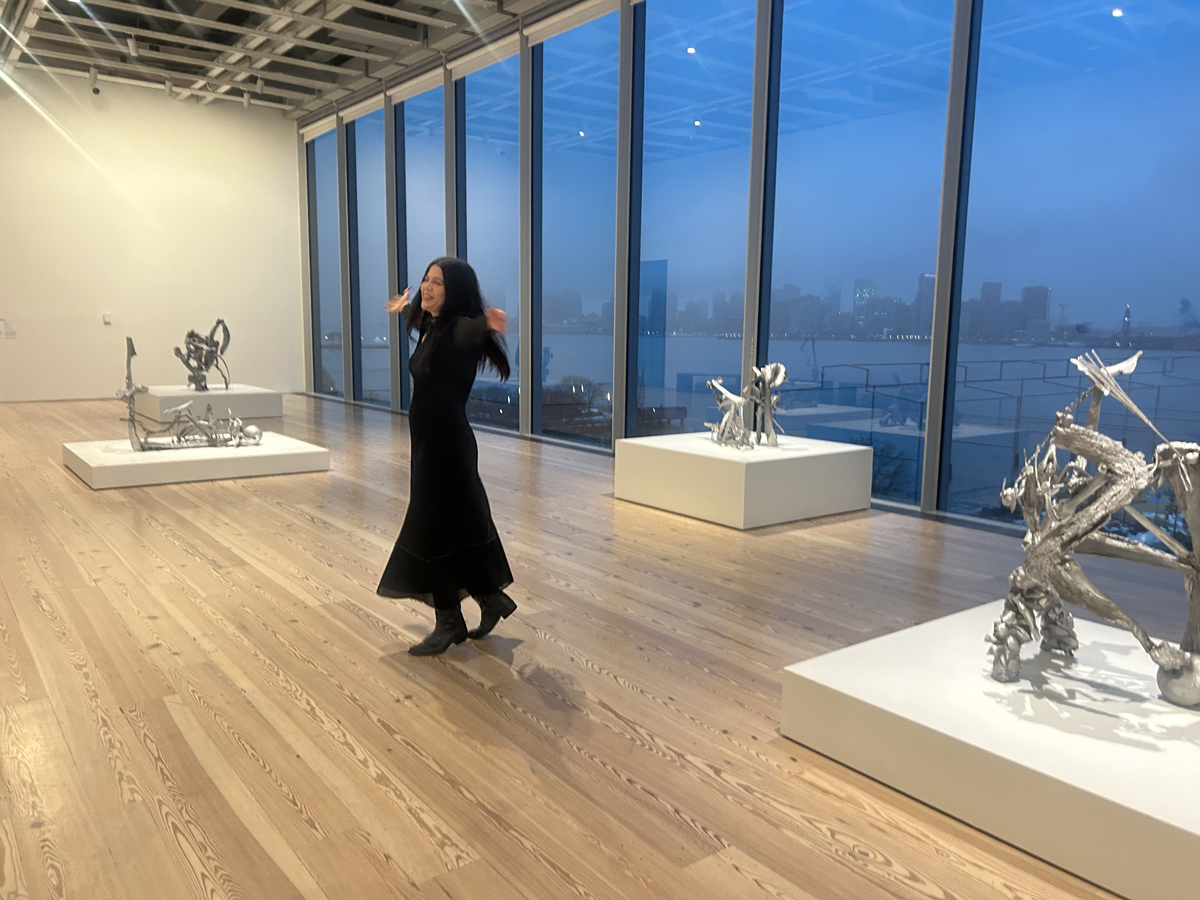
Rodriguez has four sculptures on display at the Whitney, shown together in a large, dedicated space with floor-to-ceiling windows overlooking the Hudson River. The works are eclectic in more ways than one. She gathers natural objects, including but not limited to bones, branches, seed pods, and seashells, and casts them in aluminum from sand molds she makes for each object. She then welds the various elements together, a delicate process when working with aluminum, to form complex constructions that juxtapose the temporality of the original organic materials with the immutable, irreducible nature of their final metal forms. The format and technique are facets of Rodriguez’s process that she’s been developing for over a decade.
“I’ve been reflecting on Erin’s and my own practice, just because we’ve known each other for so long,” she says. “Some of the work that I’m making now really started in 2015 when I showed at a space that [Nelson] ran in Atlanta called Species… It was the first time that I started thinking of sculpture as being an ecosystem.”
Nelson’s work at Species, in a role she describes as a “facilitator and promoter of other artists,” granted her an insider’s perspective on the curatorial side of the art world, something that tempered her expectations for how her own work would be installed at the Whitney.
“I had a bit of anxiety going into it,” Nelson admits. “It was a lot of trust to hand over.” But upon seeing how her work was arranged in person, this trepidation melted away. “They saw something in the relationships between the work and the space that I couldn’t have imagined, and it actually looks a lot better than I anticipated.”
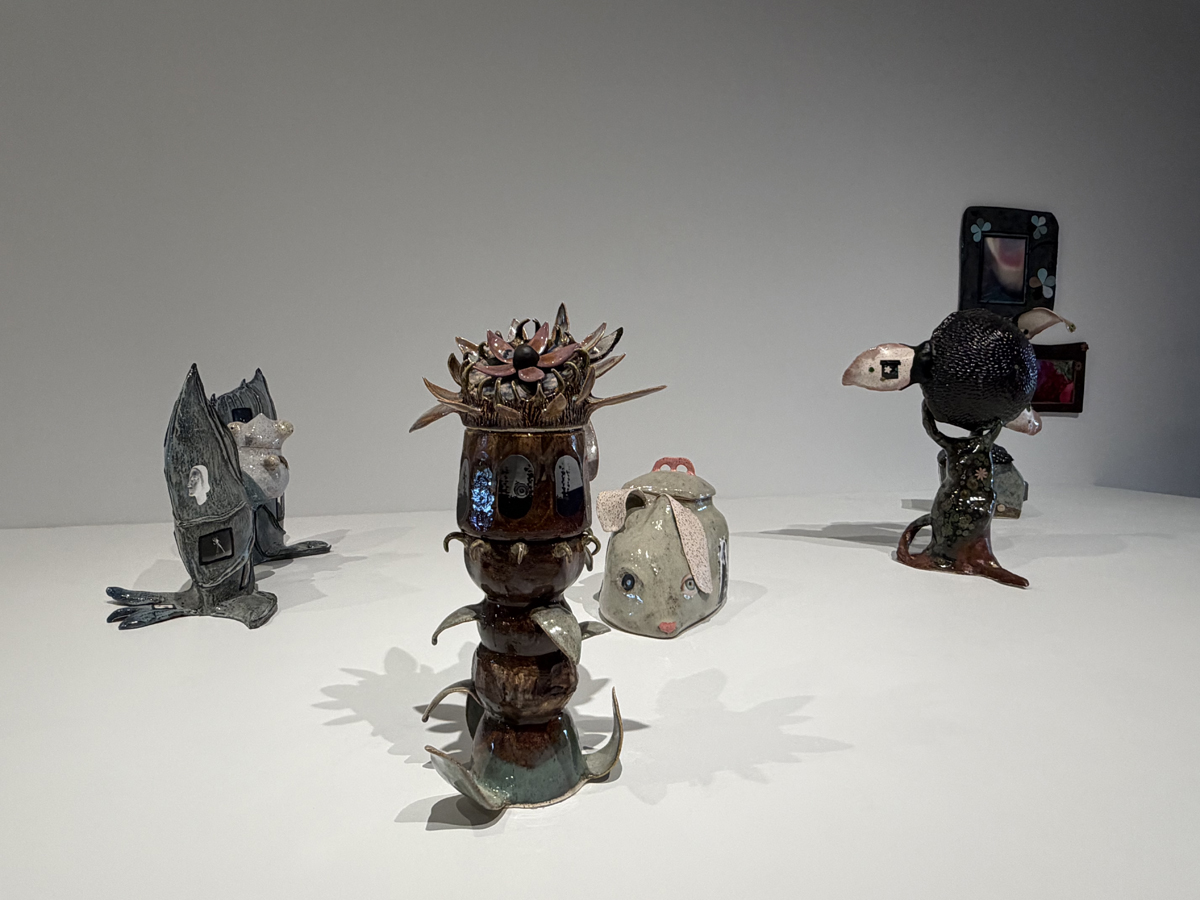
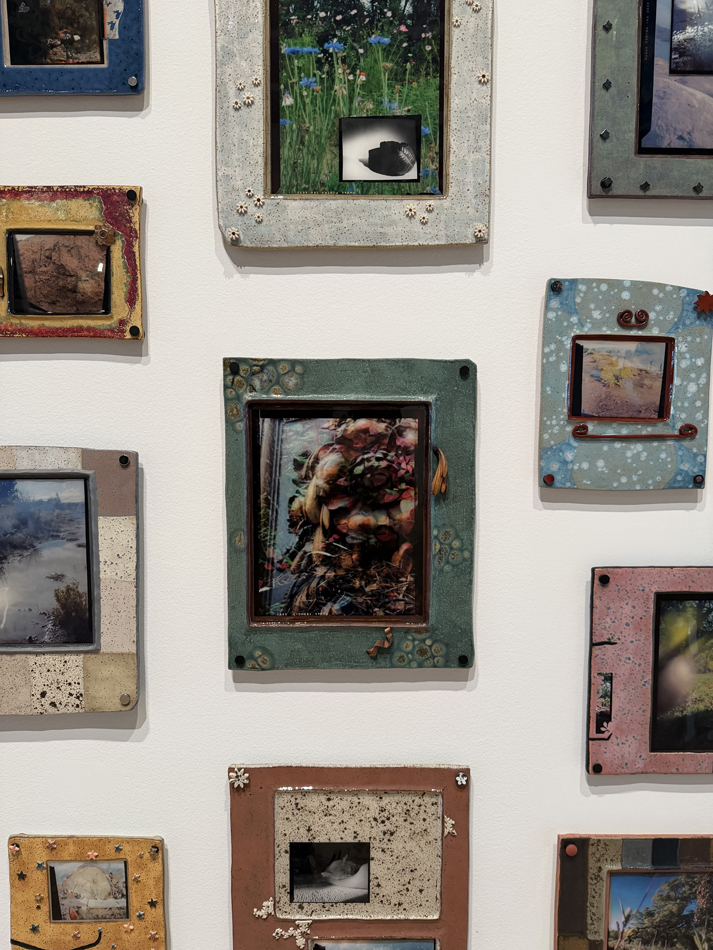
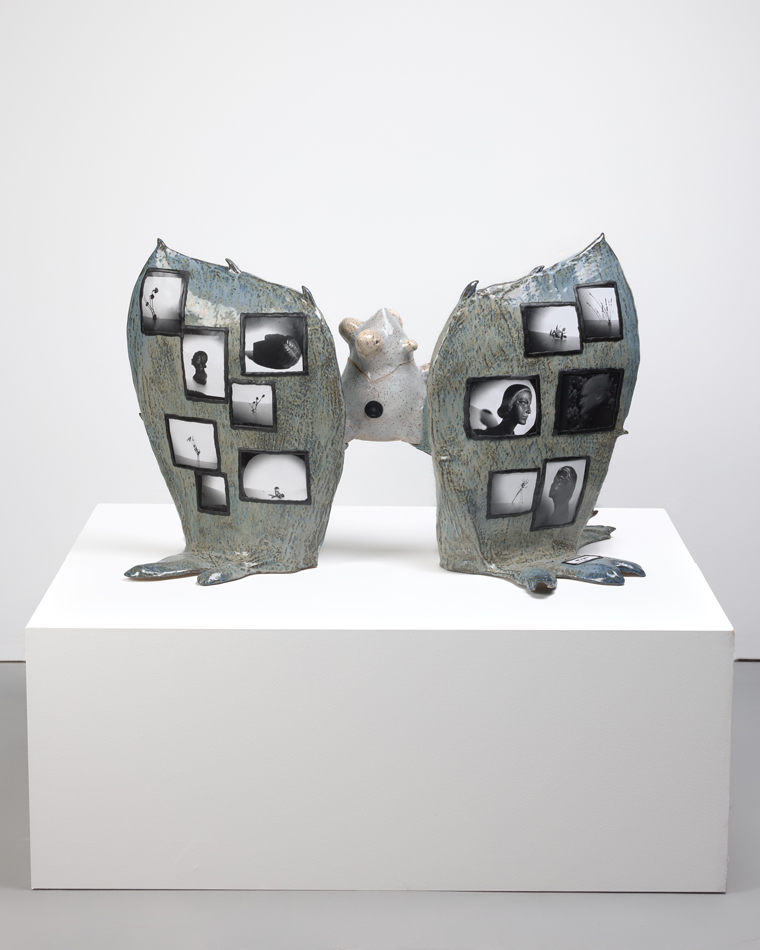
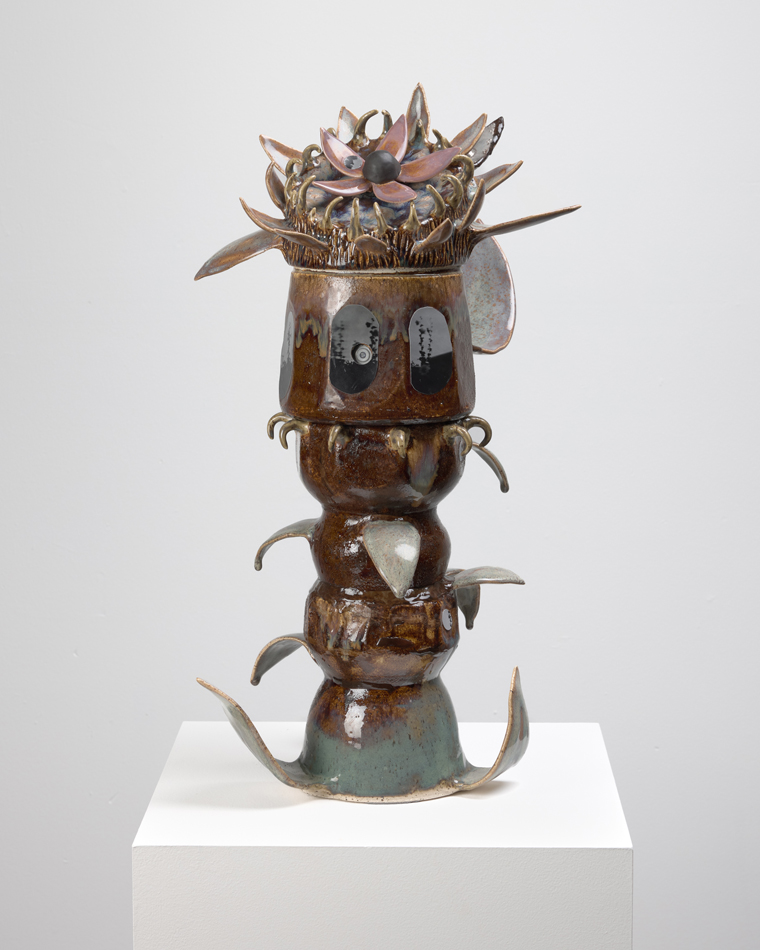
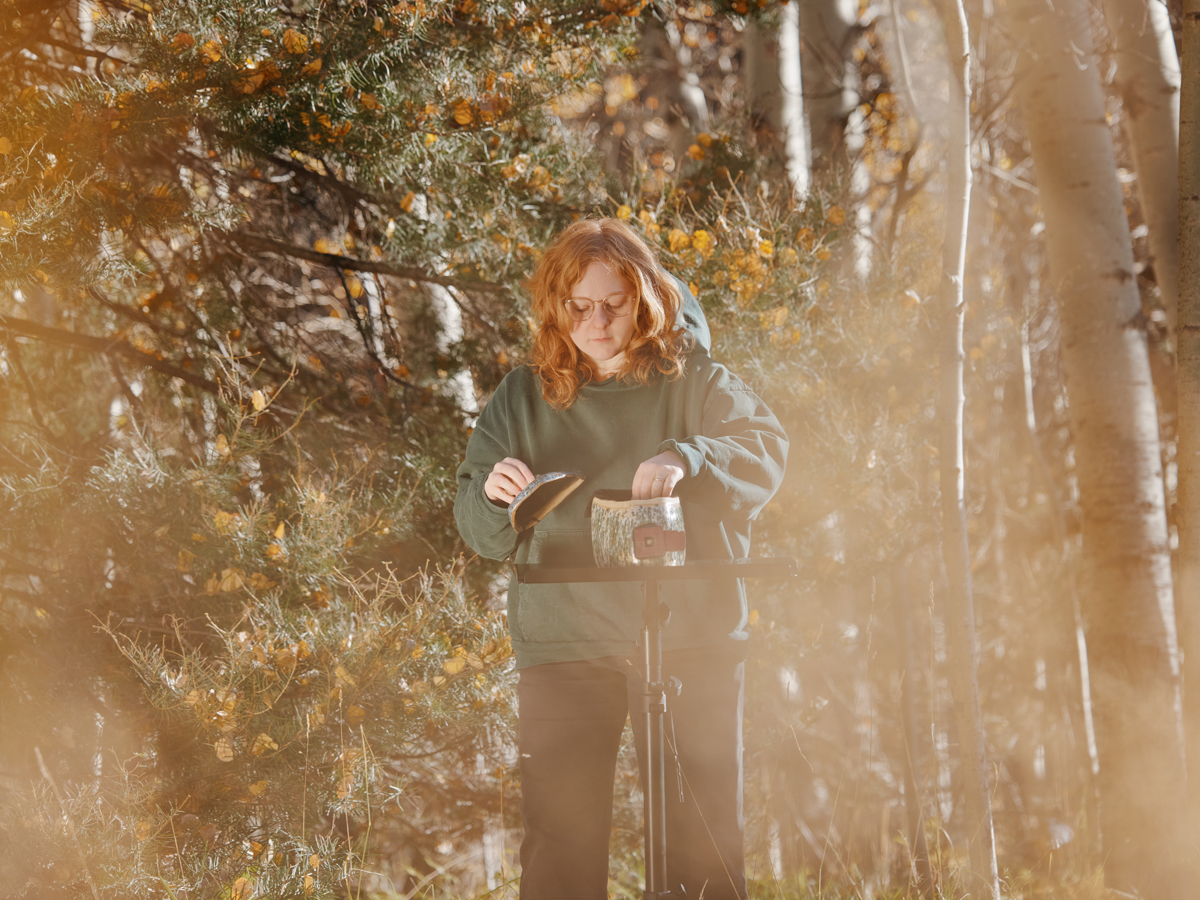
Nelson creates abstract ceramic sculptures that hide functional pinhole cameras within their ornate, biomorphic bodies. Part of the life cycle of these sculptures involves placing them in natural environments, most recently desert landscapes in Northern New Mexico, where they can capture long exposure photos. For the Whitney, seven of Nelson’s camera statuas were arranged on a low, round-cornered pedestal beside sixteen wall pieces that feature images captured by the cameras in one-of-a-kind, glazed stoneware frames.
Some of the criticisms of the show mentioned that it wasn’t loud and abrasive enough, but I think that sort of perspective discounts the politics of the everyday.
While Rodriguez and Nelson both expressed appreciation for the curators’ attentiveness and the care given to their installations, critical responses to the 2026 Whitney Biennial have been more divided. As the longest-running survey of contemporary art in the United States, now in its 82nd edition, the Biennial reliably invites scrutiny. This year’s aim of per dissonance ad consonance was met, perhaps appropriately, with mixed reactions in the press, with multiple sources invoking the amorphous descriptor “weird” in their reviews.
“I’m attracted to ‘weird’ as a label,” counters Rodriguez. “It usually refers to something that maybe you can’t articulate in the moment, and I’m always interested in the experience of art being first nonverbal.”
The curated peculiarity of the selected works wasn’t the only line of critique, with some citing a lack of sufficient political urgency. Nelson attributes these reactions to differing conceptions about what contemporary art should look like.
“Some of the criticisms of the show mentioned that it wasn’t loud and abrasive enough,” she says. “But I think that sort of perspective discounts the politics of the everyday. […] Being smaller, or a little bit more tender or modest can actually be an act of defiance in the art market, which wants art to be big and bold and have a high production value.”
Building on Nelson’s comments, Rodriguez adds, “I saw something that said, ‘This biennial is about kids, dogs, community, and the environment,’ as though that was a negative. These things are, in my opinion, positives, that make me feel like I was in the right group of artists.”
While participation in the Whitney offered Rodriguez and Nelson opportunities to connect and reconnect with the other participating artists, including introductions to fellow Southwest artists Nani Chacon (Diné) and Anna Tsouhlarakis (Diné), both noted that these exchanges felt too fleeting amid the pace of the opening.
“I really love these shows as an opportunity to meet other artists,” says Nelson. “I just wish there had been more time to chat with the other artists in the show. The actual opening of the Whitney Biennial is ten-second conversations with 200 people over the course of two hours, so you don’t really get that deep into things there.”
Rodriguez agrees, saying, “It’s really hard to pivot from being social and then immediately trying to talk about really deep, profound ideas that I have about anything.”
It’s fitting that they might feel this way, considering the nature of their work. Nelson’s pinhole camera sculptures depend on long exposures for depth and clarity; the images only resolve after sustained contact. Rodriguez’s cast assemblages require patient, meticulous construction and refinement in order to reach their final state as durable constellations.
Seen through the lenses of their respective artistic practices, the 2026 Whitney Biennial gradually comes into focus as a complex, ephemeral landscape of seemingly disparate elements that require sustained attention to be fully conceptualized. For artists like Rodriguez and Nelson whose works naturally address temporality, relationality, and deferred clarity, the Biennial’s curatorial framework is simply an organic extension of their practice. For those who prefer a more expedient classification, “weird” seems to be a sufficient description.