As the Rubin Center for the Visual Arts’s first homegrown director, Andres Payan Estrada understands the opportunities and challenges of borderlands arts.
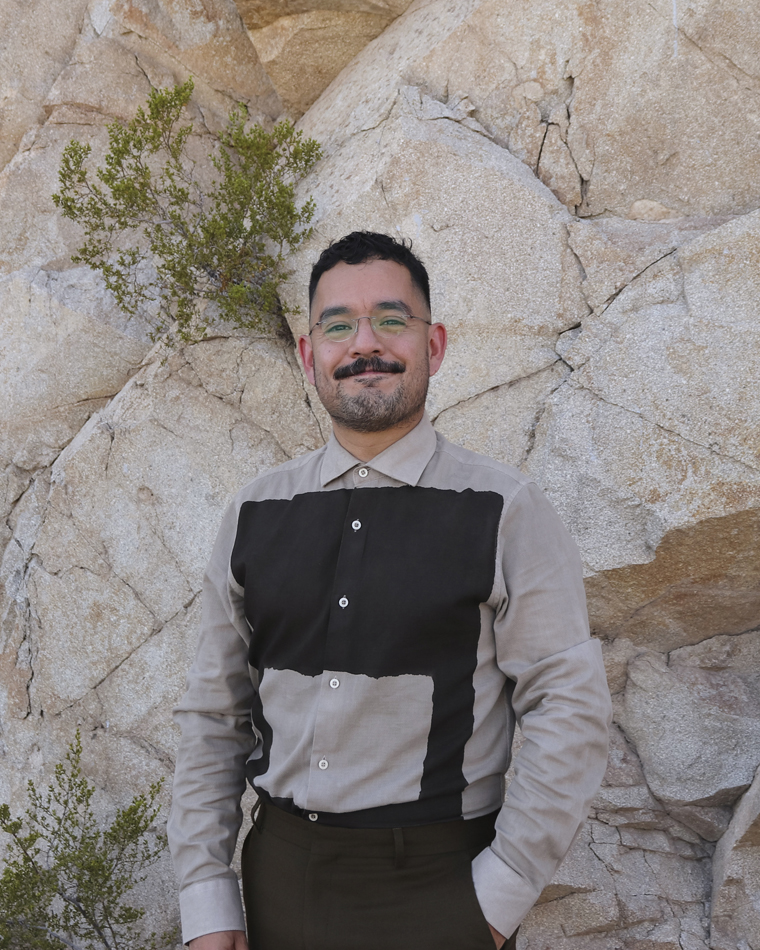
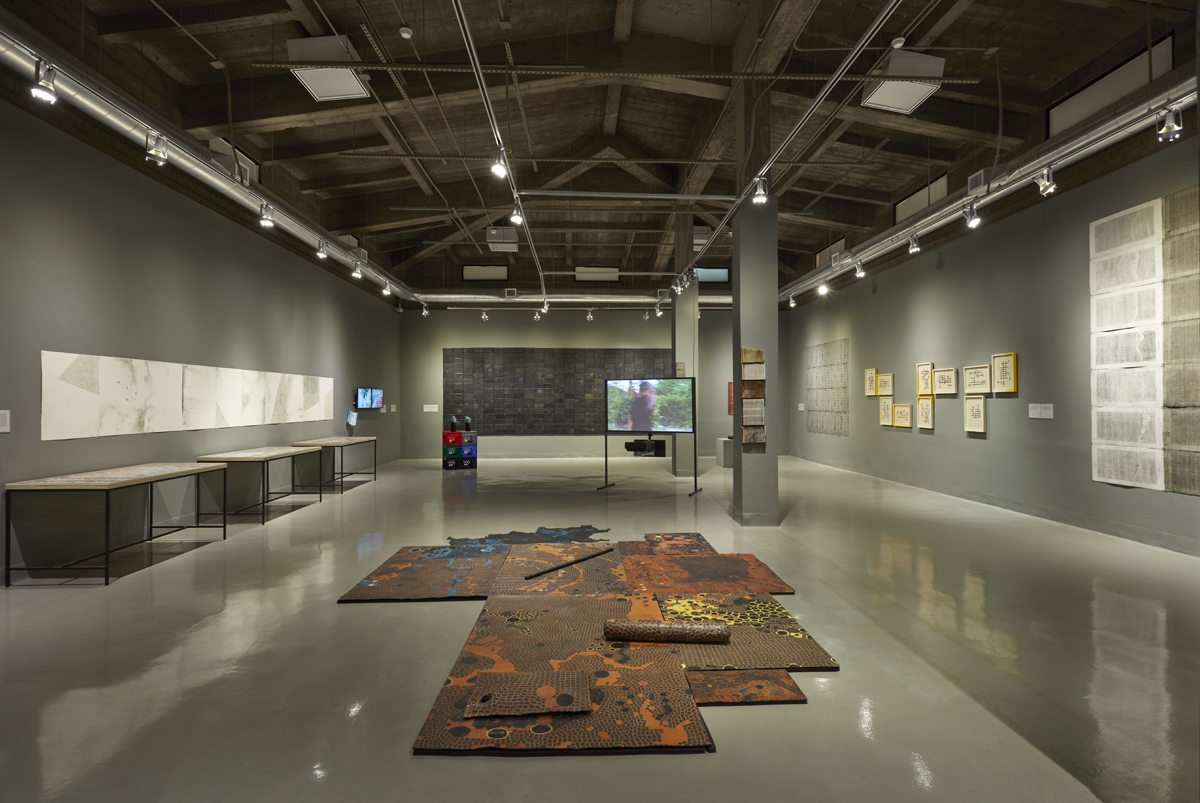
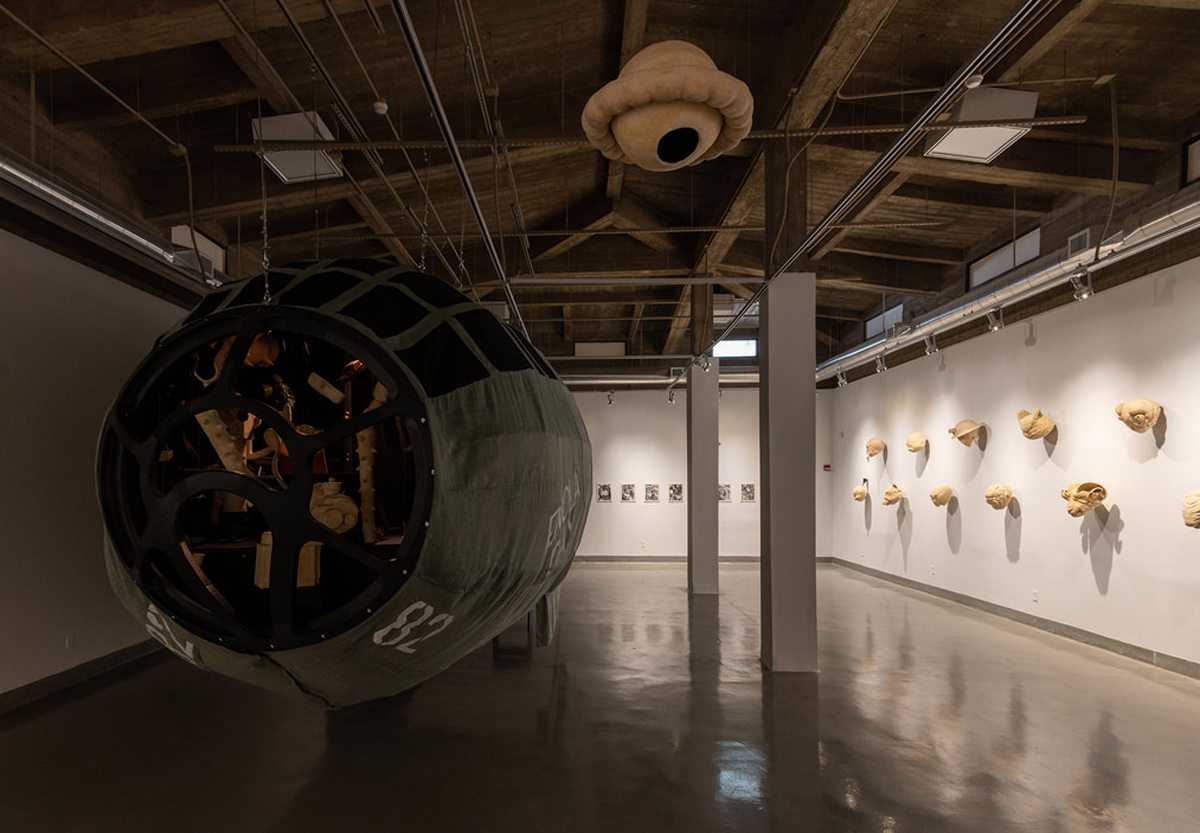
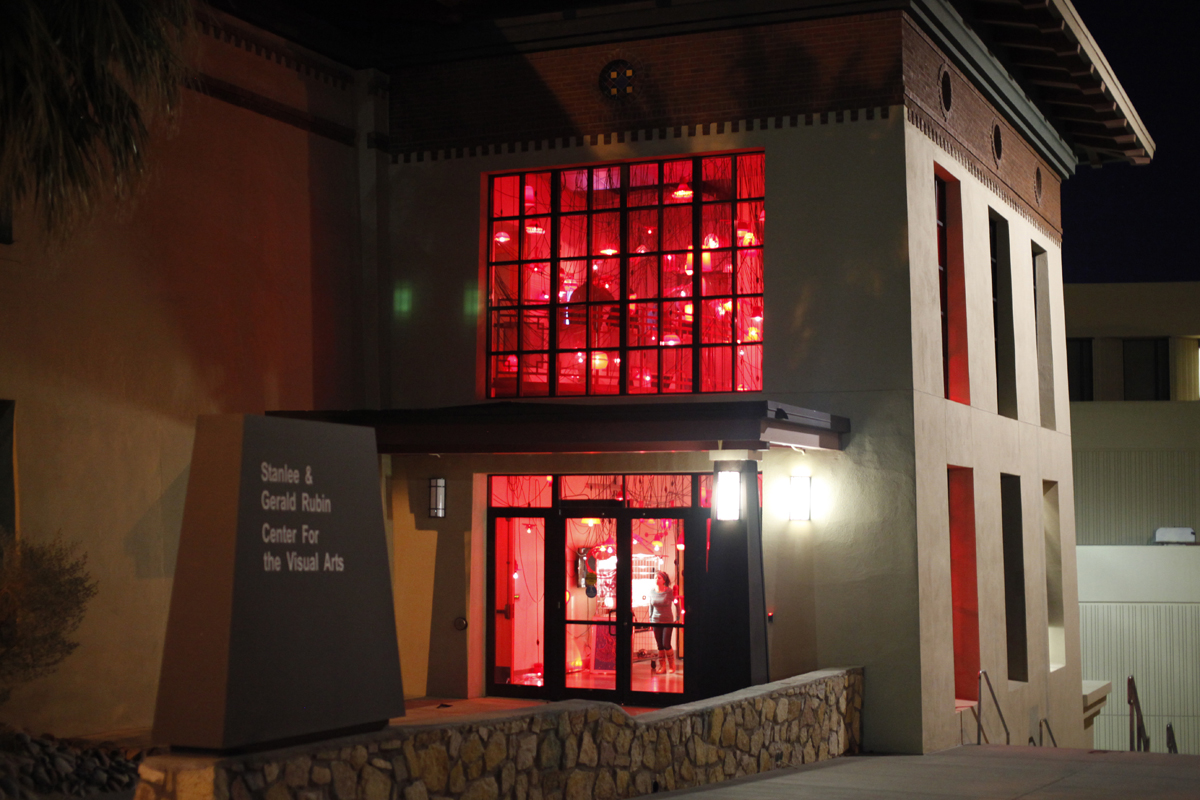
When Andres Payan Estrada recalls his undergraduate internship at the Stanlee and Gerald Rubin Center for the Visual Arts in El Paso, he describes it as “foundational” to his artistic and curatorial career. Today, the Rubin Center announced that Payan Estrada, who returned as senior curator just a year ago, has stepped into the directorship. He is the first person who was born and raised in the El Paso–Juárez borderlands to lead the institution as director and chief curator.
The appointment brings his career full circle while placing him in a new position of responsibility to his alma mater, the University of Texas at El Paso. Payan Estrada’s training at UTEP led him to Los Angeles, where he earned an MFA from the California Institute of the Arts and built a decade-long career at Craft Contemporary, eventually serving as creative director and curator. “But I always kept one foot in El Paso,” he says. “My family is here. My community is here. I was always looking for ways to engage with the borderland[s]—to contribute, even while I was away.”
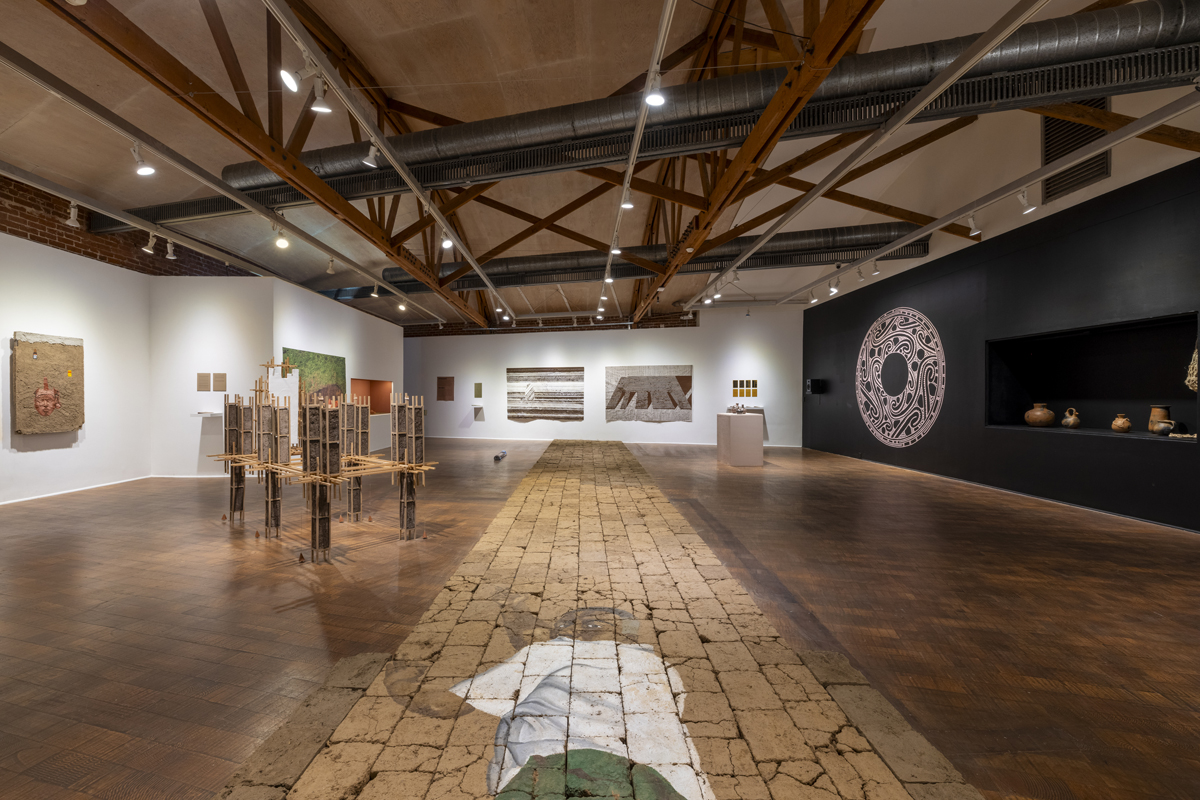
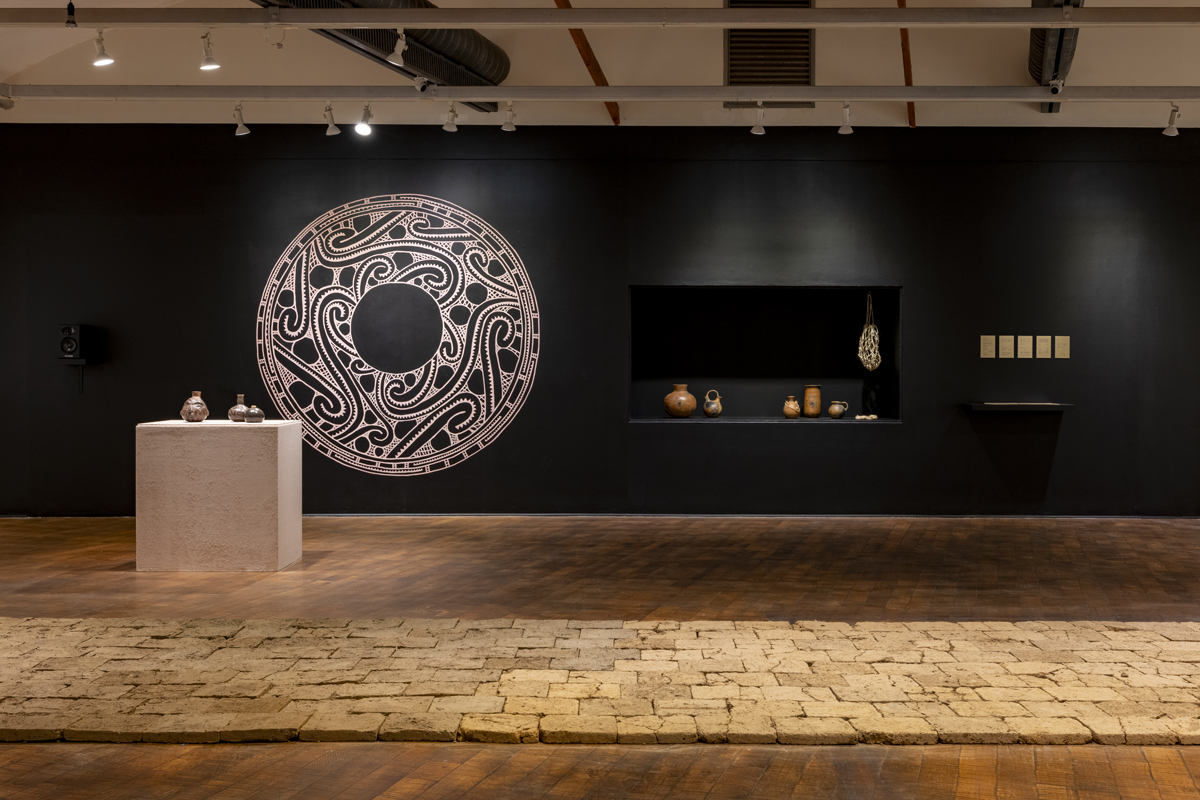
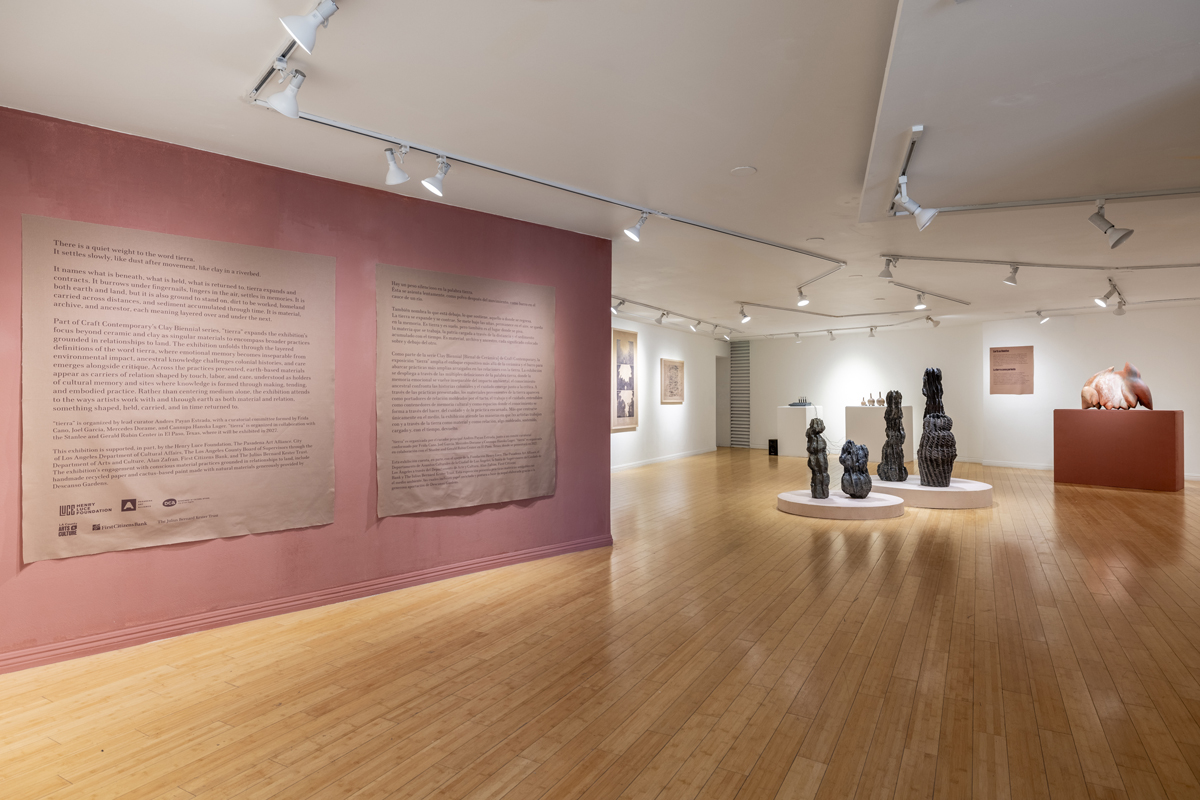
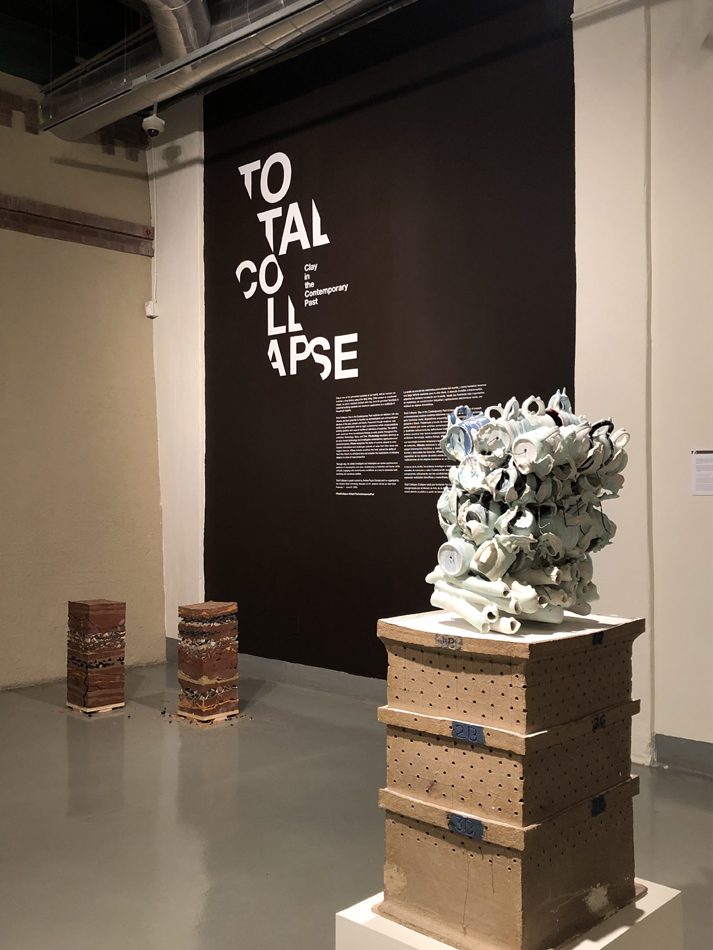
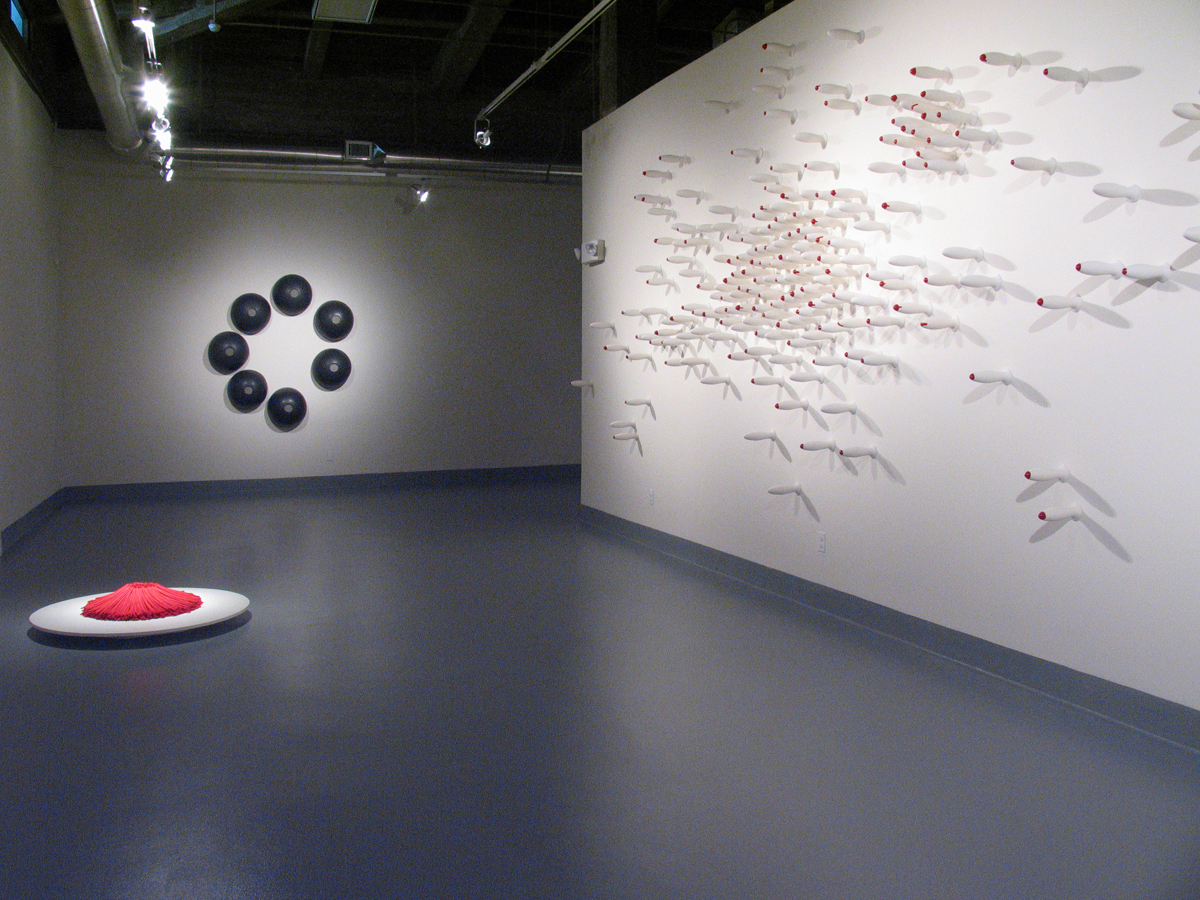
His artistic practice engages border geography, the region’s material culture, and the act of making. “I am interested in the politics of things,” he says. “How did this get made? Who chose to make it? What story does it tell?” He explored these questions in Total Collapse: Clay in the Contemporary Past, his first project for the Rubin in 2019. Bringing together Latinx artists working across ceramics, textiles, collage, and installation, the exhibition considered clay as both an ancient technology and a contemporary commodity. Nearly eight years later, Payan Estrada will bring tierra, the latest edition of Craft Contemporary’s Clay Biennial, from Los Angeles to the Rubin in January 2027. “We started with all the different definitions of the word ‘tierra,’” he says. “It can invoke a homeland, a material, an archive.” Focused on land, migration, and making, the exhibition offers a clear statement of his curatorial priorities.
I understand what it is to be a student here… to have a studio practice here. You see the opportunity to come back and you just know it’s time.
With his rapid ascent through the leadership at the Rubin, Payan Estrada has kept in mind that he is reentering a flourishing binational arts community. He points to longtime collaborators and neighboring organizations—including Azul Arena, San Luis Contemporáneo, and the Falstaff Project—as evidence of the work that continued across the region during his years in California. He also acknowledges the legacy of Kate Bonansinga, whose curatorial focus on craft during her time at the Rubin was “incredibly influential,” as well as that of his predecessor, Kerry Doyle, whose engagement with Latin American politics shaped his civic commitments. “The Rubin is only a part of that larger ecosystem,” he says.
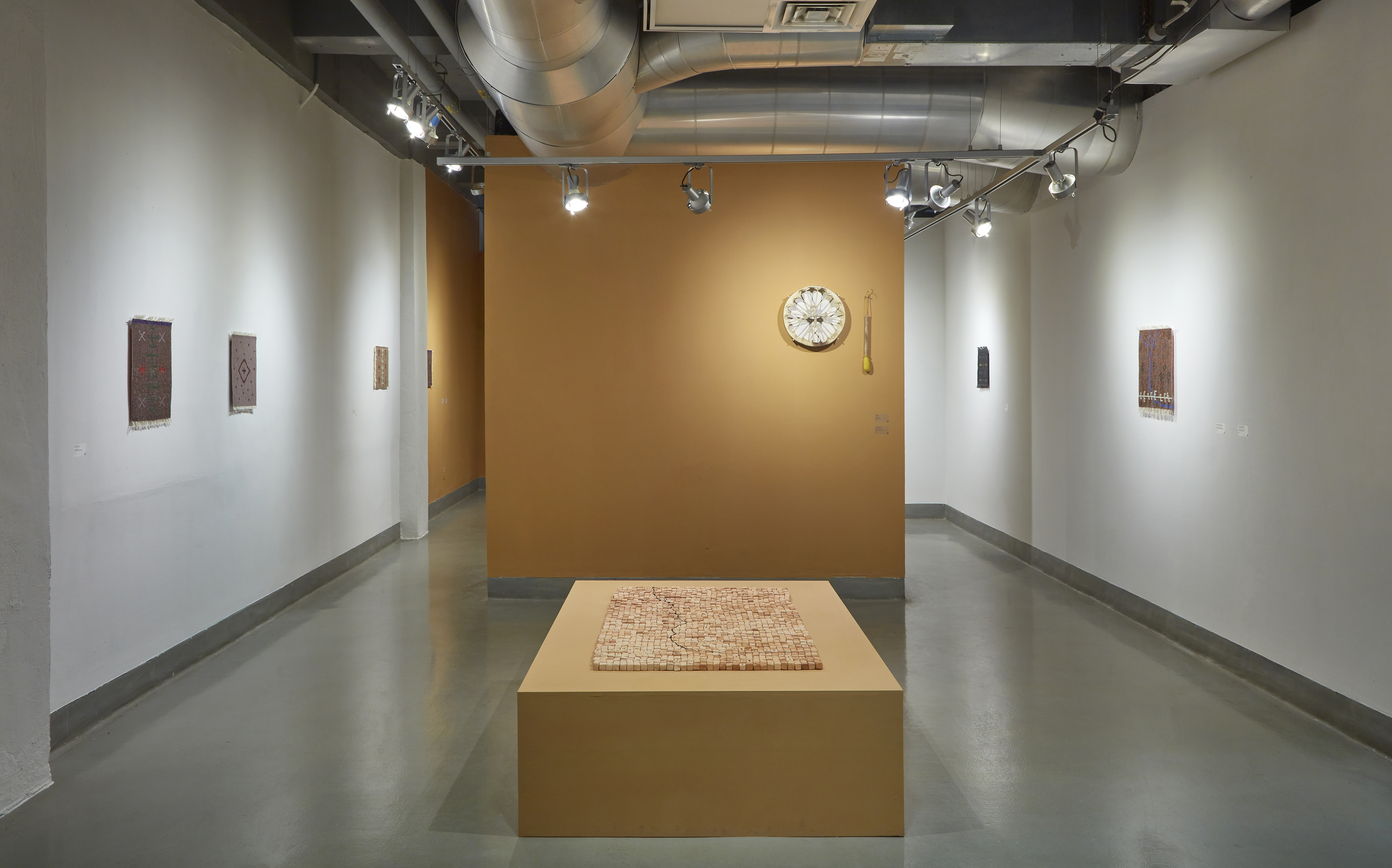
His self-assigned challenge, then, is to slot into that ecosystem while forging stronger connections beyond the borderlands. Payan Estrada hopes to deepen the Rubin’s binational ties while connecting border-based artists to networks extending from “Mexico City to Tijuana to Los Angeles.” The center’s participation in Sutura—an inaugural binational contemporary art gathering unfolding across El Paso and Ciudad Juárez this November—will put that ambition into practice. Its programming will include collaborations with the binational collective AMBOS (Art Made Between Opposite Sides) and the textile collective Nortejiendo, as well as Payan Estrada’s debut exhibition as director, Costuras Territoriales. The exhibition brings together five women who reckon with the U.S.-Mexico border through textile-based art. Together, these projects aim to provide a platform for local talent while strengthening relationships with international artists.
Yet, Payan Estrada emphasizes the importance of aligning national interest in the El Paso arts scene with local priorities. Rather than representing a “monolithic, flattened idea of the border experience,” he will strive to continue shaping the Rubin into “a resource, a platform, a space… that is truly serving these audiences and these communities.” With El Paso–Juárez attracting major arts investors such as the Mellon Foundation, Payan Estrada looks forward to welcoming “eager collaborators and fabulous funding” to an arts community that has long been active without comparable visibility. He hopes to position the Rubin as one of the country’s leading academic art institutions, “not by trying to do what somebody else is doing but by understanding that the Rubin can only exist here in this region. What is the unique quality of working from the El Paso–Juarez region?”
For Payan Estrada, the opportunity to guide that growth is what made his return home feel like fate. “I understand what it is to be a student here. I understand what it is to have a studio practice here. You see the opportunity to come back and you just know it’s time,” he says. In his first months as director, he will balance a wide remit: supporting students and artists, collaborating with UTEP Fine Arts faculty, and keeping his own artistic practice alive. “It’s a lot. I don’t sleep,” Payan Estrada jokes. Still, the scale of the task has not diminished his excitement. “I’m feeling good. I’m feeling grateful,” he says with the grace and confidence of someone approaching the work they were born to do.