Accepting an invitation to a major biennial is one thing, closing gaps in institutional support is another. Three Southwest artists sound off.
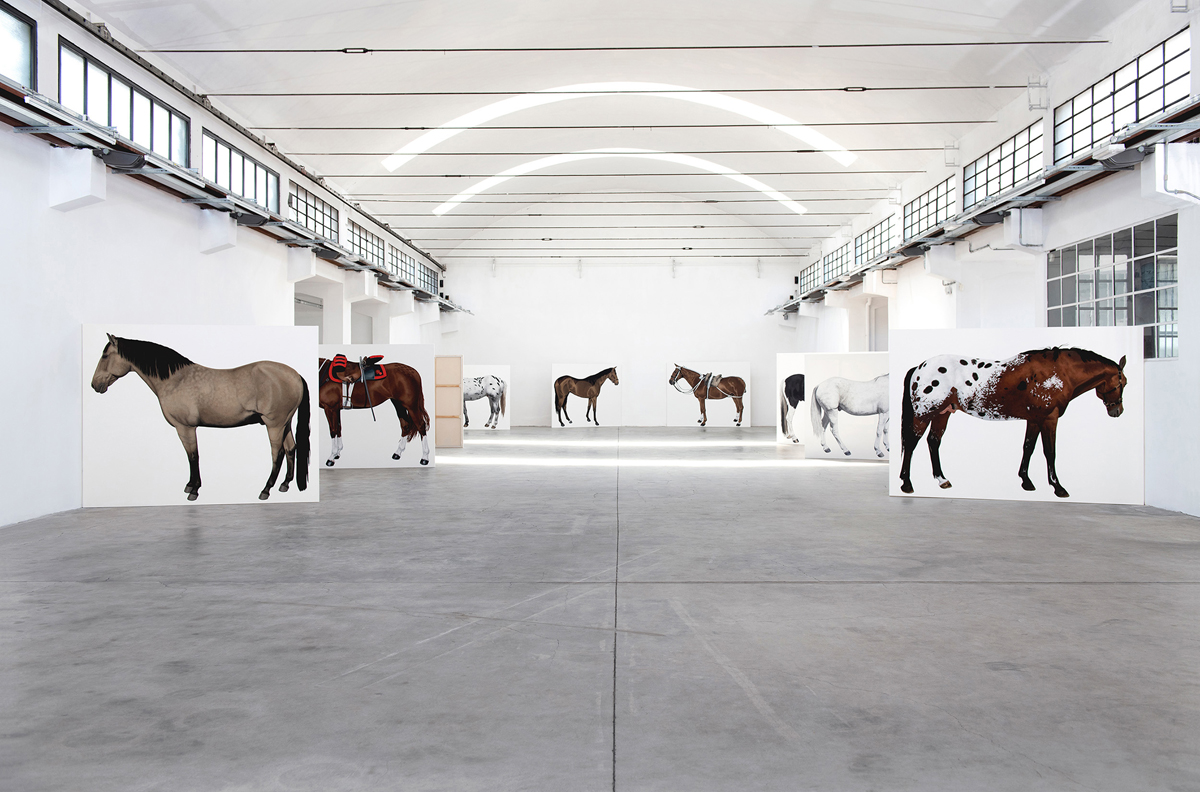
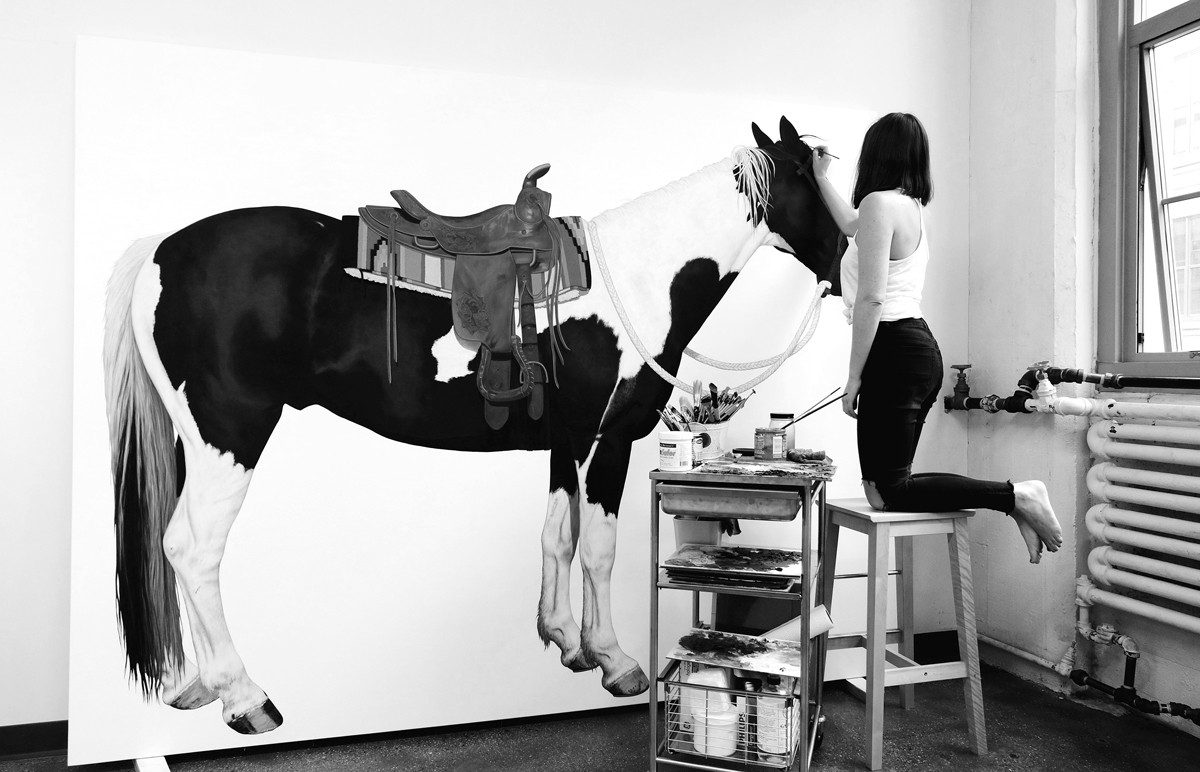
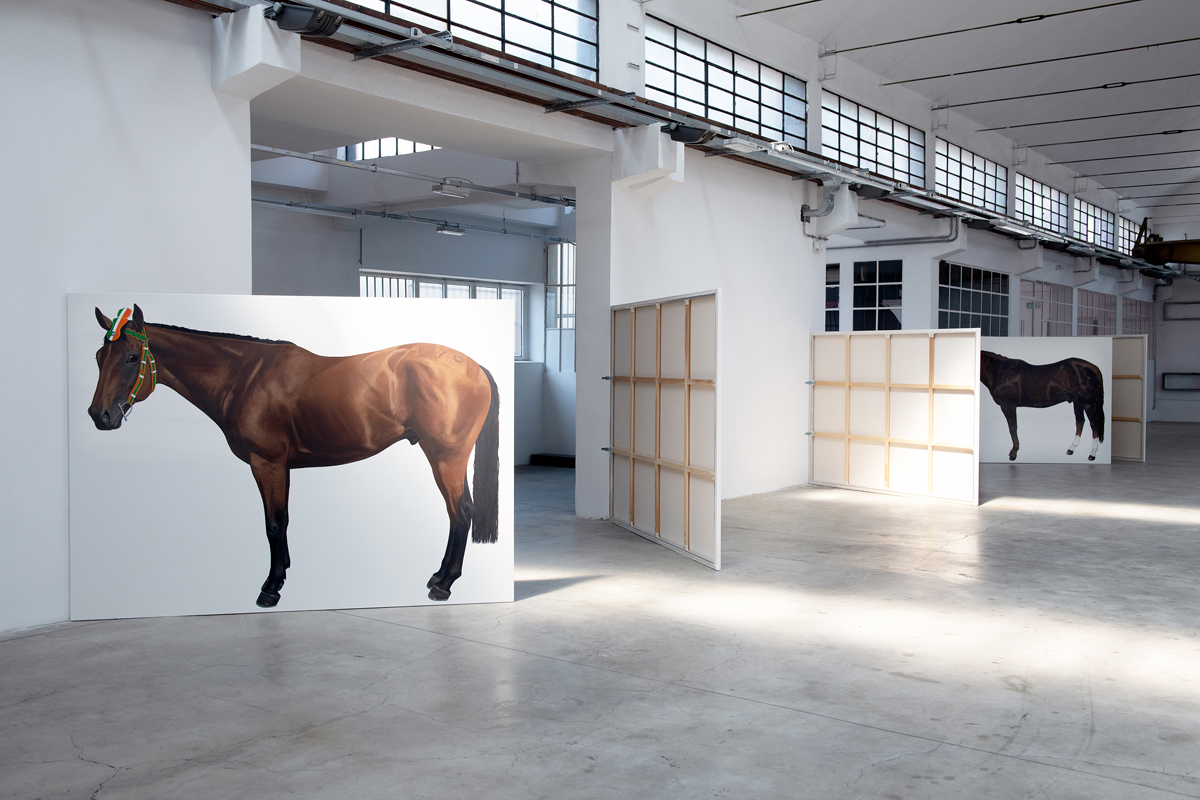
When visitors enter the stables of the Grand Master’s Palace in Valletta, one of the largest exhibition sites for the Malta Biennale 2026, they’ll discover a dozen life-size horse paintings by Santa Fe–based artist Lara Nickel standing on the ground within the space rather than hanging on the walls.
“I wanted to create something where every view changes as you walk through it, with a charged space in the middle that makes people feel awkward or uncomfortable,” Nickel says of 12 Horses — Homage to Jannis Kounellis (2014-2018), her installation paying homage to the Greek artist who once showed a dozen live horses inside a gallery in Rome. One thing visitors won’t see is how Nickel’s herd arrived there.
Like those who’ll be navigating the physical, symbolic, and art historical aspects of her work in Malta, Nickel has been working her way through a creative journey filled with surprises.
I’ll be in debt, and that should not be the case.
After this year’s Malta Biennale artistic director Rosa Martínez visited New Mexico and formally invited her to participate last year, Nickel discovered the significant sacrifices it can take to realize the dream of exhibiting work at an international biennial.
“I’m very grateful to be included, but the process of trying to find funding and arrange all the logistics has been extremely challenging,” says Nickel of the nascent biennial, which launched in 2024. “The Malta Biennale gives artists a certain amount of money and that helped me cover a lot of the shipping, but it doesn’t cover other expenses like airfare and lodging.”
According to the Malta Biennale 2026 open call, the “maximum eligible amount per project is 13,000 EUR and can cover artistic fees, hire/purchase of equipment, travel costs, accommodation costs, production fees, insurance, shipping/freight, contingency.”
Nickel recounts “writing grants like crazy” but “feeling very demoralized” because they’ve all been rejected. She’s been crowdsourcing with a Kickstarter campaign that runs through March 11, the first day of the biennial. But she’ll have to reach her $5,000 goal in order to receive any of those donations.
While biennial artists hold events, sell work, and take other steps to cover costs above and beyond what they receive from a biennial itself, biennials may mount separate fundraising efforts to cover their own operations. And even after a biennial draws to a close, artists can incur related expenses such as shipping any unsold work back home.
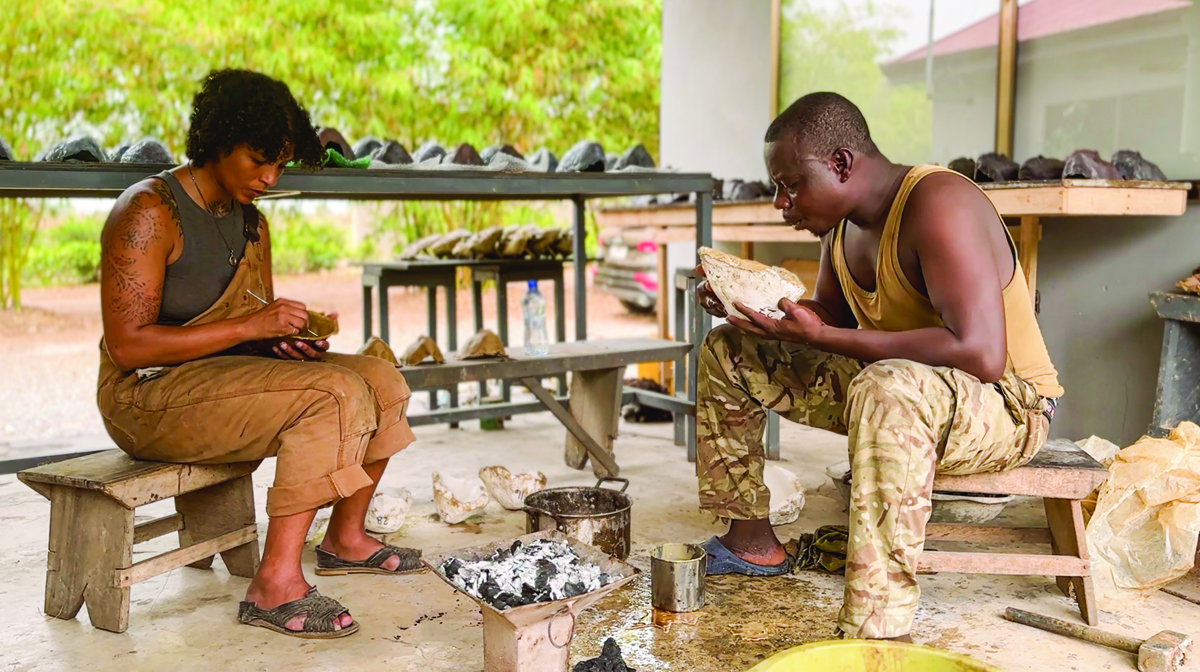
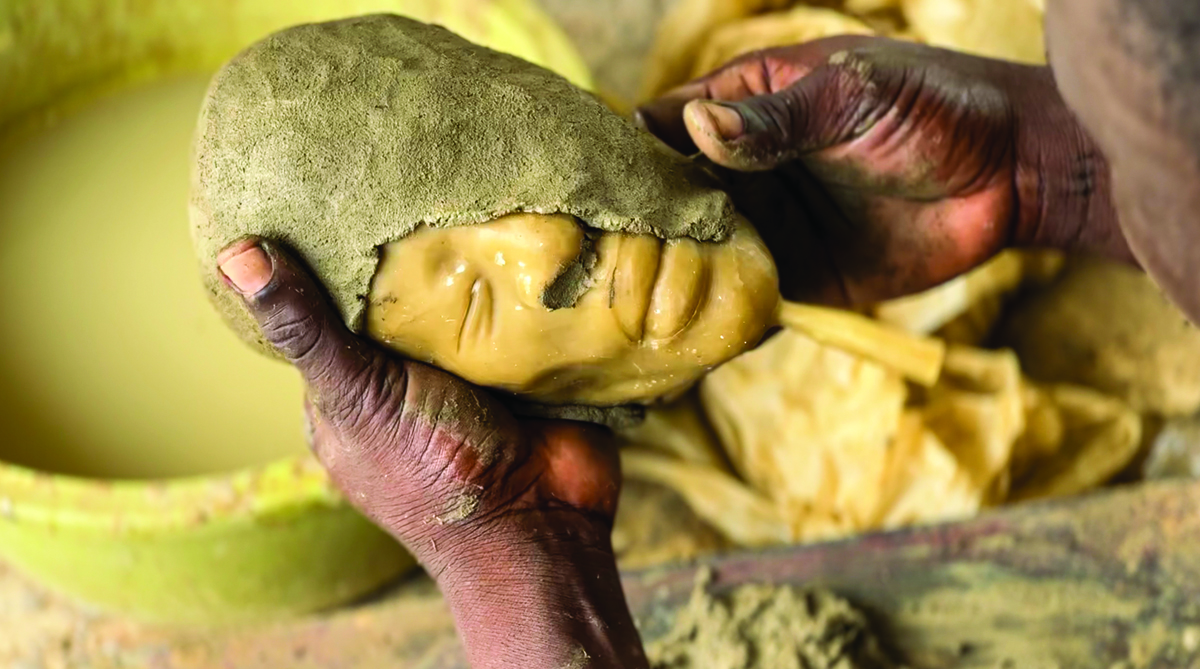
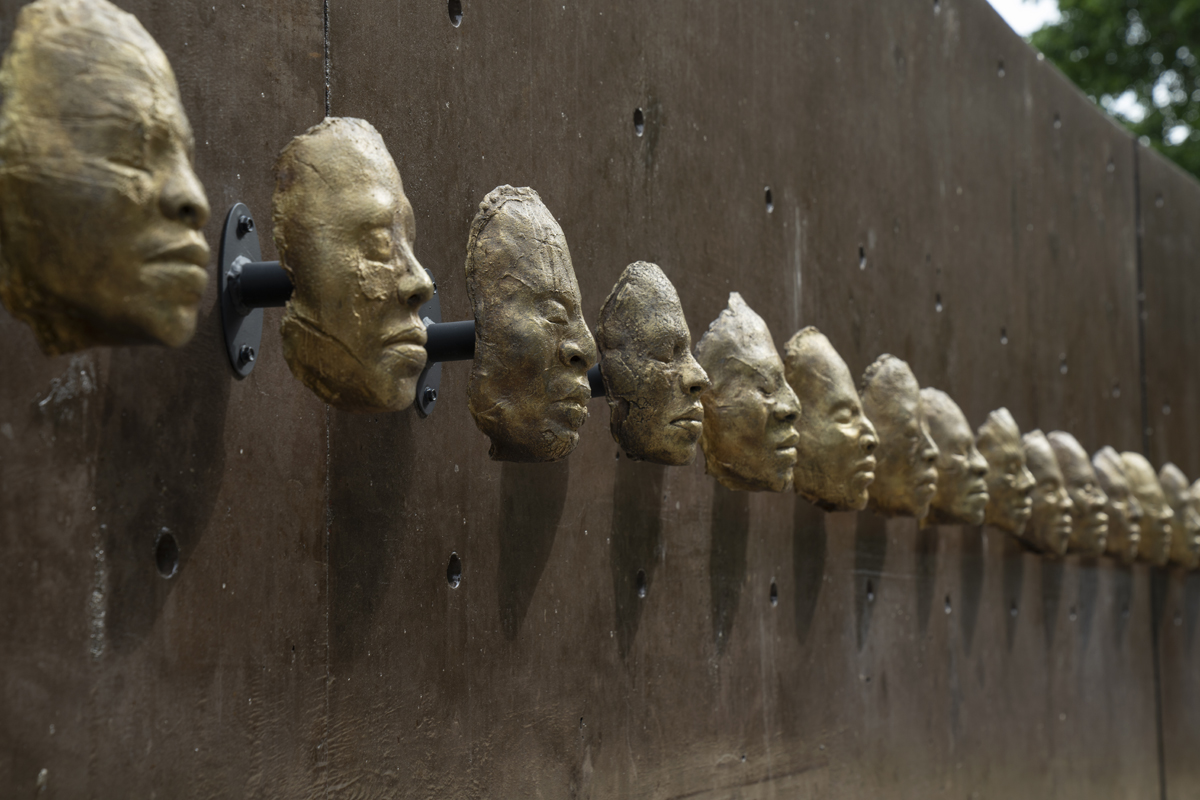
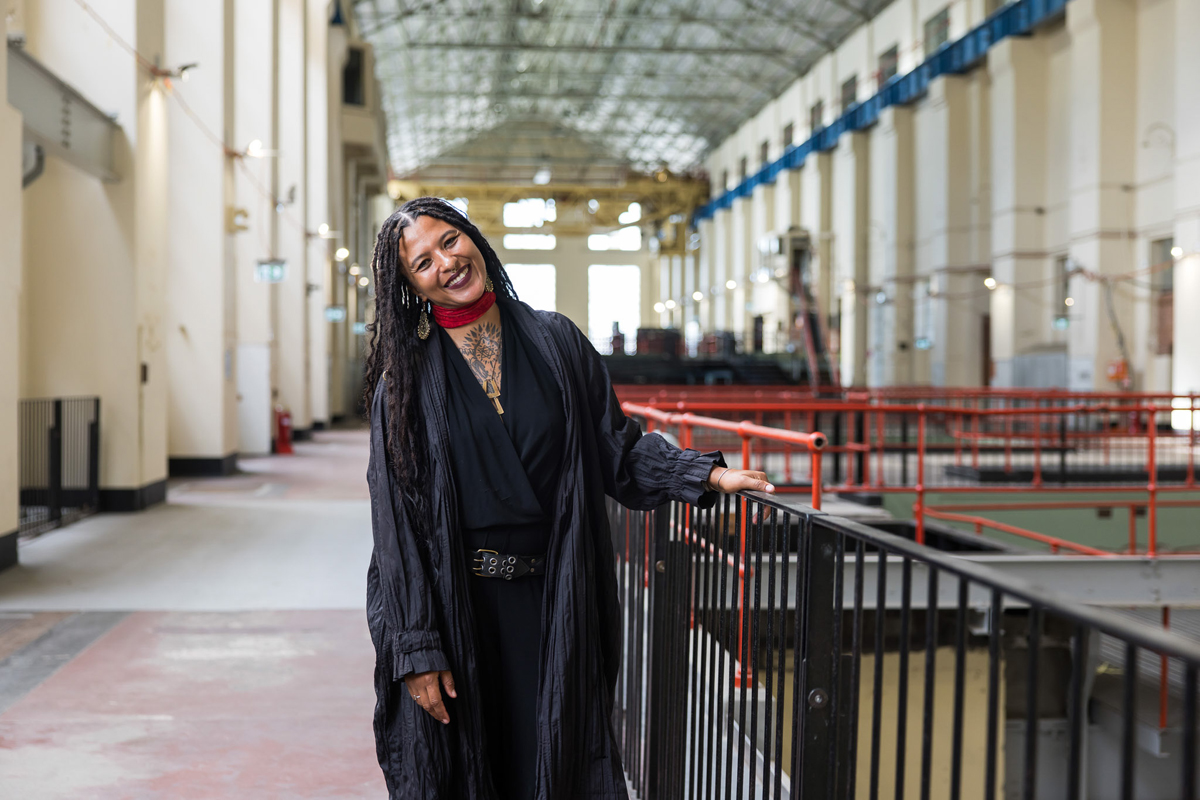
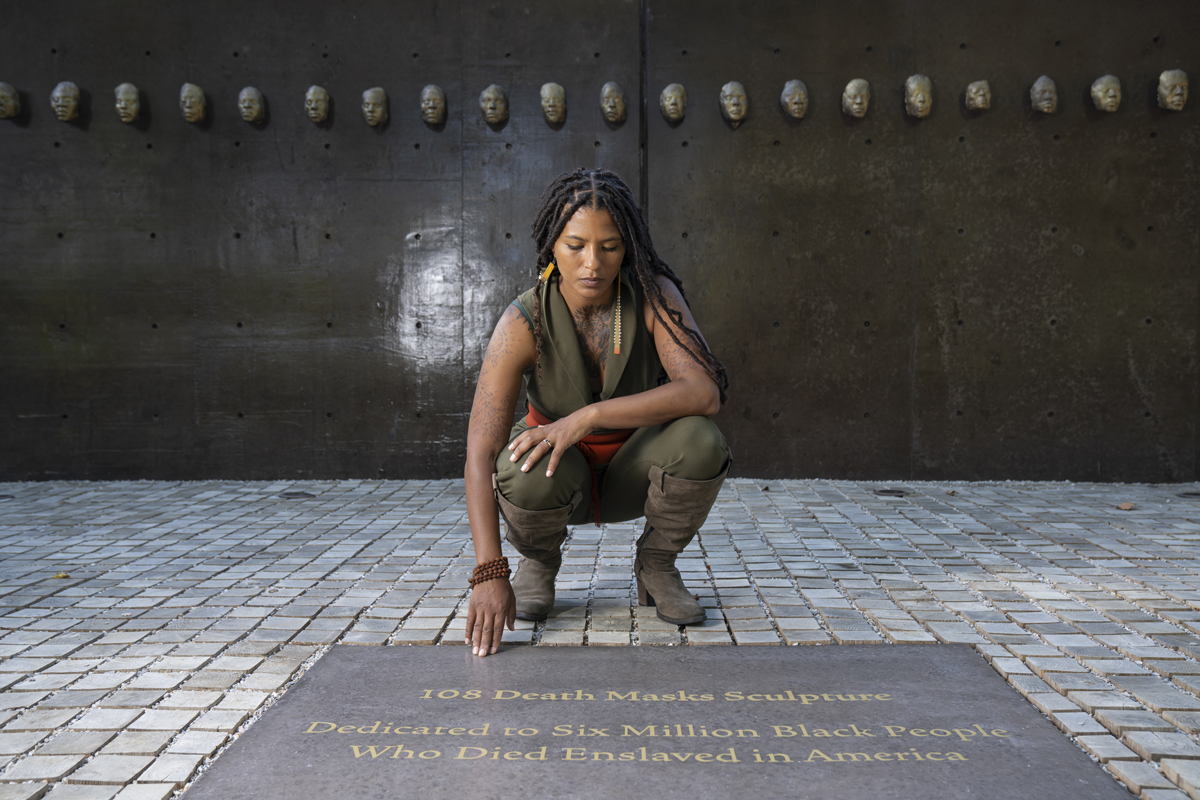
Taos-based artist Nikesha Breeze (who uses they/them pronouns) says it will cost at least $100,000 to put up their Living Histories installation at the Biennale of Sydney 2026, which runs from March 14 to June 14. The monumental installation “animating the firsthand narratives of elder African Americans who experienced enslavement as children” through sculpture, sound, and performance, appears inside the central Turbine Hall at White Bay Power Station.
Breeze created the installation in Australia because shipping costs from the U.S. would have been prohibitive. Although the biennial commissioned the work, Breeze describes having to cover myriad expenses including documentation. “I’ll be in debt, and that should not be the case.”
“The Biennale does not disclose the amounts paid to artists,” according to a spokesperson for the Sydney event, who also noted that “the Biennale pays them an artist fee, and raises funds through philanthropy and corporate support.” In addition, she says, “Some artists also receive grants.”
Beyond ongoing fundraising for the biennial, by the way, Breeze is also working to secure funding for a second phase of the project that’ll be realized in the U.S.
Like Nickel, Breeze describes feeling excited—and grateful. “I’m thankful to the curator who’s making space for me and the arts,” Breeze says of the biennial’s artistic director Hoor Al-Qasimi. “The curators need more attention for all the good work that they’re doing.”
But Breeze wants artists to get more support, as well.
“Biennials need to invest more in artists,” says Breeze. “We give so much, and we should be getting 100 percent support.” Basically, Breeze takes issue with artists being expected to give their all for the chance to get great exposure, especially knowing some will barely get a mention amid sweeping exhibitions featuring art stars, and that tracking the tangible benefits of taking part in these shows can be tricky.
I’m grateful for all the support I got from local artists, but I really wish artists had more support from the rest of the art world.
“There’s a strange bittersweetness to the whole thing. I’ve witnessed artists go through so much and put so much heart and love into their art,” reflects Breeze. “We need to change the whole vision of how biennials make this happen, so artists are pushed to the forefront.”
For Breeze, the broader arts ecosystem is also a factor.
“The public doesn’t really realize the sacrifices artists are making, because they assume that if you’re in a biennial you must be making a lot of money for your art,” Breeze explains. “The struggling artist is a real thing.”
At the same time, Breeze says “artists need to stop bending over backwards for institutional experiences.”
Of course, everyone’s biennial experience is different.
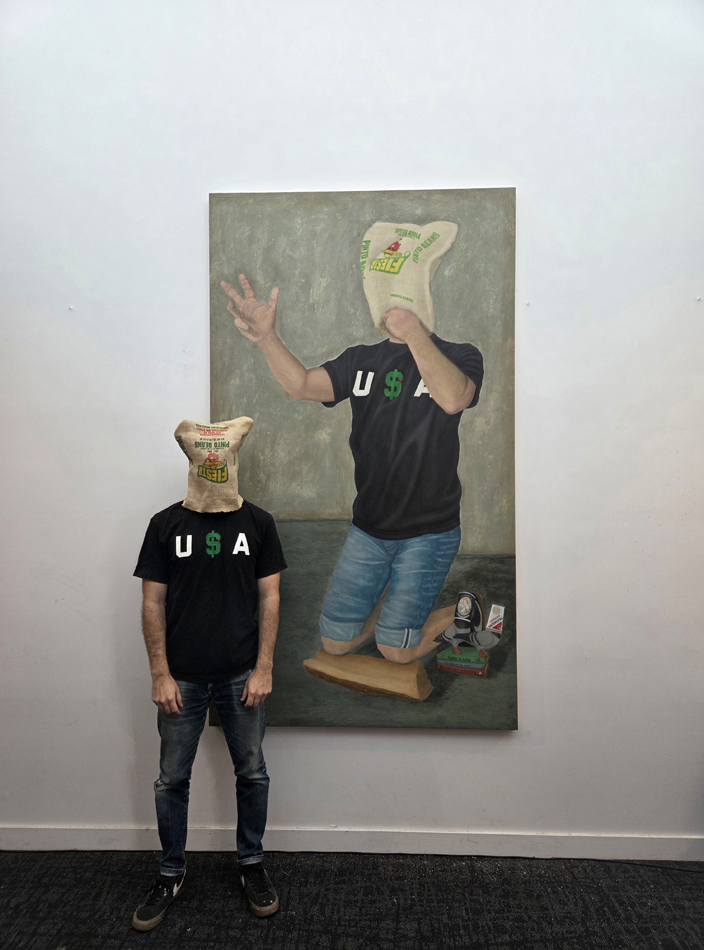
Other New Mexico–based artists who’ll be showing work at the Biennale of Sydney 2026 include Cannupa Hanska Luger (Mandan, Hidatsa, Arikara, Lakota), Rose B. Simpson (Santa Clara Pueblo), Daisy Quezada Ureña, and Vicente Telles.
“I hope our work brings more awareness to the diasporic community of artists making work in New Mexico and the Southwest,” says Albuquerque-based Telles. He’s been in Australia since January, creating commissioned artwork addressing language loss, cultural depreciation, and colonization. Telles describes working twelve-hour days, which exemplifies how artists invest not only their treasure but their time.
Although Nickel didn’t need to create new work for the Malta Biennale, she still lost several months of painting time as fundraising consumed the majority of her days.
“I went into this not having a lot of guidance,” recalls Nickel. “I’m grateful for all the support I got from local artists, but I really wish artists had more support from the rest of the art world.”
Still, Nickel says she’s found a positive side.
“I realize that I can do big things with very little help, and I’m proud of myself,” she says. “It’s intimidating but I made it happen.”