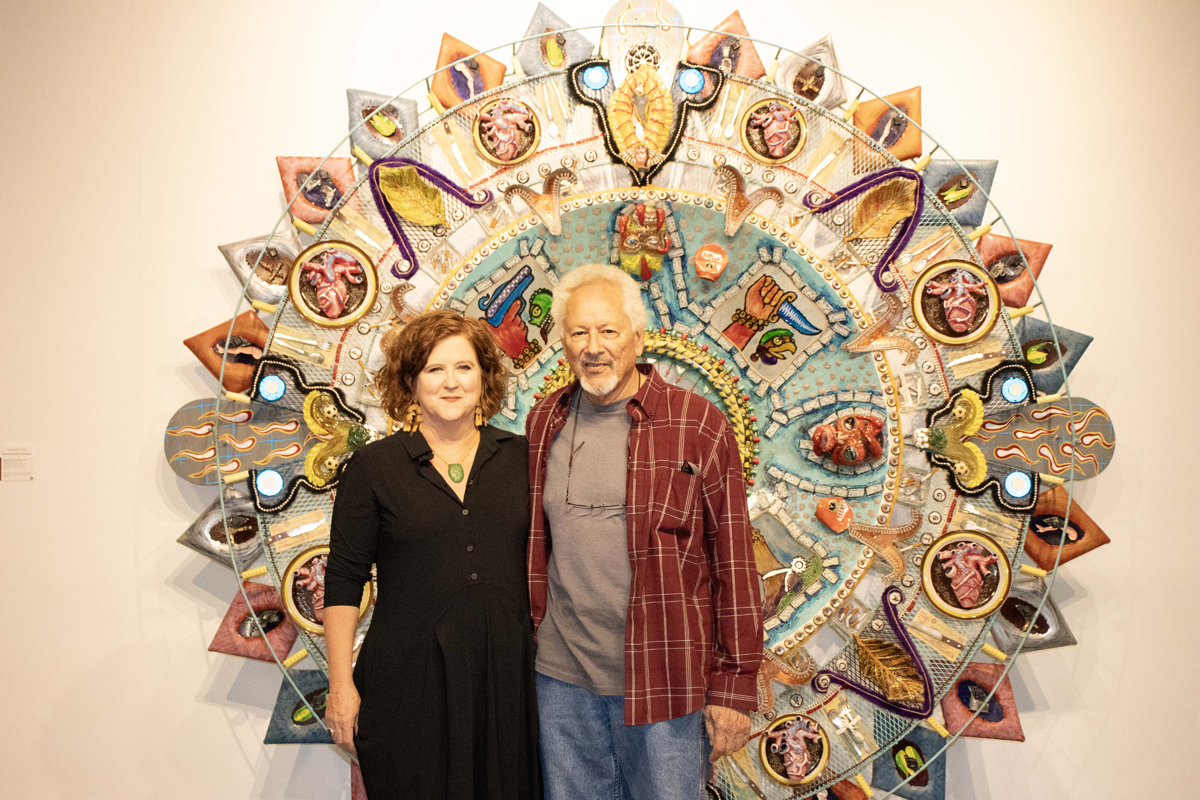
The Gaspar Enríquez Cultural Center is in small-town Texas, but its leaders have national sway. New director Carolina Franco-Glenn aims to grow in both directions.
Old blood stains the salt flats outside San Elizario, Texas, from a twelve-year conflict that claimed about thirty lives. On the final day of the San Elizario Salt War—December 12, 1877—the townsfolk killed Charles Howard and his allies by firing squad. A Virginia-born transplant, Howard had tried to claim the flats through escalating violence, a Wild West saga that sparked sensational headlines across the nation.
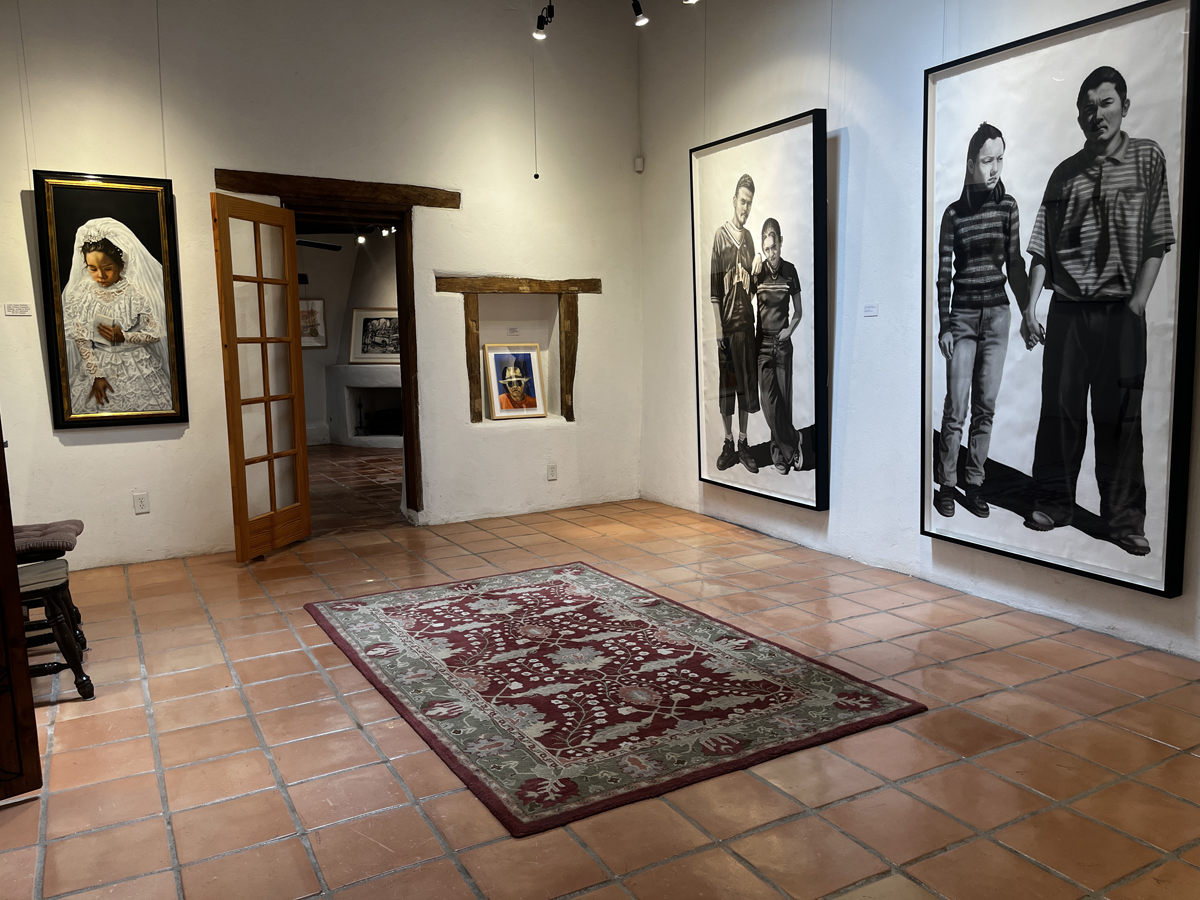
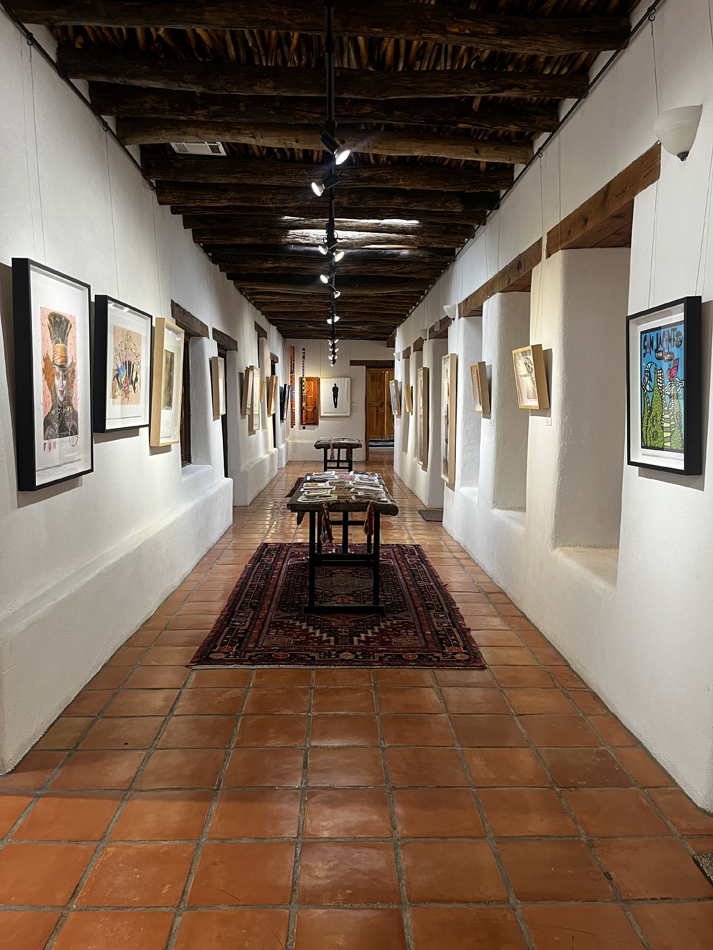
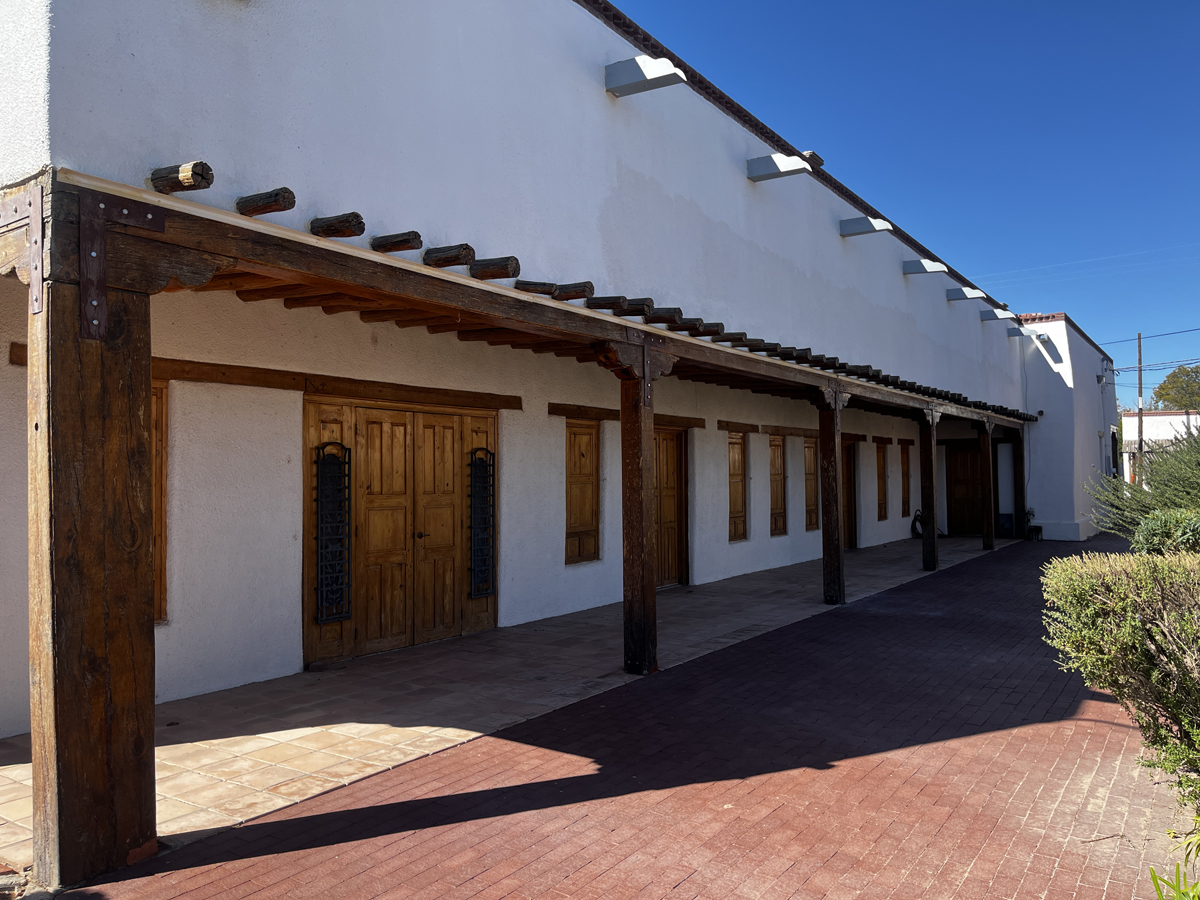
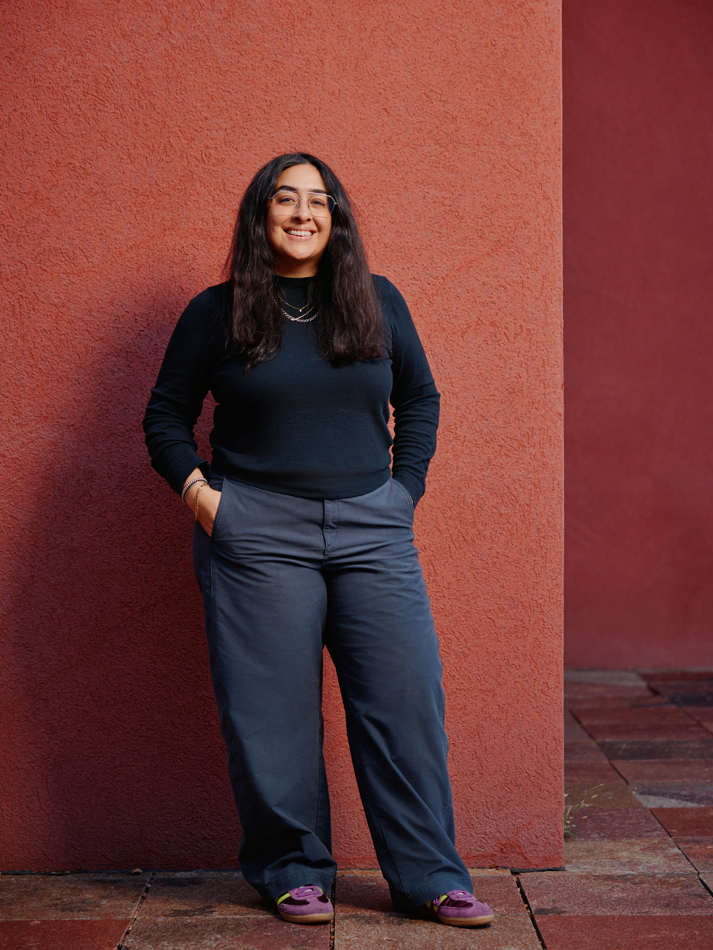
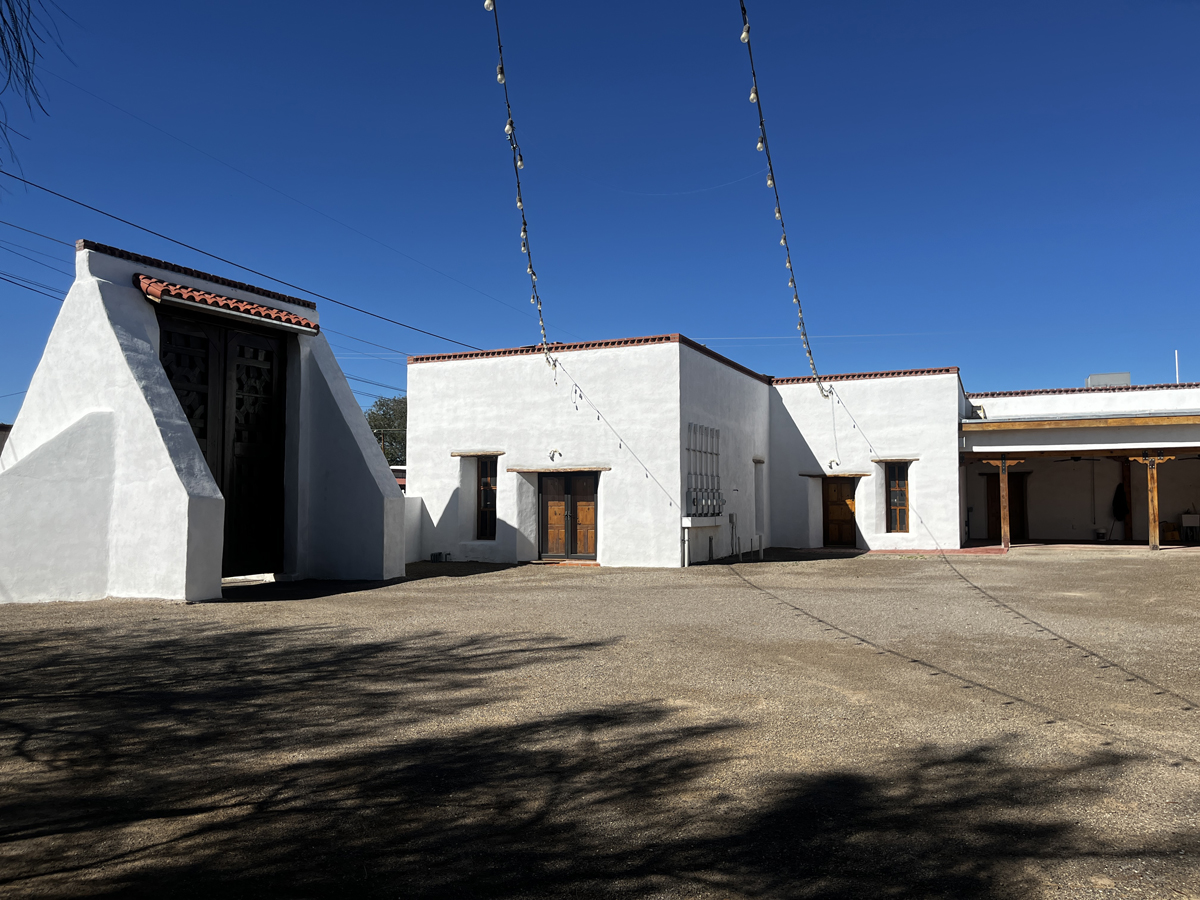
“That was the people’s salt,” says Carolina Franco-Glenn, who grew up in nearby El Paso. “And so the community of San Elizario revolted. It is said that [Howard] was shot on one of the walls of our building.” The building is Mi Casa Gallery, a historical adobe that fills a city block in this Far West Texas border town of 10,000. It is also home to the Gaspar Enríquez Cultural Center, a Chicano art–centric institution for which Franco-Glenn will serve as the first full-time director starting in January.
[San Elizario] has that history of fighting, of standing up for yourself.
Franco-Glenn delivers the bloody tale matter-of-factly, to make a point about the people of San Elizario. “It has that history of fighting, of standing up for yourself,” she says. The fact that the building survives exemplifies this, too: in El Paso “a lot of the adobe structures were demolished… so to see it in San Elizario, for me, is beautiful,” Franco-Glenn says.
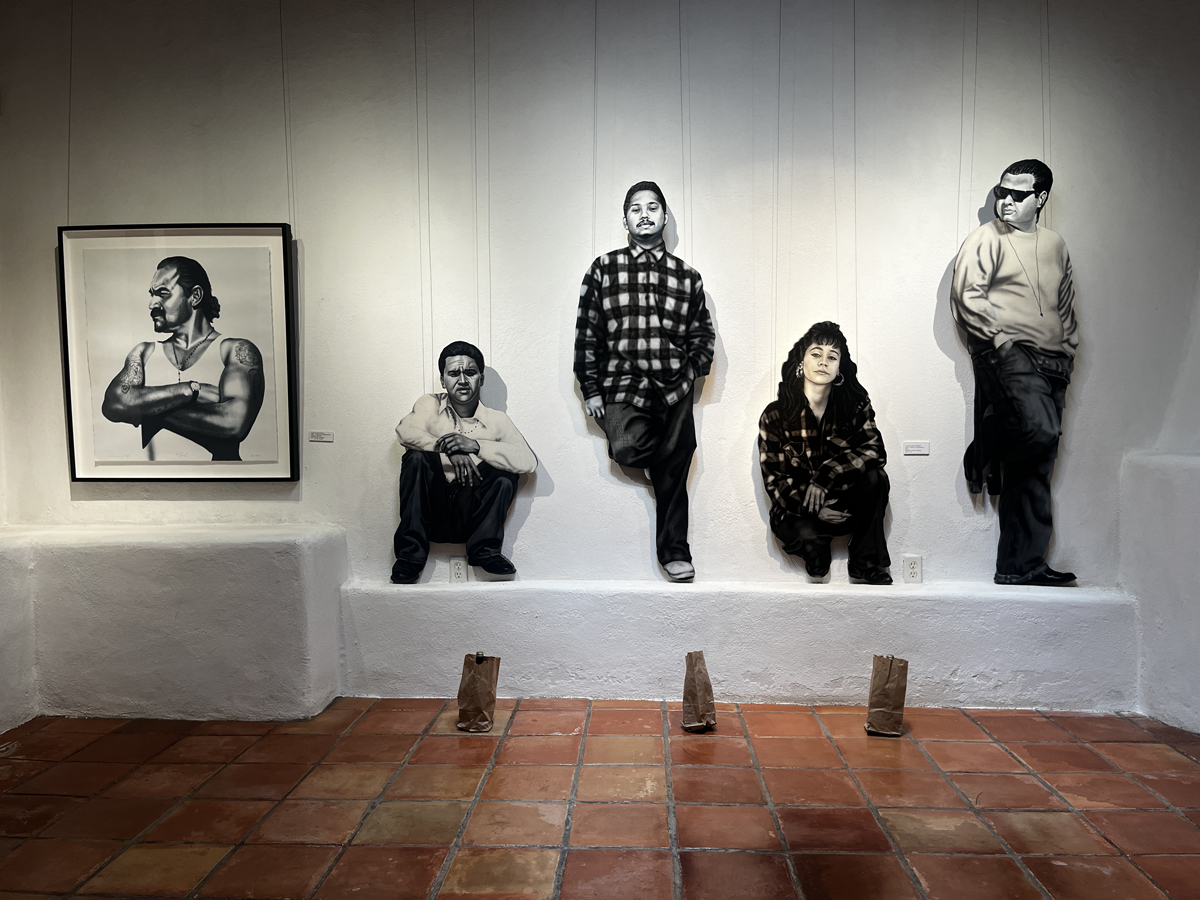
Celebrated local artist Gaspar Enríquez has stewarded the property for the last three decades. It was “in virtual ruins” when he acquired it, Enríquez recalls, and he spent countless hours actualizing its pristine current condition. He was also juggling a teaching career and his painting practice, unleashing larger-than-life portraits of community members that have roamed institutions from the El Paso Museum of Art to the Smithsonian National Portrait Gallery.
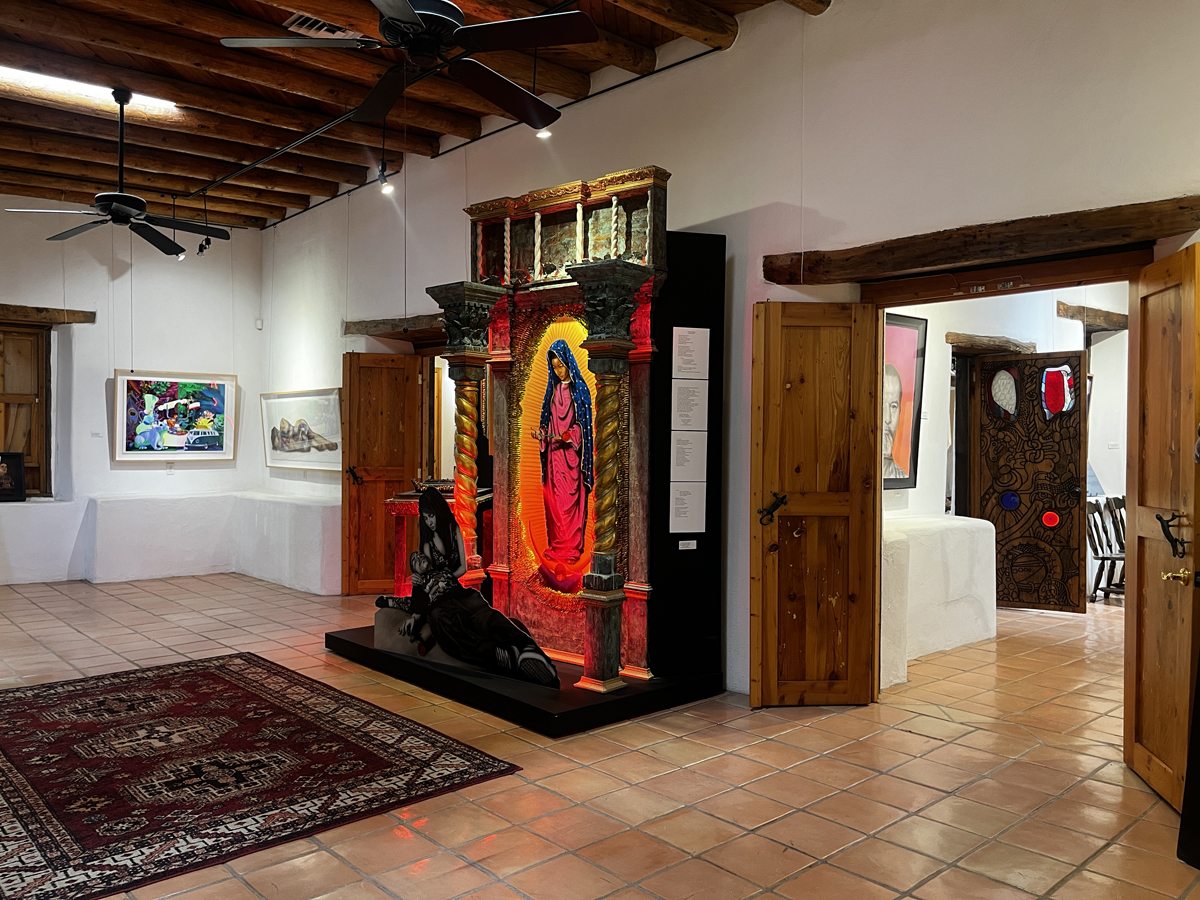
The Gaspar Enríquez Cultural Center grew out of Enríquez’s vision for the building he renovated: that it serve the community as an arts and cultural center for generations to come. That vision took shape in a 2023 programmatic collaboration with El Paso’s Stanlee and Gerald Rubin Center for the Visual Arts at UTEP. Now GECC, currently a fiscally sponsored project of the Paso del Norte Community Foundation, is working toward becoming an independent nonprofit, with Franco-Glenn at the helm and prominent local arts leaders—including Enríquez and former Rubin Center director Kerry Doyle—as advisors.
I spoke with Franco-Glenn, who will soon leave her role as director of external affairs at Site Santa Fe in New Mexico, about simultaneously building local inroads and pushing toward a national stage.
You grew up in El Paso, with family and friends on both sides of the border. You’ve described crossing into Juárez as something so ordinary that you barely registered the border itself. When did that change?
I remember I was in seventh grade, and before, you just had to say you were a U.S. citizen. You didn’t have to have an ID or anything like that. Then they started implementing these changes and more laws and policies. I was in my school uniform, crossing back with my sister because we had gone to see our family. And the Border Patrol guy was like, “What is this? Where’s your ID?” I think I had my school ID with me, and he put me in handcuffs and made me wait. I didn’t have a cell phone or anything, so my sister had to run home, get my passport, and come back and get me. They had me handcuffed to a rail or something. And I’m like thirteen years old. That was the moment I was like, oh, this is real.
You first encountered Gaspar Enríquez’s work as a student at the University of Texas at El Paso, when you walked into the El Paso Museum of Art and came face-to-face with his monumental portraits. What struck you about them, and what have you come to understand about his legacy?
I remember walking into the museum and just seeing these two blown-up kids that he had drawn, with their hard faces and their T-shirts and their pants. I just felt like, wow, that’s incredible. This is art from El Paso, coming from an El Paso artist who’s teaching at Bowie High School, right on the border. The faces that he paints are just so familiar to us.
His legacy as an artist is incredible, but his essence as a teacher is something I admire just as much. He taught for many years at a high school in one of the poorest neighborhoods in El Paso, and he was able to inspire his students through drawing and painting, teaching them to be more expressive about themselves through art. You see that legacy continuing through generations of students who become teachers and artists themselves.

You began your career in El Paso working with La Mujer Obrera, an organization that brought together art and agriculture. Similarly, GECC’s charter spans art, farming, and local histories. How did that earlier experience shape your understanding of what cultural work could accomplish?
I learned so much through the community garden. El Paso and San Elizario, believe it or not, being in the Rio Grande Valley and surrounded by farms, we’re still food deserts. [We learned] about food sovereignty and our histories through food, through art, through hosting musical events at a garden, through making sure that our communities are eating healthy food.
We would invite chefs from Puebla to do cooking courses, harvest nopales, learn about cochinilla, and do some dye work with it. You’d have your T-shirt that you made with cochinilla. Things like that.
You spent nearly seven years at Site Santa Fe, in a time when the institution was returning to the international arena. How might that experience inform GECC’s trajectory?
We’ve worked on over forty exhibitions and projects since 2020. I started at Site literally the week that the pandemic started. I didn’t meet my colleagues until three months later, maybe six months later. During that time, I started translating the exhibition didactics because the gallery was there, but we were just dark. We introduced Spanish translation. That was one of the first big initiatives that I took on.
Then, when [executive director Louis Grachos] came in 2021, we really had to sit down and think about what the future looked like. We wanted to bring the biennial back, and we had to do so much to build toward that. We redid the graphic identity, the website, and the messaging. And then we went to Venice with Jeffrey Gibson.
But the hyperlocal was always important to me, too. Being international, having conversations with the international art world, but also maintaining our relationships with our local community.
You’re planning to launch a residency, exhibitions, and a national advisory board that pull from the larger Chicano art world. This local-to-national focus is exemplified by founding board member Eduardo Díaz, a local who works with the Smithsonian. But how will you discern what the local community needs?
I think the cultural center needs to be a space that reflects our community and their needs for culture and creativity. I want to put myself in that space: If I’m living in San Elizario, what is it that I want to experience? What would make me want to go into that cultural center?
I want to talk to the señoras and the grandmas and ask, what time would you prefer to come for some cafecito? Maybe you want to learn how to play guitar, how to knit, how to do printmaking. Maybe you want to grow cempasúchil for Día de los Muertos. We can’t be a cultural center that’s open nine to five. It’s students and families and younger adults who are working. We need after-school programs, evening classes, things that fit into people’s lives.
The biggest opportunity is to start something new. I feel like I’ve had all of these experiences, and I’m just excited to build something new for the community.