Iran-born, Texas-based artist Vahid Valikhani photographs American roadsides, revealing friction in liminal zones.
Dallas, Texas / vahidvalikhani.com / @_vahid_vv
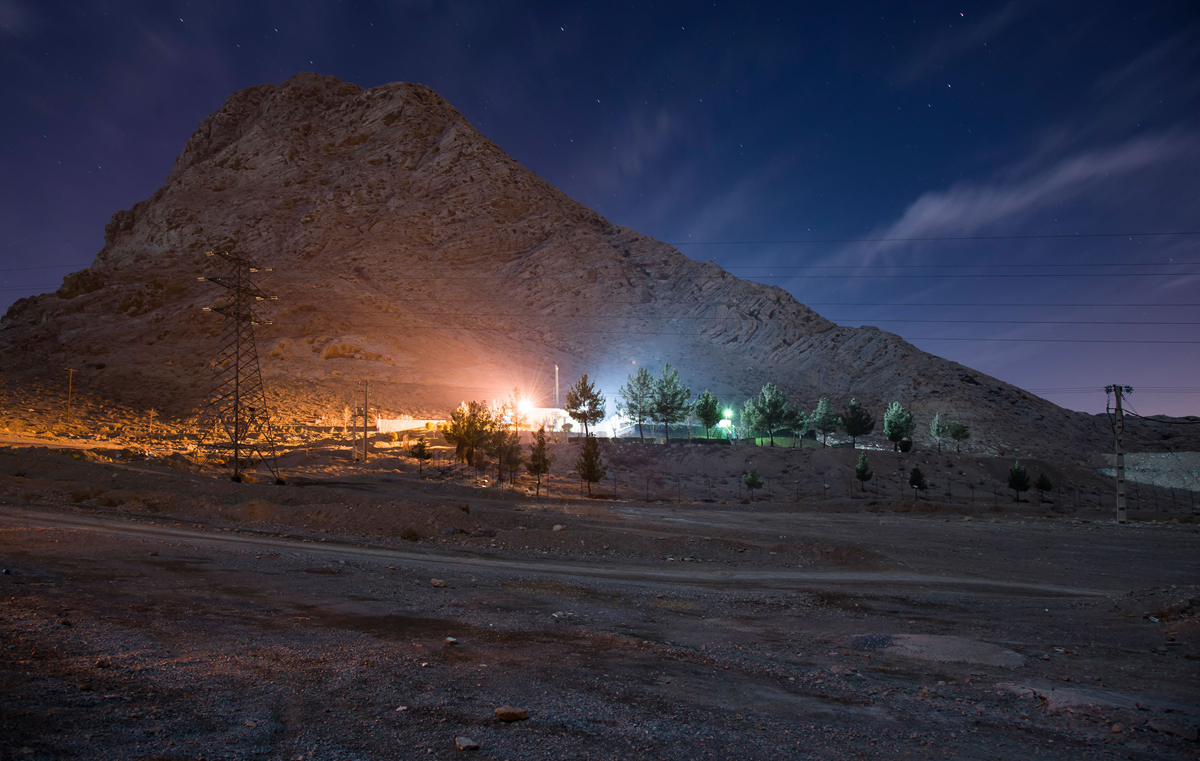
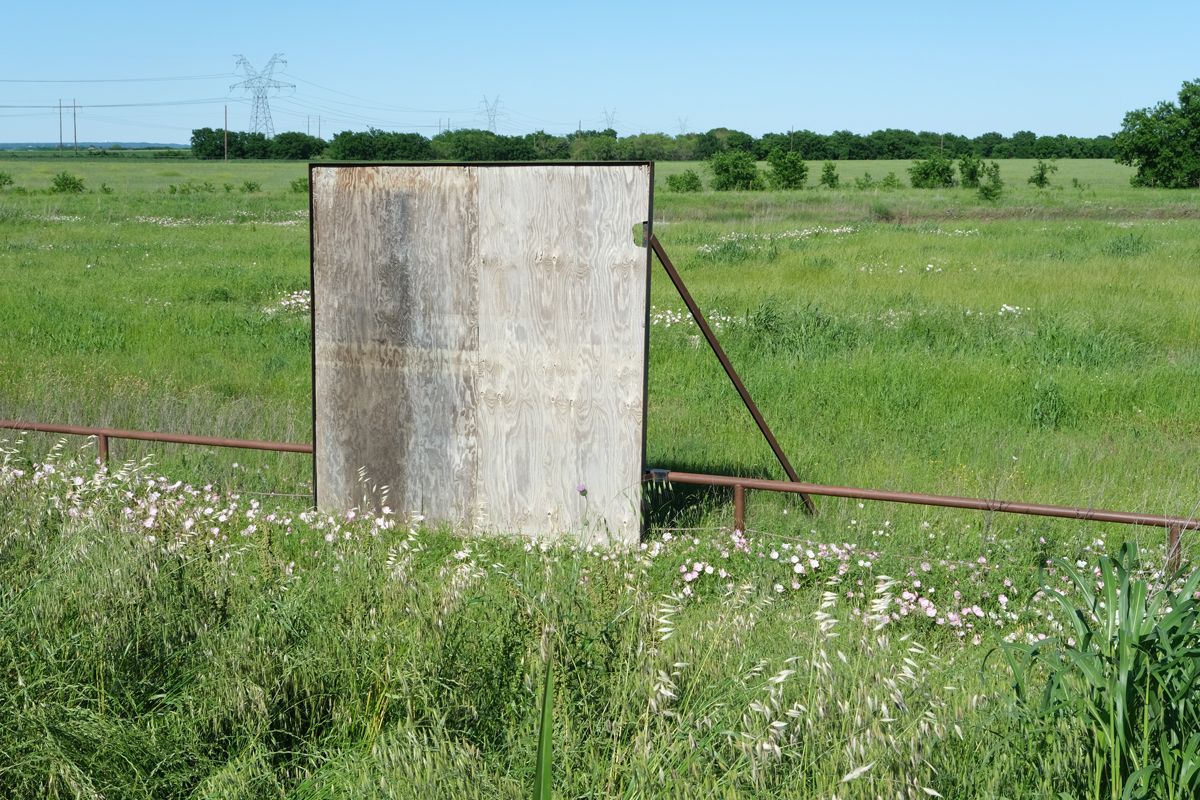
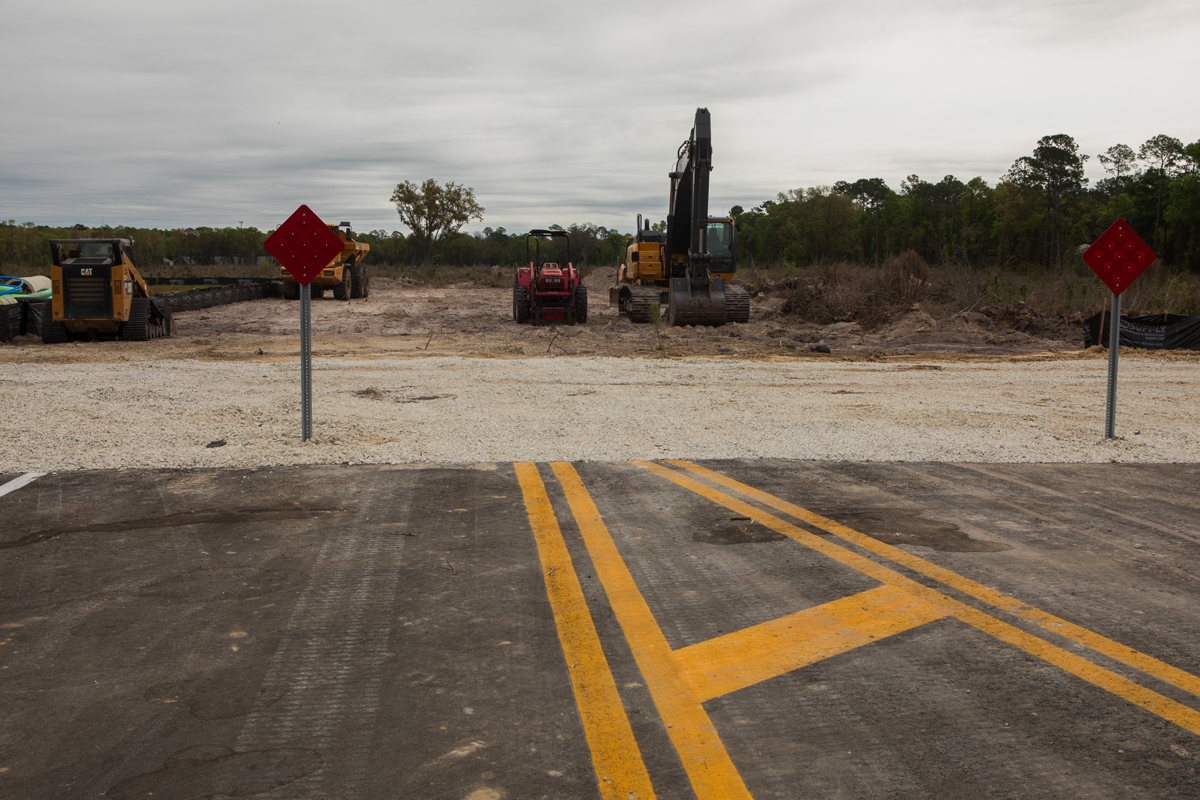
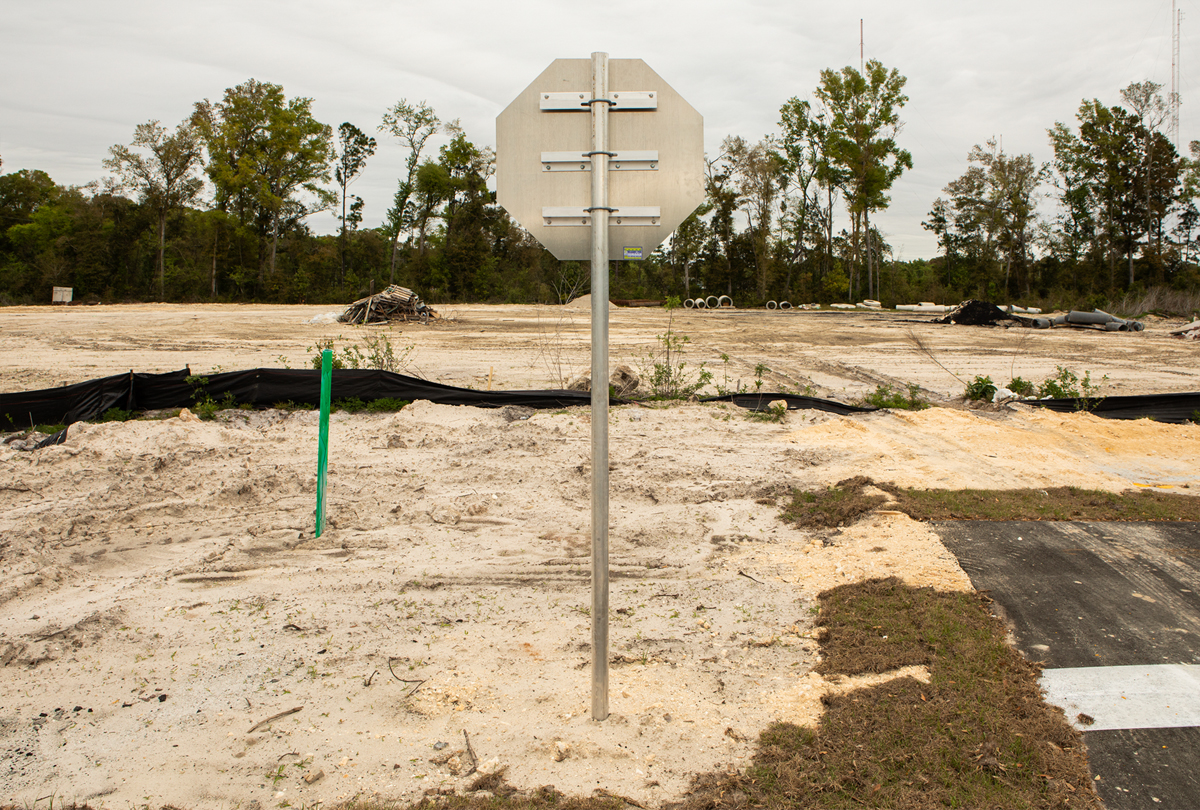
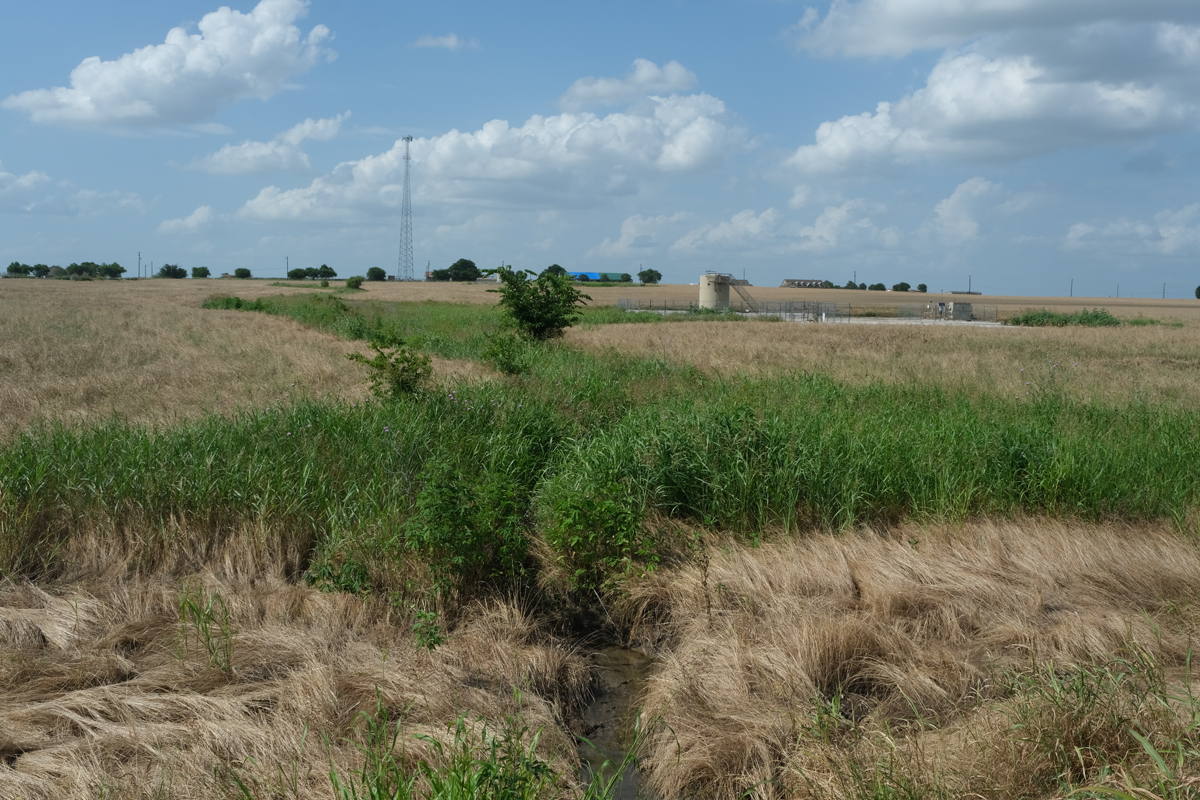
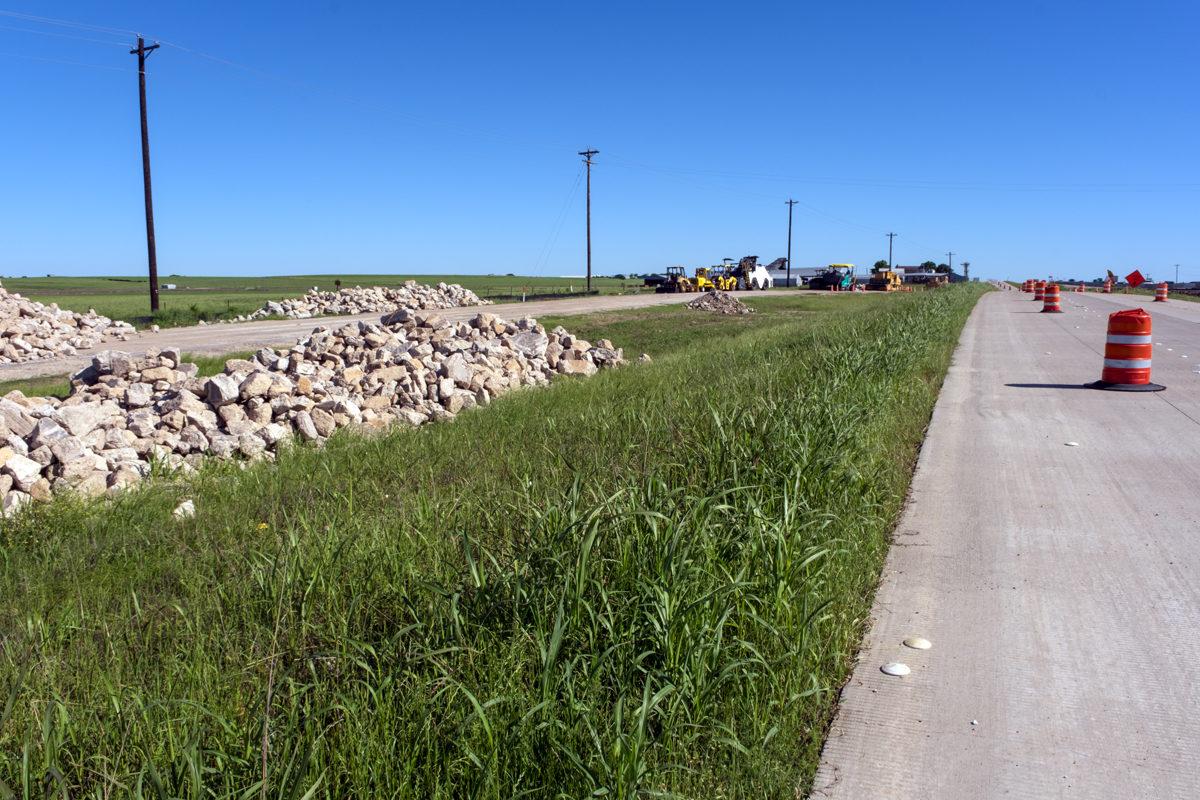
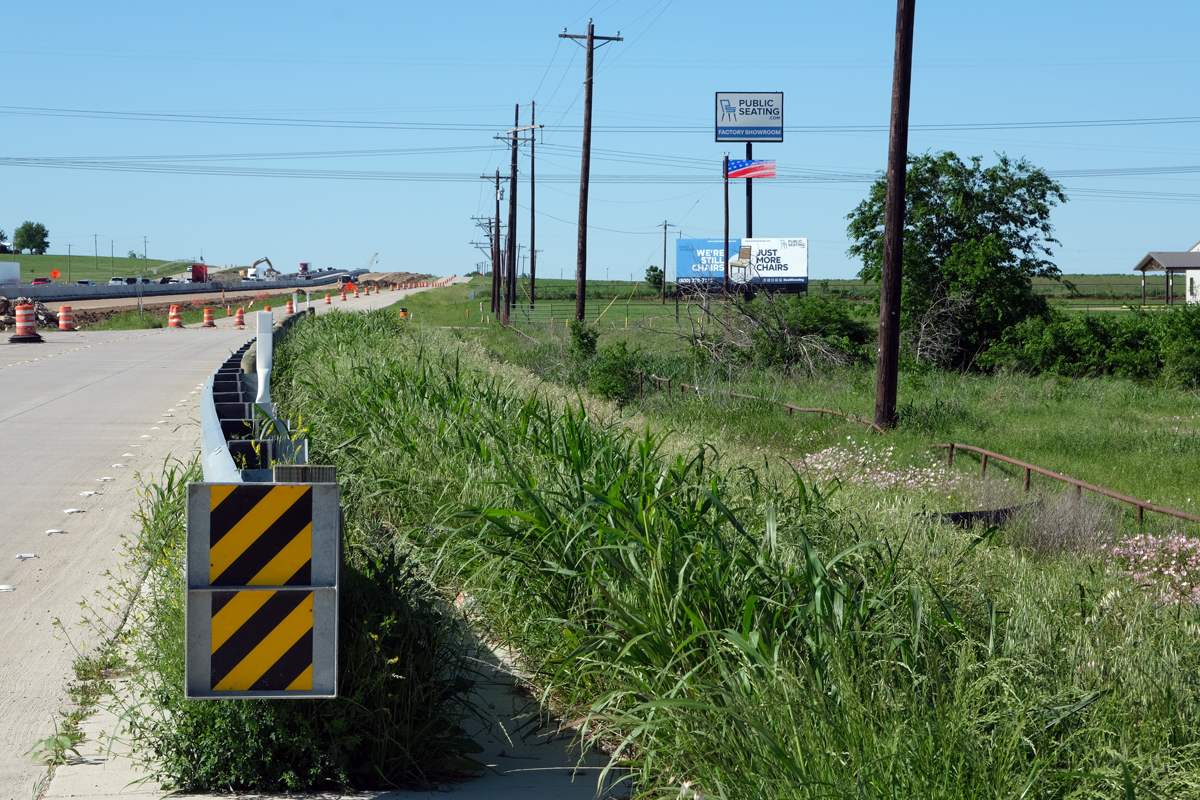
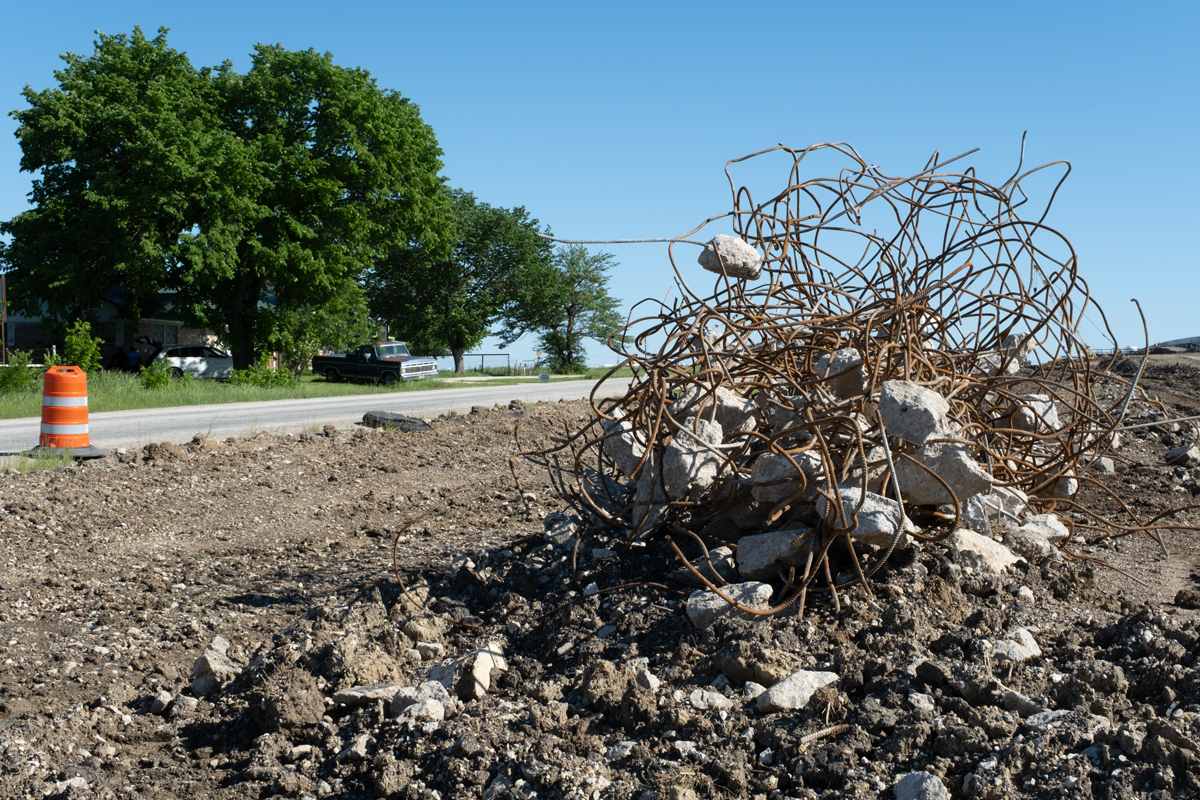
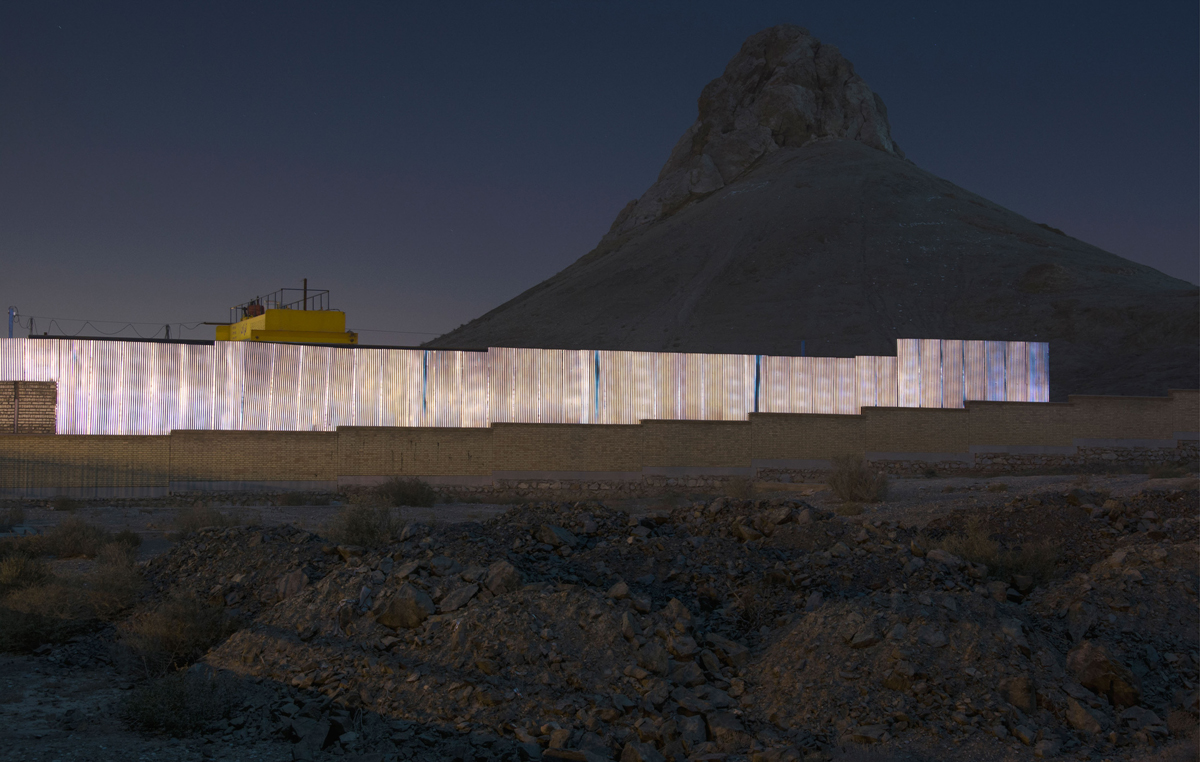
Iran-born, Dallas-based artist Vahid Valikhani’s photographs focus on the liminal zones situated between natural and constructed worlds. These ambiguous, often contested spaces highlight overlaps and frictions inherent to the convergence of disparate places, ideas, or identities. Images such as Untitled (2020) and his series Elegies (2020) and Ordinary Anomalies (2024-25) attend to the margins of the American road, where steel guardrails separate asphalt from overgrowth, or streets abruptly terminate in sandy loam.
Centering his lens on this subject matter implicitly raises some intriguing questions. For instance, what does the expansion of America’s infrastructure cost with regard to space, natural resources, and picturesque beauty? How does our drive for access, convenience, and speed alter our environment? What are the short and long-term effects of such displacements? While these questions are by no means exhaustive, they demonstrate that attention to interstitial space forces us to confront embedded contradictions and conflicts within our cultural landscape.
That Valikhani trains his camera on the edges of American roadways should come as no surprise. Relocating to the United States from Iran necessarily means that he navigates the cultural constructions of this country, while simultaneously retaining the cultural memory and heritage of his homeland. In this sense, one could argue that the artist himself exists within a liminal cultural consciousness. He says as much in his artist statement when he notes that “the political and cultural implications of displacement further sharpened my creative process. This cross-cultural perspective has allowed me to reflect on the interplay of power structures and ideologies in two distinct societies.”
While Valikhani’s examination of the American roadside’s liminal areas allows for an exploration of his own subjectivity, the images also ask viewers to confront their own relationship to ambiguity and ambivalence. In this sense, the artist’s photographs challenge us all to inquire: Where are our margins? What do they offer us? And how should we respond in spaces of uncertainty?