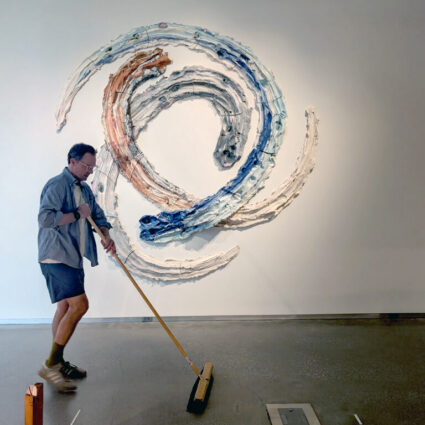
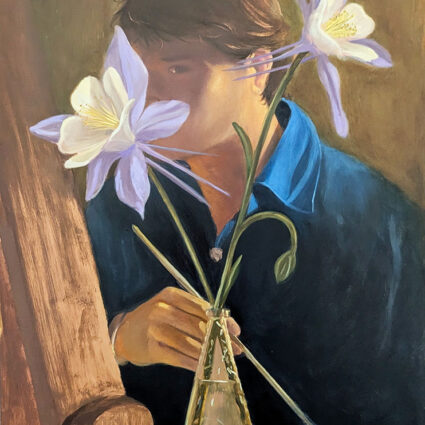
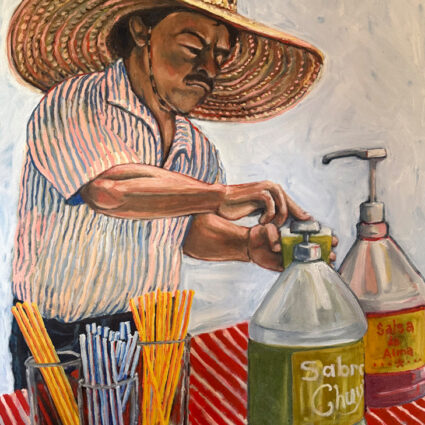
As the iconic Route 66 reaches its centennial year, 516 Arts marks this momentous milestone with The Rest is Drag, the last exhibition before the art center moves to its new, expanded location.
The Rest is Drag
July 11–October 10, 2026
516 Arts, Albuquerque
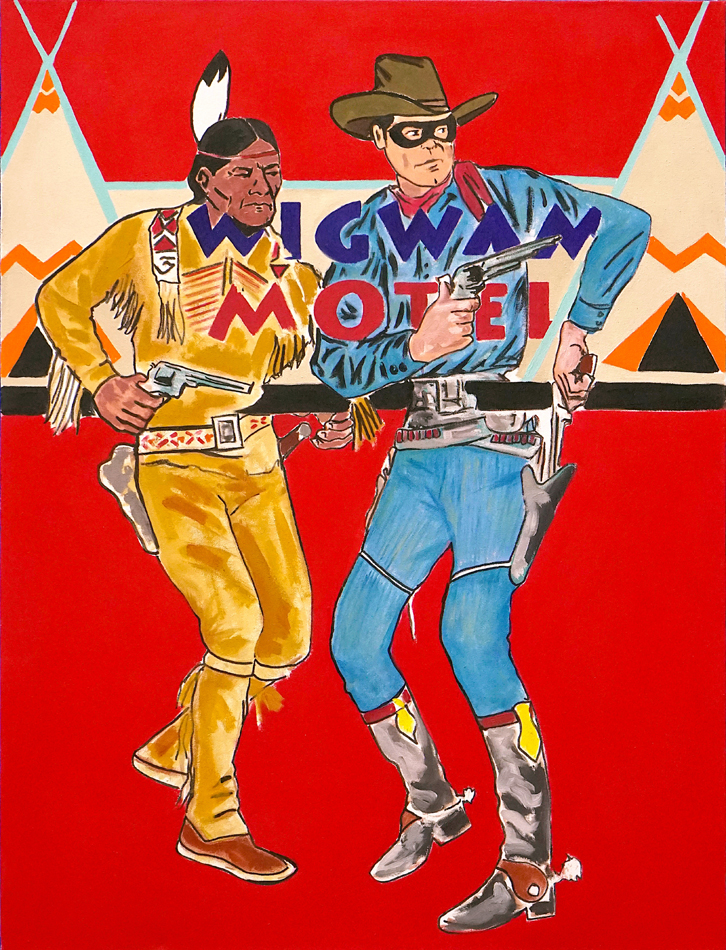
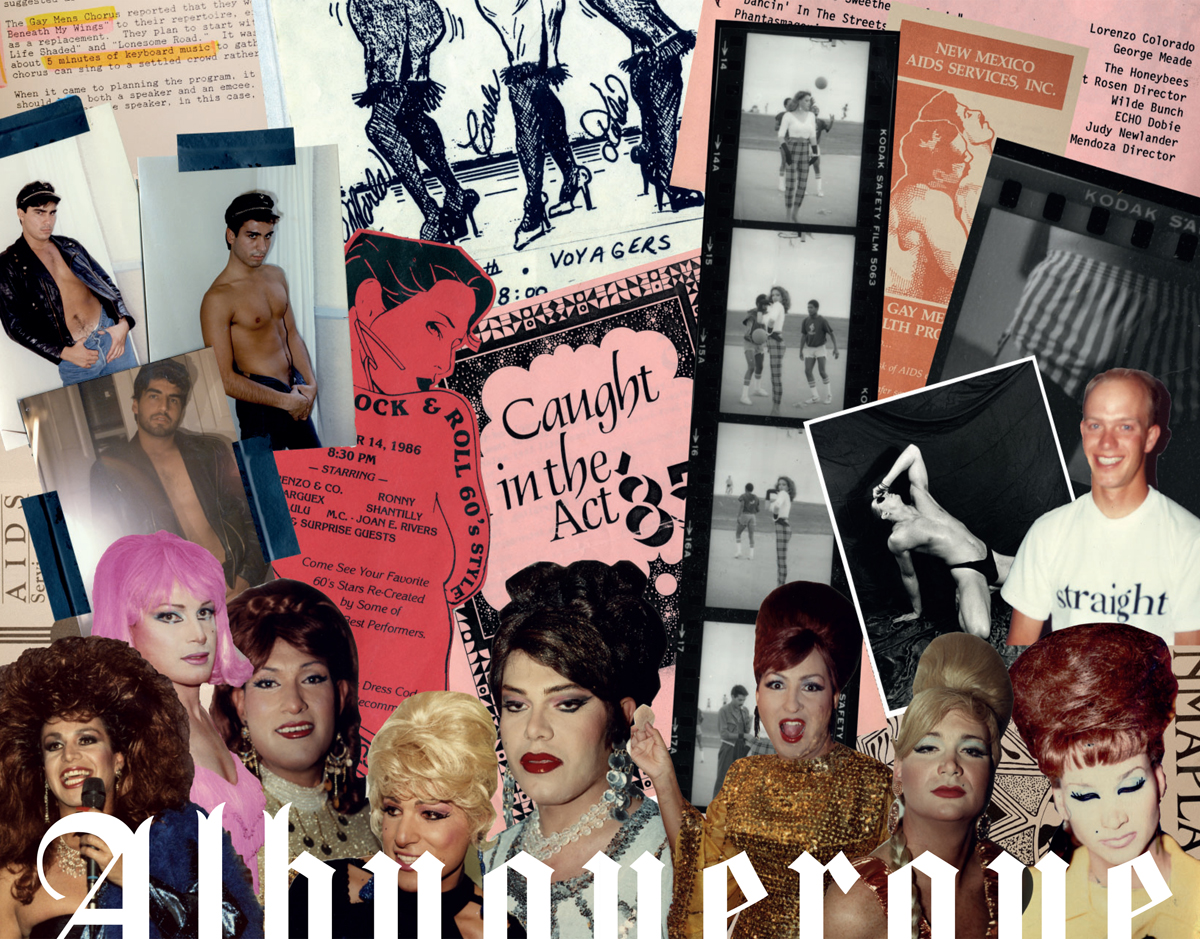
As the iconic Route 66 reaches its centennial year, 516 Arts marks this momentous milestone with The Rest is Drag, a group exhibition curated by Olivia Amaya Ortiz featuring eleven artists, an artist collective, and a duo working in multidisciplinary media. With its title drawn from RuPaul’s assertion, “We’re all born naked and the rest is drag,” the exhibition expands the idea of drag beyond the stage to encompass spatialized acts of visibility and world-making. Along this road, social and spatial norms are actively bent and unsettled. From lowrider culture to drag racing, to drag performance itself, these practices emerge as strategies of survival, commemoration, and self-determination.
The exhibition brings together works from D.C. ALLEN (Baaa t’- chlish, Del Curfman) (Crow Tribe of Montana), Justin Favela, Christina Fernandez, fronteristxs, Apolo Gomez, Vita Kari, Jesse Littlebird (Laguna/Kewa Pueblos), Nate Lemuel, Jonathan Loretto (Jemez/Cochiti Pueblos), The Perez Bros., Eric Romero, Rose B. Simpson (Kha’p’o Owingeh), and Chris E. Vargas. 516 Arts’s current location in downtown Albuquerque is situated along Route 66’s approximately eighteen-mile stretch from Old Town to Nob Hill. 516 Arts, currently undergoing its move and expansion to 1st Street this fall, will appropriately close the chapter on its founding building with this site-conscious exhibition.
While a unique and cultural richness transverses this roadway, Route 66’s stretch through central Albuquerque operates as an emplacement of surveillance and regulation, challenging the marketable romance of Americana and its purported freedoms. Who is allowed to move freely? Who claims space? Who must remain invisible? These questions and more are brought to the forefront, exemplifying how this now fractured route has and still reinforces dominant social hierarchies and control systems.
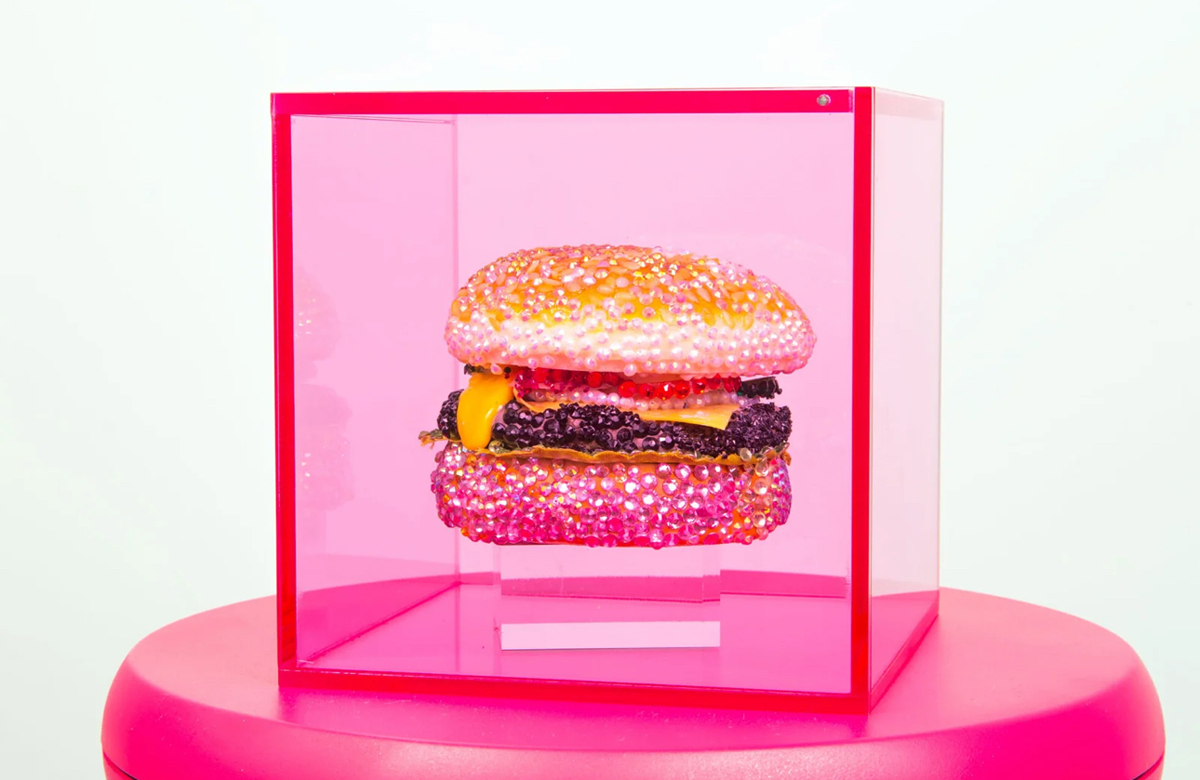
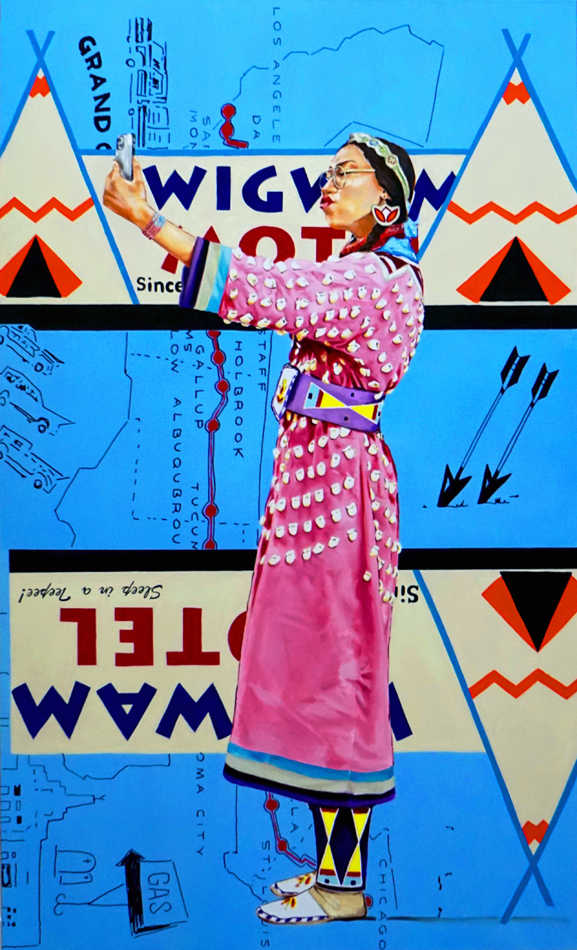
This stretch of transportation infrastructure has historically amplified consumer culture and spectacle, with the rapid proliferation of roadside motels, fast-food chains, gas stations, and more highway staples taking shape. The route’s development of its own visual advertising language exploited harmful racial and ethnic stereotypes, and over half of Route 66’s 2,400-plus miles cut through the homelands tribal nations. The Rest is Drag directly confronts the road’s fraught relationship with Indigenous communities, and showcases how Native artists today dismantle manufactured myths through contemporary acts of reclamation.
For LGBTQIA+ communities, the highway has functioned not only as passage, but also refuge. Drag performance becomes a practice of vitality—a deliberate and joyous occupation of space in environments that have not always offered safety. In terms of drag racing, the exhibition also traces the rise of lowriding in 1940s Los Angeles and its spread across the Southwest as a response to segregation and racism faced by Mexican American communities. Through overlapping perspectives, the exhibition reveals how this highway has become a site where identity is performed and continuously reimagined.
The Rest is Drag opens at 516 Arts on Saturday, July 11, 6-8 pm, with a member’s preview 5-6 pm. This exhibition was generously supported by the Andy Warhol Foundation for the Visual Arts, the City of Albuquerque Department of Arts and Culture, and the Albuquerque Community Foundation.
sponsored by