The just-announced curator of SITE Santa Fe’s next biennial reveals his citywide ambitions for a show punctuated by immersive “moments of encounter.”
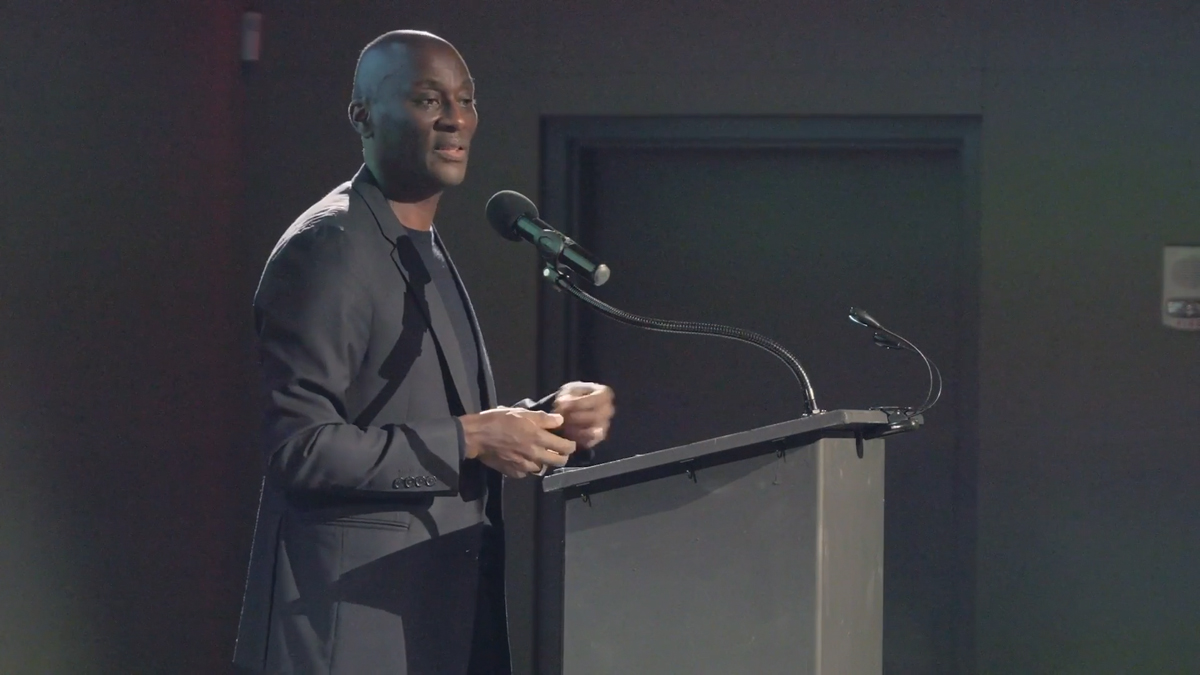
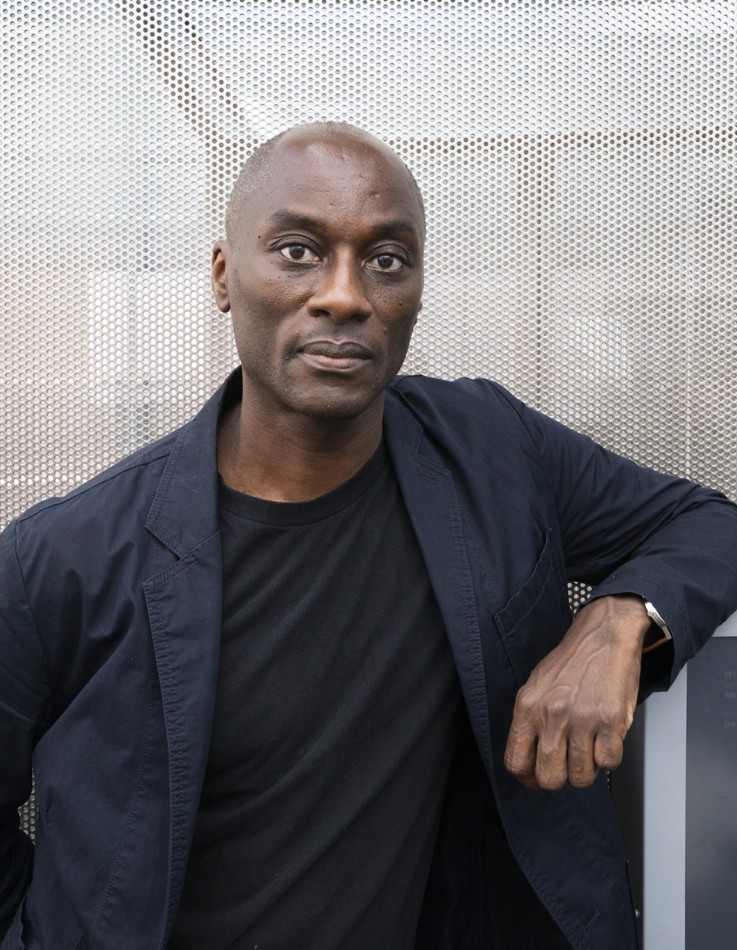
SANTA FE—SITE Santa Fe has announced the organizer of its next biennial exhibition: London-based independent curator Ekow Eshun.
Eshun’s appointment as curator of the 13th SITE Santa Fe International, slated for summer 2027, comes less than a month after the conclusion of the last installment. SITE has once again tapped a prominent European talent for the recently rebranded showcase, following Italian curator Cecilia Alemani’s edition Once Within a Time.
I do sometimes draw on being outside a place… [which] offers its own insights into the texture and the particularity of the world around me.
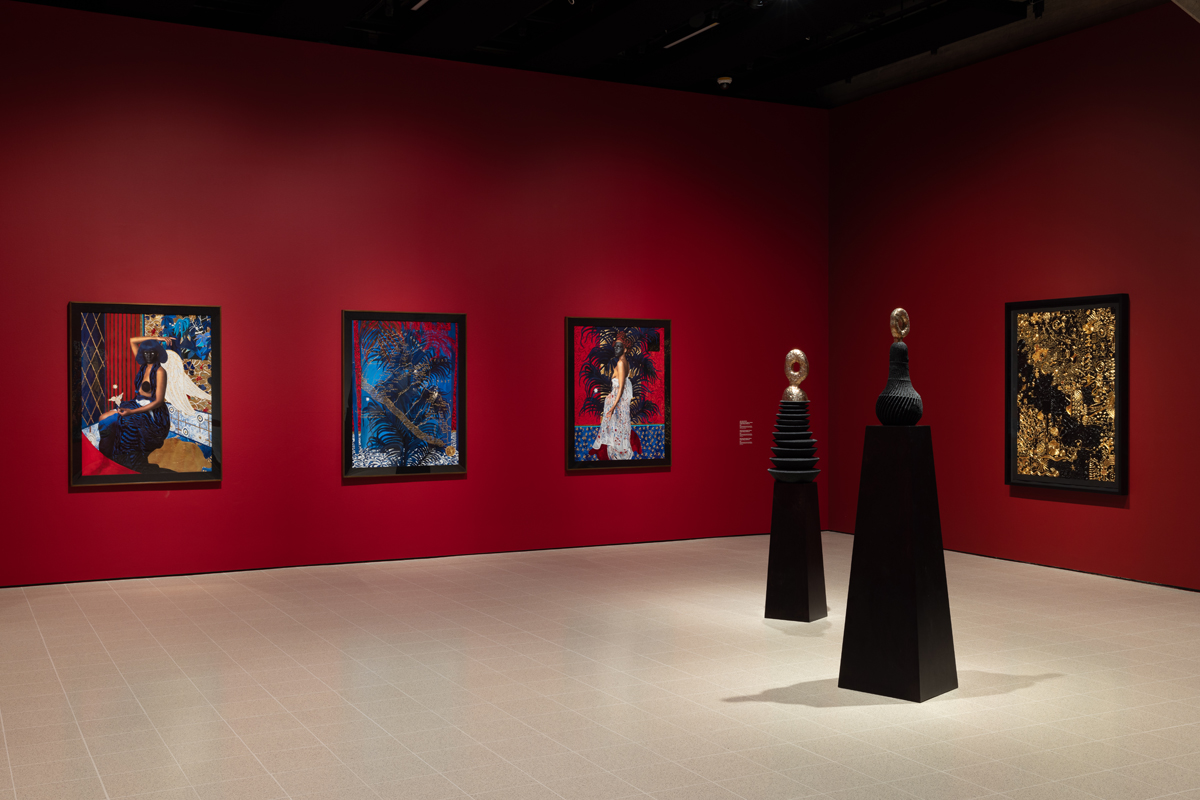
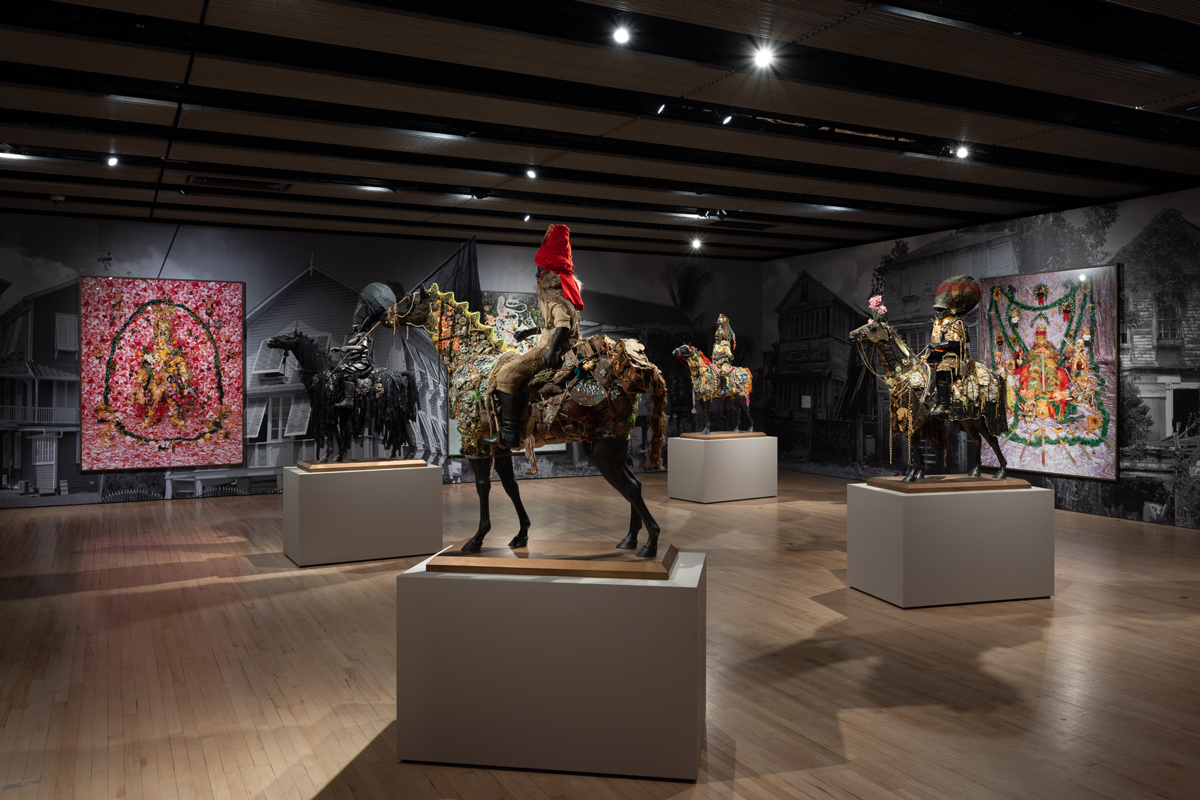
An author, journalist, and former magazine editor who led London’s Institute of Contemporary Arts from 2005 to 2010, Eshun is best known in the U.S. for the group exhibition The Time Is Always Now: Artists Reframe the Black Figure (2024). The show debuted at London’s National Portrait Gallery and traveled to Philadelphia and North Carolina, highlighting prominent Black figurative artists including Kerry James Marshall, Amy Sherald, and Lorna Simpson. He also organized Black Earth Rising at the Baltimore Museum of Art in 2025.
Eshun first came to New Mexico in 2023 for a talk tied to a Deborah Roberts exhibition, and returned this fall to give a curator talk at SITE. His presentation wove together personal histories from London and Ghana with art theory and concepts of Black subjectivity.
In my phone call with Eshun yesterday from London, he shared his first impressions of New Mexico, confirmed he’s aiming for another multi-venue International in 2027, and described a curatorial sensibility shaped by “being able to see the world more than once over.” Our conversation was edited for length and clarity.
You gave a curator talk this fall at SITE Santa Fe and saw the last International, Once Within a Time. It was their most ambitious biennial ever, spanning fourteen venues across Santa Fe. Did that set the stakes for your edition?
As a curator, there are all sorts of practical and logistical questions that a show this scale opens up, but at the same time, there are so many artistic possibilities it raises. I’m really excited by the prospect of working in this kind of way—working within the walls of SITE as a building, working with other museums, working with the city itself as a set of possible locations.
So you’re confirming that the next SITE International will be another multi-venue show?
I mean, that’s what we’re going for. How that exactly translates, we’ll see. But this is currently the template that the International has set, and it’s something I’m keen to continue as a method of working… in this really open, generous way.
In your recent talk at SITE, you opened with your early childhood moves between London and Ghana, touching on themes of displacement and otherness. Do you feel some resonance with the Southwest’s own histories of flux?
Yes. One of the things about New Mexico that’s interesting to me is that many people, in different ways, at different times, have journeyed to or through it. I’m interested in these accreted layers of history… and that chimes a lot with how I think about my work.
I’m interested in the ways that all of us as individuals walk through the world carrying a history that’s bigger than ourselves as individuals. That is something I think artists are very attuned to. The reason why artists are often capable of creating extraordinary works is because they’re speaking to their own individual experience, but they’re also referencing… aspects of collective memories and imaginings. Santa Fe really is rich with those kinds of histories, with ongoing sites of discovery. The place feels alive to me.
You’re London-born and have lived there aside from those early years in Ghana. Your writing has explored feelings of the in-between—is that a generative space for you?
I’ve always thought of myself as existing in more than one context. My parents came to Britain from Ghana… [and] that’s always been something that I’ve drawn from, because that potentially can leave you feeling like an outsider. But actually, I realized that for me… it offers the possibility of being able to see the world more than once over, being able to think about the nuance of the world. I do sometimes draw on being outside a place, and then recognizing that that offers its own insights into the texture and the particularity of the world around me.
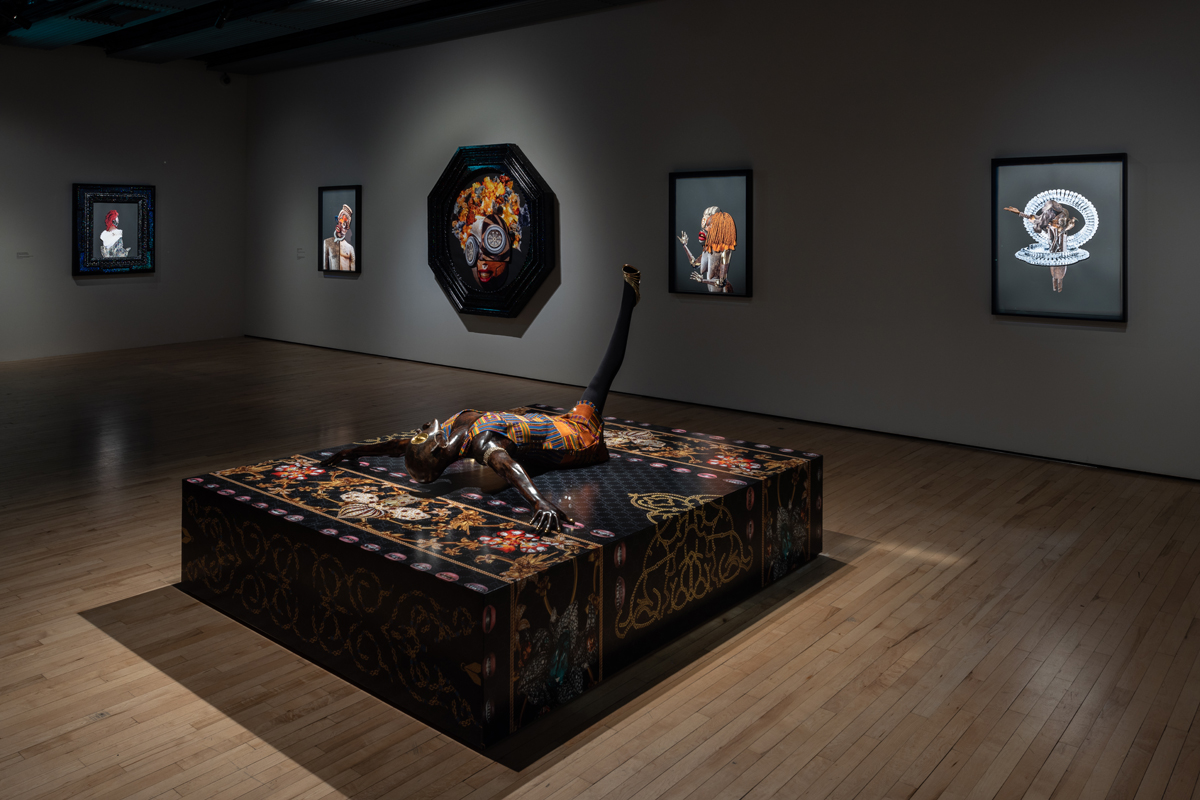
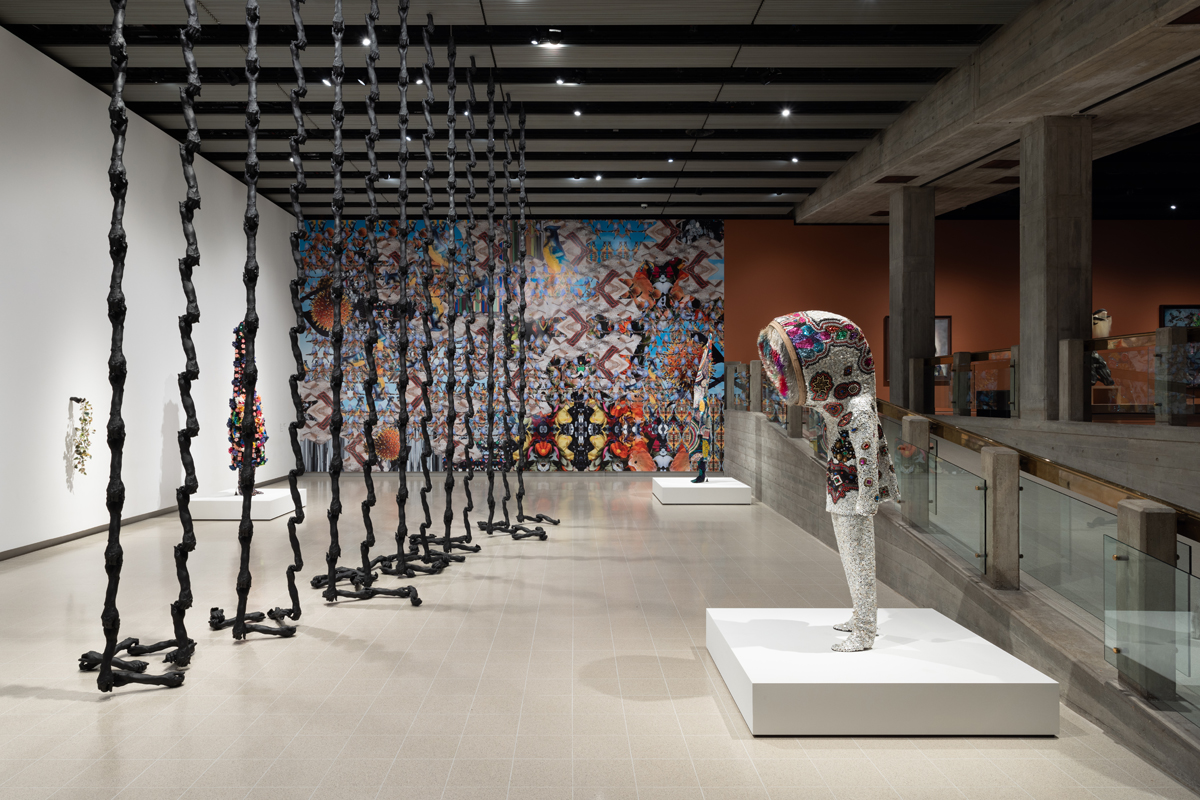
I didn’t see your critically acclaimed exhibition In the Black Fantastic (2022) at London’s Hayward Gallery in person, but it looked so immersive. Is attention to the visceral an important aspect of your curatorial sensibility?
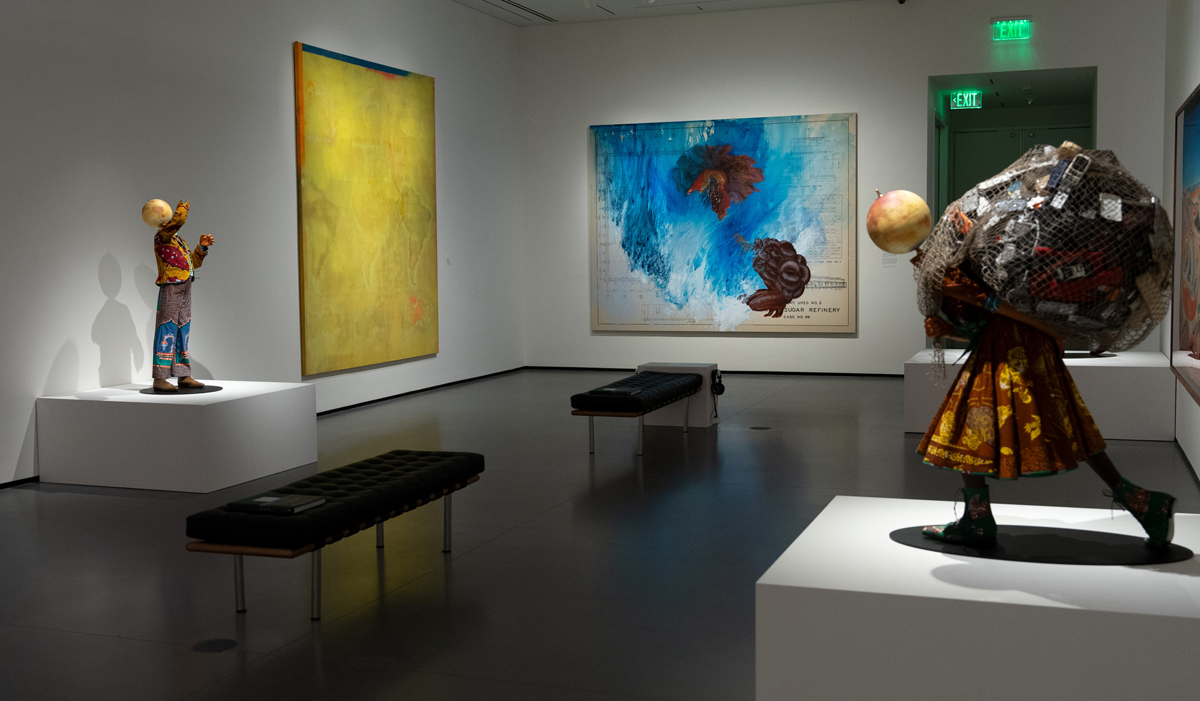
Overall, the thing I strive for as a curator is to create moments of encounter between audience and artist. As soon as a visitor crosses the threshold into an exhibition, they’re in another world—of discovery, revelation, sometimes unanticipated beauty. You’re trying to speak on several levels at the same time, so the whole show has to be a conversation that takes place visually, physically, emotionally.
When you’re curating in a place that isn’t your home, what’s your process for understanding its local histories while still building a show with global scope?
I’m trying to understand the region more fully. It’s a region with complex history, contradictory in different ways. I’m not necessarily looking to make a literal connection from one historical moment to an artwork. [I’m] more interested in: How does a biennial resonate with some of these currents of history, these traces of movement, these shifts of people in place? It’s not a direct read-through from past and present, but… [about] trying to create something that is true to the complexity of this extraordinary location.
Could you venture a few initial thoughts on Santa Fe’s past and present?
Many people have come looking for something in Santa Fe: a place to gather, a place to reach further than the ordinary, even looking for a place where they can be fully and wholly themselves. That’s really rich territory from which to begin the process.