Kimball Art Center makes space for this group exhibition to zero in on our ears—and it’s all-consuming.
(Re)sounding
May 15–September 13, 2026
Kimball Art Center, Park City
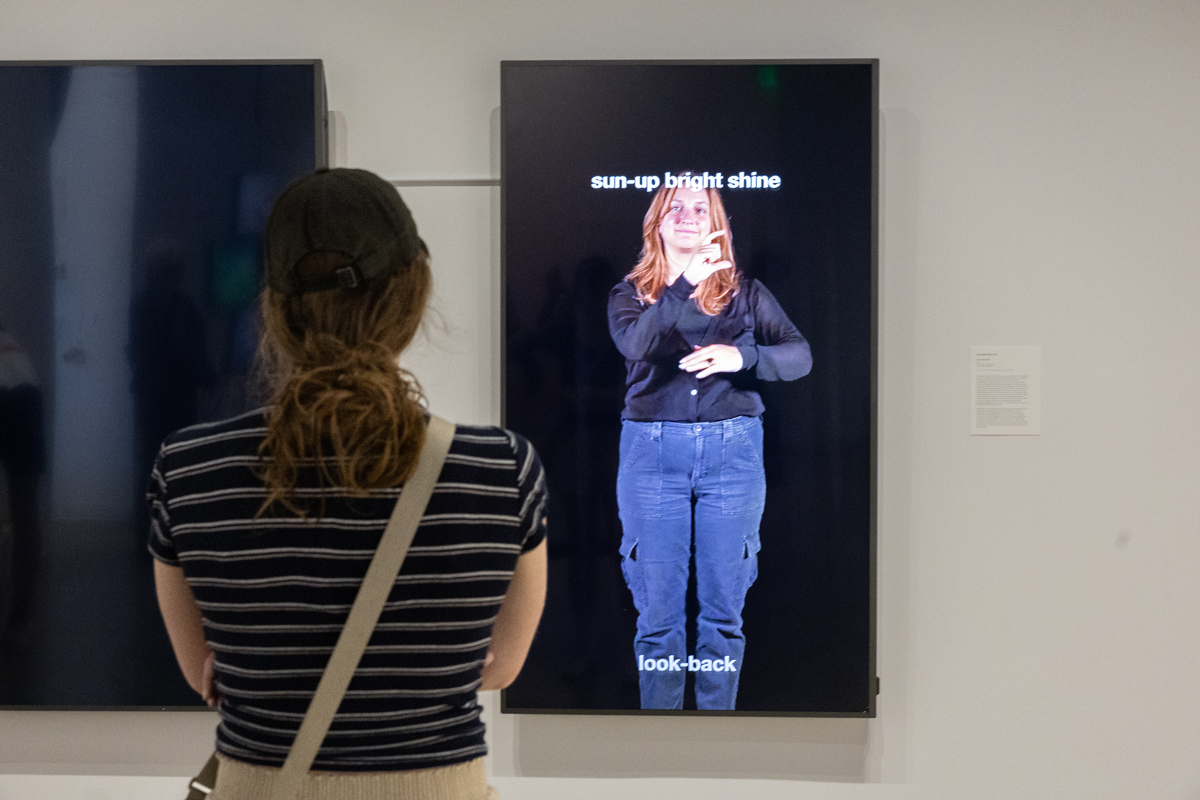
Sight is often considered the primary human sense. This notion gains support from such adages as “to see is to believe.” Despite its more liminal and transient nature, sound possesses equally enormous potential to shape perception. This group exhibition is a deftly executed rumination on the concurrent rapture and discomfort of sound as an artistic medium.
Curator Nancy Stoaks’s keen pacing allows sound-art novices and enthusiasts alike to deliberately process the inherent disorientation the discipline often evokes. Despite its modest size, the Kimball is an ideal receptacle for this rumination, which was audible to me before I even entered the galleries.
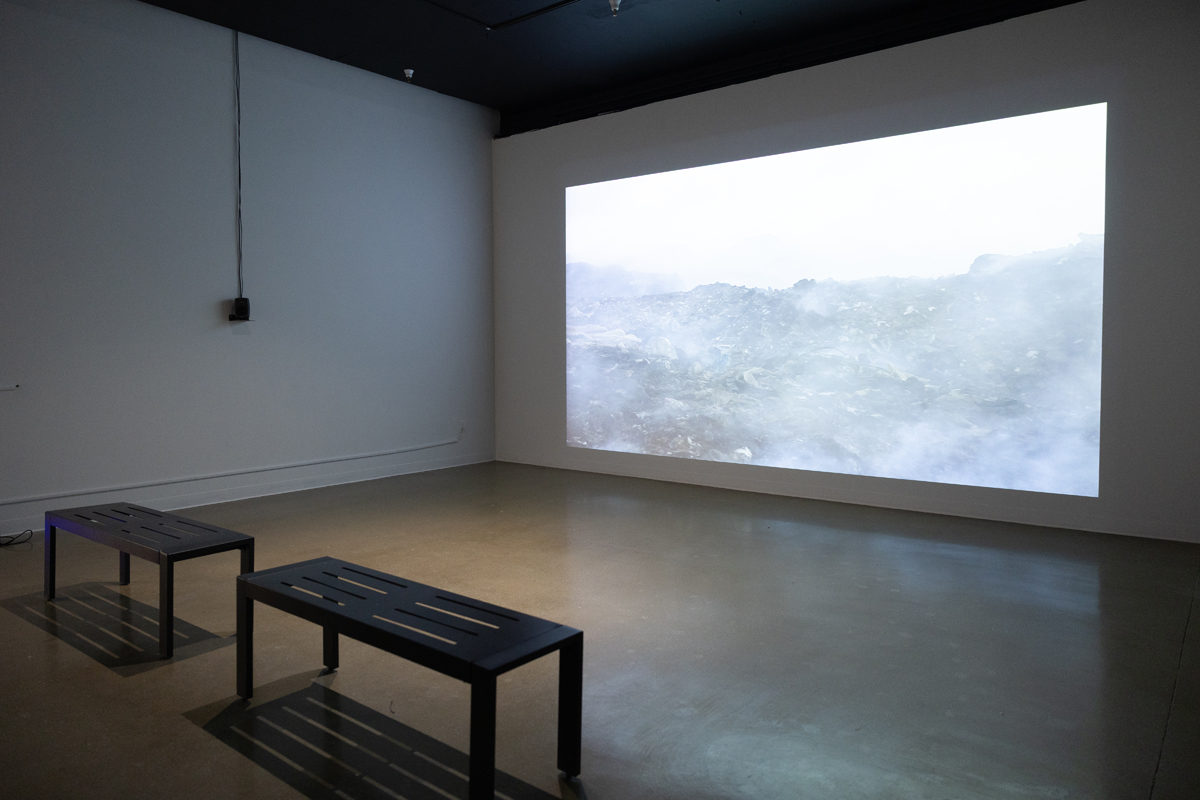
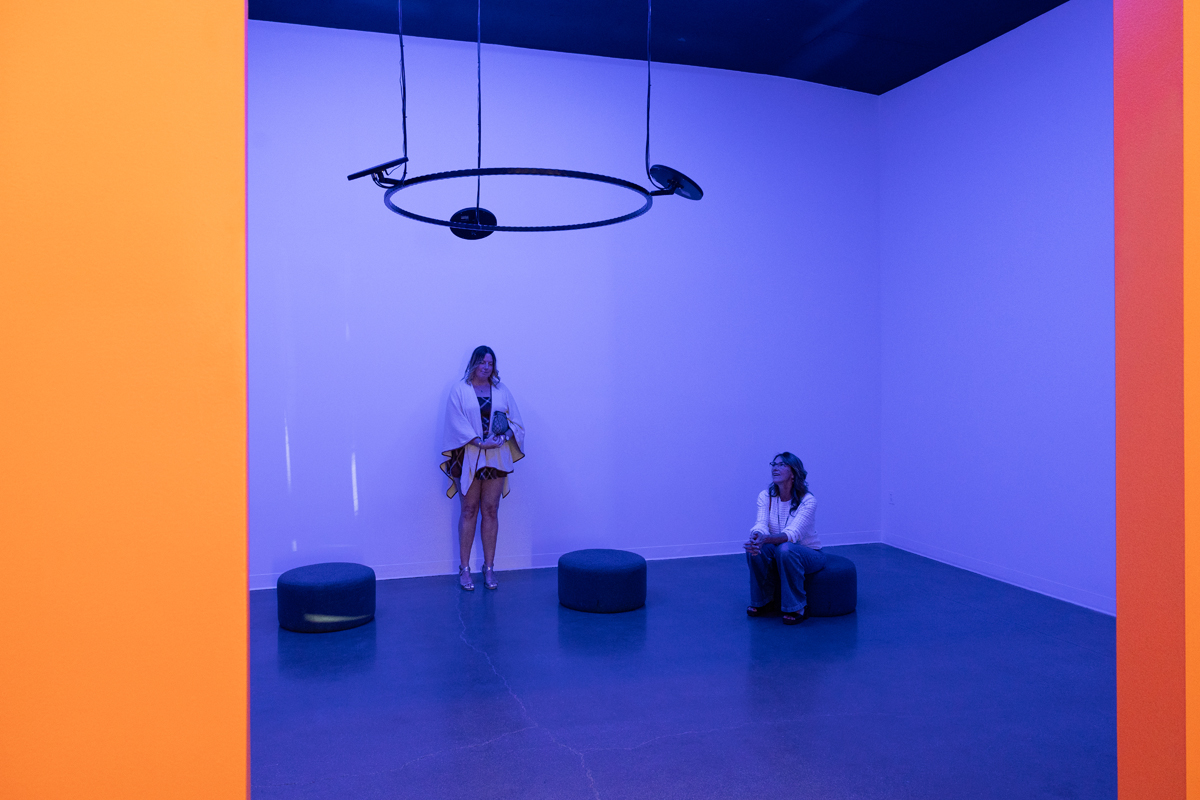
The exhibition hit me with a seductive yet confusing array of sounds. Tuomas A. Laitinen’s Penelope (2024) is an immersive room in the show’s center washed in blue light. Inspired by Odysseus’s beloved Penelope, who ritualistically weaves a shroud as she waits for her husband’s return, the work’s ultrasonic audio meshes the words “weaving” and “unweaving” into fragments augmented by other audio snippets. A halo of speakers points to the ceiling, allowing the sound waves to bounce in different directions. The inability to place which direction the sounds are coming from creates Penelope’s disquieting effect.
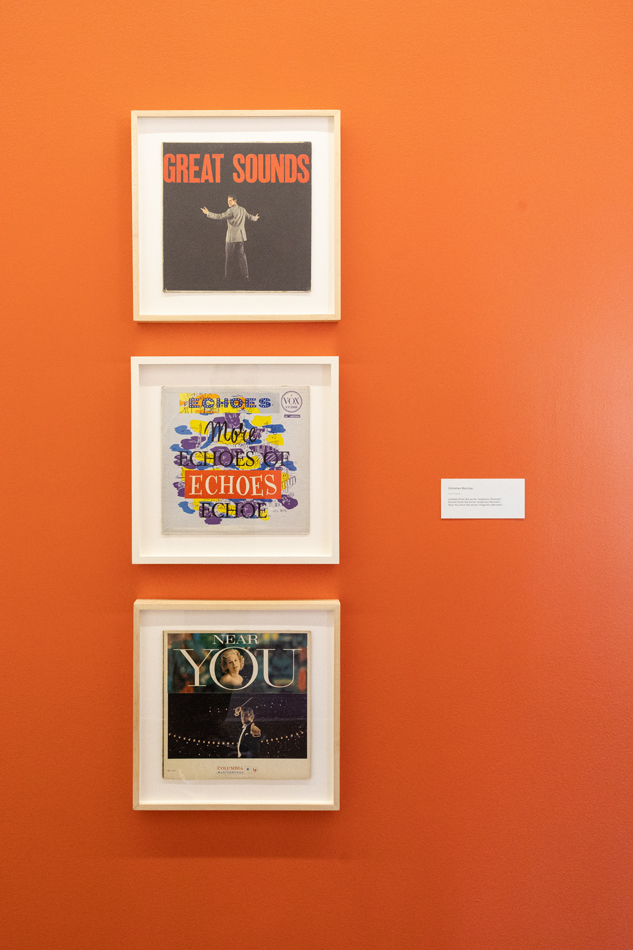
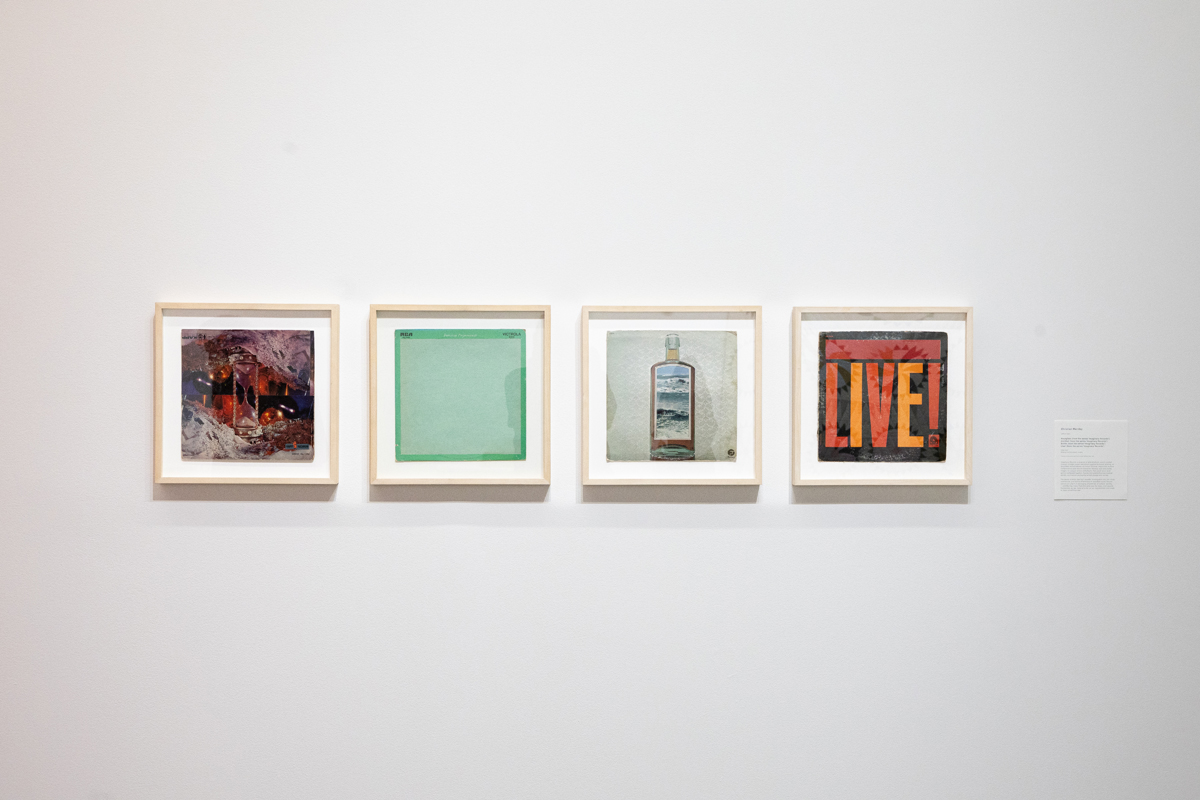
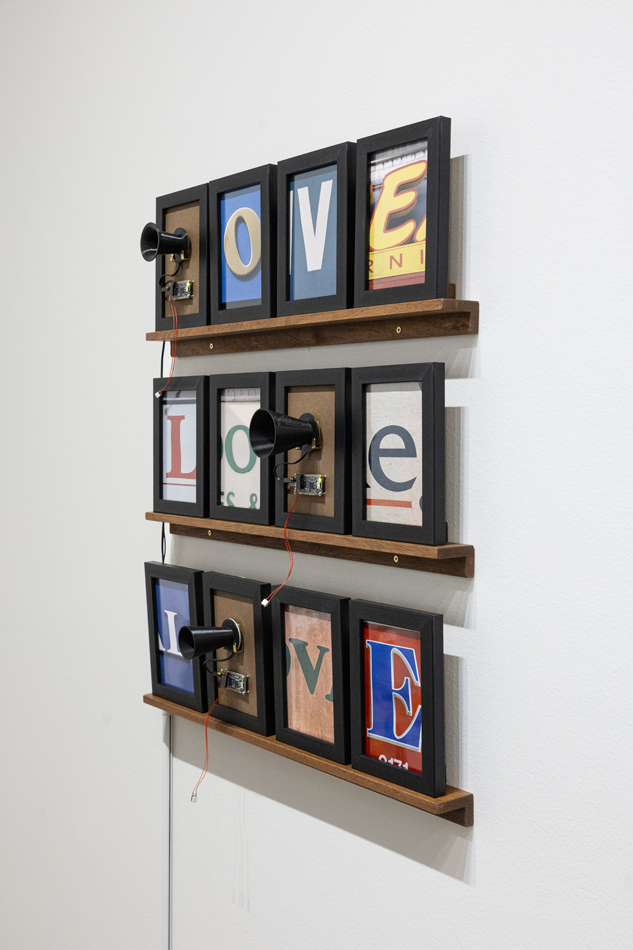
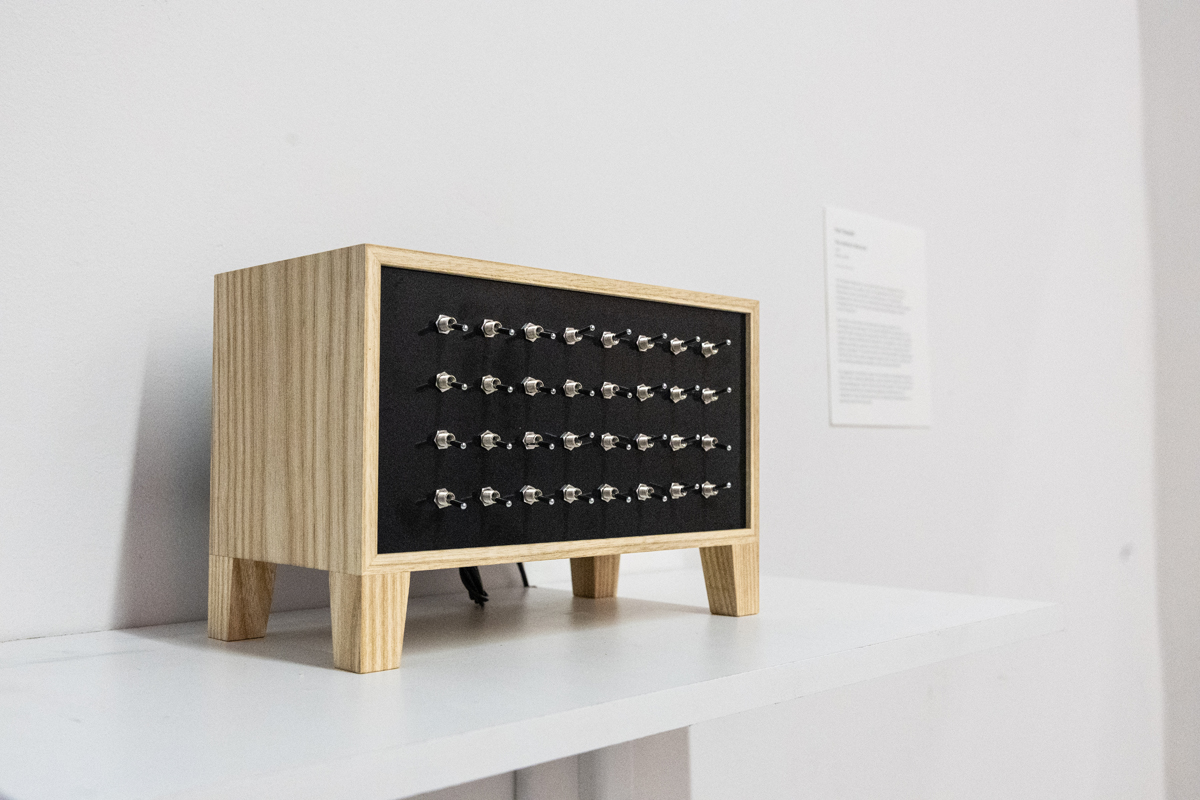
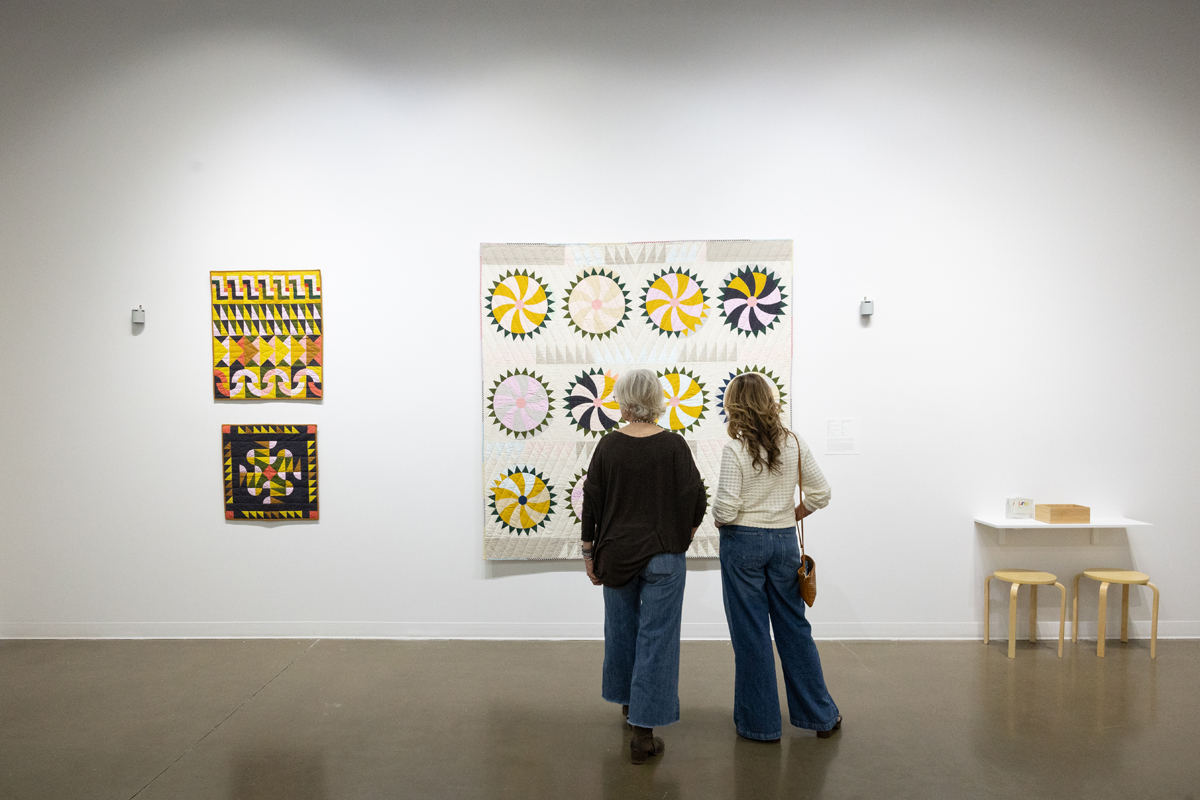
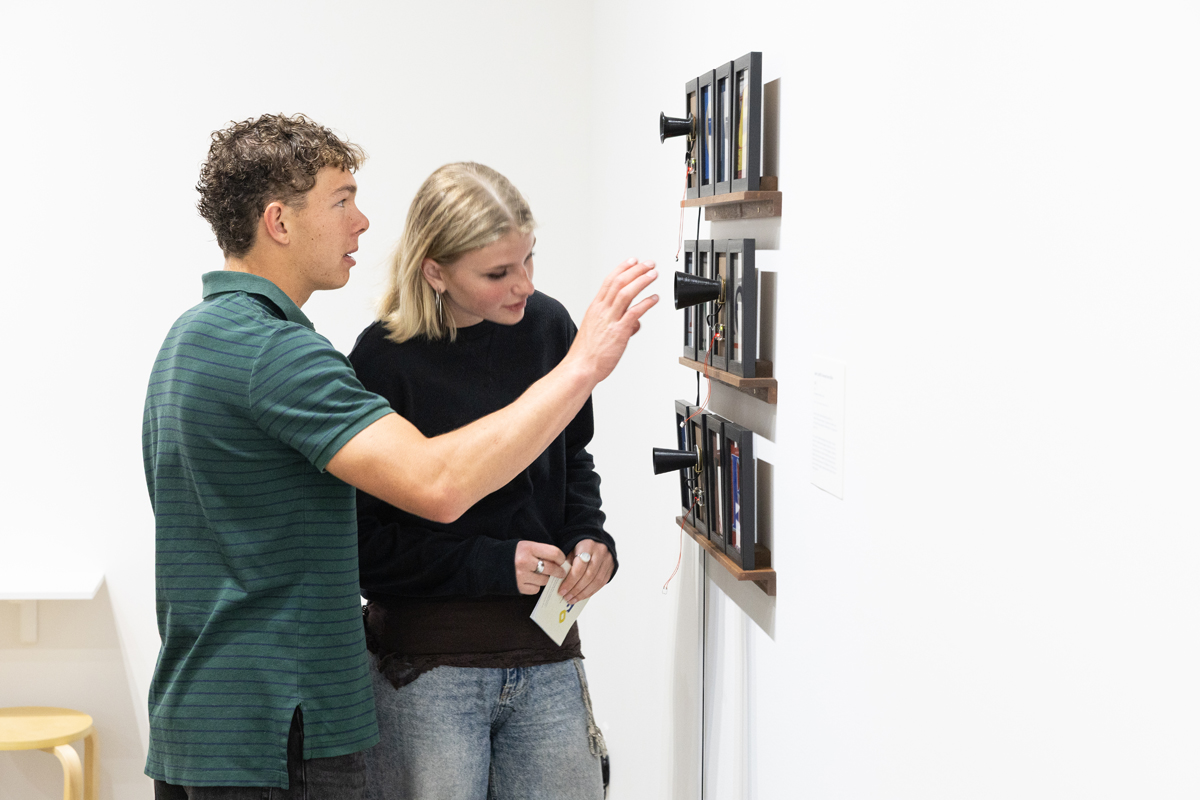
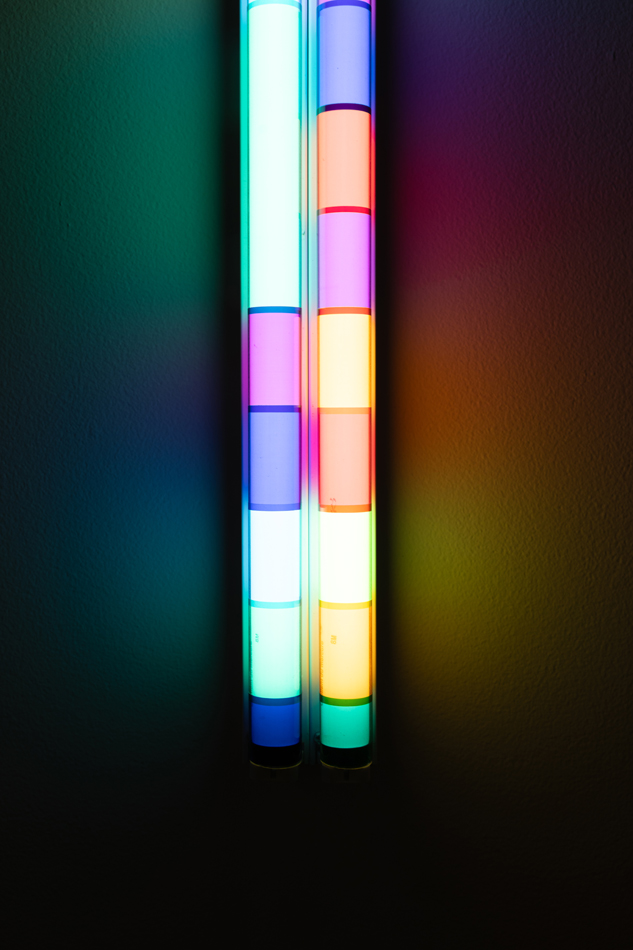
Even the visual elements in the show are rooted in auditory experiences, as seen in Utah-based artist Mary Toscano’s quilt embroideries that pair with the wavelengths of Andrew Rease Shaw’s sound works. Elsewhere, artists Andy Rappaport and Milad Mozari combine the visual and theoretical in novel ways—for Rappaport as a lesson of phenomenology (the study of consciousness) and Mozari as a visual translation of the artist’s past familial conversations.
I left feeling that the trendy contemporary art surveys that relegate sound art to the backrooms have done us a tremendous disservice. With every passing minute in the space, I found my sense of reality altered: Is this sound of the hand dryer from the ladies’ room? A staff member’s playlist in the “employees only” section? It was this induced, vigilant awareness of my surroundings that felt not just novel, but masterful.