In a head-on collision with the Hudson River School at Heard Museum, the Cherokee painter sends Indigenous patterns bristling across the American landscape.
Kay WalkingStick / Hudson River School
January 23-May 25, 2026
Heard Museum, Phoenix
In 2022, the New York Historical invited Cherokee artist Kay WalkingStick to explore the institution’s definitive collection of work from the Hudson River School, the group of painters who significantly shaped 19th-century perceptions of the American landscape. While wandering through their storage facilities, as WalkingStick recounts in a video produced by the museum, she was especially struck by the many variations of Niagara Falls and immediately decided that she should try depicting the awe-inspiring waterfall herself.
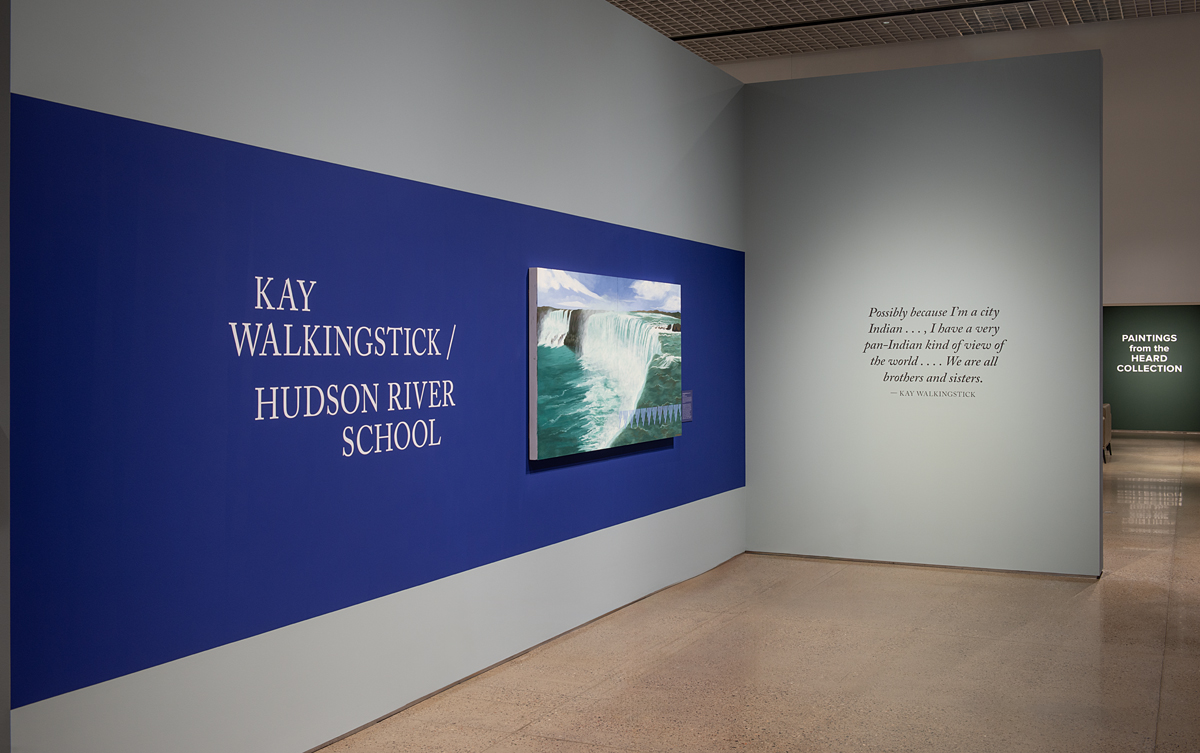
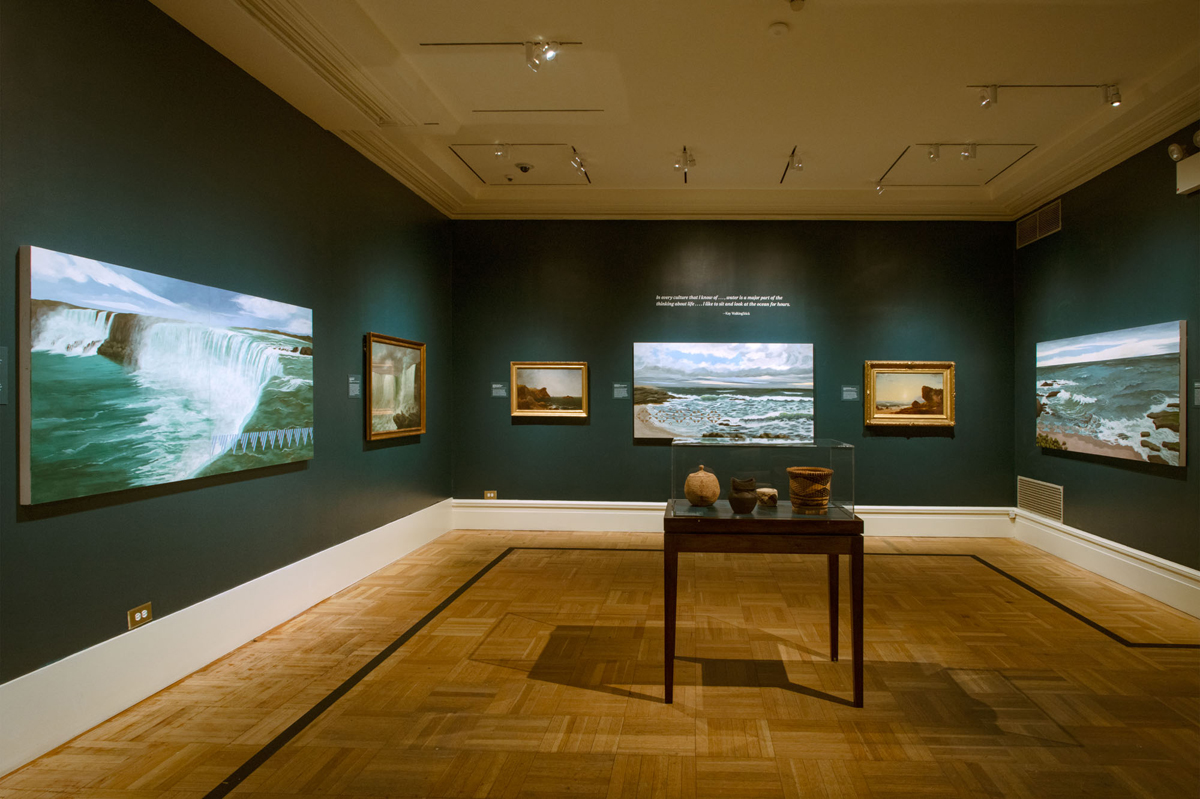
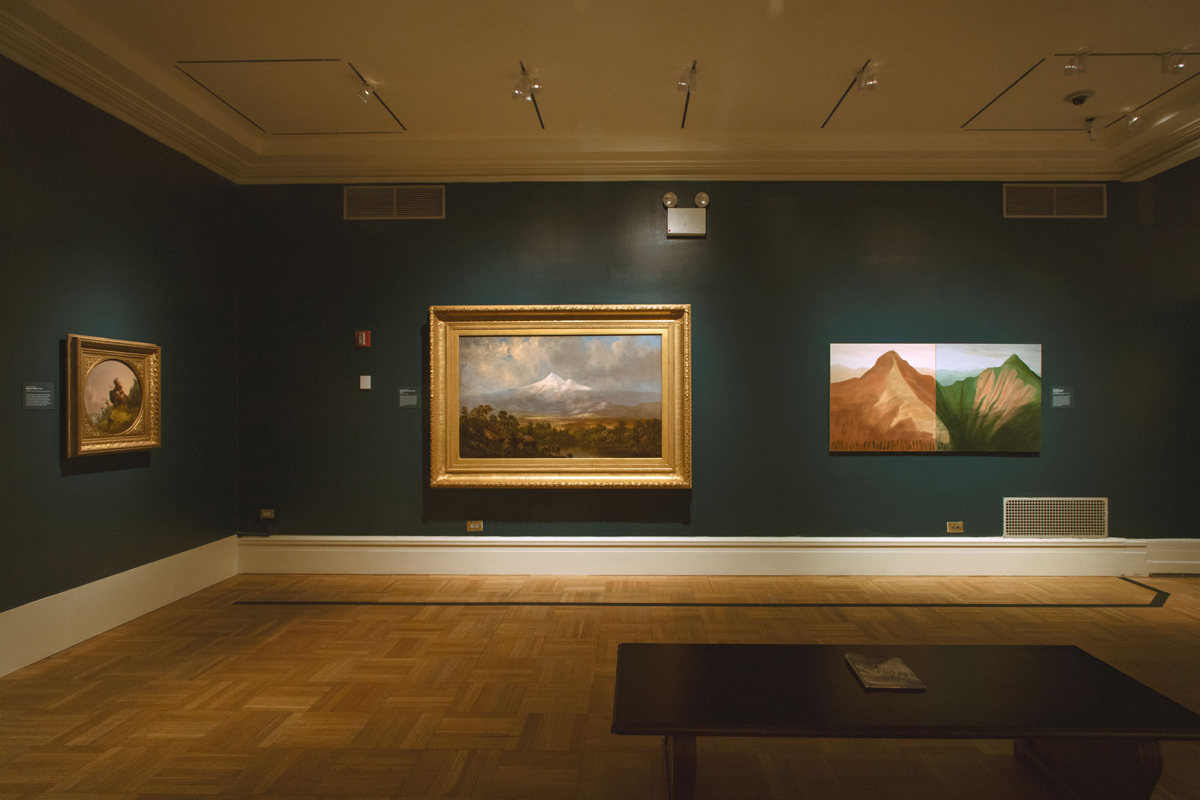
The panoramic two-panel Niagara (2022) shows the falls from above, the viewer hovering just over the precipice of green-hued water cascading into the white churn below. This forceful painting is the first thing a visitor encounters in Kay WalkingStick / Hudson River School, which opened at the Heard Museum in Phoenix after its debut at the New York Historical in 2023. The show is a cross-historical conversation between artists—a contemporary Native painter investigating the techniques and perspectives of European-American landscape painters, mostly men, who were active during a time of relentless national expansion into Indigenous territories—as well as between institutional contexts.
Founded in 1804, the New York Historical is considered the oldest museum in New York City, yet Niagara was the first painting by a Native artist to enter its storied collection in that two-century span. Meanwhile, the Heard Museum is focused on “the stories of American Indian people from a first-person perspective,” and the Hudson River School painters were celebrated for depicting Romantic views of environments largely devoid of the Native people who lived in them. This broader context gives the show an extra layer of tension beyond the contrasts that are readily visible in the paintings themselves.
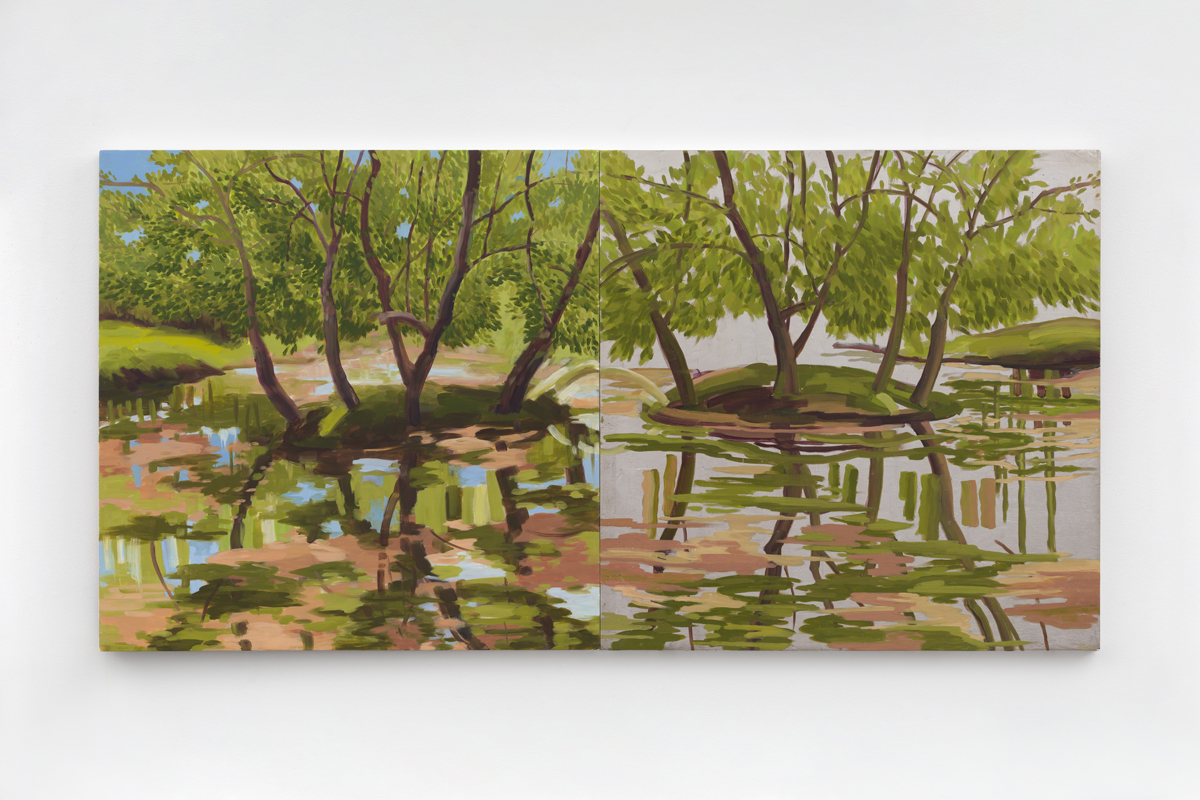
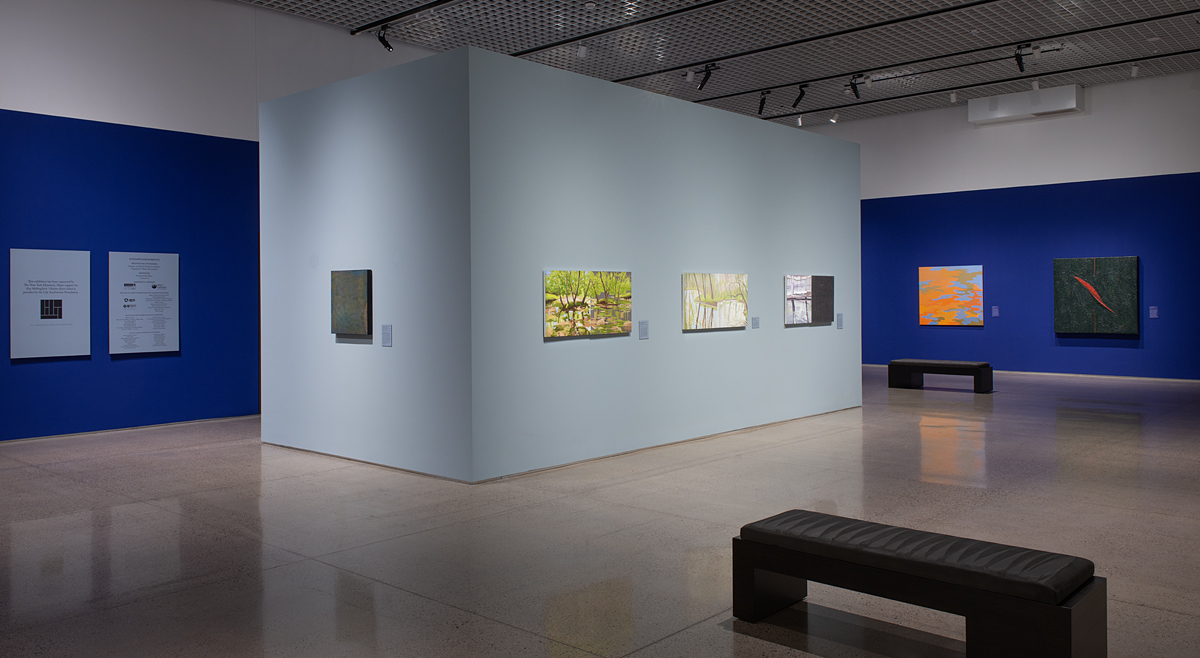
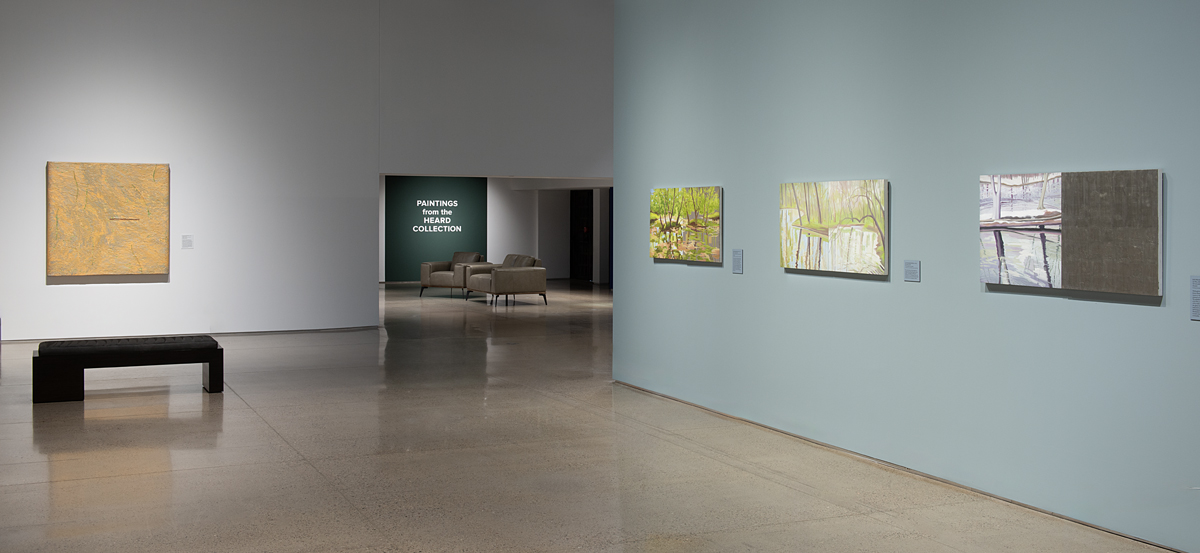
At ninety years old, WalkingStick has received a new wave of recognition in recent years—with paintings exhibited at the Venice Biennale and the Whitney Museum as well as many smaller venues—for work that has maintained a serious curiosity over a multi-decade career in how landscapes can be perceived. In the older work at the Heard, like the vibrant, Pop-inflected Hudson Reflection VI (1973) or the thick spreads of acrylic and beeswax in Satyr’s Garden (1982), the environments within are heavily abstracted, almost imaginary. In her more recent work, WalkingStick’s landscapes veer closer to the Hudson River School aesthetic but also make major steps towards undermining that movement’s legacy.
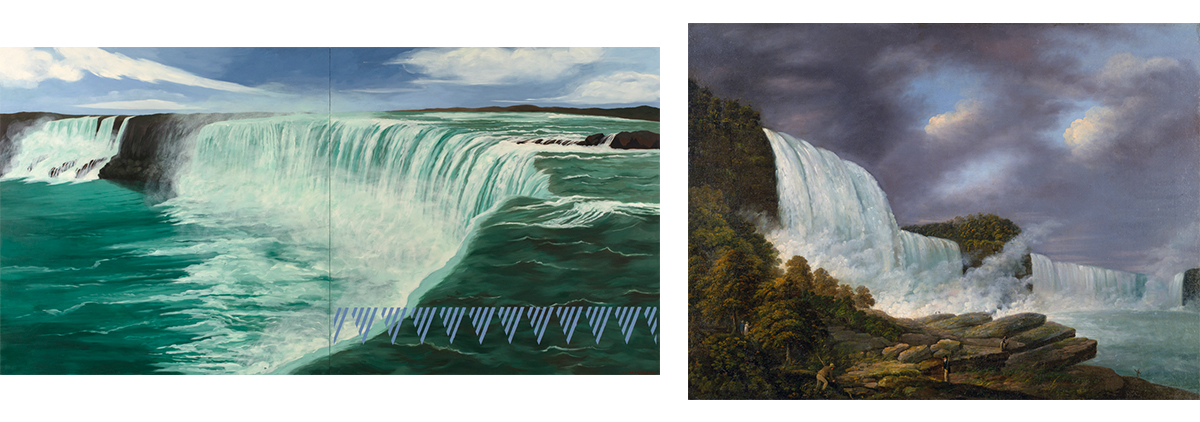
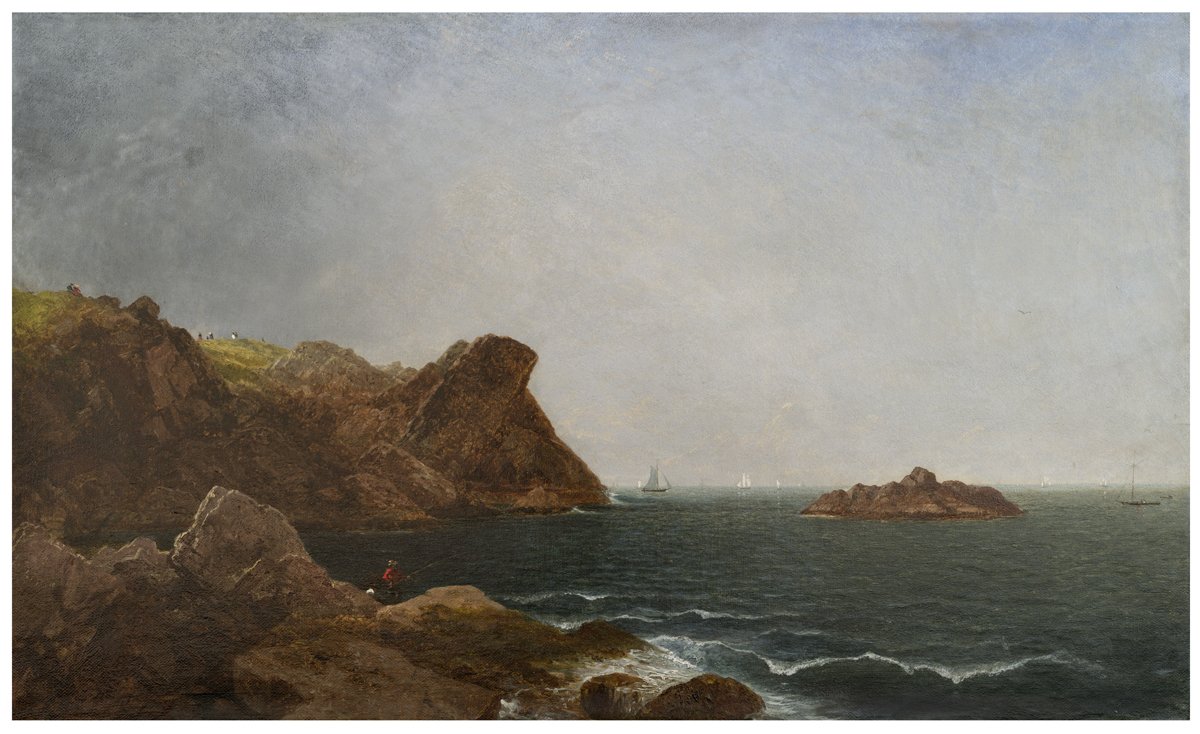
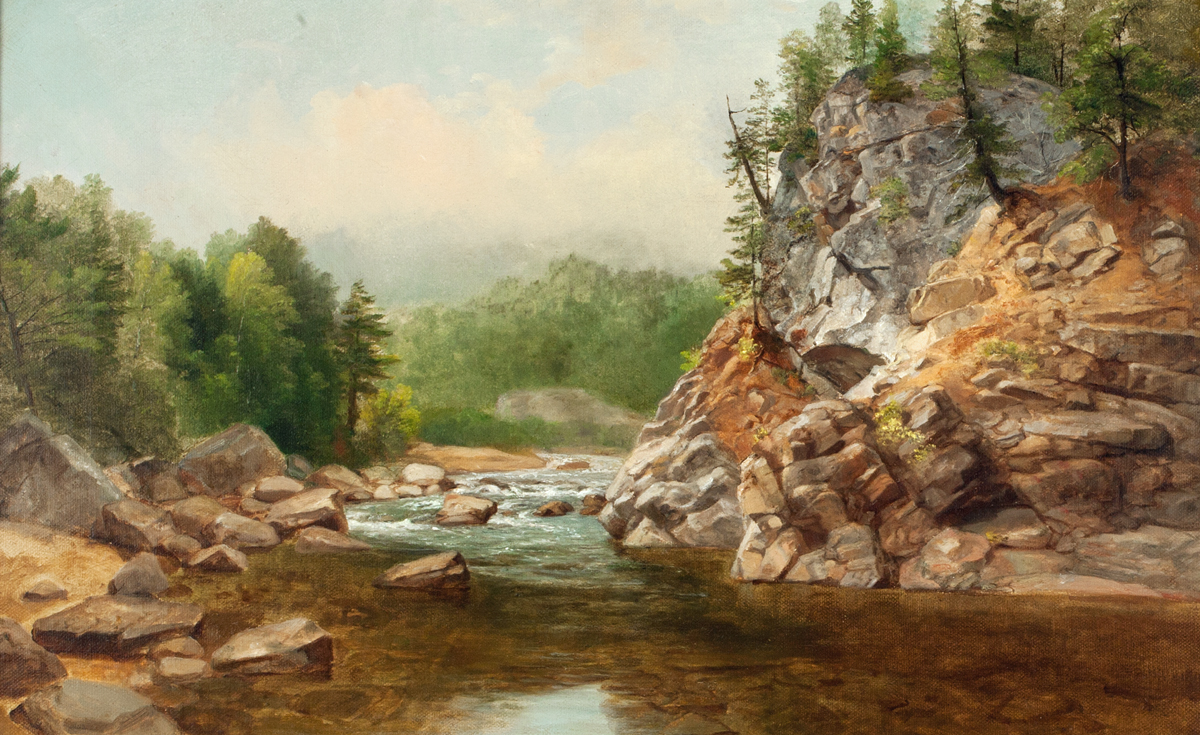
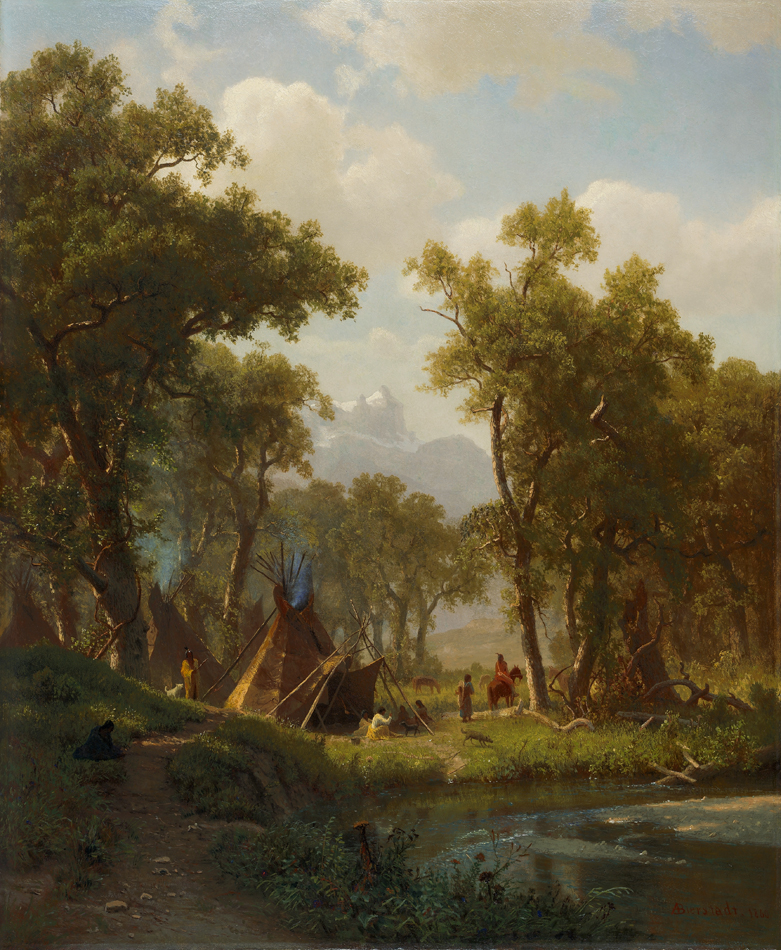
The most famous Hudson River School paintings show pristine, unpopulated wilderness stretching out before the viewer. When there are depictions of Native people in these environments, which the show highlights, they are relegated to anonymity and insignificance within the landscape. In Louisa Davis Minot’s majestic Niagara Falls (1818), a rare work by a woman artist within the school, two shadowy Indigenous figures are placed behind the more clearly detailed explorer-settlers wandering the base of the falls. In Thomas Davies’s Niagara Falls from Above (ca 1766), one of the earliest paintings of the landmark, a Native man and woman in generic costume are visible at the furthest edge, their bodies partially obscured by the frame, while three bald eagles prominently perch and hover over the center of the vista.
WalkingStick’s rendition in Niagara, however, is entirely without people, an expansive rush of rapids and spray. She makes the area’s Native history explicit here by interrupting the scenery with a long, repeating wave-shaped Haudenosaunee (Iroquois) pattern in blue along the painting’s lower half. Rather than setting a couple of indistinct figures into the frame as token representations for a whole population of people, WalkingStick showcases a specific tribe by emphasizing their deep lineage of art-making in a particular place.
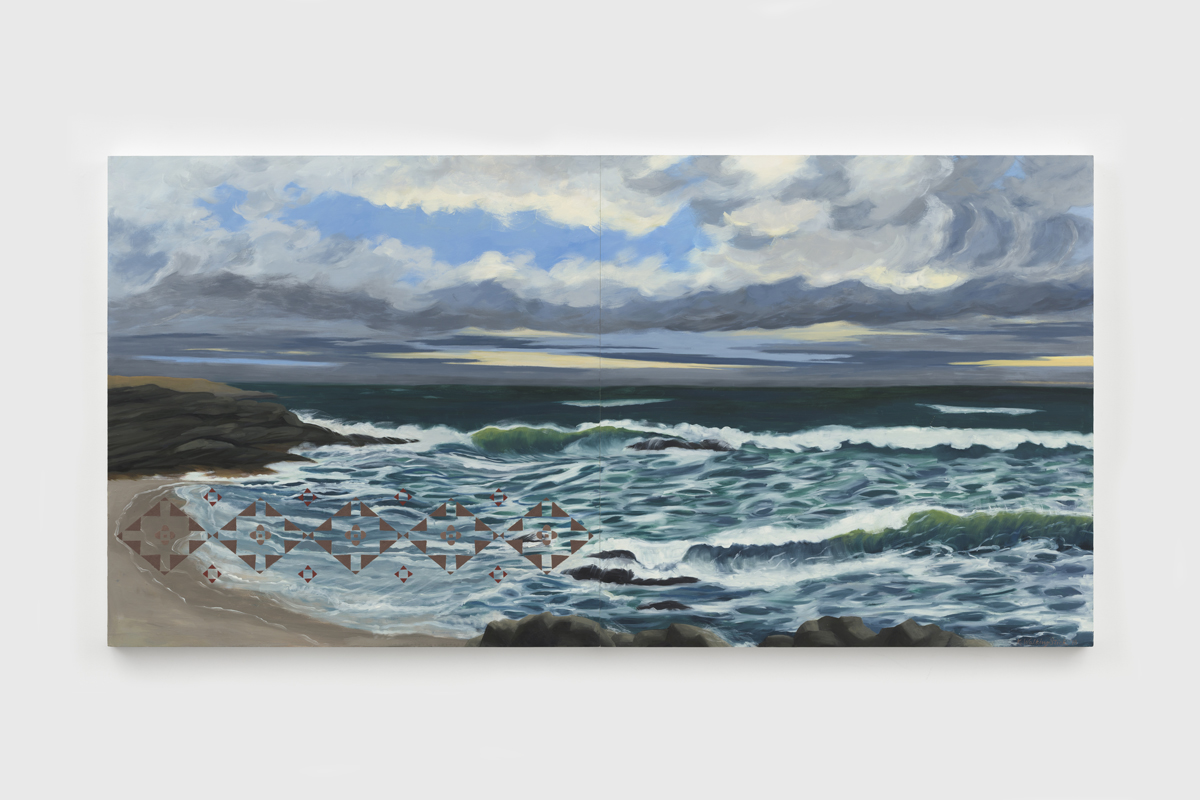
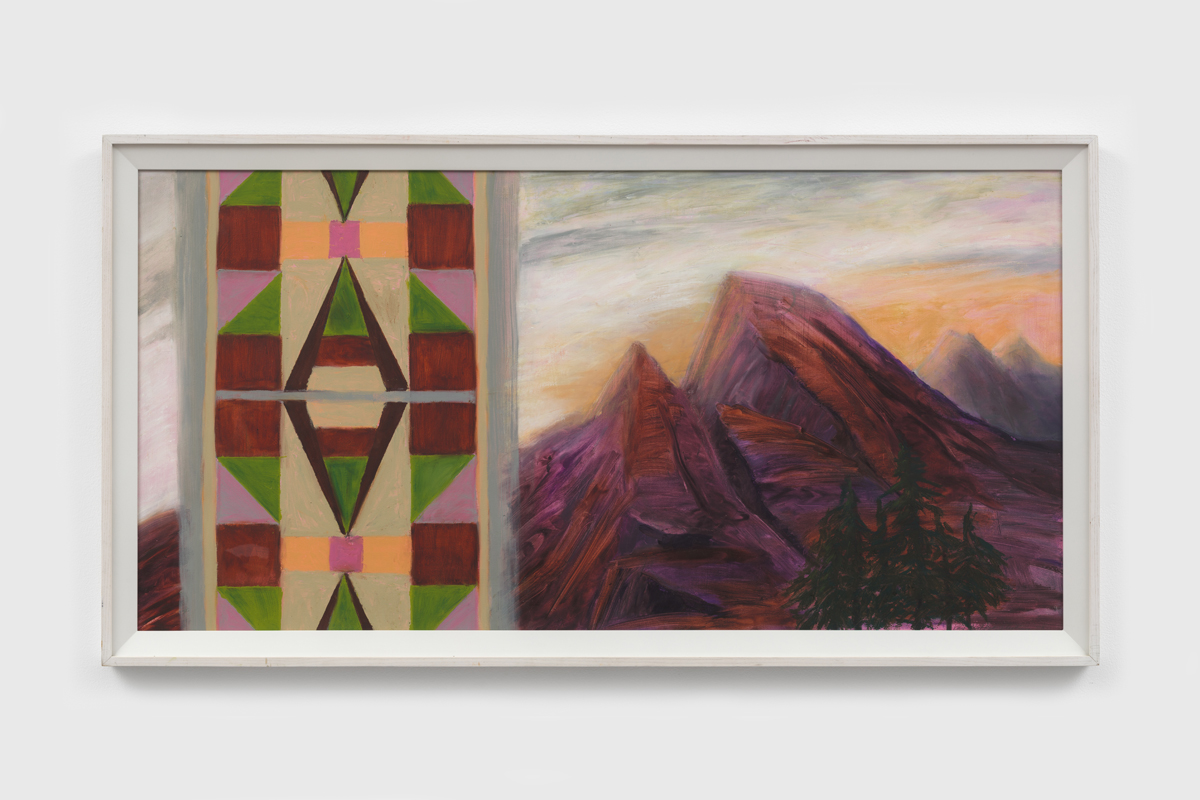
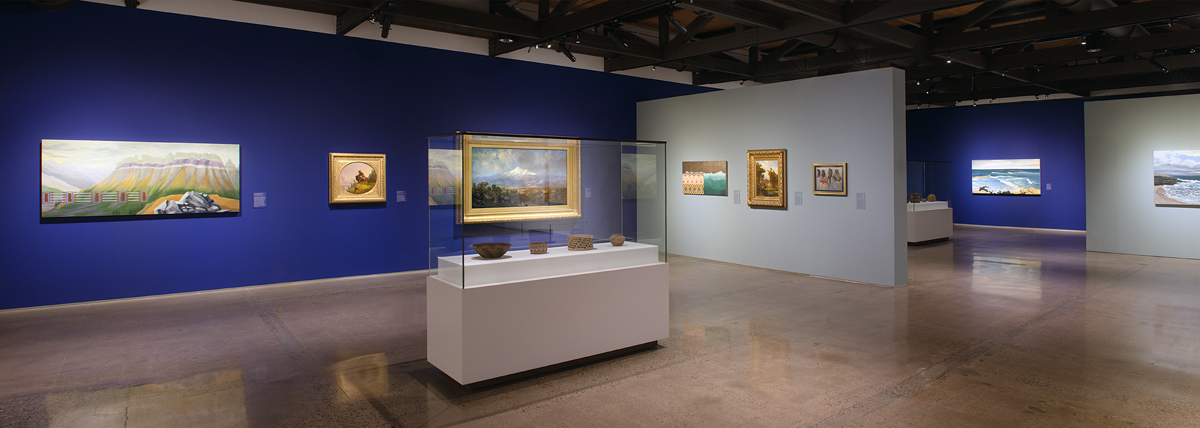
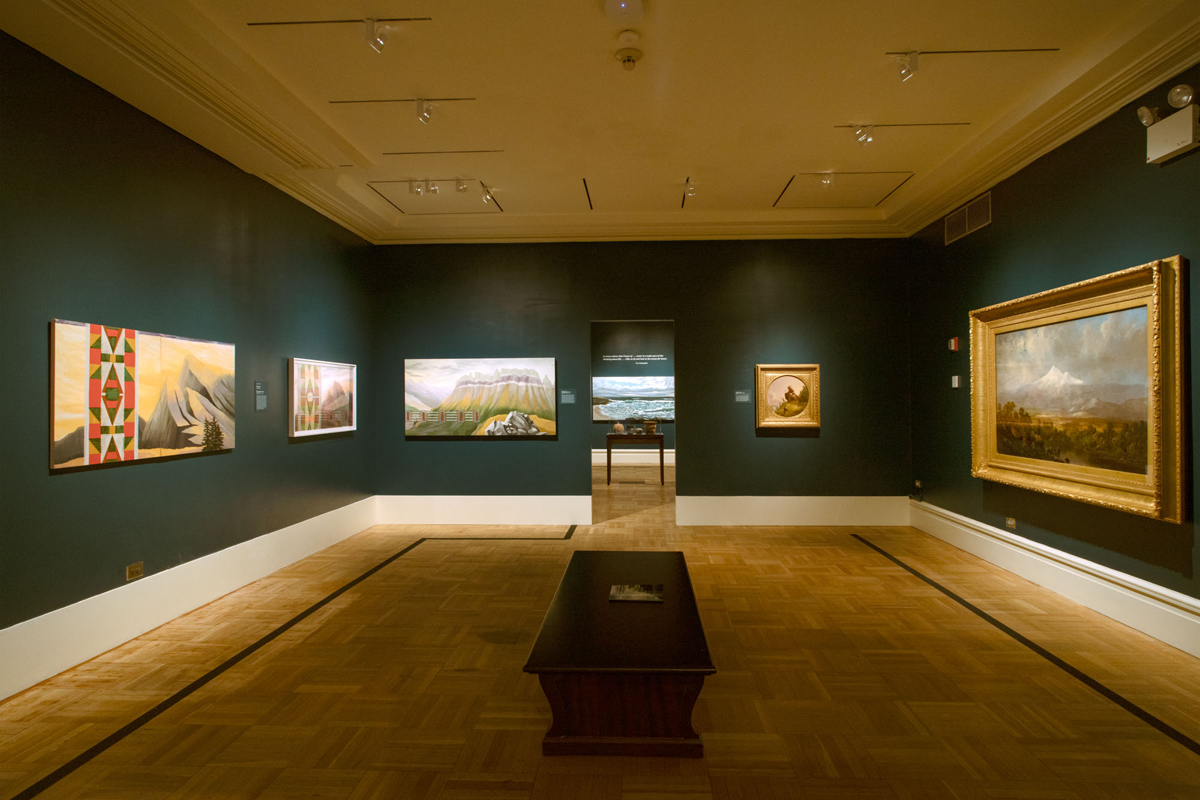
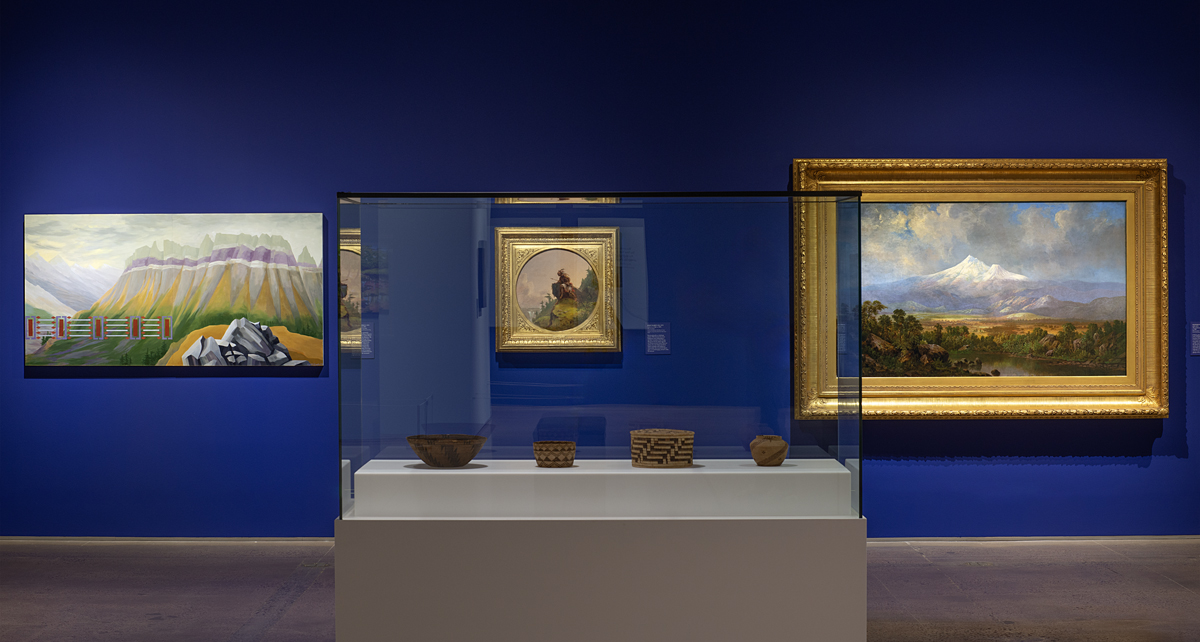
This relatively simple but highly effective technique runs through multiple pieces in the show. In Our Land (2007), WalkingStick presents a two-paneled view of the Bitterroot Mountains in Montana, where Chief Joseph once led the Nez Perce to evade capture by the U.S. Army, set against a blazing yellow sky. Running vertically down the whole left panel, almost erasing an entire mountain peak, is a pattern of white, yellow, and green triangles bordered by red rectangles. A vitrine next to the painting shows a similar pattern in the same colors covering the surface of a rawhide Nez Perce parfleche bag, demonstrating how WalkingStick recontextualizes Indigenous craft traditions within her landscapes.
Baskets and pottery appear alongside other paintings so visitors can watch these patterns circulate: a mountain range may have initially inspired the horizontal band of layered triangles around a woven Akimel O’odham basket, while WalkingStick takes another triangular motif—this one from a Cherokee basket—and transcribes it onto a North Carolina mountain range, as in Cataloochee (2007).
More than mere decoration, WalkingStick’s use of these patterns transforms them into tribal signatures that can reclaim the landscapes that represented American power and possibility in the era of the Hudson River School, but now should be seen unambiguously as Native homelands.