Located on the high plains of West Texas, Lubbock is a creative hotbed in the middle of the cotton fields, with a vibrant art scene that draws big crowds to downtown and devotees to the fringes.
Elevation: 3,232 feet
Population: 273,071
Town Etymology: Named for Texas Ranger, Confederate Colonel, secessionist, and slaveholder Thomas Saltus Lubbock, who passed through the area only once, in an 1841 expedition to Santa Fe.
Fun Fact: Tetsuya “Ted” Fujita used data from the May 11, 1970, tornado that ripped through downtown Lubbock to confirm the Fujita scale, measuring tornadic intensity. The Lubbock tornado, rated F5, left a path of destruction that’s still visible in the numerous empty lots winding through downtown. Ten years later, rock promoters launched a Woodstock-like concert called Tornado Jam in Buddy Holly Park. After three years, the City shut the Tornado Jam down on account of the buffalo grass getting trampled.
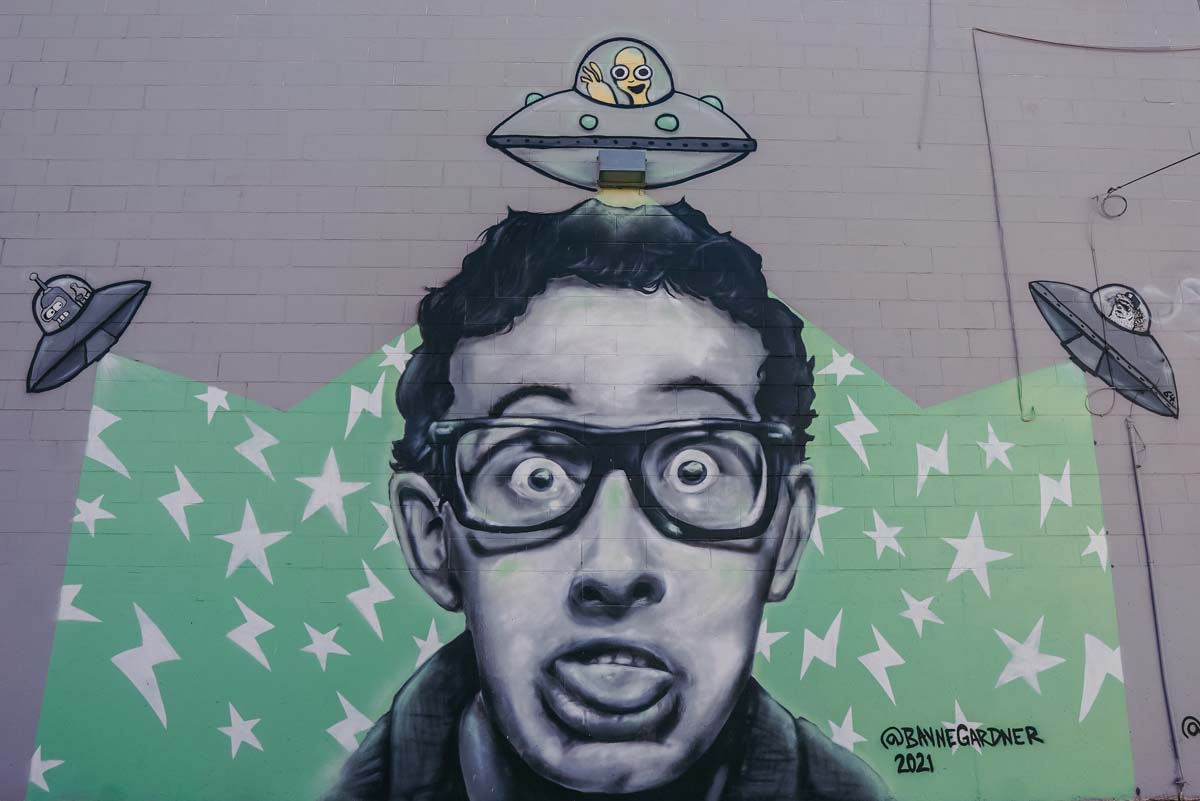
Over several nights in 1951, independent observers saw mysterious lights in a V formation over the West Texas city of Lubbock, flying at high speed. Were they migrating birds reflecting the street lights? Or something more extraterrestrial?
We still don’t know definitively what the Lubbock Lights were, but the local UFO sighting became a lasting cultural touchstone for a city that’s a creative hotbed out in the middle of the cotton fields. Best-known as the birthplace of Buddy Holly, Lubbock’s musical luminaries include outlaw country singer and conceptual artist Terry Allen, alt-country star Joe Ely, and psychobilly outsider musician Legendary Stardust Cowboy. So much artistic talent has sprouted from this flat, harsh, church-ridden environment, it makes you wonder if Lubbock’s featureless plain is a Petri dish for the study of the human capacity to create something from nothing.
As one commentator in the documentary Lubbock Lights (2003) explains, “It’s a strange place to live, and I think it’s got to have psychological effects on people. I think it probably drives some people crazy… it’s driven other people to make art.”
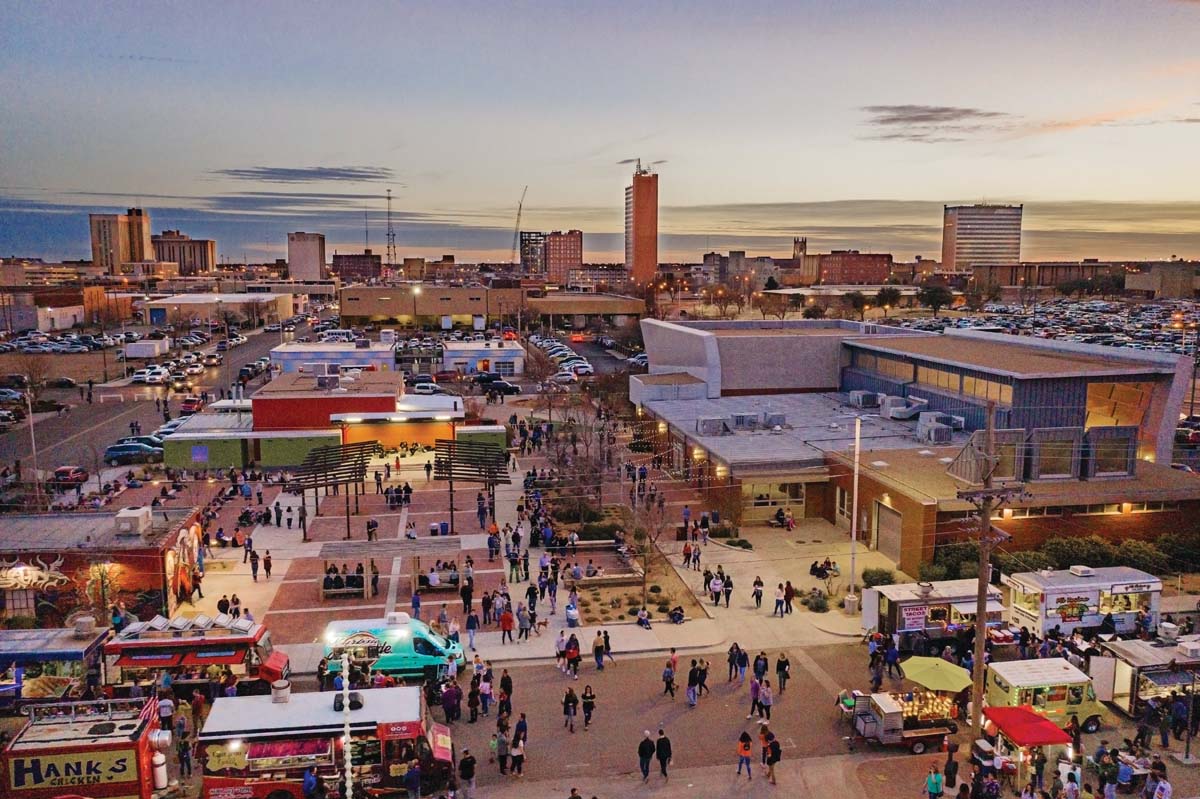
Known as Hub City because it’s a crossroads to everywhere else, Lubbock is home to a creative community that’s far from transient. It has a vibrant and varied scene, with a First Friday event that draws out-of-this-world crowds to its downtown arts district every month, community art spaces on the fringes of the city, and even a site-specific sculpture garden and art research station located on a working farm.
Arts + Culture
LHUCA
The Louise Hopkins Underwood Center for the Arts is the heart of the Lubbock Art District. Housed in a former fire station, the nonprofit kunsthalle shows solo and group exhibitions from regional, national, and international artists. LHUCA manages Lubbock’s popular First Friday Art Trail, where thousands of art-goers converge on the downtown, snaking through the various galleries, art studios, craft vendors, and food trucks.
CASP
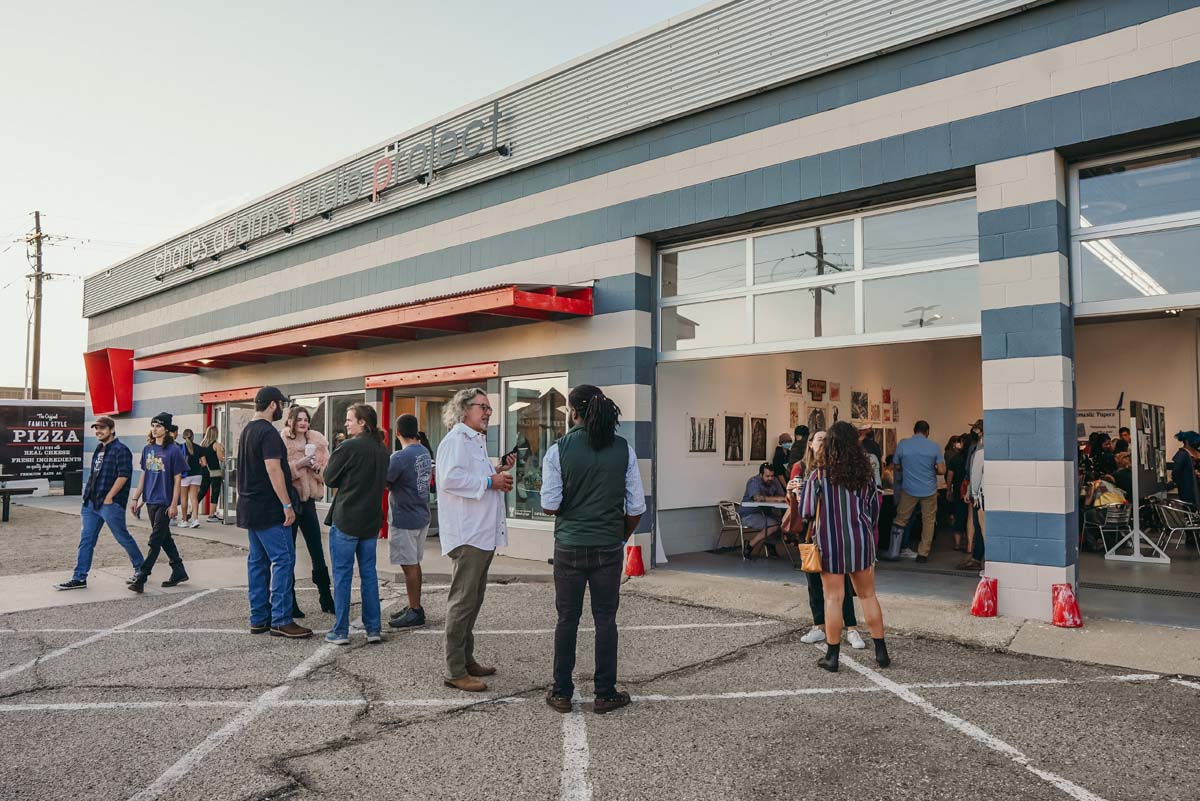
Not quite a twin, but definitely a sibling nonprofit, the Charles Adams Studio Project encircles LHUCA’s Plaza to form a sprawling downtown arts campus, anchored at one end by the Charles Adams Gallery—a separate, commercial enterprise—and at the other by 5&J Gallery—an exhibition space mounting monthly shows every First Friday—with more than a dozen working artist studios interspersed throughout.
Landmark Arts
Texas Tech University’s programming platform offers curated exhibitions across several galleries on campus (including a dedicated, student-curated, photography gallery in a subbasement hallway, aptly named SRO, for “Standing Room Only”) and in the city, including the Satellite Gallery next to 5&J downtown.
East Lubbock Art House
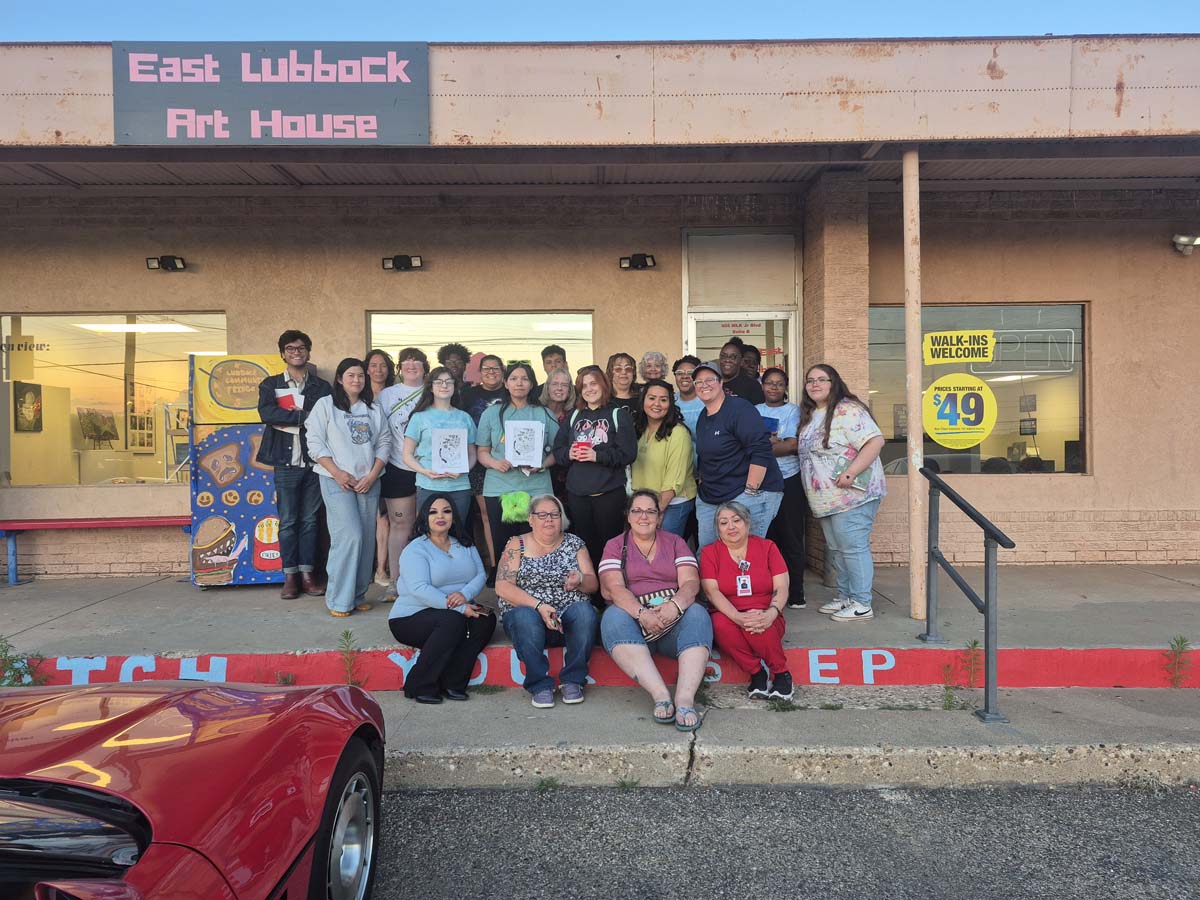
ELAH is a community art gallery and creative hub serving Lubbock’s historically Black East Side. The nonprofit was founded by artist Danielle Demetria East in 2020, bringing a utopian vision of “art is for everyone” to this often marginalized neighborhood and uniting the city’s art and activist communities in the process.
Co-Opt Research + Projects
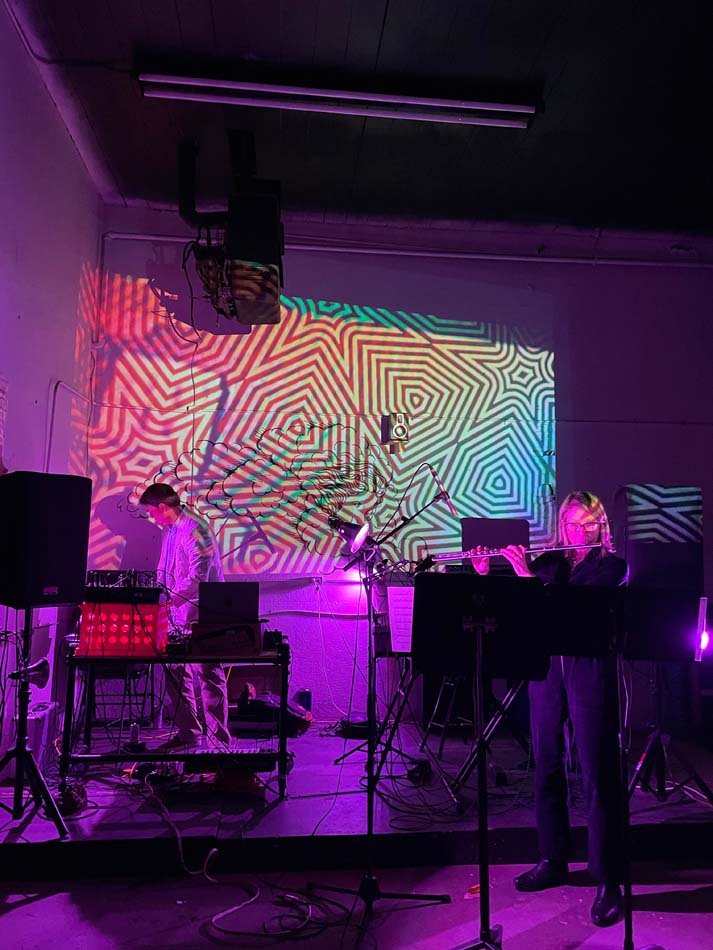
An artist-run gallery and performance space situated in a disused strip mall in a residential neighborhood south of TTU, Co-Opt presents research-driven and works-in-progress exhibitions in its gallery and hosts experimental music shows in its garage. (Disclosure: I co-founded and helped run this gallery before departing Lubbock.)
More to Explore:
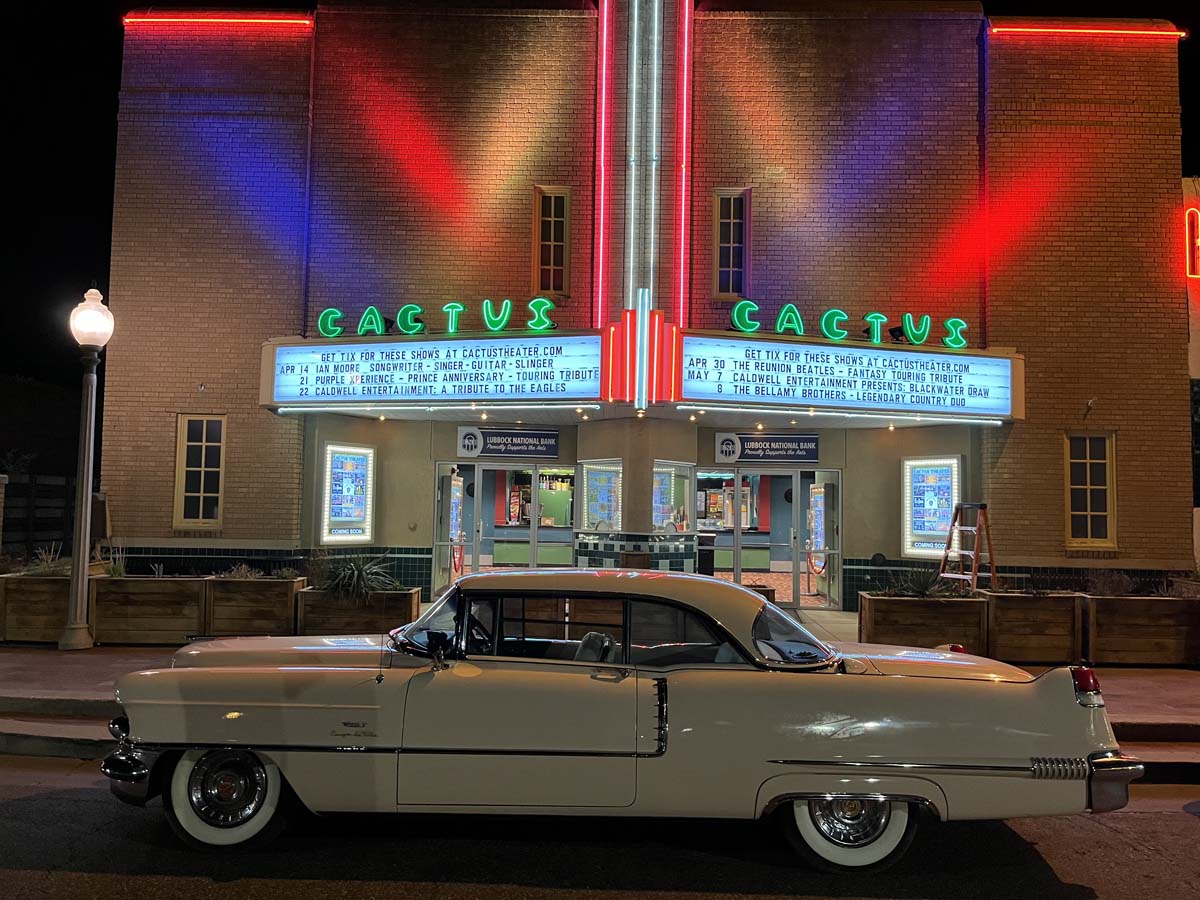
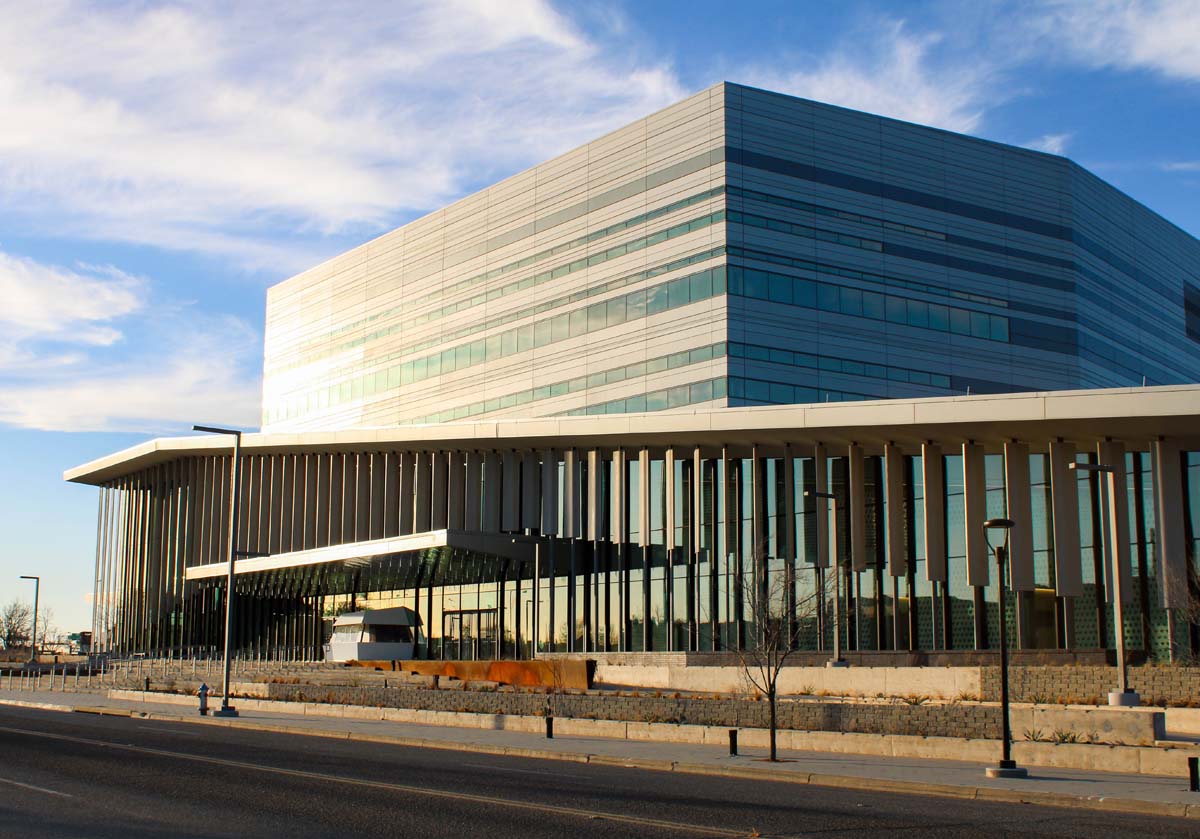
Other cultural offerings in Lubbock’s downtown include live music and movies at the historic Cactus Theatre, and the Lubbock Symphony, Ballet Lubbock, and other performances at the grand and voluminous new performing arts center Buddy Holly Hall. Not to be confused with the Buddy Holly Center, the city-run art gallery, history museum, and historic site where you can see artifacts from the fêted and fated rock-n-roller (including his signature black-rimmed glasses, salvaged from the site of the plane crash). More Lubbock history can be found just across the railroad tracks, on the site of Stubb’s Bar-B-Que, with a bronze statue of culinary and musical legend Christopher B. Stubblefield, Sr., created by Terry Allen.
Cruise around the TTU campus and discover its public art collection, including another Allen bronze outside the School of Art, and a 108-foot-long fresco depicting Lubbock’s early days, encircling the rotunda of Holden Hall, painted by Peter Hurd in 1954. The National Ranching Heritage Center offers an outdoor tour of historical ranch and early settler architecture, and the Museum at Texas Tech University has rotating and permanent exhibitions of art and science.
Venturing outside the city limits, be sure to make an appointment to visit the Tablelands Center for Bioregional Art, located on a farm northwest of the city, where you can see earthworks and sculptures among prairie grasses. In an old silo dubbed the Museum of Post-Agriculture, you’re invited to take a drink from The Tap (2022), an installation by M12 Studio that plumbs the depths of the Ogallala Aquifer, the endangered underground water source that the entire region’s agricultural economy depends on.
Stay
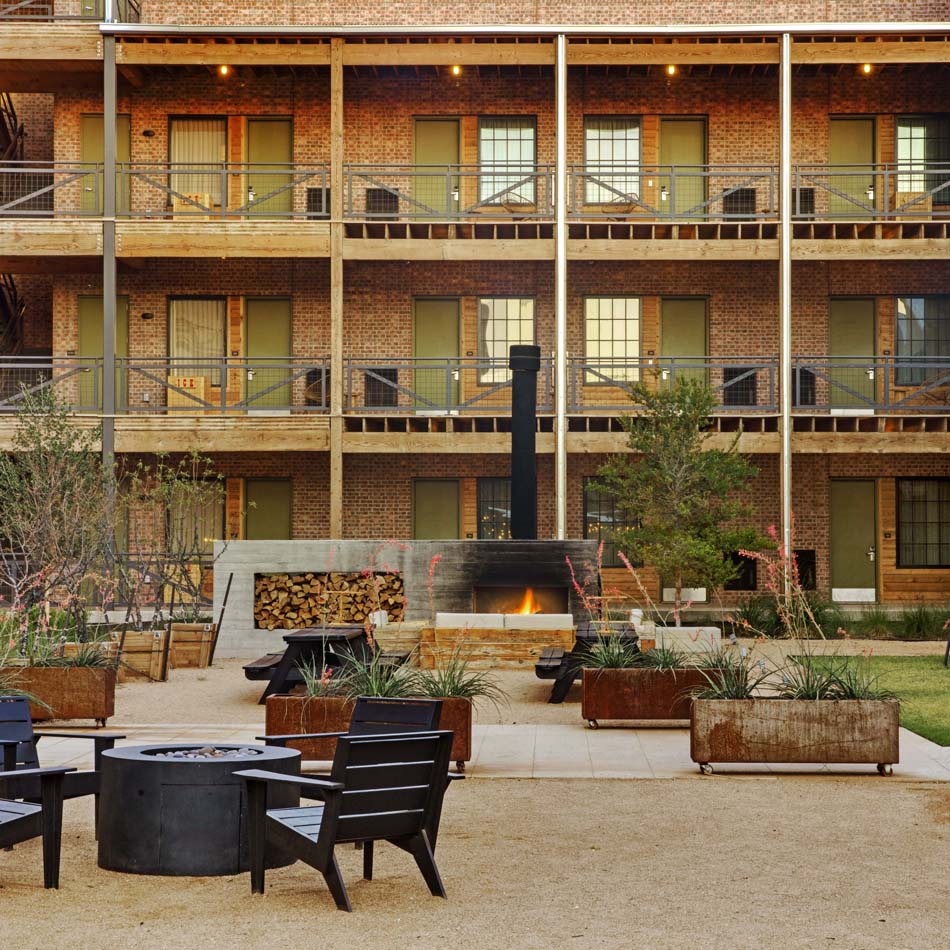
Apropos of the region’s cash crop, the Cotton Court Hotel is what I can only describe as “ag chic.” On-site dining at the excellent Midnight Shift and an open courtyard make this downtown boutique hotel a prizewinner.
Sustenance
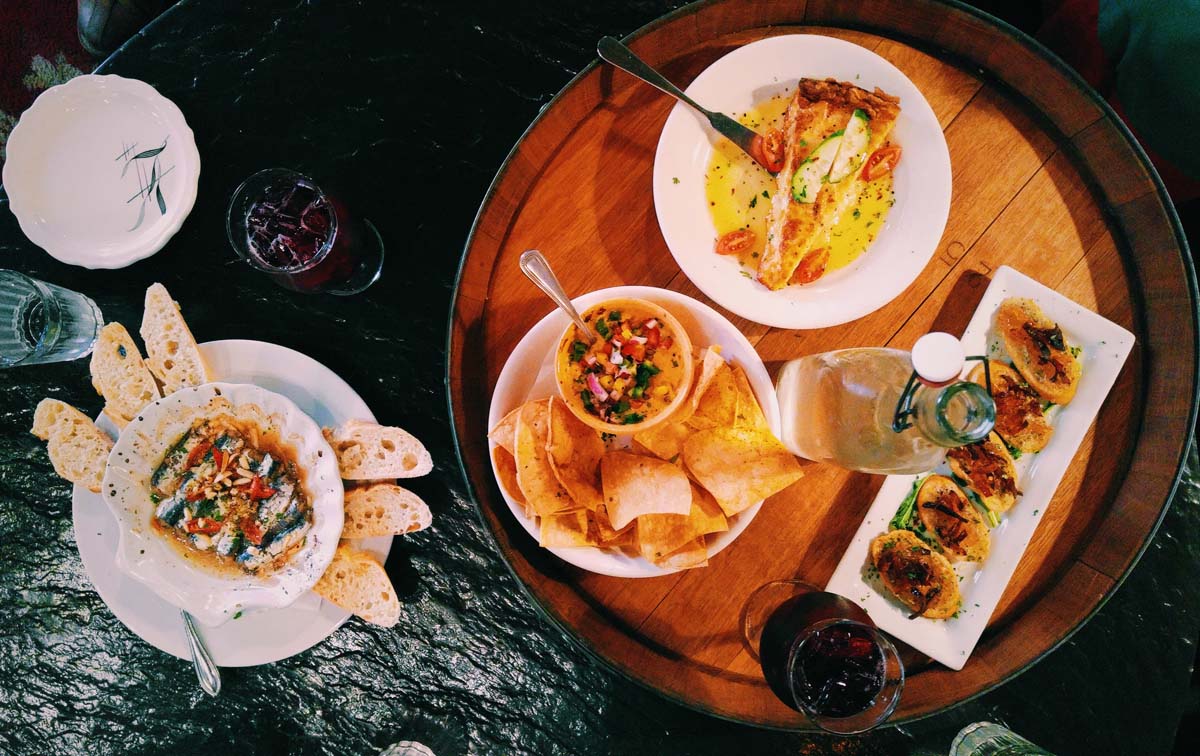
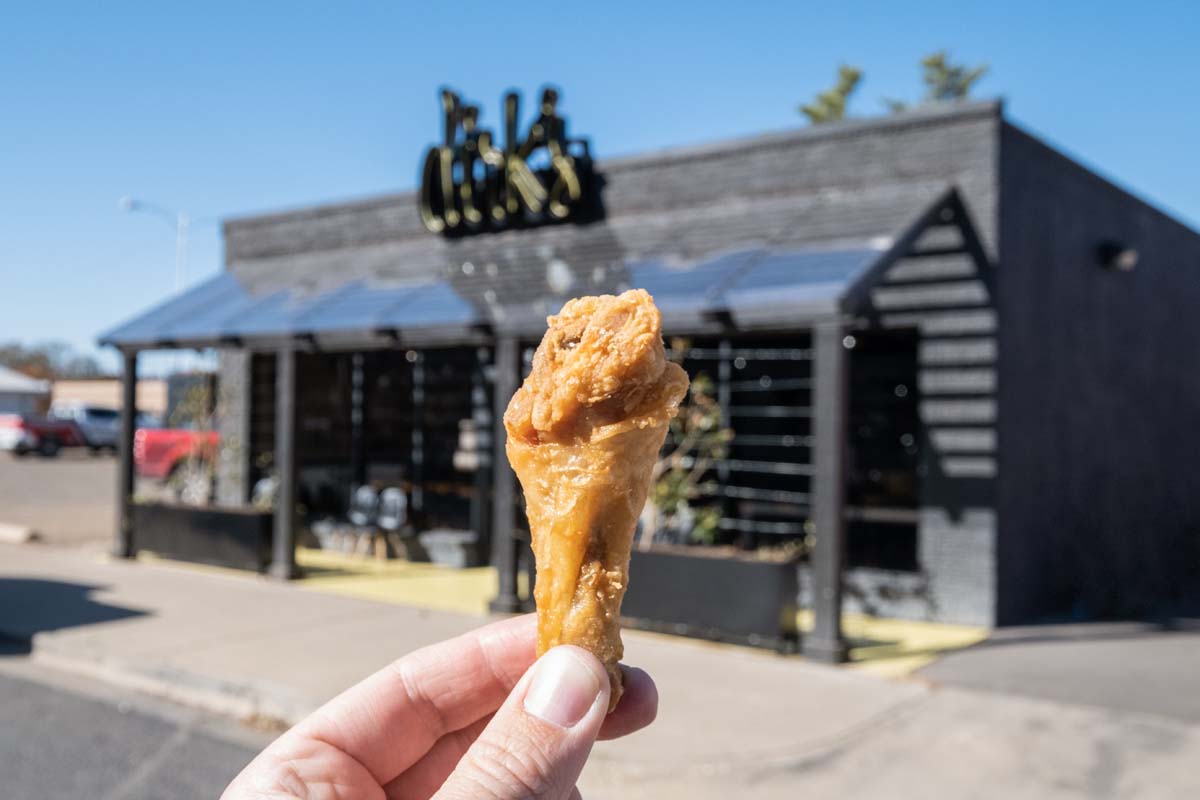
La Diosa Cellars offers tapas and wine with local flair in a bohemian setting befitting the Art District. Make time to peruse the art collection—there are delightful surprises hidden among the many Fridas. I’m not sure how many fried chicken restaurants there are per capita in Lubbock (a lot). Dirk’s Signature Chicken and Bar—so named for cartoonist Dirk West, whose drawings grace the walls—is not only the most inventive but the most mouthwatering. Try the “KFC,” or Korean Fried Chicken. Flippers Tavern, or “Flips,” as the locals call it, is a pinball-themed mainstay for the Lubbock art community. Order a Chilton (Lubbock’s salty and refreshing original cocktail) and a Flipper-style vegan hot dog or some gouda mac with jalapeño crispies.
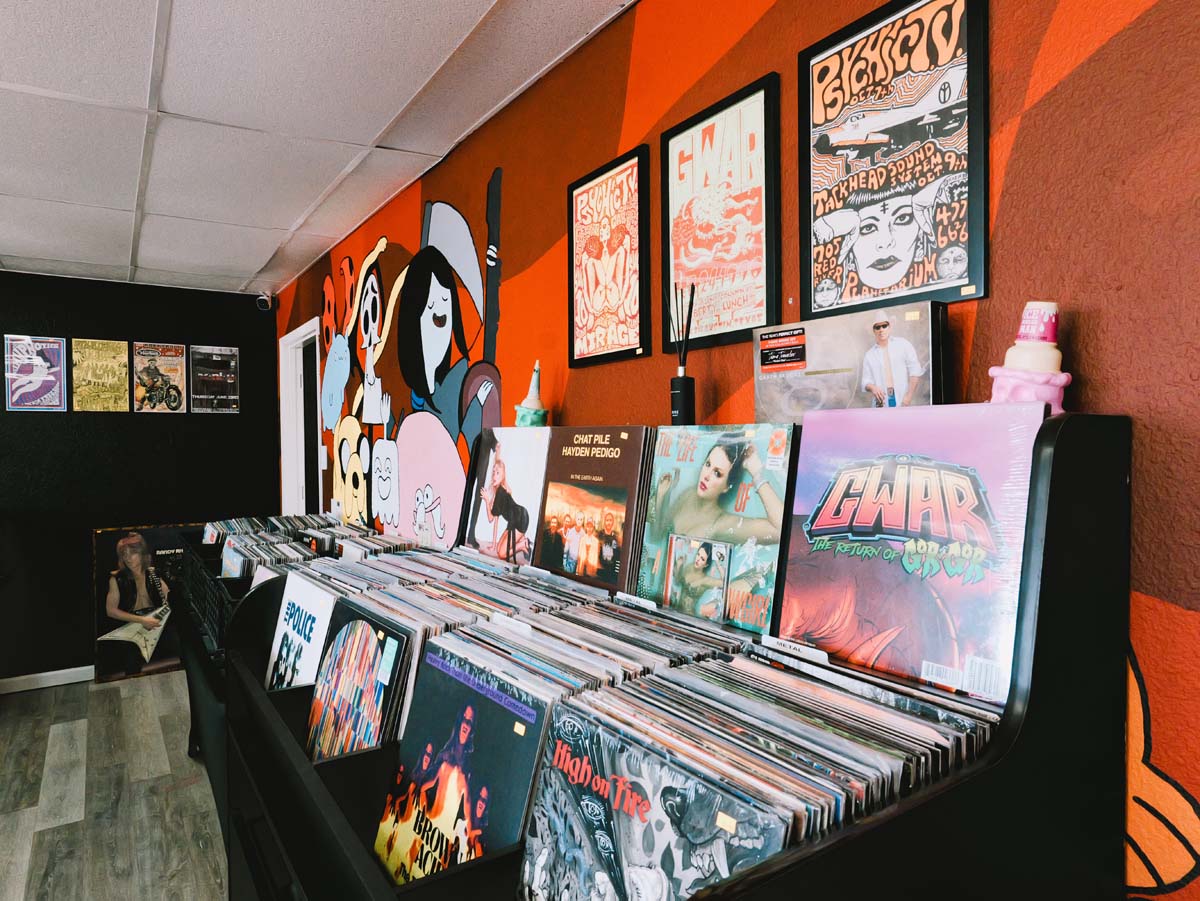
Located next door to Co-Opt, Hub City Records has an enormous, eclectic selection of new and used vinyl, CDs, and tapes, ranging in styles from alt country to experimental noise.
Outdoors
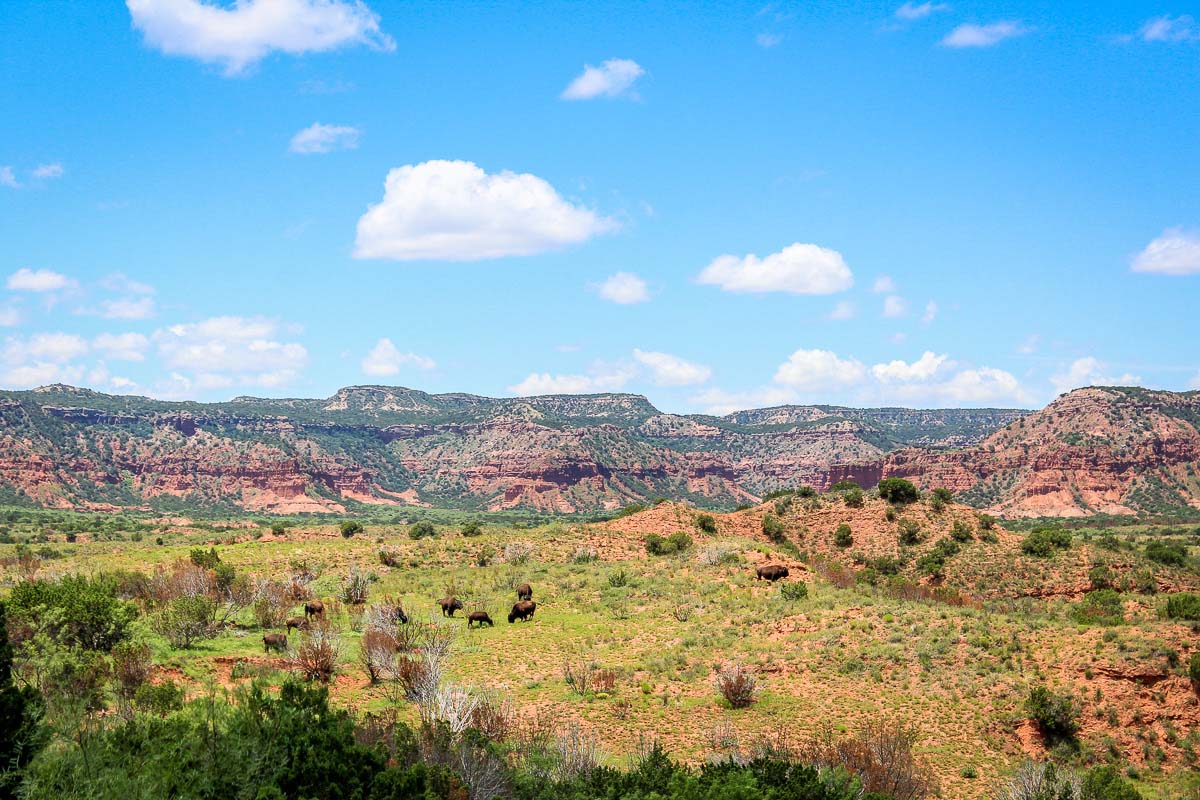
Lubbock is perched on the Llano Estacado, a vast mesa that stretches across West Texas and into Eastern New Mexico. To find some topography out on the flatlands of the High Plains, you’ve got to drive out to the canyons, and when you drop off the caprock of the Llano into the wide-open canyonlands, it’s a transcendent experience. Since Texas’s land is almost entirely privately owned, you’ve got to drive a couple hours out to take a hike, though. Northeast of Lubbock, Caprock Canyons State Park offers hiking, biking, and bison herd viewing.
Unexplained Phenomena
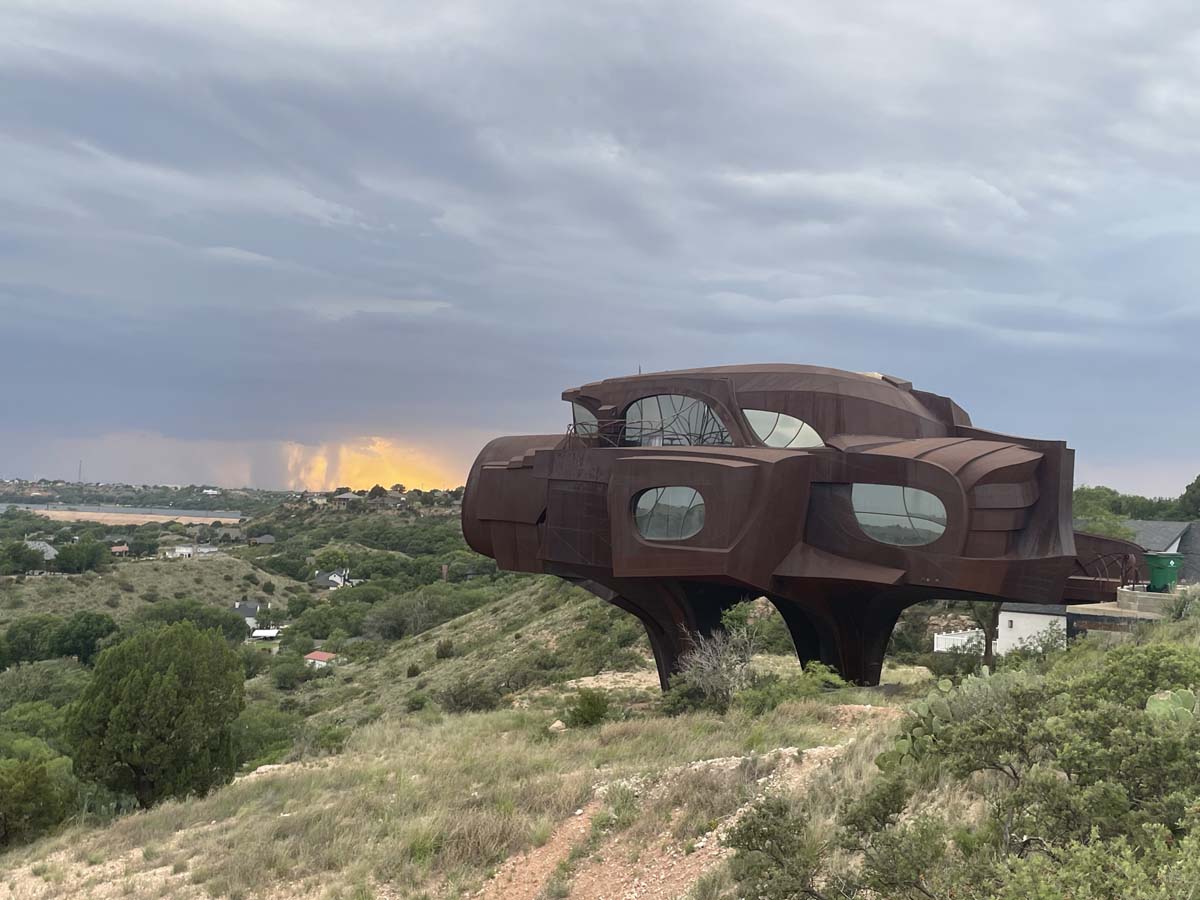
Besides the Lubbock Lights and the mystifying, daily flocking of grackles above the city, there are also a few oddities that have landed for good. Seek out a mysterious steel house perched on the edge of Ransom Canyon Lake, southeast of town. The unfinished, improvised architectural wonder sports steampunk aesthetics with an alien twist.
It’s the passion project of self-styled architect Robert Bruno, who began work on it in 1974 and died before he could finish—more of an artwork than a real dwelling. There’s a smaller sculptural prototype of the Corten steel structure located outside of the architecture building at TTU, where Bruno taught art for a time. The steel house sat vacant for years and was eventually sold by the family. While this outlandish landmark might resemble a thing of alien construction (weirdly, it now operates as an Airbnb), it also stands as an emblem of just what human creativity can unleash in the endless possibility of these wide open spaces.