Colorado’s “second city” has a rich and historic art scene, often overshadowed by the city’s contemporary connections to sports, tech, and the military.
Elevation: 6,035 feet
Population: 493,554
Town Etymology: “Colorado Springs” was just a placeholder name, coined by General William Palmer who bought, built, and settled the site in the 1870s, referring to a broad region of healing mineral waters beneath Tavá Kaa-vi, the Southern Ute name for what’s now known as Pikes Peak. The Colorado Springs name stuck, despite the fact that any notable springs lay about five to seven miles west.
Fun Fact: The poet Katharine Lee Bates was so inspired by her trek up the 14,115-foot Pikes Peak at the edge of town that she penned “America the Beautiful” in 1893. Today, you can hike the thirteen-mile Barr Trail or book a seat on the historic Cog Railway for a firsthand glimpse at the “purple mountains majesty” and “amber waves of grain” that secured Pikes Peak its enduring nickname: America’s Mountain.
Colorado Springs is a city committed to its various phases. It has been, in turn, a Western outpost for Eastern entrepreneurs, an artists’ colony, a health resort, a military installation, a high-altitude training camp, and a tech hub.
Stand at the intersection of Boulder Street and Union Boulevard and you can almost see the city’s striations—the group of buildings on that corner has been a sanatorium for tuberculosis patients and an Air Force hospital during World War II, and is now the U.S. Olympic and Paralympic Training Center.
These behemoth industries have each left their imprint on the ever-changing city. But in doing so, they have often overshadowed a complex arts scene that has been there since the Springs’ strange start.
Arts + Culture
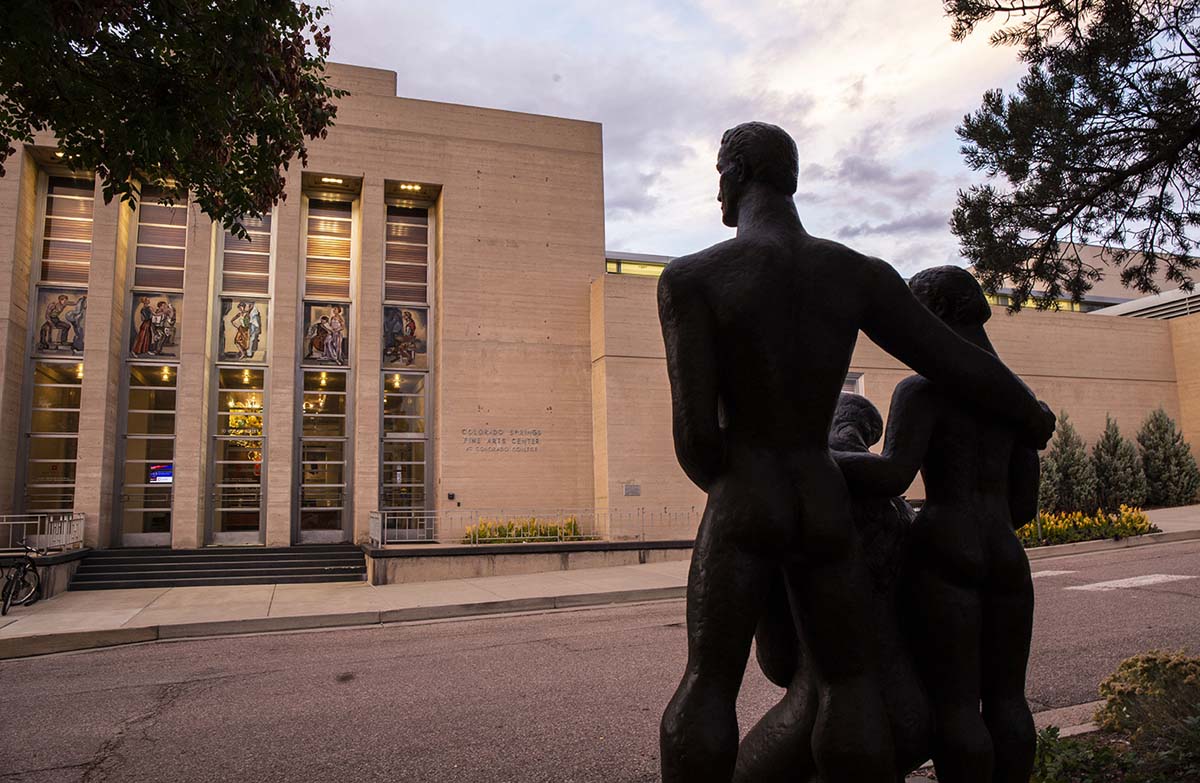
Colorado Springs Fine Arts Center
The Fine Arts Center has been the de facto archive of regional art and history since its grand opening in 1936, and serves as a single, continuous thread tying today’s Springs back to its early days as an artists’ colony. Though its archives are deep, the center saves space in the upstairs galleries for new and contemporary exhibitions.
Concrete Coyote Park
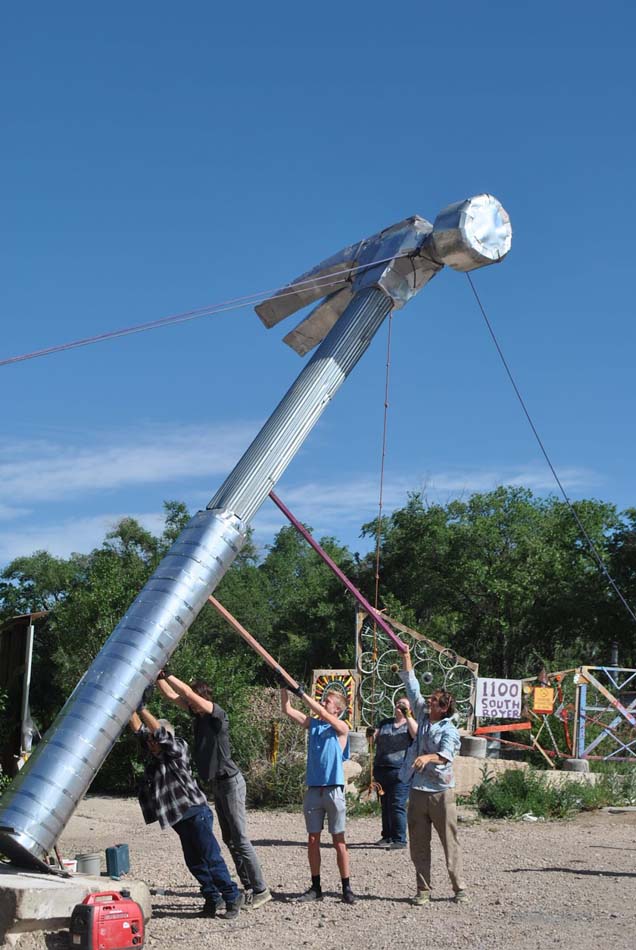
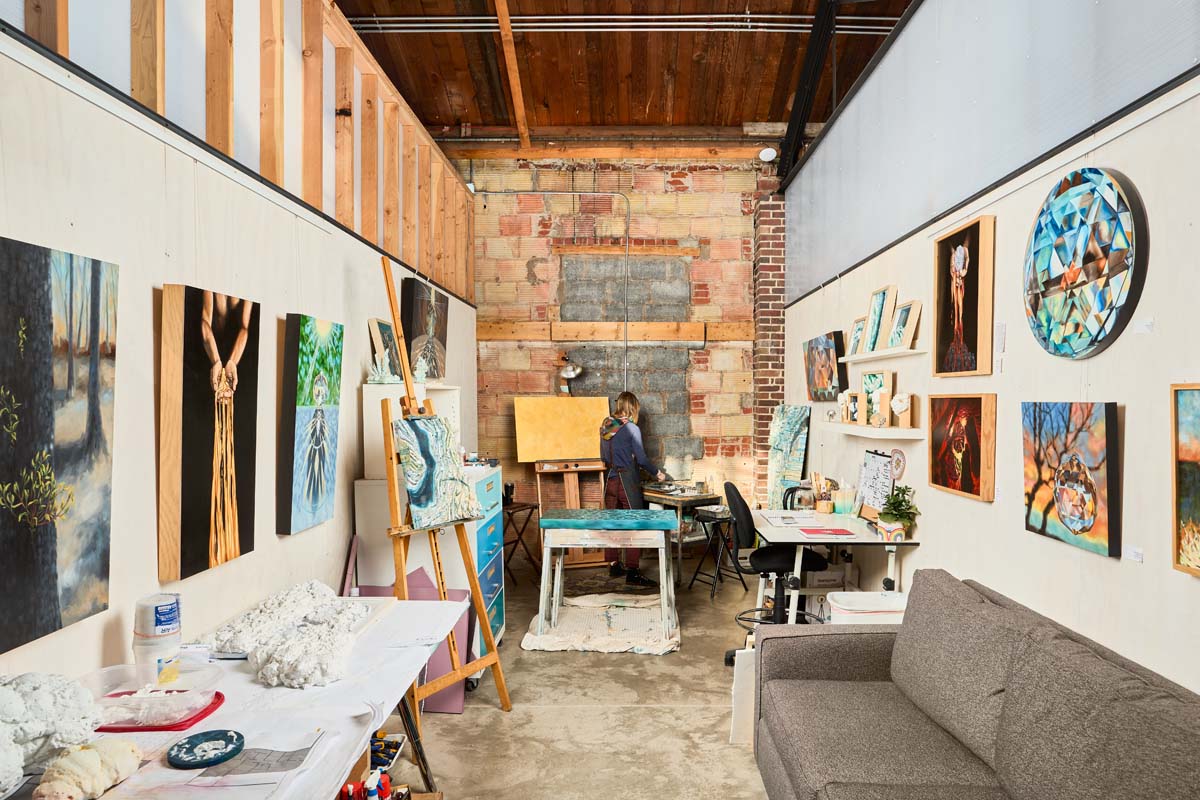
Far, far away (about two-and-a-half miles) from the humidity-controlled, tempered glass archives of the Fine Arts Center is Concrete Coyote Park, an epically scrappy outdoor art center that can awaken anyone’s inner child. The Coyote excels when it comes to community building, offering popular kids’ summer camps and hosting weekly jam sessions, poetry readings, and offsite “fab lab” creating time.
Ent Center for the Arts
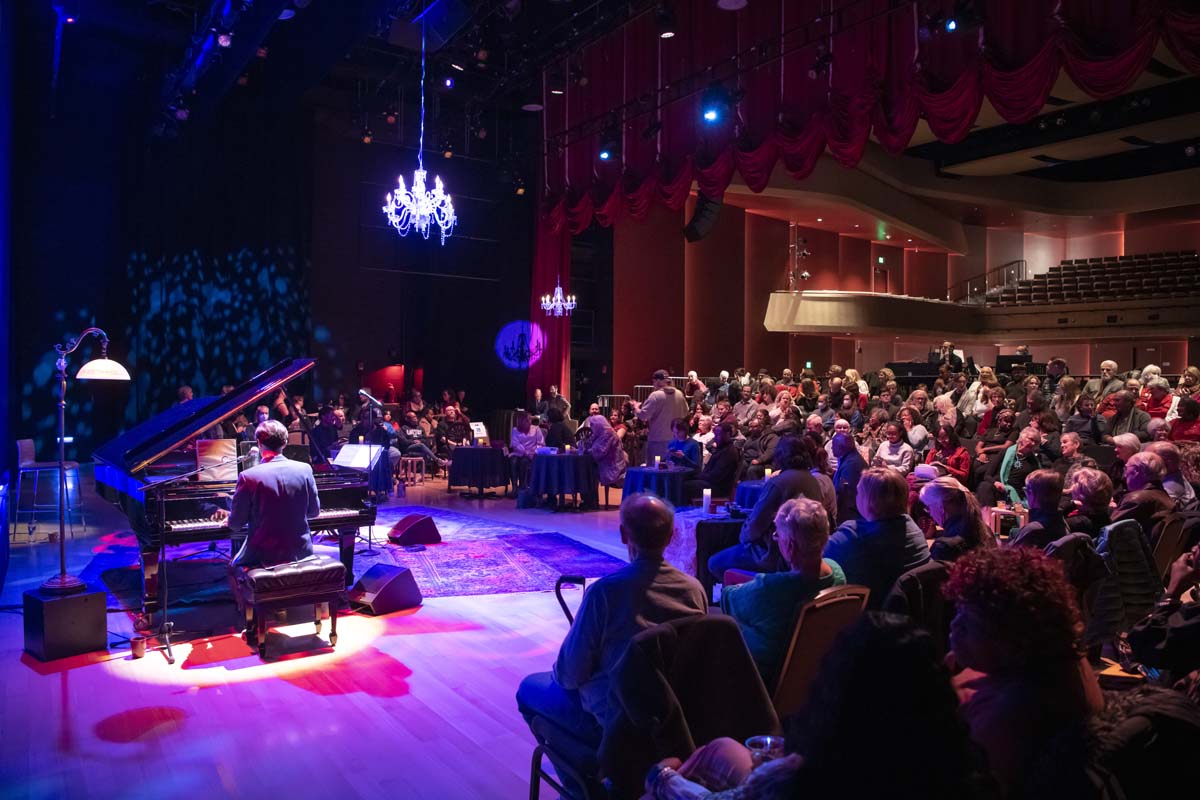
The Ent Center for the Arts is what happens when a city, a university, and hundreds of community members sign off on the five-decade dream of a local thespian determined to create a cross-disciplinary hub for artists. The Ent Center is home to the Galleries of Contemporary Art and really shines during special events, like a wellness series where people can enjoy some grounding time in the gallery, an annual avant-garde fashion show, or an artist lecture series.
Cottonwood Center for the Arts
A cornerstone of the First Friday art walk, the Cottonwood Center for the Arts opens a fresh exhibition every month, and keeps a packed schedule of adult and kids’ classes in painting, pottery, drawing, writing, jewelry, music, and mixed media.
Green Box Arts at Green Mountain Falls
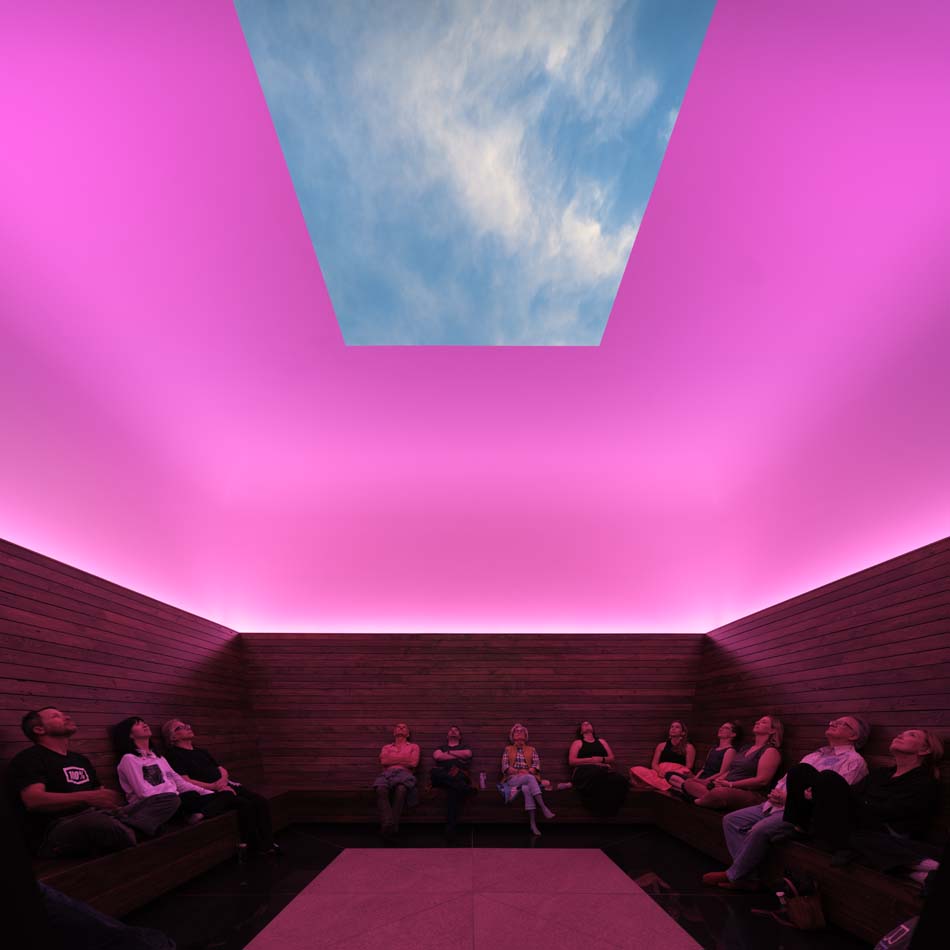
The small, art-filled town of Green Mountain Falls is tucked just-so off the road that it remains a mystery even to most Springs locals. If you do manage to find it, enjoy a short hike to a James Turrell Skyspace, gather by the creek at brooke smiley’s (Osage) EARTH.SPEAKS, or take a self-guided tour through the town‘s public art installations.
More to Explore:
Just west of downtown Colorado Springs are Old Colorado City and Manitou Springs, two small outcroppings rich in cultural offerings. A quick six-mile trip up Colorado Avenue strings together all three cities and makes for a vibrant night out on the First Friday of the month.
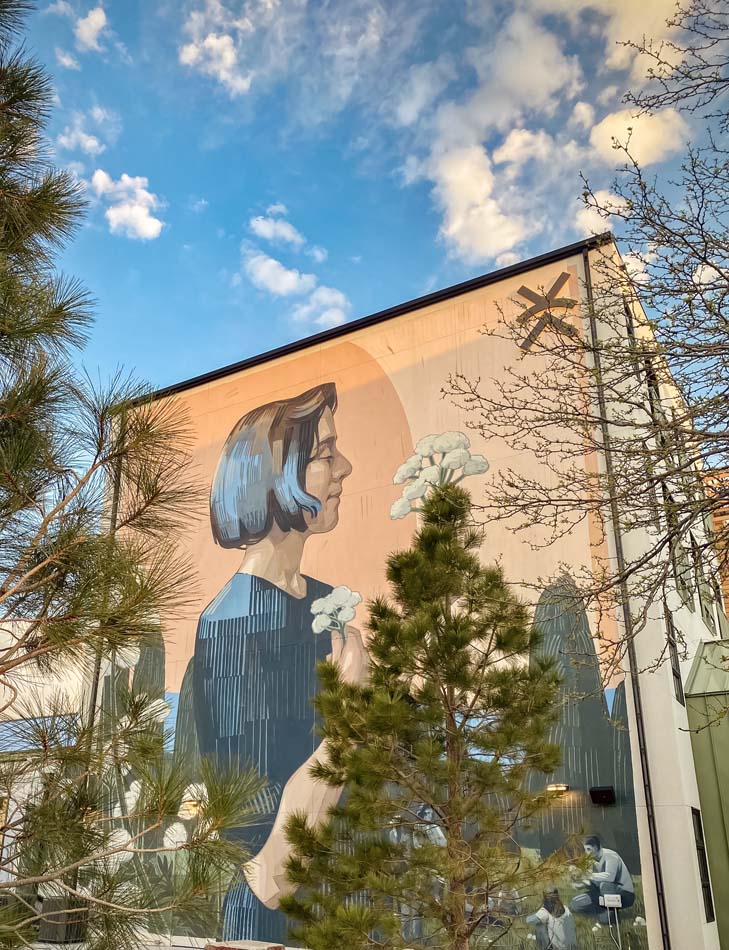
When you’re downtown, visit the Pioneers Museum, an old-school collecting institution founded in 1896 with always-free admission. Next, pop into Ladyfingers Letterpress for handmade designs from the lettering and printmaking studio, or visit Cronk Art & Curiosities across the street for your fix of the strange, unusual, and metaphysical. Along the way, peep the robust public art collection, made up of more than 300 murals and sculptures that the city has been adding to since 1998.
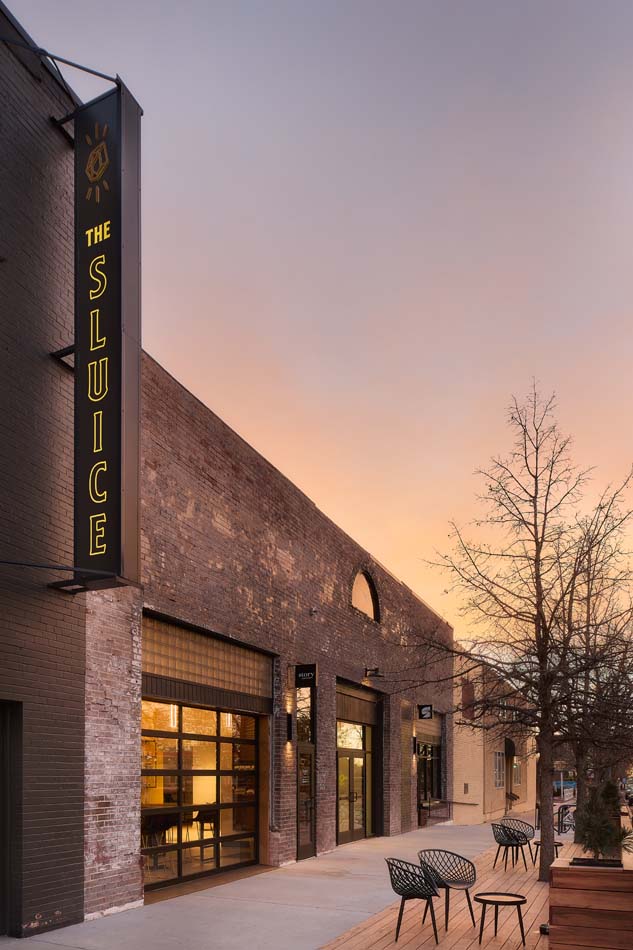
In Old Colorado City, check out The Sluice, a collection of artist studios and small retail shops housed in a renovated general store. In this block you’ll find Surface Gallery, a small gallery and beautifully curated shop, as well as a coffee shop, mocktail bar, and community event space.
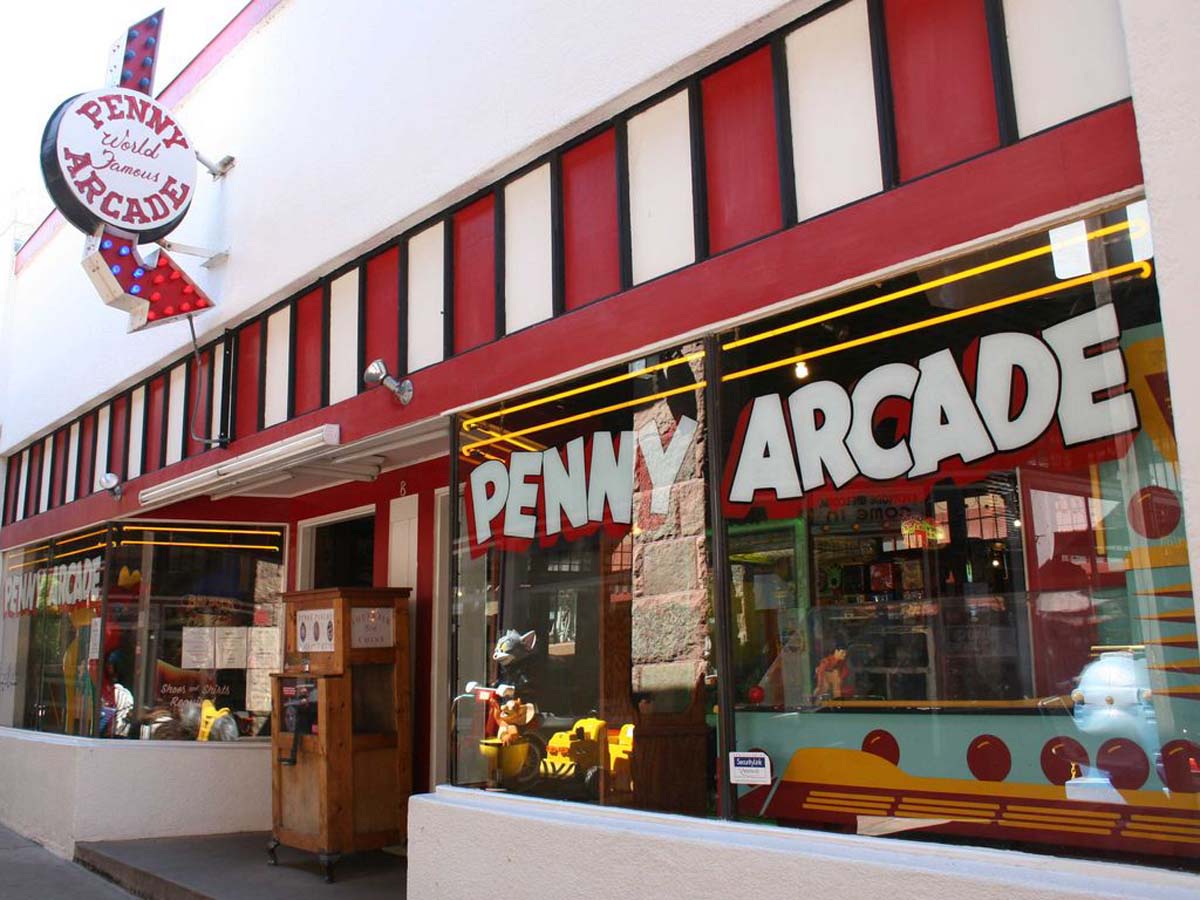
If you make it to the steep streets of Manitou Springs, make a point to visit the Manitou Art Center, the town’s hands-on creative hub, and play a few rounds at the Penny Arcade, a family-friendly madhouse of (mostly) working arcade games. The town is also the starting point of the Manitou Incline, a famously challenging, mile-long staircase at the base of Pikes Peak that attracts record-chasers and extreme athletes. Ascend if you’d like, but first make sure you’ve adjusted to the altitude.
Stay/Rest
Kinship Landing
The most distinctive room at Kinship Landing isn’t a room at all, but the hotel’s fourth-floor camping deck, a private open-air space where you can pitch a tent or hang a hammock, but still have access to a luxuriously heated bathroom.
Broadmoor Hotel
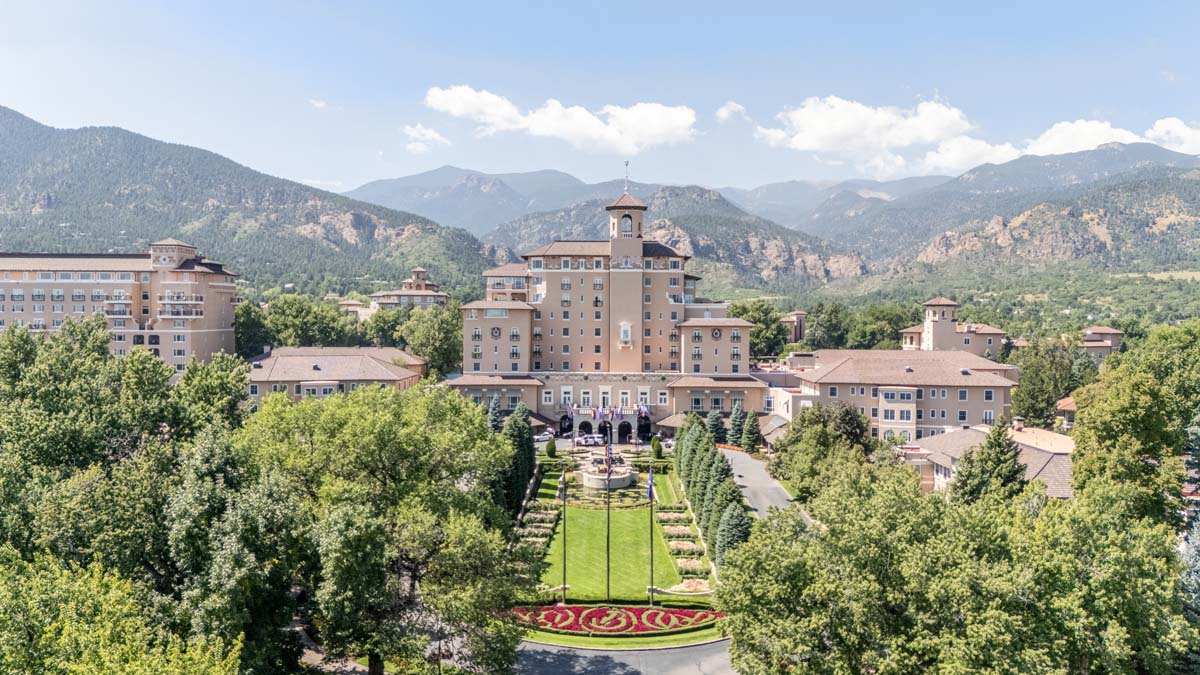
The Broadmoor Hotel is worth mentioning for its historic significance in the city, if not as an actual place where locals recommend a stay. While it is a luxury resort by anyone’s definition, the things that once made it truly unique to Colorado—including a four-run ski area, a lake guests could water-ski on, and a rodeo stadium—are things of the past.
Sustenance
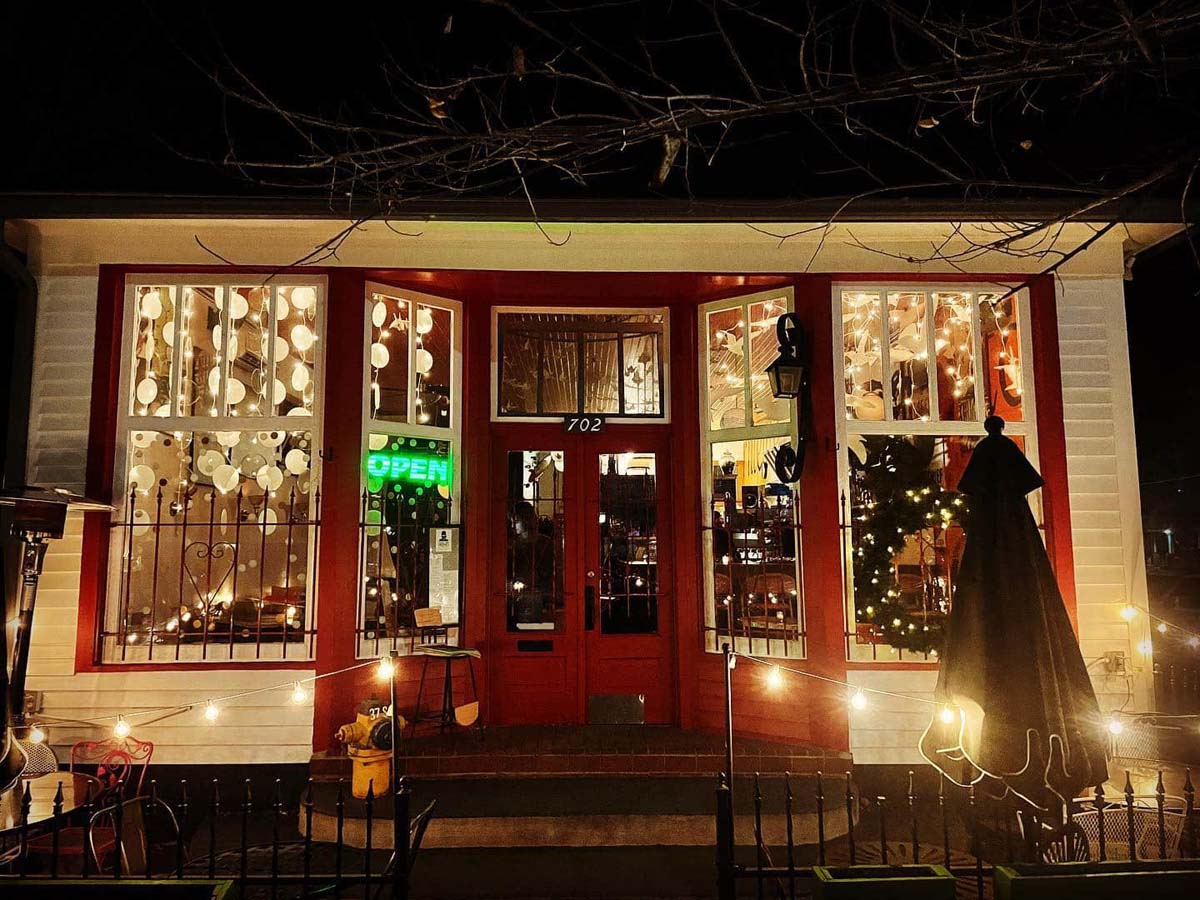
If you want to refuel at a community staple try Shuga’s, a clattery diner with an eclectic menu (I recommend the Spicy Brazilian Coconut Shrimp Soup), or Poor Richard’s, a four-in-one cafe, restaurant, bookstore, and toy shop that’s been serving the Springs for fifty years.
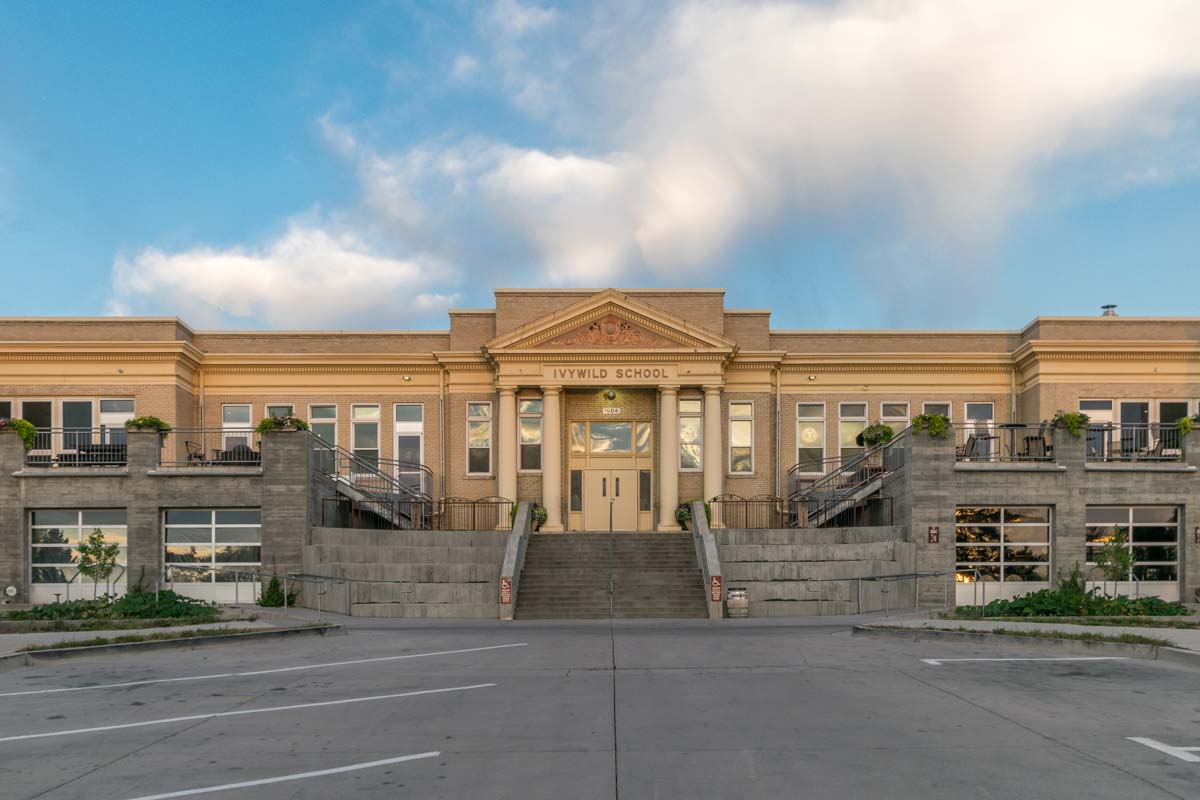
A bit farther south is Ivywild School, a marketplace housed in an echoey old elementary school. There, you can grab a drink at the Principal’s Office, pick from a variety of lunch options, and visit the Odds & Ends Emporium full of locally made gifts, books, trinkets, and toys.
In the evening, enjoy a cocktail at Icons, a downtown joint that describes itself as “that gay bar with the singing bartenders,” which tells you just about everything you need to know.
Outdoors
Garden of the Gods
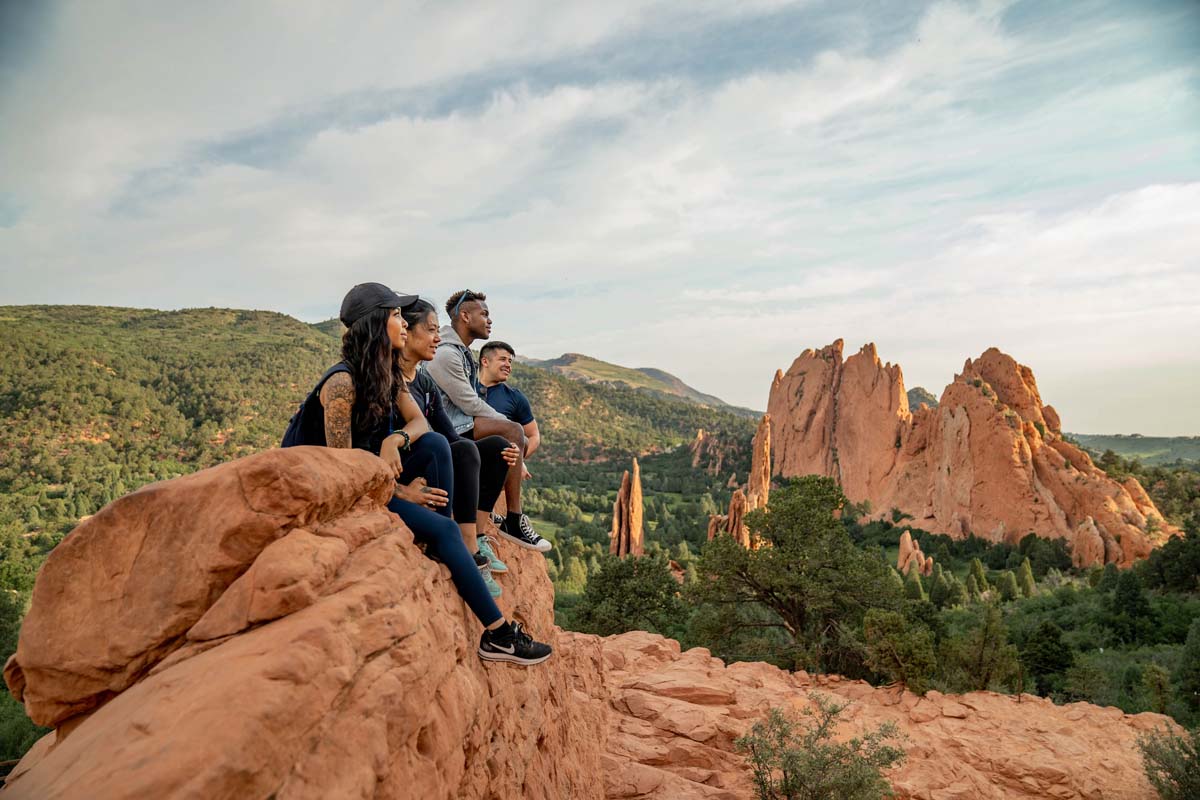
The vaunted Garden of the Gods, a free city park full of stunning sandstone formations, is one of the most accessible outdoor experiences you’ll find in the Pikes Peak North Cheyenne Cañon Park region. The park has more than twenty miles of paved and dirt trails for hiking, driving, biking, segway-ing, horseback riding, and rock climbing, as well as a nature center and an on-site cafe.
North Cheyenne Cañon Park
North Cheyenne Cañon Park boasts a well-developed trail system that isn’t quite as crowded as Garden of the Gods. The popular Mount Cutler trail is a relatively easy two-mile round-trip hike with views in all directions.
Paint Mines Interpretive Park
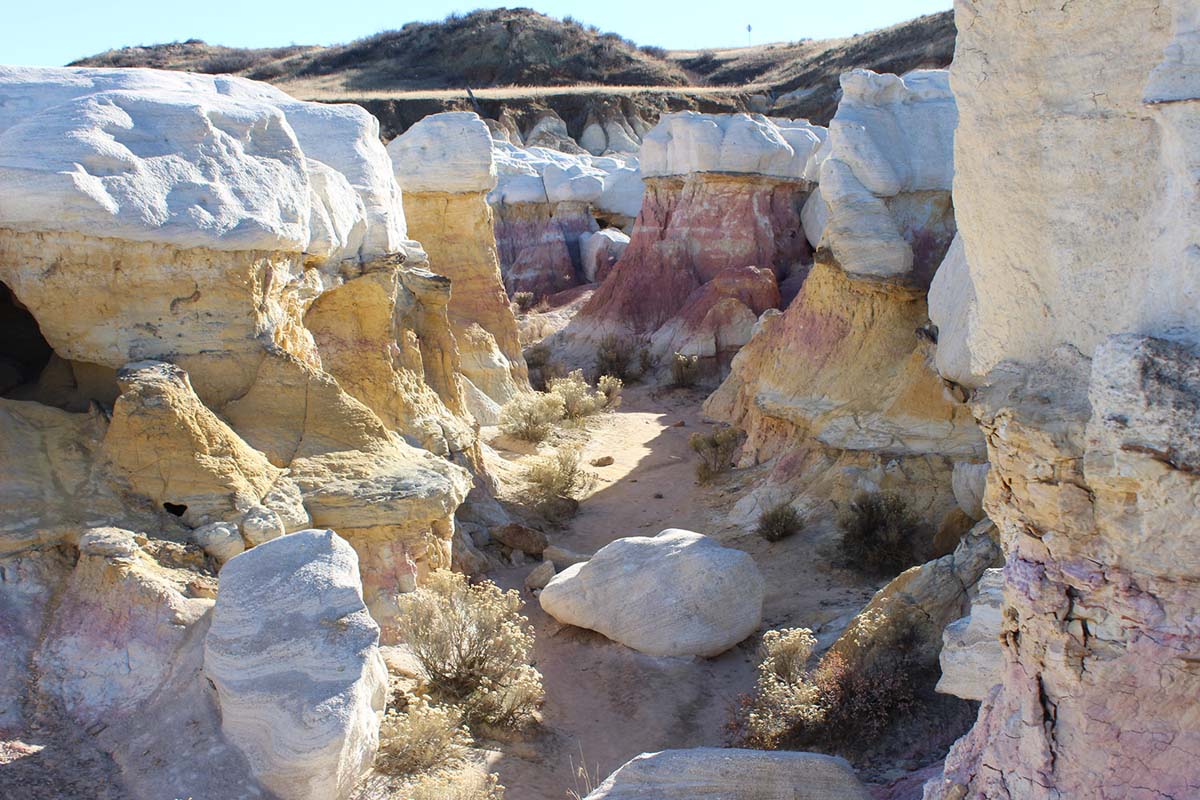
The remote location and limited amenities of Paint Mines Interpretive Park mean it often goes overlooked, despite the fact that it offers some of the most unusual geological formations in the region, including spires and hoodoos ringed by brightly colored clay once used by Native Americans to make pottery. Researchers have not been able to say which specific tribes the pottery came from, but they do know Apache, Arapahoe, Cheyenne, Comanche, Kiowa, and Ute people all lived in the area until the late 19th century, when the region was homesteaded. Later on, the clay was mined to make bricks for buildings in Colorado Springs.
Unexplained Phenomena
In the late 19th century, the Pikes Peak region was advertised as a health haven for those afflicted with tuberculosis (in fact, at one time, about one-third of the region was filled with patients seeking healing in the dry air, mild climate, and mineral waters). Among those patients was Emma Crawford, who moved to the area in 1889 but died shortly after. Crawford asked her lover to bury her atop Red Mountain, where she rested until a particularly wet year swept her coffin and body down the slope onto the streets of Manitou Springs. Today, her legendary descent is honored at the annual Emma Crawford Coffin Races.