At the El Paso Museum of Art, a slate of binational projects blurs everyday logistics with ever-intensifying border politics.
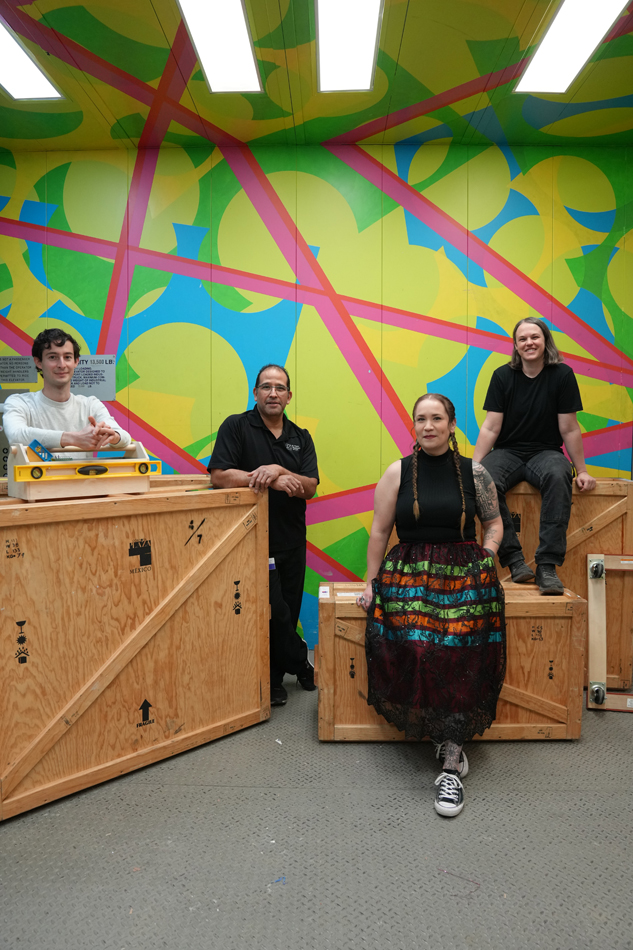
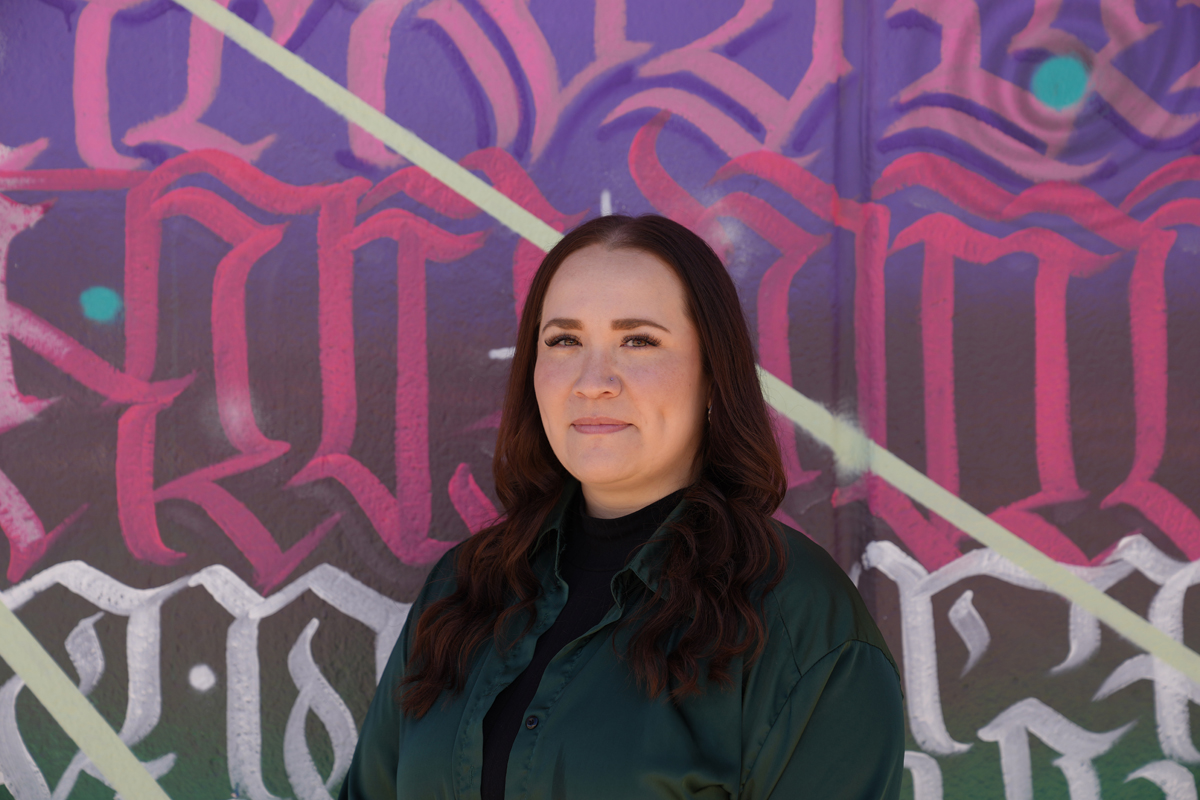
EL PASO—At the El Paso Museum of Art, Bernadette Ramos describes registrars as “the conscience of the museum.” The description sounds surprisingly moral for a role associated with the documentation, insurance, and care of artworks as they travel in and out of museums. But in a Texas border city shaped by customs inspections, immigration checkpoints, and periodic threats of border closures, the movement of art that registrars oversee becomes inseparable from the politics of immigration.
As registrar and collections manager at El Paso Museum of Art, Ramos has spent the last five years supervising the care of more than 7,000 objects while coordinating loans, shipping logistics, and international customs forms with her team of preparators. When artworks cross between the United States and Mexico—as they regularly do at EPMA—every material, declared value, and transport condition must be accounted for before a painting even reaches the gallery wall. For museums near major art capitals, many of these logistics unfold far from international ports of entry. In El Paso, they take shape within one of the most heavily policed border regions in the world.
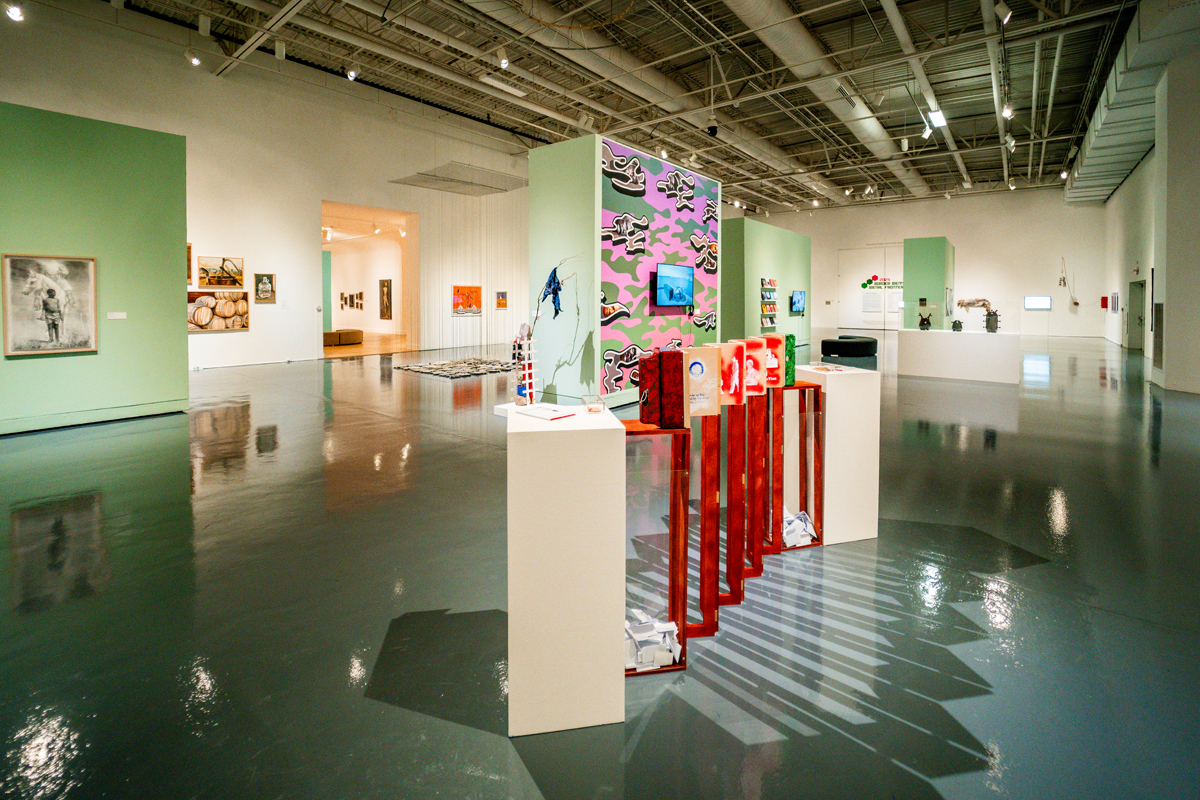
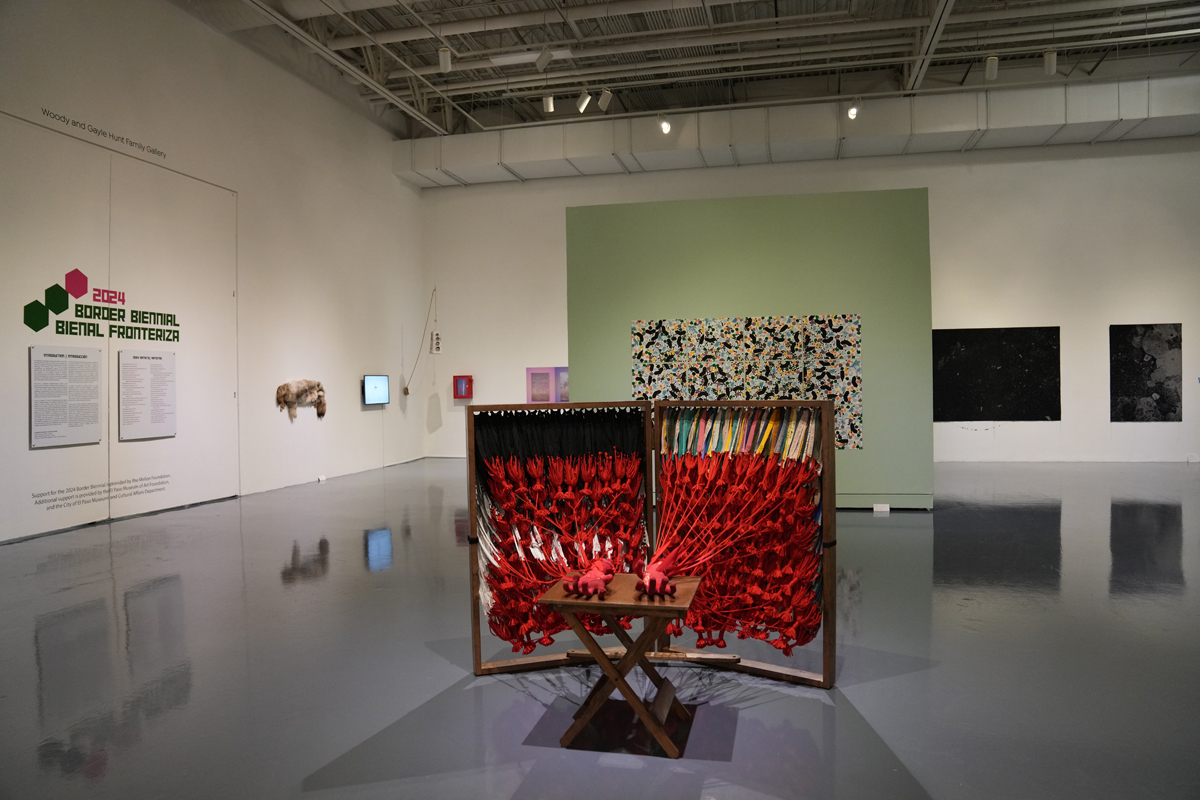
Mexican artists, Ramos says, often come to her with “stories about the border wall being a barrier… It prevents them from being able to show artwork” in the U.S. That reality becomes especially visible during the Border Biennial, the recurring exhibition organized collaboratively between institutions in El Paso and Ciudad Juárez. The 2024 edition included fifty artists, making it the largest iteration Ramos had worked on. “It was the hardest task I’ve ever had to do,” she says. The exhibition required coordination between artists, registrars, shippers, border agents, and even foreign dignitaries to ensure the safe and swift movement of works across the border. As the 2026 edition of the biennial approaches in September, Ramos emphasizes that institutional partnerships in Juárez are essential to the eight-year-old series’ success. “Juárez museums and the Mexican Consulate have always supported us in being able to bring over goods,” she explains, describing the collaboration as central to sustaining cross-border cultural exchange.
[Ramos positions] the international movement of art alongside the familial ties that bind our twin cities.
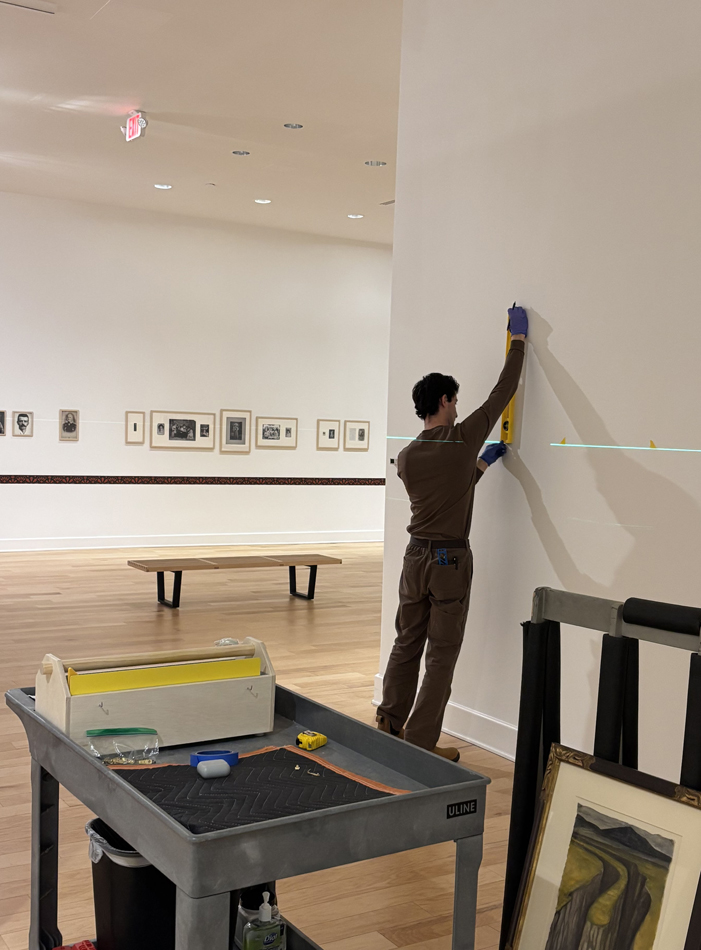
Ramos’s workload extends far beyond coordinating shipments. She helps artists navigate packing requirements, installation documentation, and customs paperwork—tasks many emerging artists have never encountered before. “That’s not even something that you really learn in art school,” she says, referring to the practical knowledge required to exhibit work. “How to submit something to the museum or how to do a checklist or what information a museum needs to be able to hang something.” In this sense, registrars often bridge emerging artists and institutions, helping artists establish themselves without assuming equal access to professional knowledge.
While EPMA has largely avoided major customs complications—due in no small part to deeply honed local expertise—Ramos describes hearing “horror stories” from other registrars navigating international checkpoints where customs inspections damaged fragile artworks. In other cases, border closures and shifting restrictions have threatened to delay or complicate international movement altogether. Reflecting on the pandemic years and intensified border controls, Ramos recalls her efforts to maintain the museum’s binational ties against all odds. “Artists weren’t able to come over to see family, or they weren’t able to take their artwork over,” she says, positioning the international movement of art alongside the familial ties that bind our twin cities.
In El Paso, those logistical concerns are compounded by the realities of working far from major art infrastructure hubs. Specialized fine-art shipping and crating services are limited in the region, forcing museum workers to rely heavily on institutional collaboration and local professional networks. As the only American Alliance of Museums-accredited museum within roughly 200 miles, EPMA has also become an important resource for larger institutions seeking regional expertise on transporting artwork and exhibiting artists across the Southwest. “Other museums reach out to see what our resources are,” Ramos says, describing a request from the Whitney Museum of American Art for assistance locating collections professionals in the area.
An artist working in printmaking and aerosol herself, Ramos sees herself as a cultural ambassador of the border region. She views the movement of artwork between El Paso and Ciudad Juárez as a way of keeping the cultural arteries between both cities open despite the deep asymmetries shaping movement across the border. Registrars, she says, are “the ones that take these ideas and figure out how to make them happen.” When I asked what she was most excited for in the coming year, Ramos pointed to the 2026 Border Biennial and the recent reinstallation of EPMA’s permanent collection. As Ramos and her team approach these institution-defining shows and border enforcement policies shift the ground under their feet, Ramos remains steadfast in her commitment to binational artists, whether it means sharing resources through cross-border partnerships, adapting exhibitions to become more mobile, or bringing EPMA programming directly to audiences in Juárez: “If they can’t come over here,” she said, “then I’m making sure that we’re going over to them.”