After Ed Mell’s passing, his Phoenix studio tells the story of a low-key artist whose Southwest images reached the nation on a postage stamp and beyond.
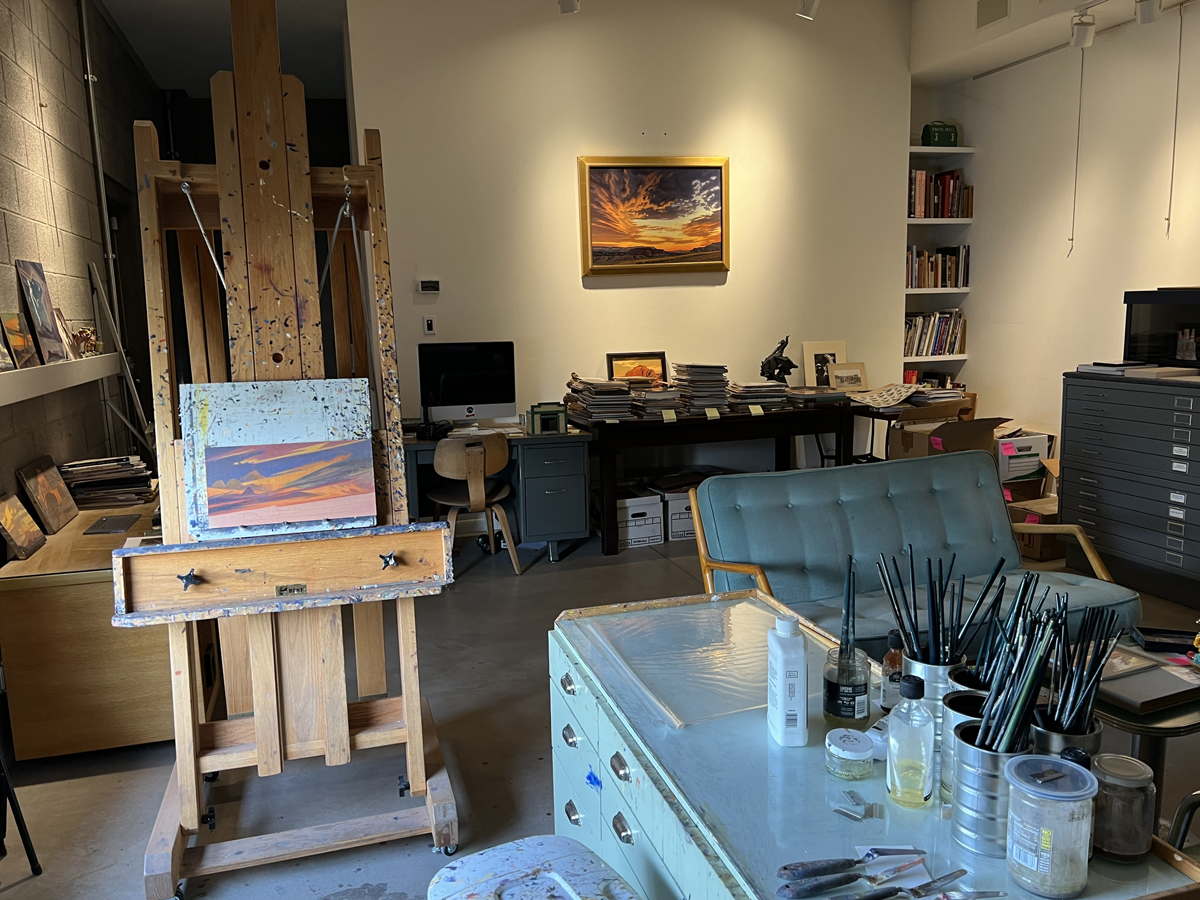
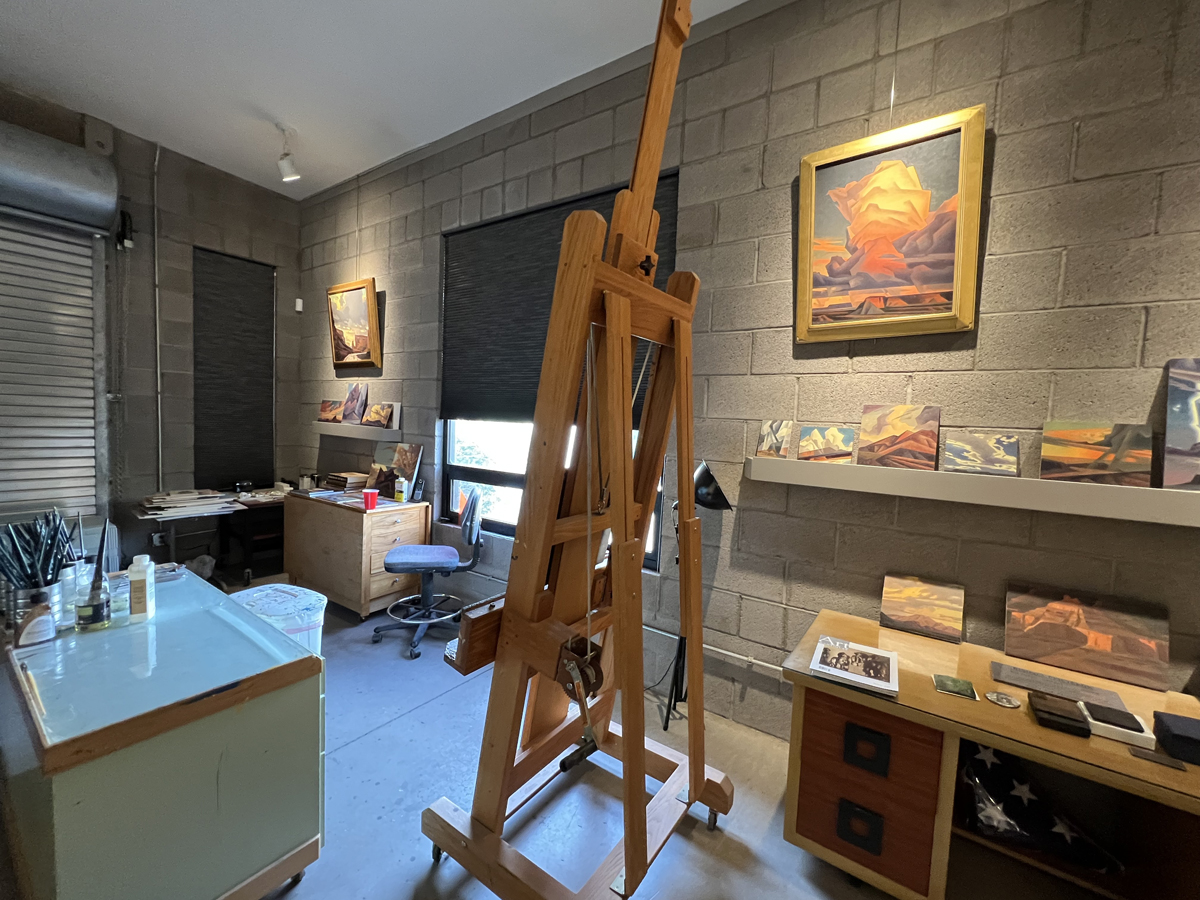
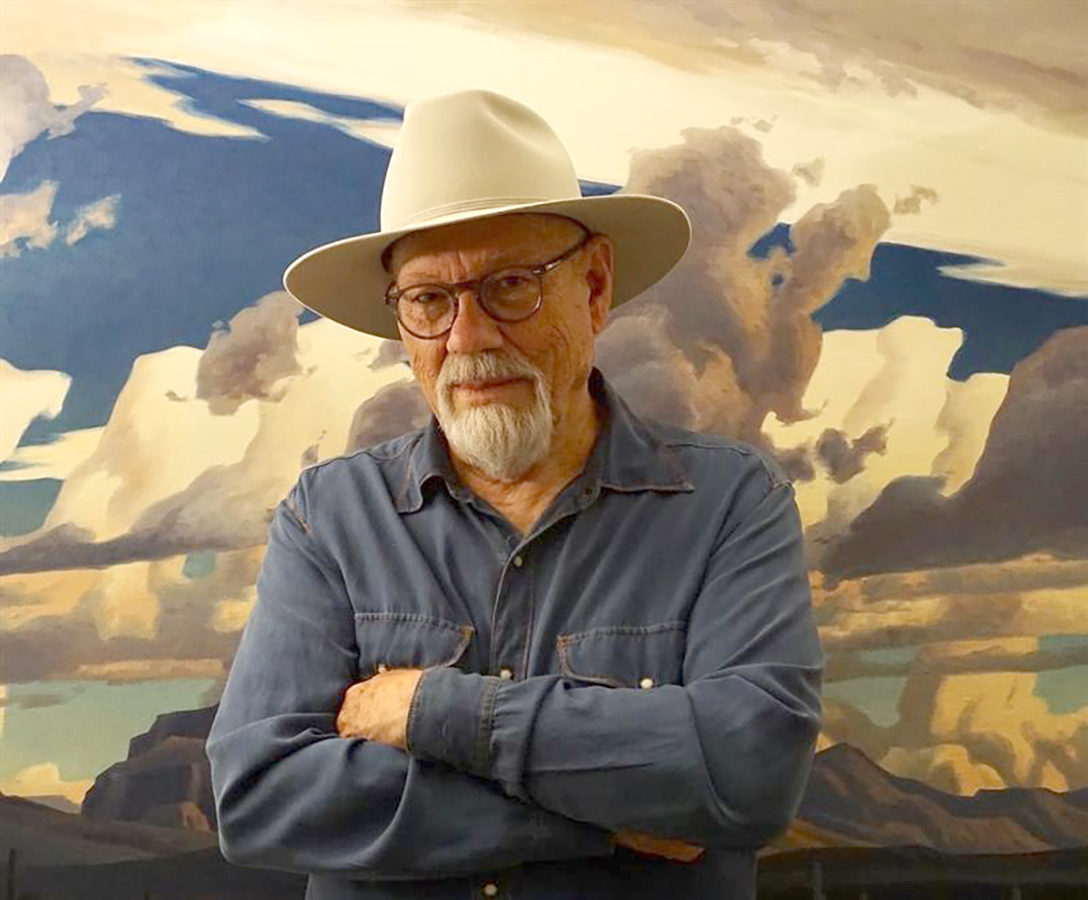
The wooden easel and chair where artist Ed Mell (1942-2024) once painted as the light streamed in through a north-facing window still hold space in his studio, although it’s been two years since the artist renowned for his Southwest landscapes passed away.
For Mell, who died at age eighty-one after facing cancer, the studio was more than a place to bring his visions of the Colorado Plateau and the Sonoran Desert to life, according to longtime friend and fellow artist Ken Richardson.
“Ed was always very welcoming of other artists,” recalls Richardson, who started out as a studio assistant but now serves as the director of Ed Mell Gallery. “Ed loved to have people over to the studio, especially artists who were just starting out,” he told me just days after Mell’s death in February of 2024, when I visited the studio to learn more about his career spanning more than five decades.
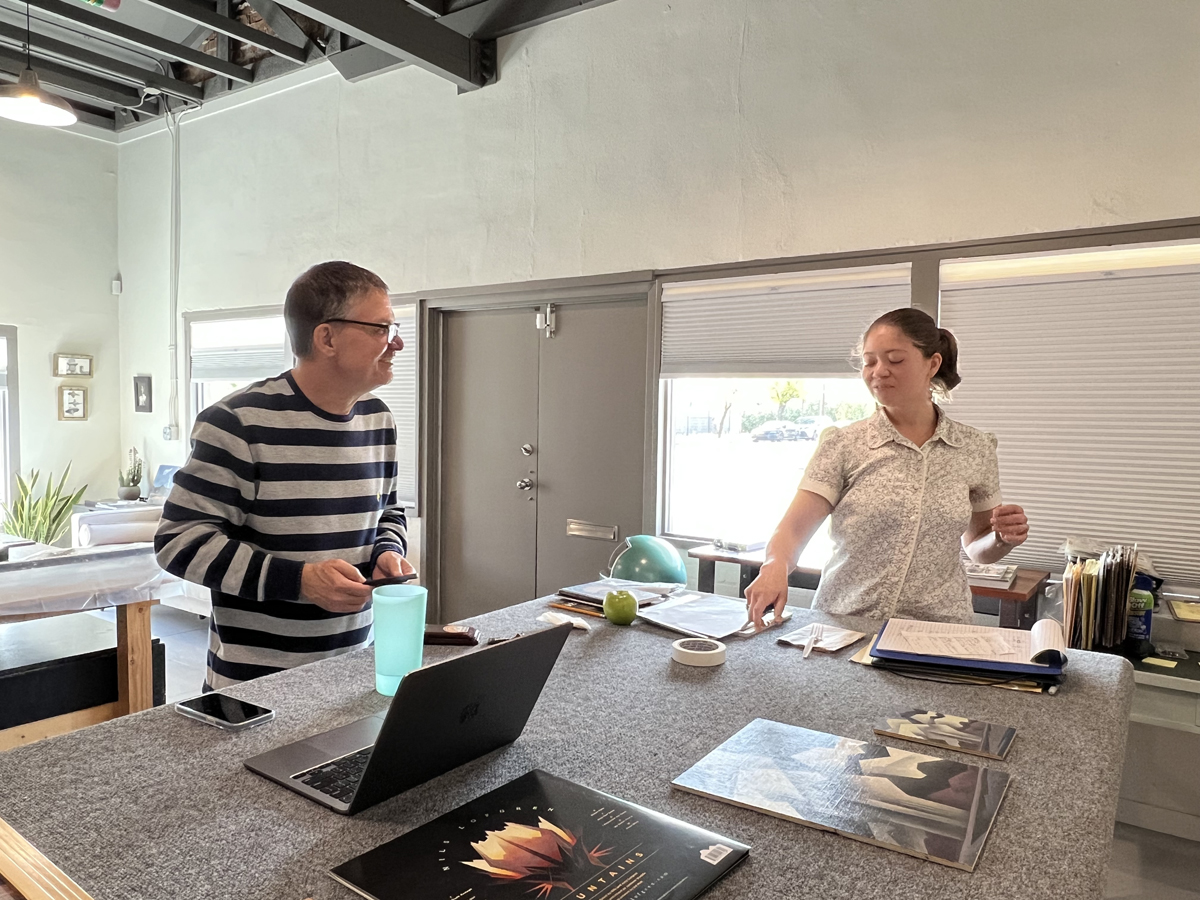
Channeling Mell’s gracious, low-key demeanor, Richardson and gallery manager Victoria Klotz spent several hours taking me through the studio and sharing their comprehensive knowledge of Mell’s work—even as they were dealing with their own grief and fielding reactions from artists and collectors who’d heard the devastating news.
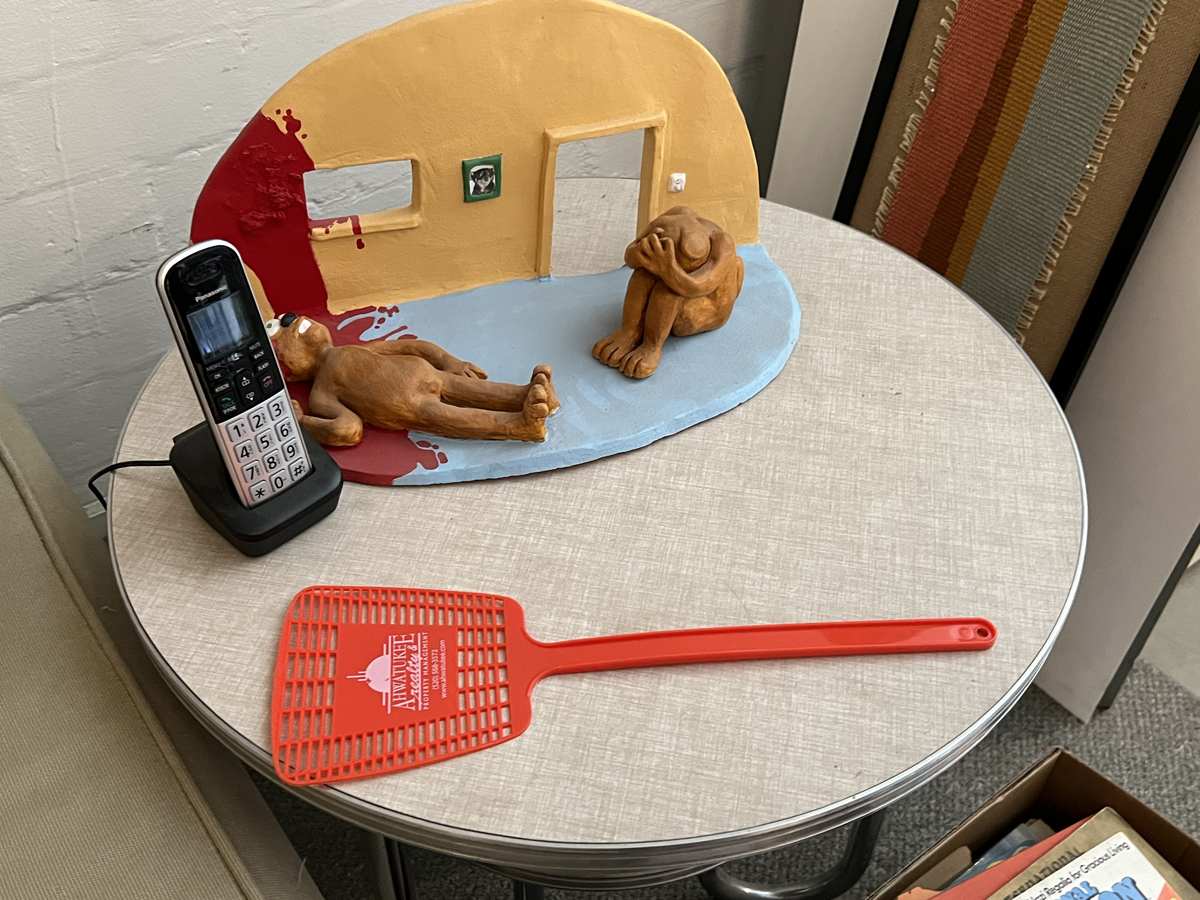
“Ed taught me so much about being an artist, and he was incredibly supportive,” Klotz shared that day, standing near one of her small pieces that hung over a counter covered in piles of eclectic ephemera. Today, she’s still using blacklight paint and lighting for her paintings, thinking about Mell’s use of design, color, and light.
Meanwhile, Mell’s work still fills the nondescript building that served as both his studio and gallery, where Richardson remembers the artist working twelve-hour days, six days a week. “Ed was extremely disciplined and he had an amazing work ethic,” Richardson recalled. “Usually he’d come in by around seven o’clock in the morning and stay until seven o’clock at night.”
Even so, people could easily walk right past the studio, never knowing that one of the state’s most iconic artists was wielding his craft there. It’s located in a nondescript building in the Coronado neighborhood of Phoenix, just east of downtown, which is best known for its annual historic home tours and the Oak Street Alley Mural Festival.
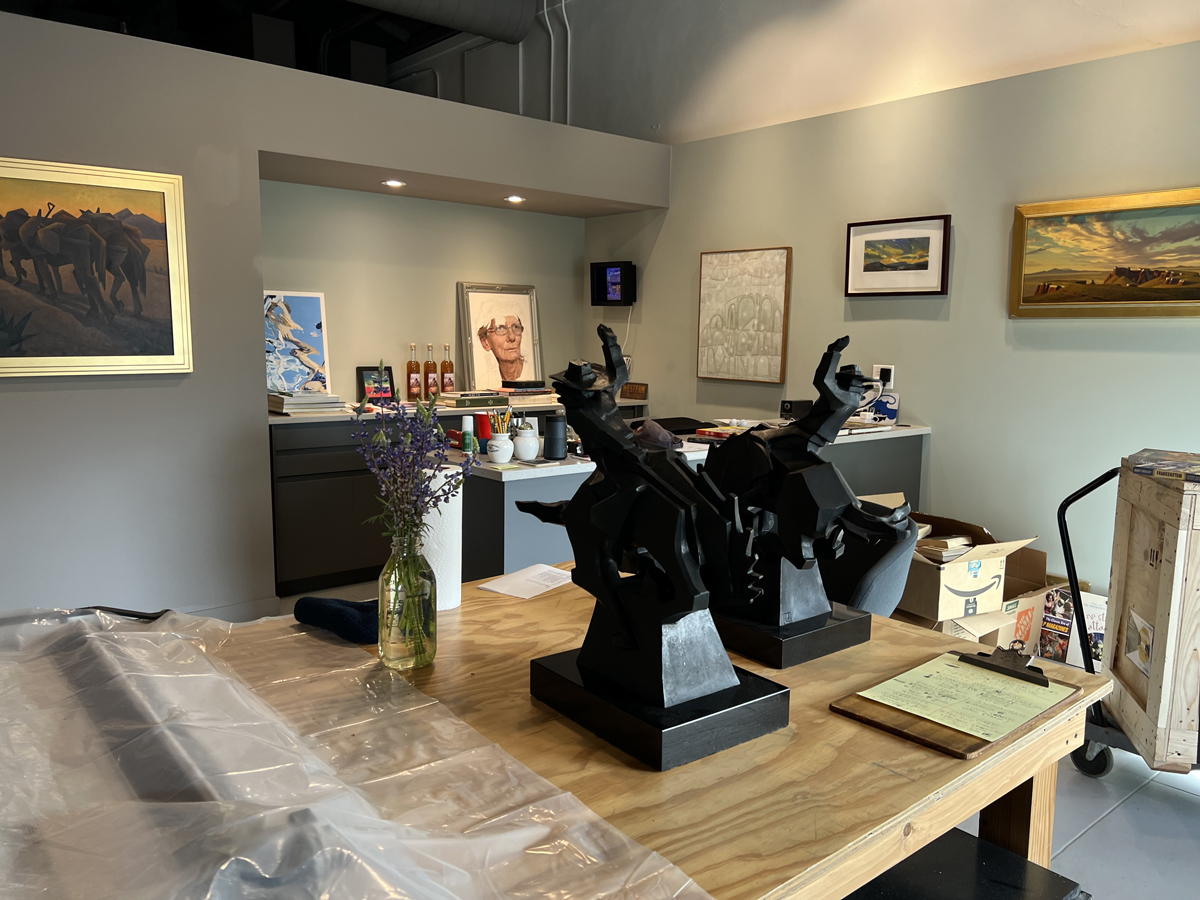
As I sat with Richardson and Klotz at a large work table situated between the gallery’s front door and two walls bearing about a dozen of Mell’s smaller pieces, we talked about the breadth and depth of Mell’s creative practice. Looking around the room, I spotted several pieces that demonstrated the expanse of Mell’s reach.
Ed was extremely disciplined… usually he’d come in by around seven o’clock in the morning and stay until seven o’clock at night.
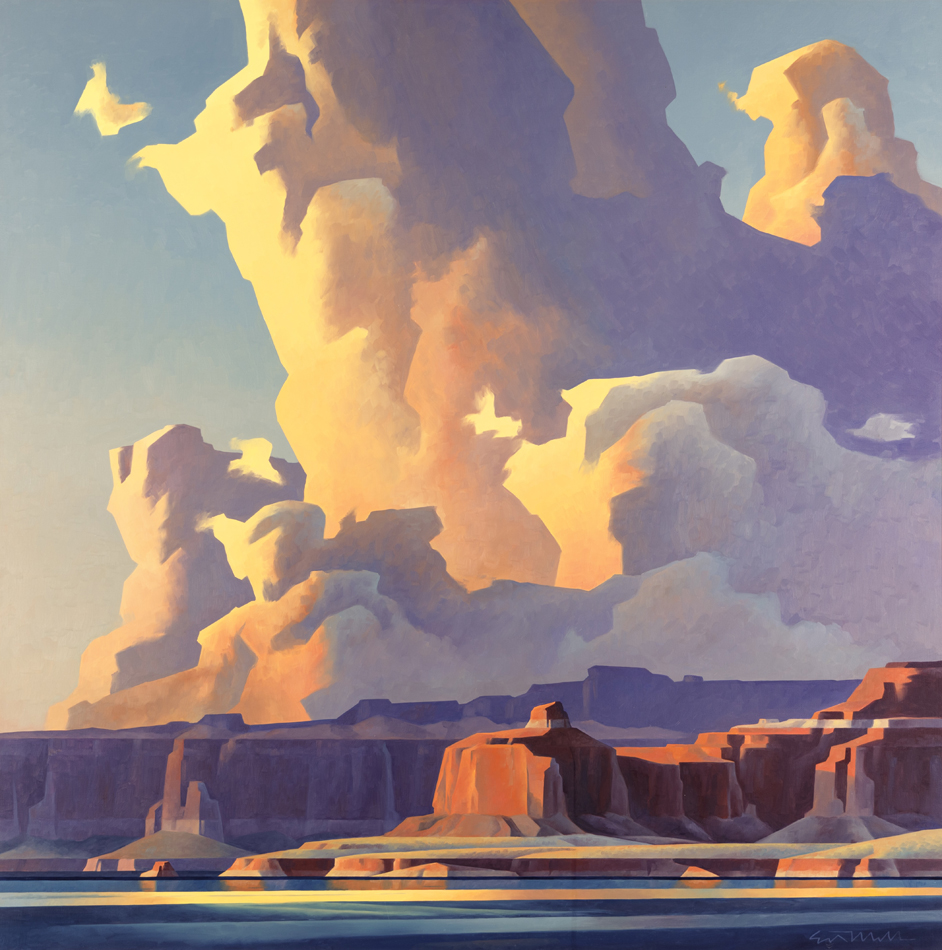
A catalogue for a 2006 skateboard exhibition, Deck, that included works by Mell and several of the artists he’s influenced. Mell’s painting of Cathedral Rock in Sedona, which was featured on a 2012 U.S. postage stamp. His scenic design for Arizona Opera’s Riders of the Purple Sage premiered in 2017. And the 2023 Mountains album by famed rocker Nils Lofgren, with Mell’s artwork gracing the front and back covers.
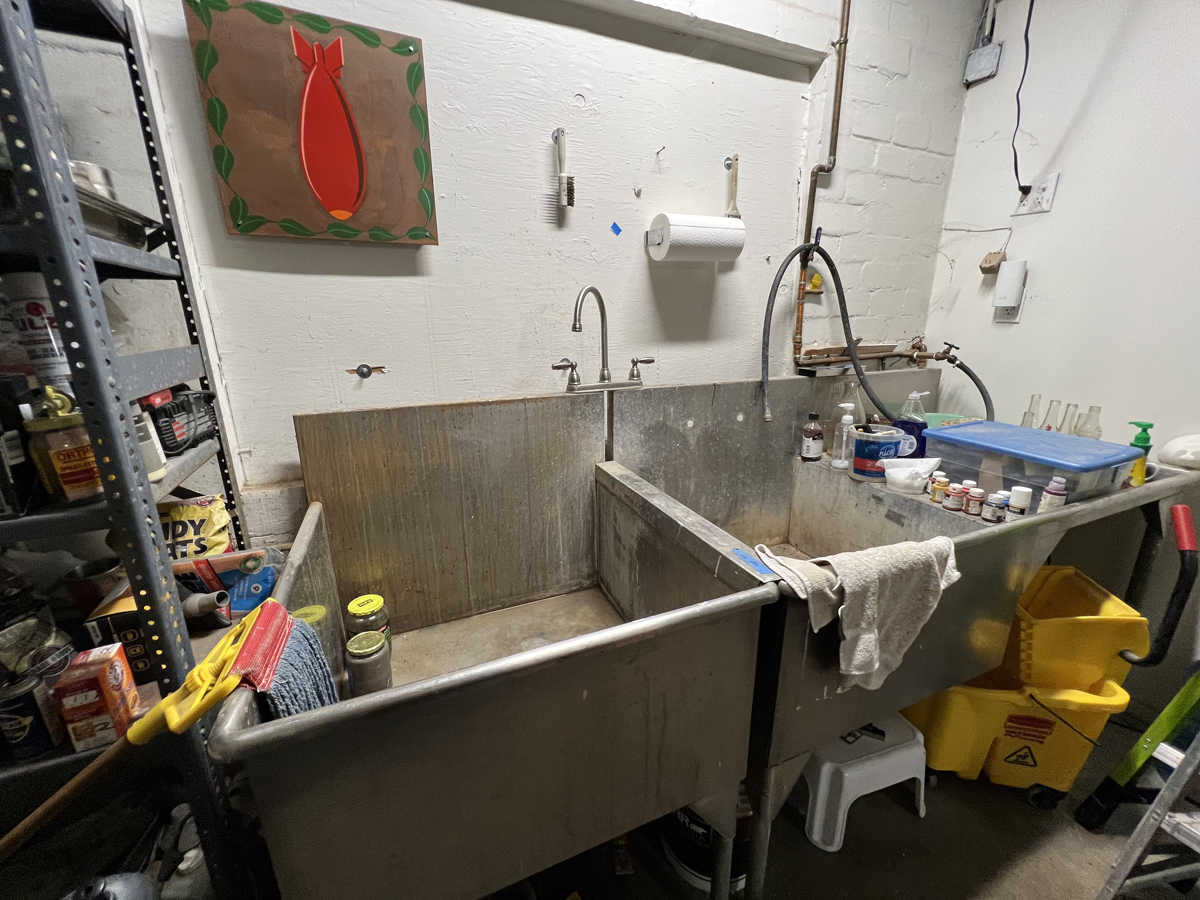
As we toured the studio, I imagined Mell spending time in each of its distinct spaces, from a lounge area with tall bookcases to a utilitarian space with essentials like a large sink.
Beyond that, there’s the room Mell added to the property, which feels very much like an inner sanctum. It’s where Mell sat at his easel, next to a metal desk where he’d set supplies like paints, clear bottles filled with brushes, and palette knives.
“The back of Ed’s studio was magical,” says Frank Gonzalez, an artist based in Mesa who still has vivid memories of meeting Mell about twenty years ago, and seeing the artist wield his brush in the space. “I’m here with a living legend,” Gonzalez remembers thinking at the time. Of course, he also remembers the car Mell used to keep inside the studio, a white Triumph.
“Ed was an inspiration for myself, and a lot of other artists,” reflects El Mac, a California-based artist with Arizona roots. “Visiting his amazing studio in the Coronado neighborhood, not far from where I’d grown up, gave me hope in a way, showed a path, showed what was possible.”
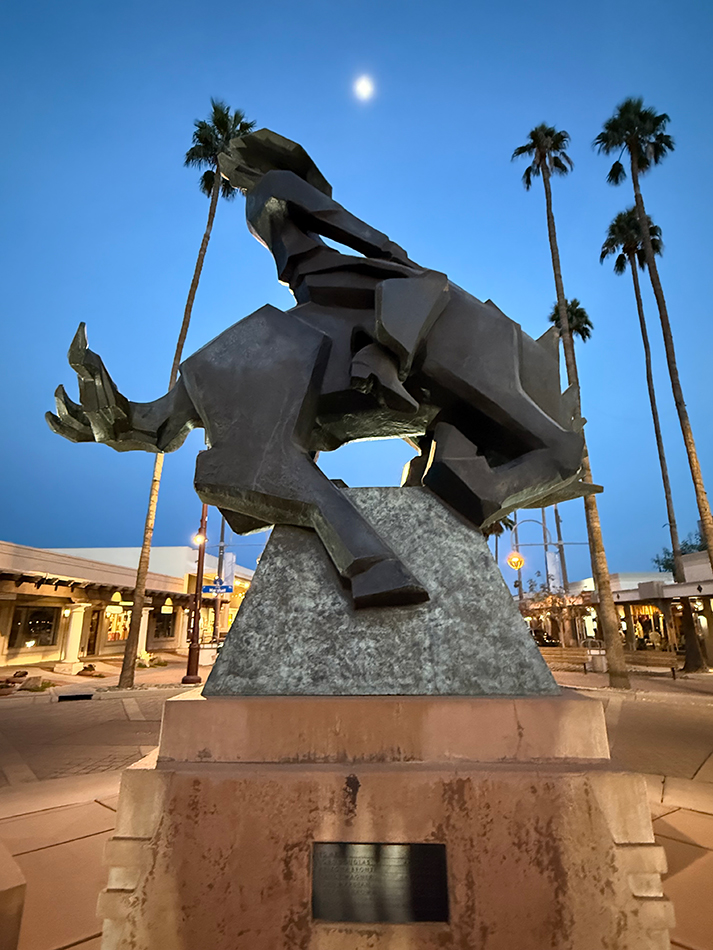
After Mell’s death, people gathered for various celebrations of his life. Some laid flowers around Jack Knife, his eight-foot sculpture of a man atop a bucking horse in Old Town Scottsdale. Nearby, at Western Spirit: Scottsdale’s Museum of the West, Thomas “Breeze” Marcus (Tohono O’odham) created an interior brush and acrylic mural that incorporated an homage to Mell.
Breeze’s Woven From the Womb includes a rendering of Mell’s Procession, a sculpture inspired by Mell’s time spent teaching on the Hopi reservation in Arizona. “I liked the figurative aspects of Ed’s work, even though he was better known for his landscapes,” Breeze explains. “Ed was so generous with his time and knowledge. Hearing the news that he’d passed made me want to paint more.”
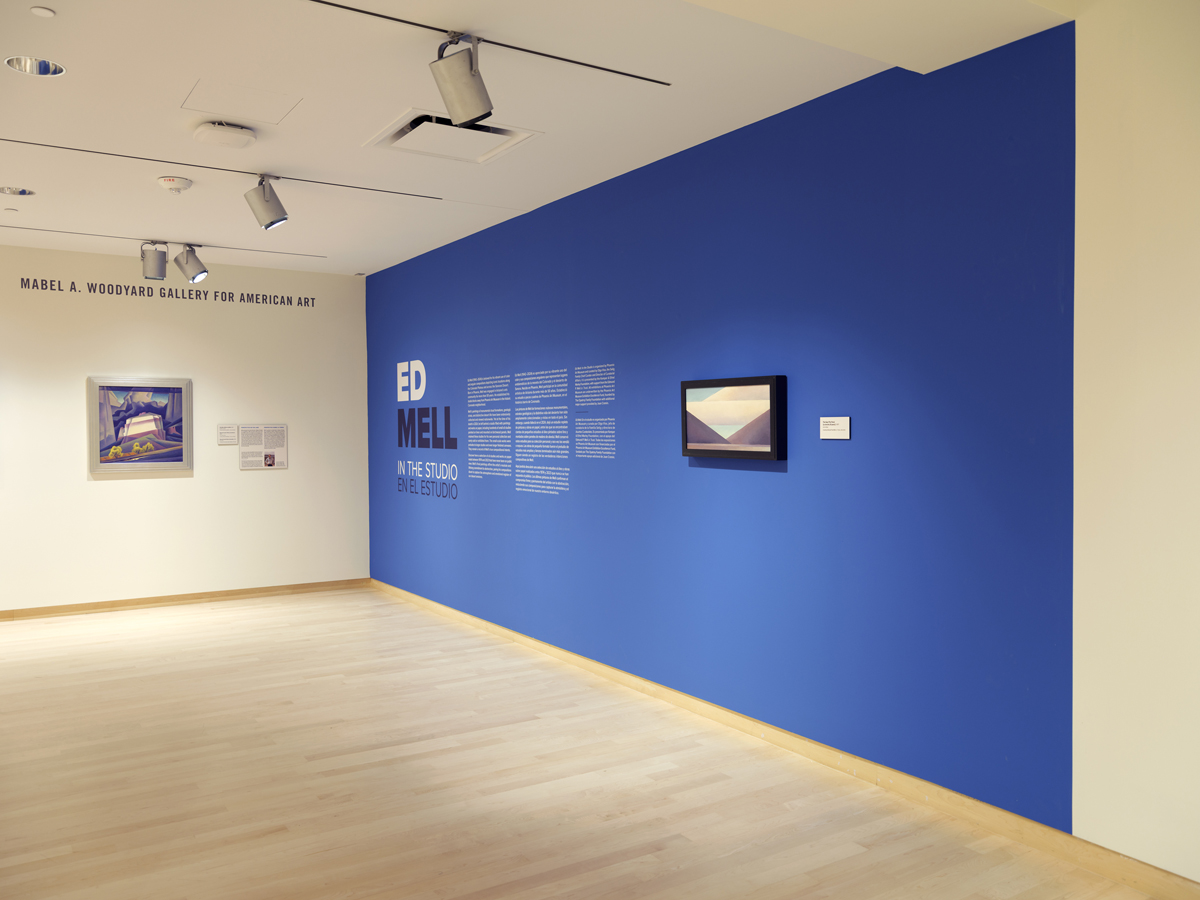
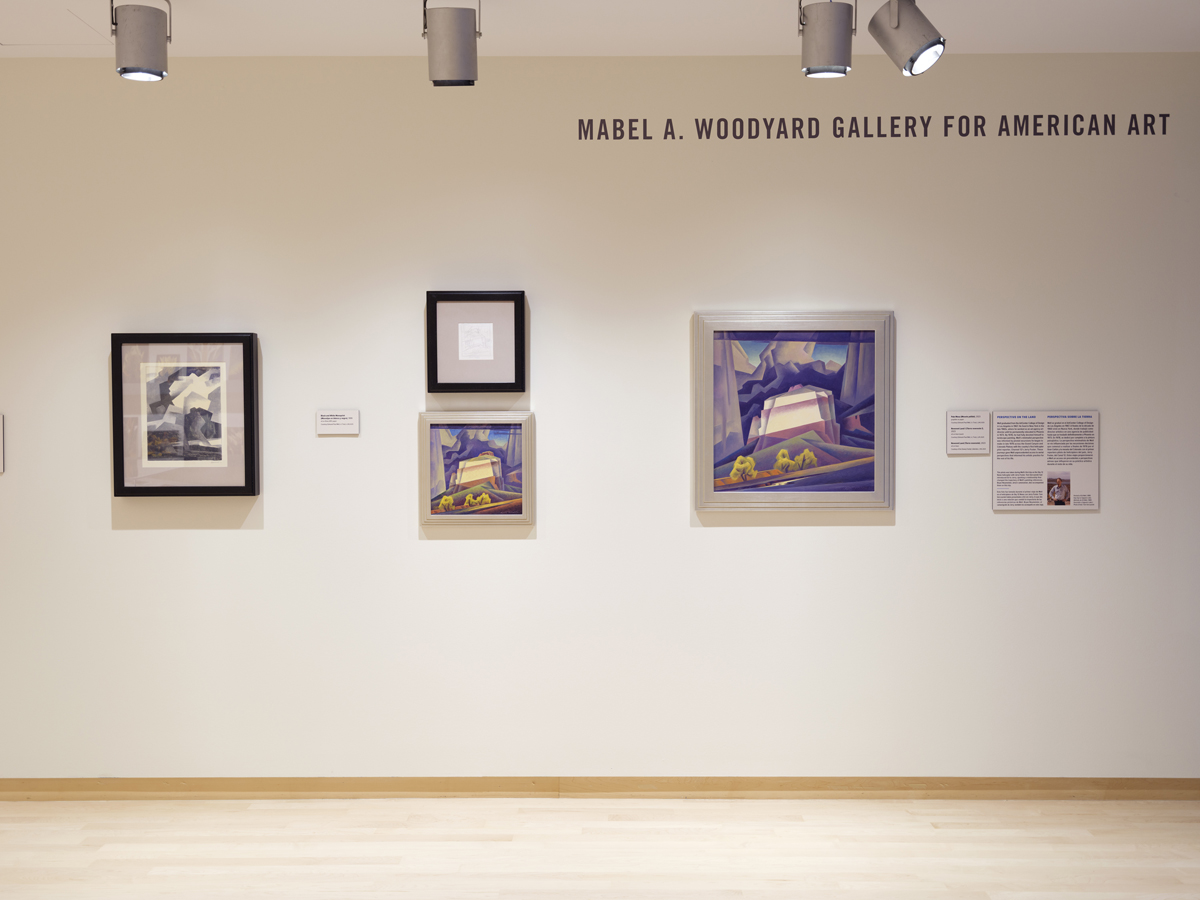
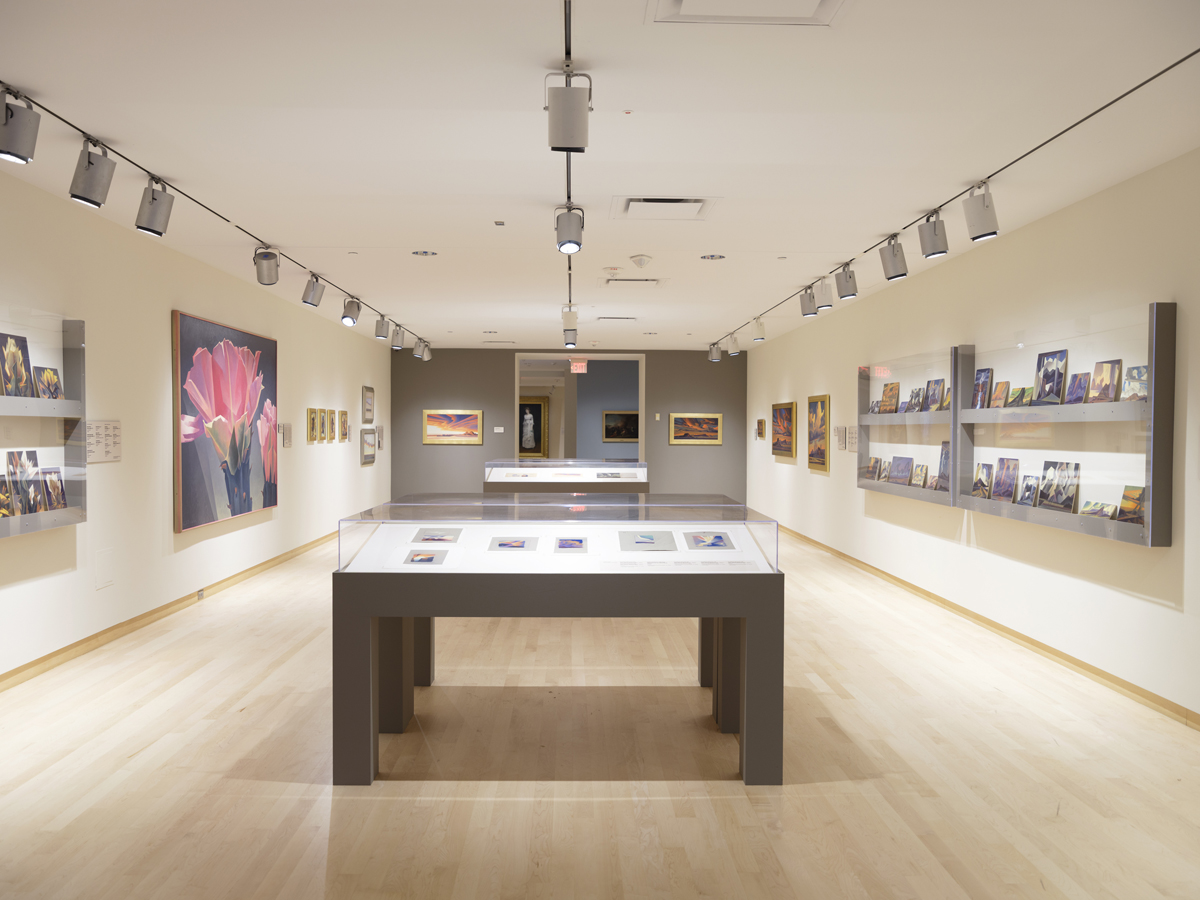
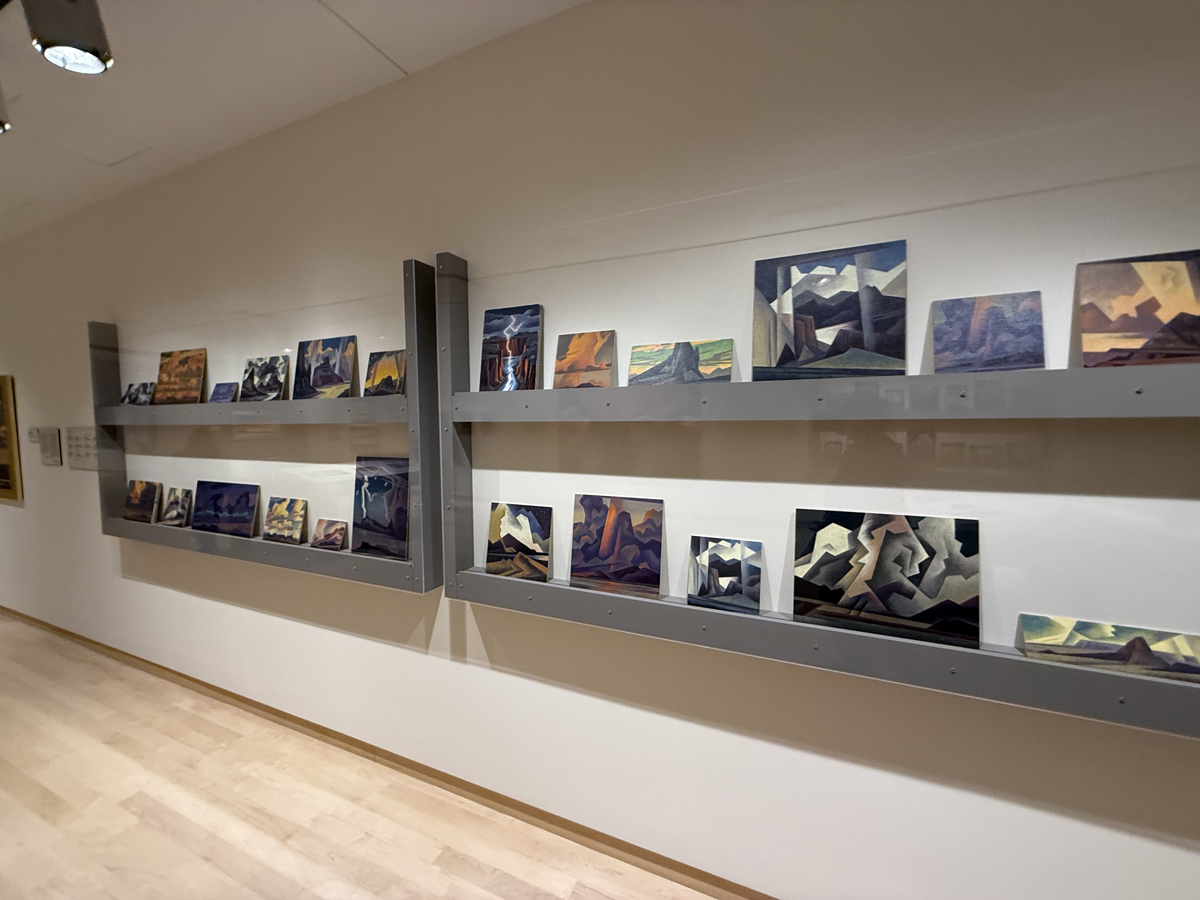
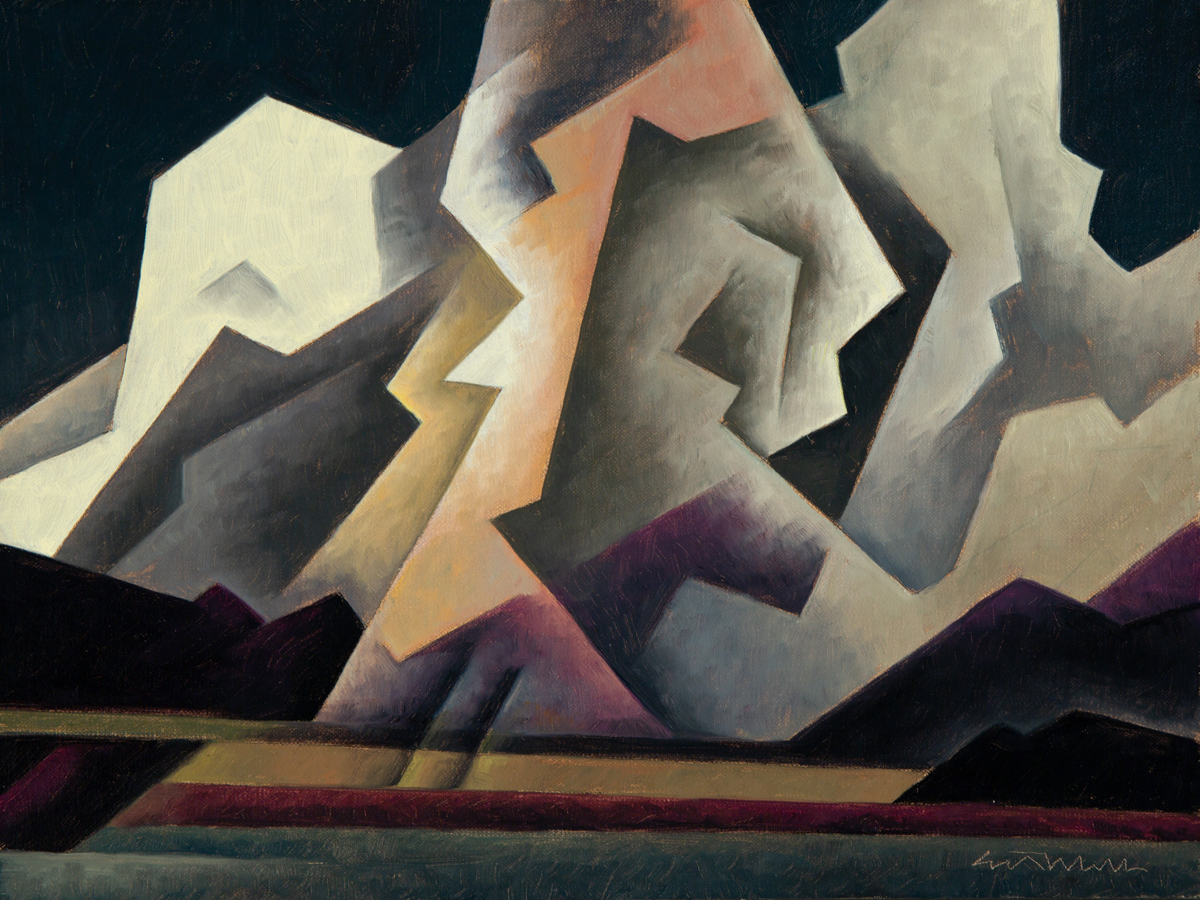
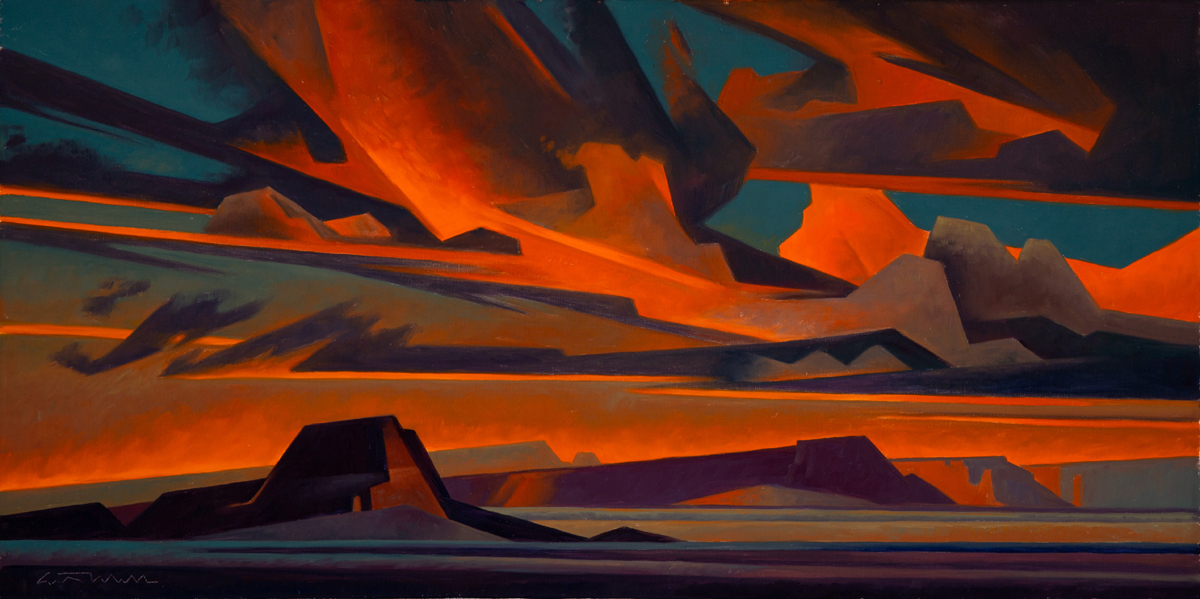
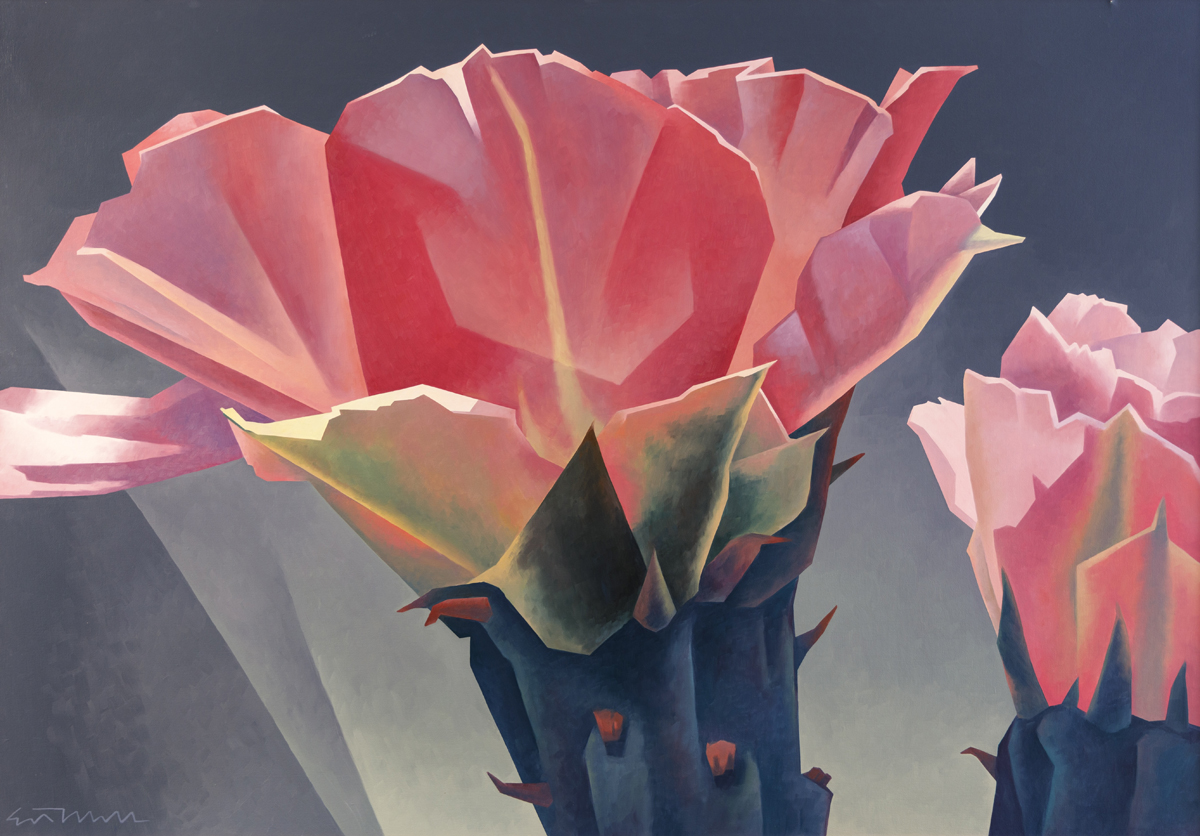
Today, the studio is open by appointment—and people have another way to experience Mell’s work. In November 2025, Phoenix Art Museum opened the ongoing exhibition Ed Mell: In the Studio, which includes oil studies and works on paper created between 1974 and 2023, which have never been exhibited before. “The show,” says Ed Mell Gallery manager Klotz, “really celebrates where Ed was creating a lot of these pieces.”
“Ed’s studio was his home away from home,” reflects Richardson. “He was so creative that he needed to be here—always.”