Transdisciplinary artist Adelaide Theriault maps medians, transition zones, and in-betweens through their highway art and roadside ditch field recordings.
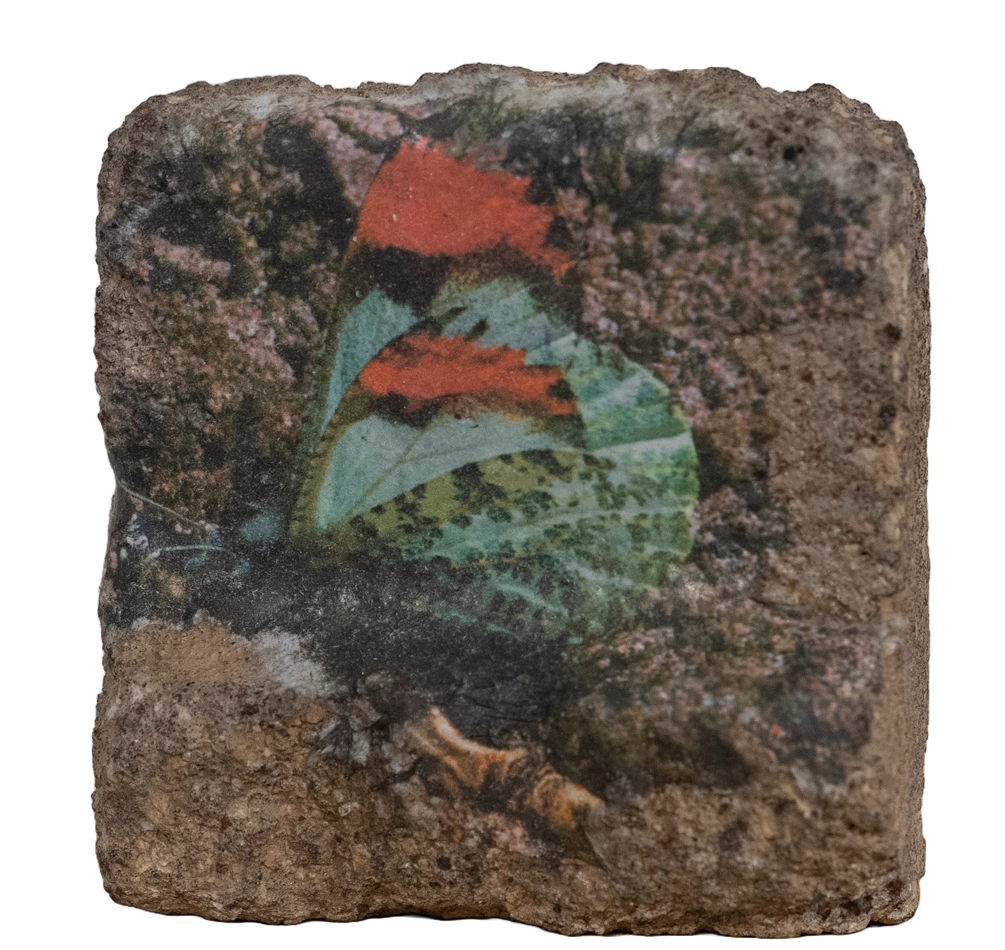
Albuquerque, New Mexico / adelaidejo.com / @adelaidejo
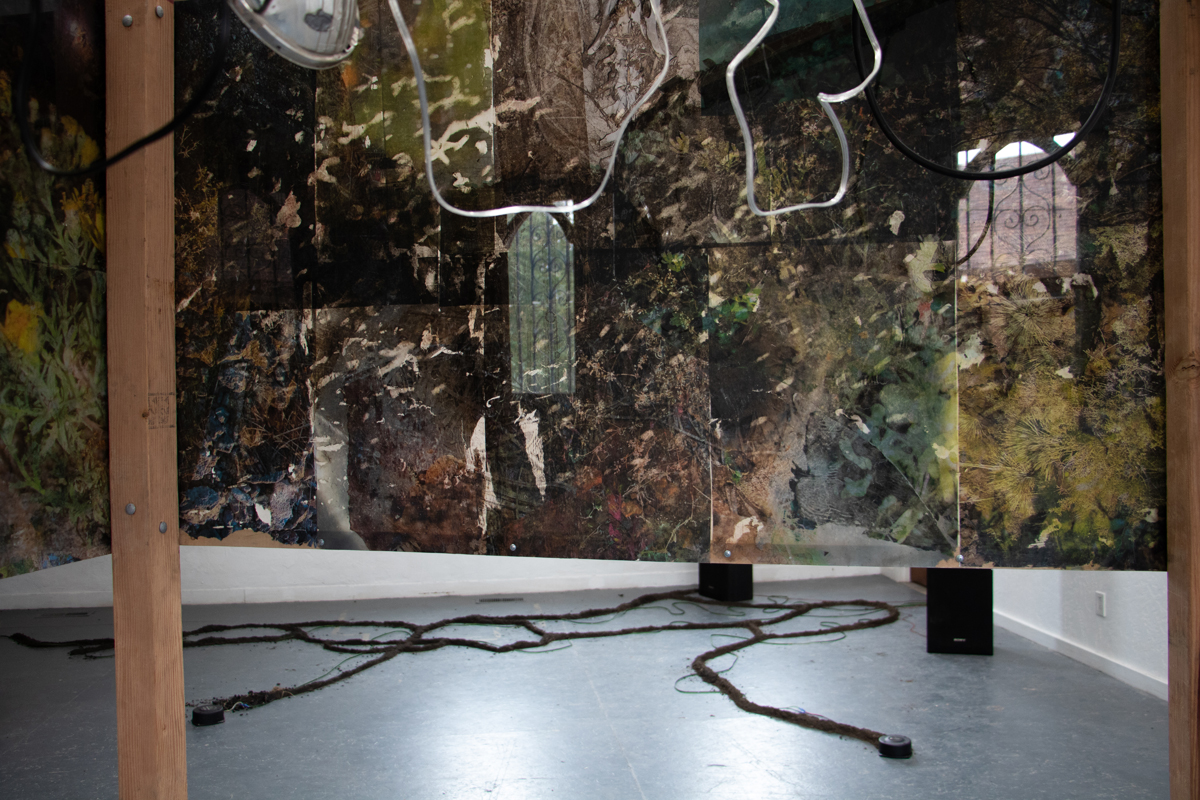
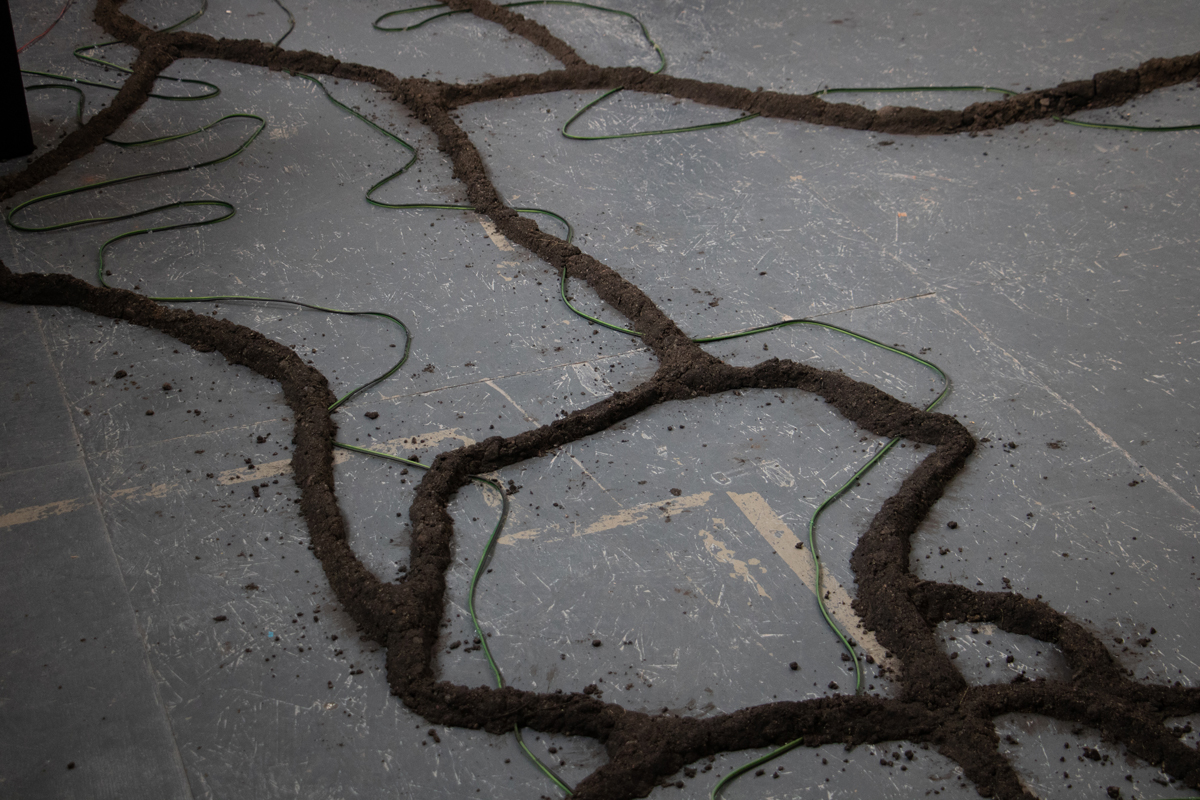
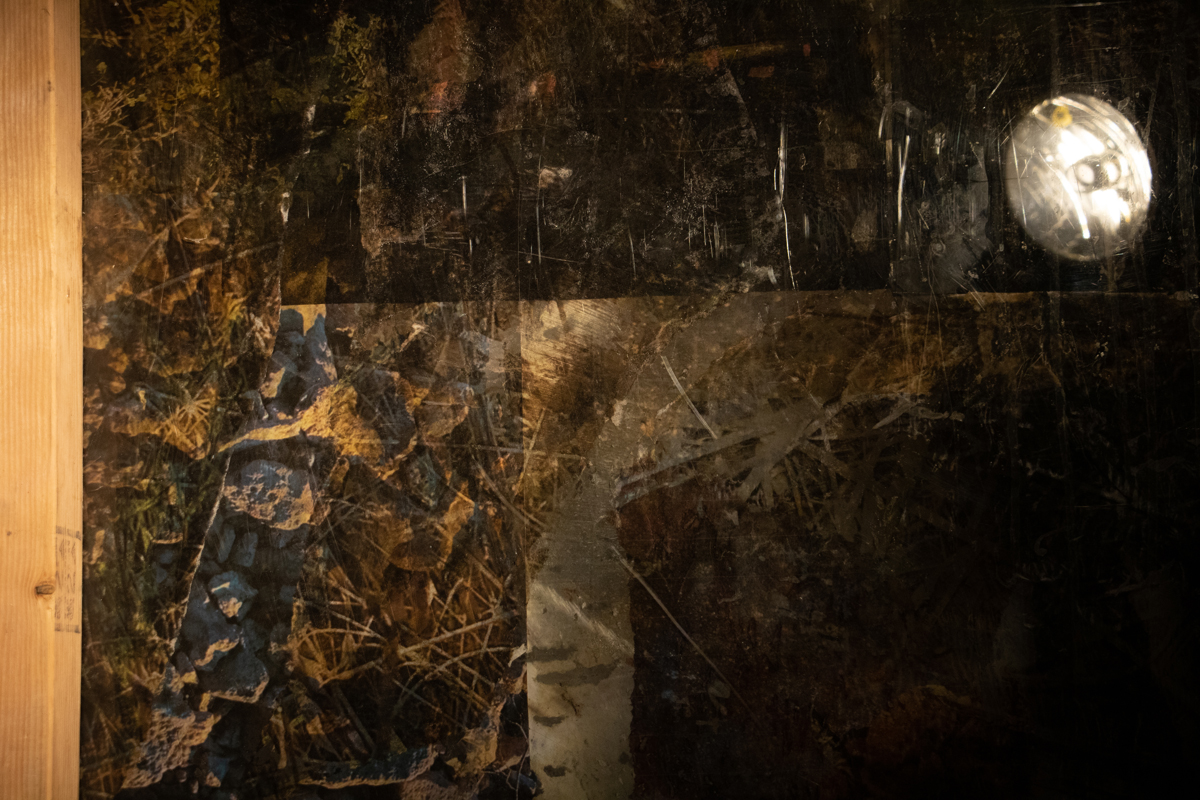
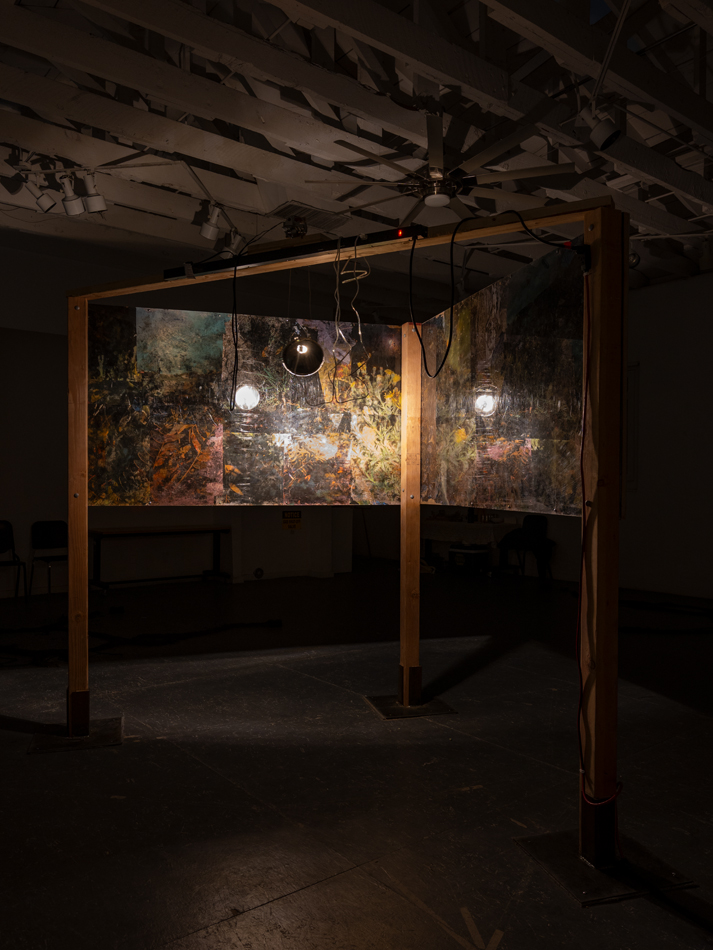
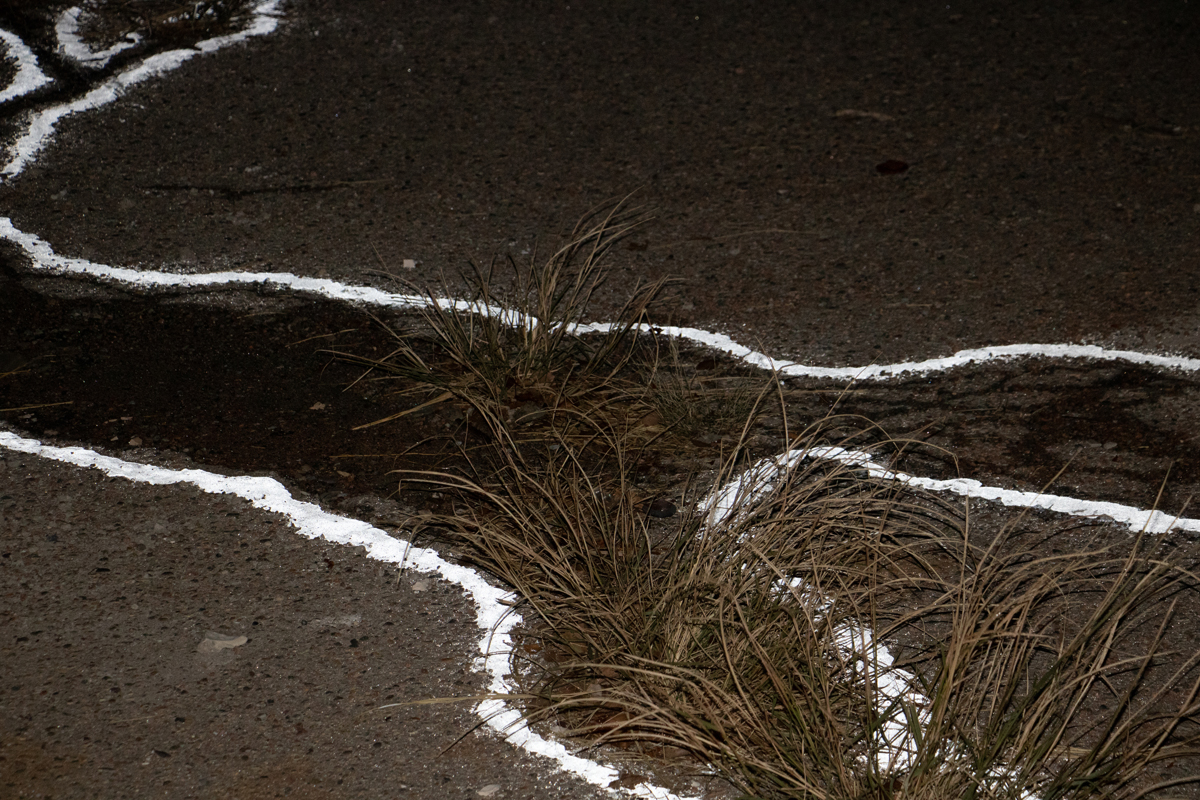
If highways were organic bodies, this is what they might look like. The materials of the road are transformed into sculptural artforms: cement cracks glow with intentionally placed reflective paint, reclaimed asphalt, headlights, and concrete, morphing into something otherworldly.
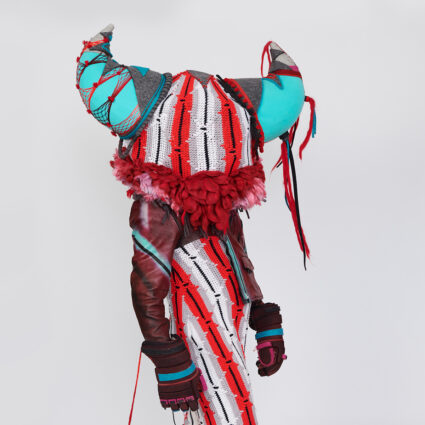
Transdisciplinary artist Adelaide Theriault (they/them) is based in Albuquerque, where they are immersed in and ignited by medians and transition zones. Reclaiming materials associated with industrial infrastructure, such as cement, cables, auto part components, and more, Theriault combines sculpture, video, and sound, to explore the ecological impacts of highways, communication technology, oil extraction, and other human-centric infrastructures in New Mexico and Texas.
Their multimedia project Molten (2024) is grounded in a series of field recordings made on highway medians and roadside ditches. From a place of stillness, Theriault’s field recordings capture the rumbling passage of roadway commerce, from the loud booms of machinery to the tranquil hum of wind and birdsong.
“The highway as seen through this work simultaneously fragments habitats, contributes to the emergence of new feral ecologies, and acts as [an] interstitium for ongoing capitalist, extractive, settler-colonial projects,” says Theriault, who attempts to embody “ the imagined memory of asphalt and cement.”
Imbuing highways with memory, Theriault mythologizes and adds layered emotional meaning to these transmigrational pathways. Their aim is for listeners to experience highway sounds as feelings.
They also seek to illuminate the experiences of other animal populations whose habitats are intersected by highways. From migrating deer to ground-dwelling spiders, their work draws attention to the intersections between species, between commerce and land, desire and destruction, roadways that divide versus pathways that build collective harmony and connection.
Theriault says they ultimately “seek to deprioritize capitalist logics that fuel objectification, ecocide, violence, and apathy—instead looking to more-than-human cohabitants as teachers of what else is possible, or already real.”