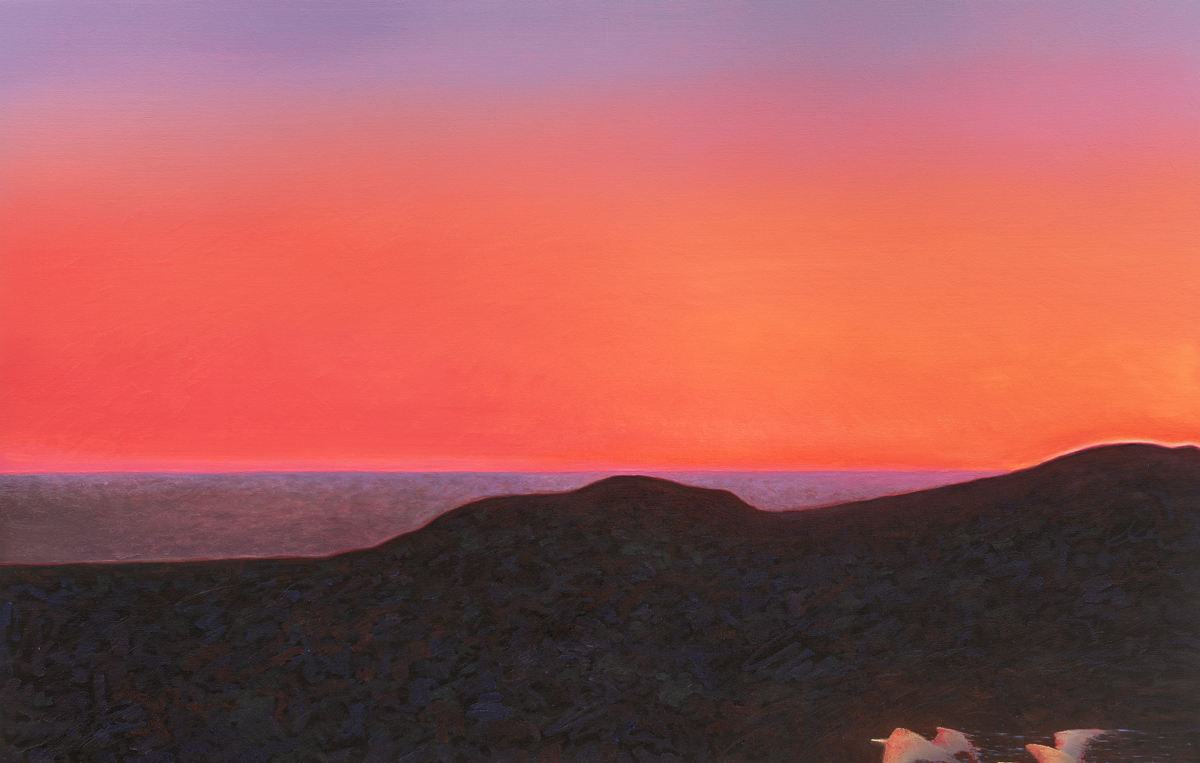
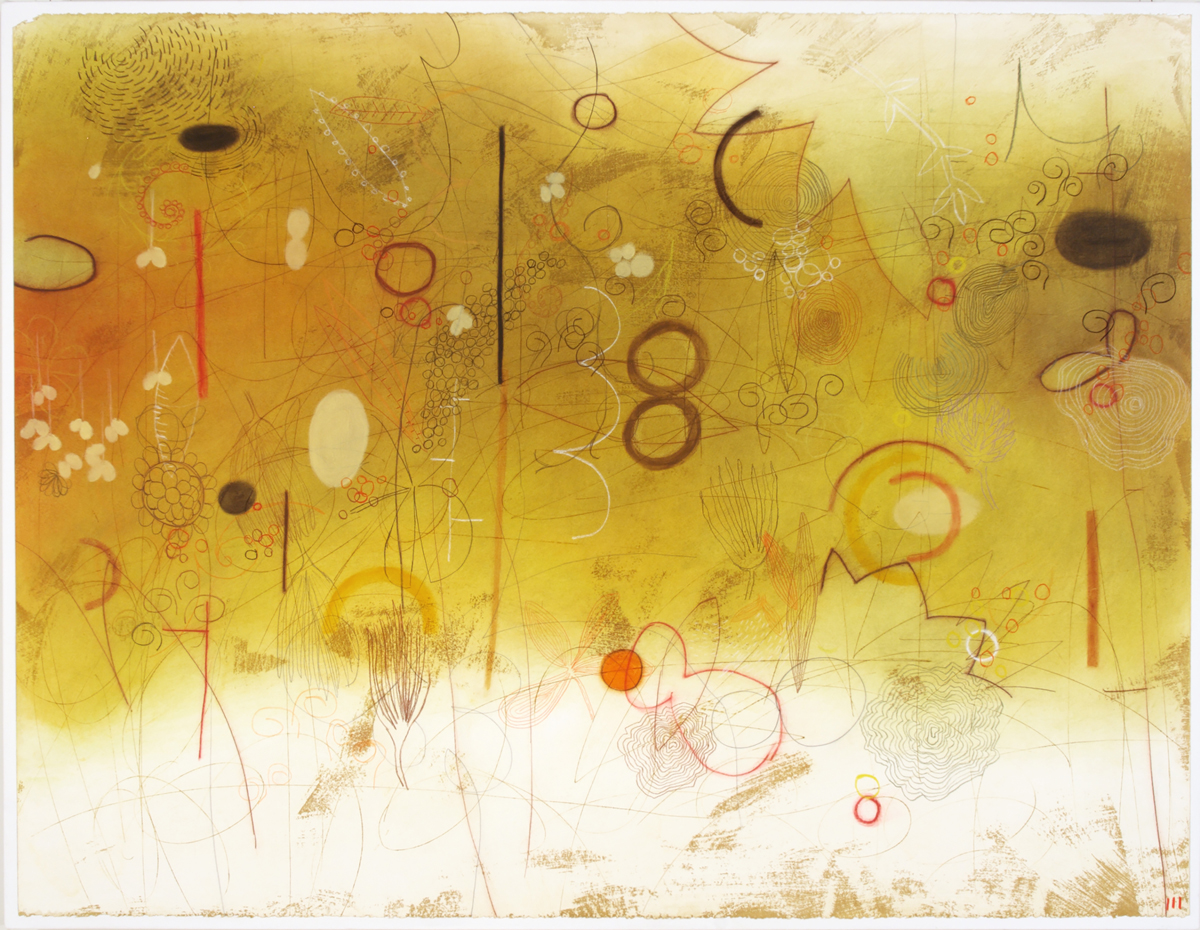
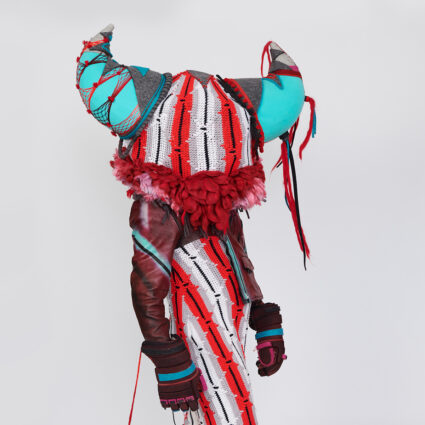
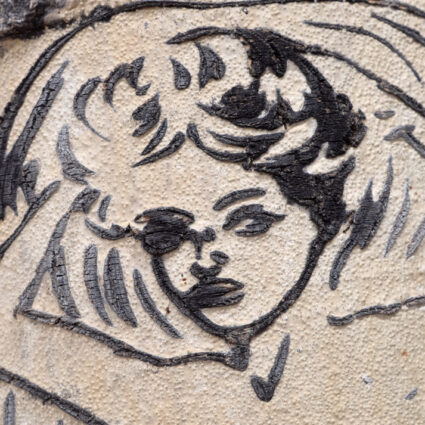
Filled with beauty, tragedy, and oddities, UMOCA’s Altered States in the Acid West encompasses the storied contradictions inherent to the American West.
Altered States in the Acid West
January 16–June 6, 2026
Utah Museum of Contemporary Art, Salt Lake City
“Our existence is an act of resistance,” José Villalobos told me while standing next to one of his large-scale sculptures during the opening reception of Altered States in the Acid West. Composed of tall, intersecting forms, Villalobos’s sculpture embodies a striking visual contradiction—recalling a barren tree while evoking the stylized design of a cowboy boot.
Contradictions are endemic to the American West. Among them, the propagandizing allure of an expansive landscape brimming with unrequited promise, made possible only through the systematic destruction of Indigenous peoples and environmental sustenance. In reflecting his existence as a gay, Mexican American artist, Villalobos’s statement reveals the perennial struggle against the erasure of disparate cultural histories that exist outside of a simplistically cohesive, heroic narrative.
Coined amid the late-1960s psychedelic counterculture, the term “acid western” refers to the genre and act of subverting the overtly grandiose aesthetic of Westerns (with a notable nod to illicit drug use). It’s this sort of visual contradiction that marks many of the works in Altered States—a stylized veneer obscuring a more complicated history.
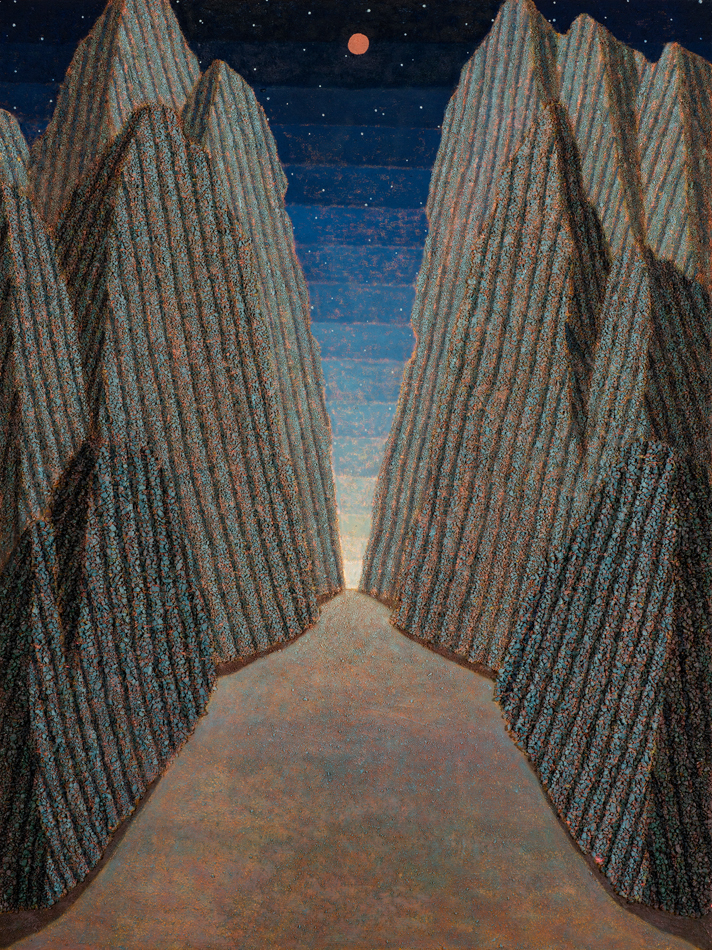
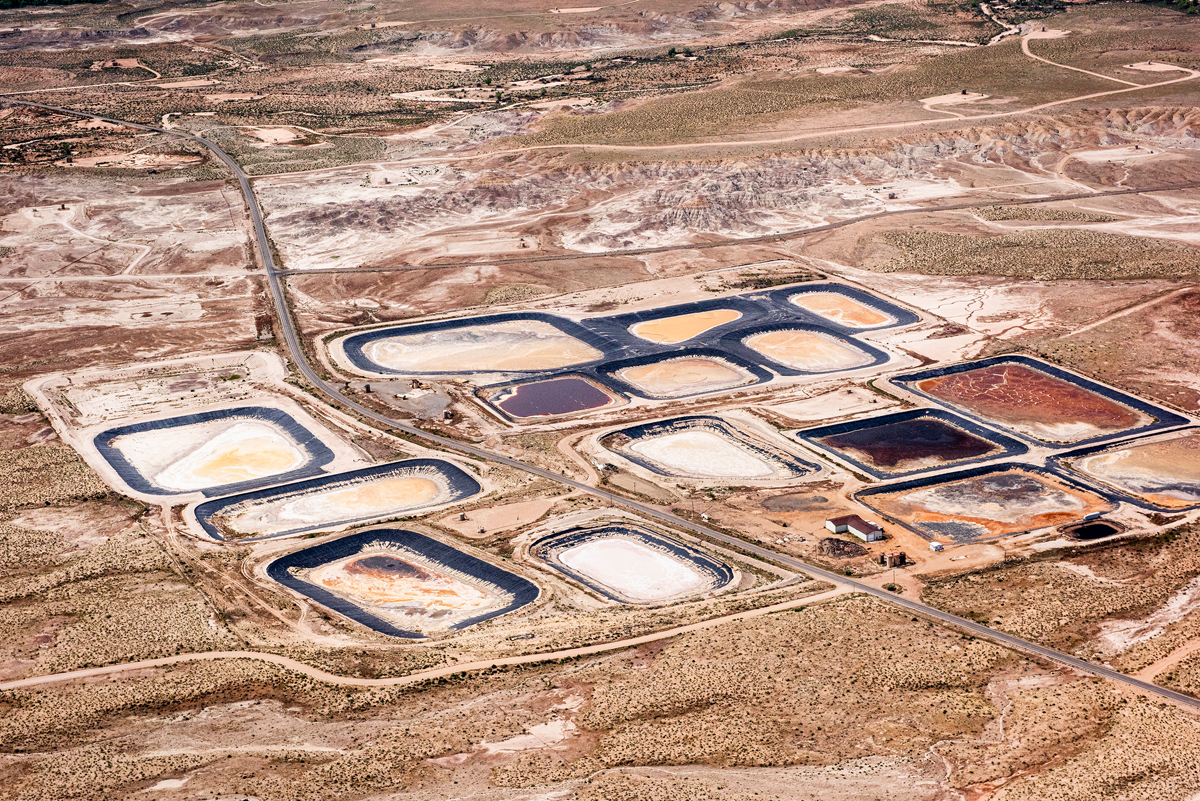
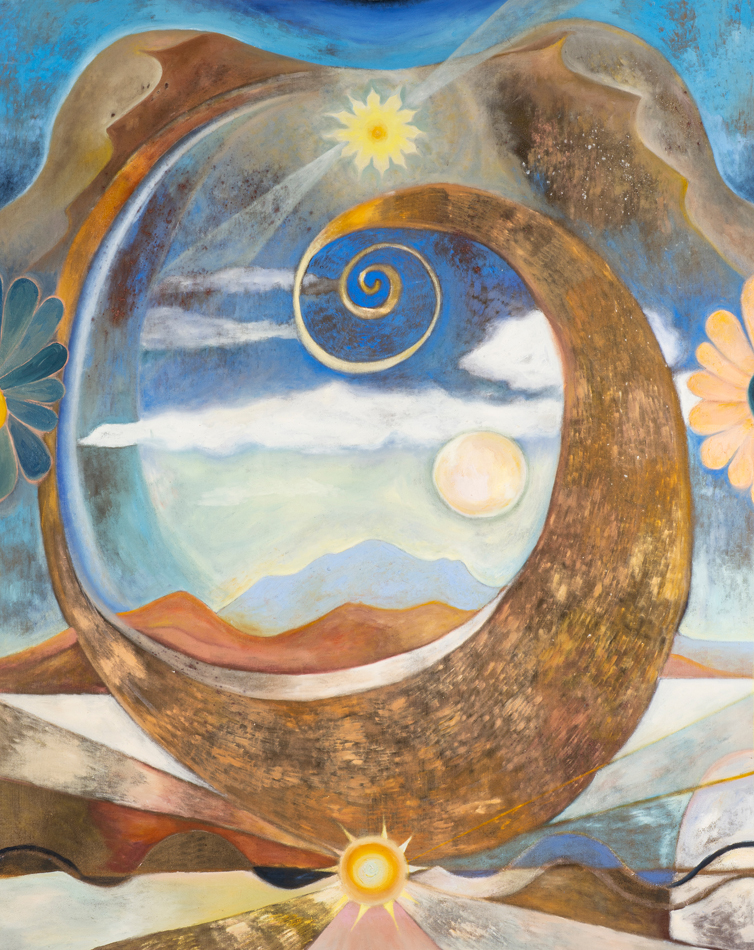
This exhibition approaches its broad subject through interrelated thematic groupings, including Indigenous perspectives, surrealistic explorations of the Western landscape, and tactile experiments inspired by attributes of the land itself. The show’s most compelling works are those that evoke the tangible visual ephemera of the West as a device to amplify the artist’s own contemplation of its history. Janna Avner’s Bent Aurora (Test16) Decolonizing Subarctic Light (2026), an interactive light installation, envisions the Northern Lights through a biographical and ancestral lens. Russel Albert Daniels’s photographs from his Mother Wound series (2022-23) reveal industry’s mark on the sprawling Western landscape. Similarly, gilded sculptures by Jim Frazer recall the ecological wonders that render it a place of perpetual fascination.
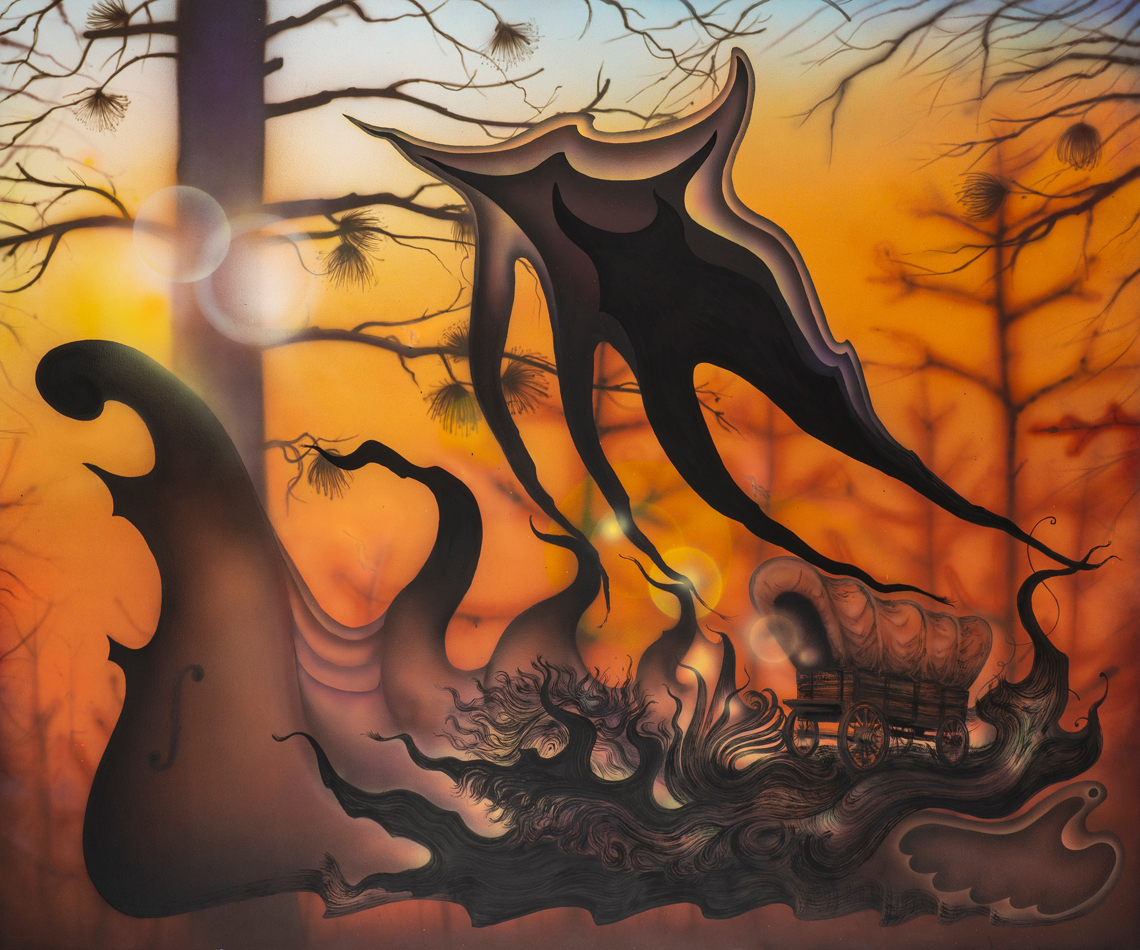
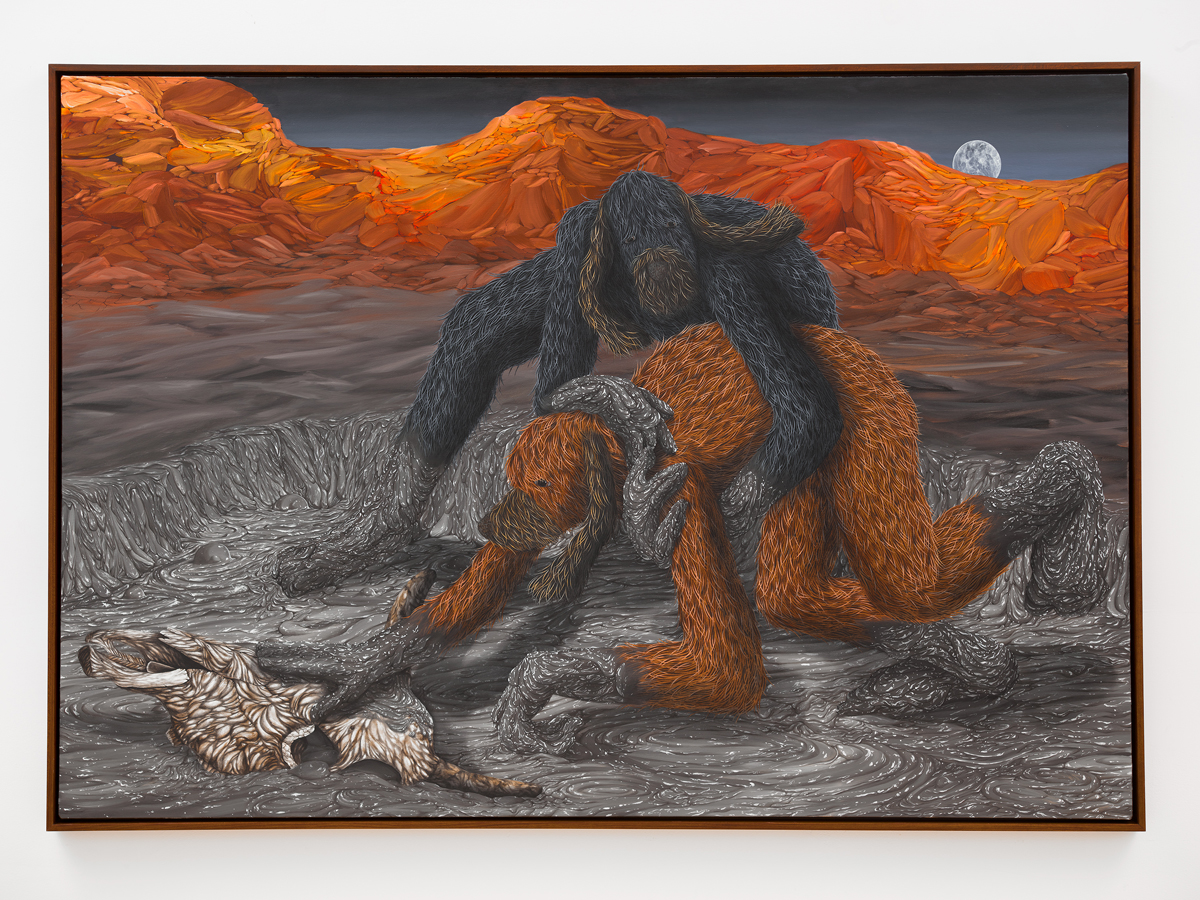
This landscape is also filled with endless oddities and mystery. The exhibition contains surrealist-style works, like Drew Dodge’s unsettling but arresting painting of furry creatures intertwining in Spill (2023), that capture how multifaceted the West’s ethos is.
An exhibition hoping to articulate the many historical, ecological, and cultural themes that comprise the American West must approach this task with the humility of knowing such perceptions are always in flux. Existence as resistance: the statement is searing, not just within our political moment, but also as commentary on the cyclical nature of the West itself.