Mehrdad Mirzaie staged his first shows in Iran, challenging its regime. In Arizona he furthers the fight with art and an archive.
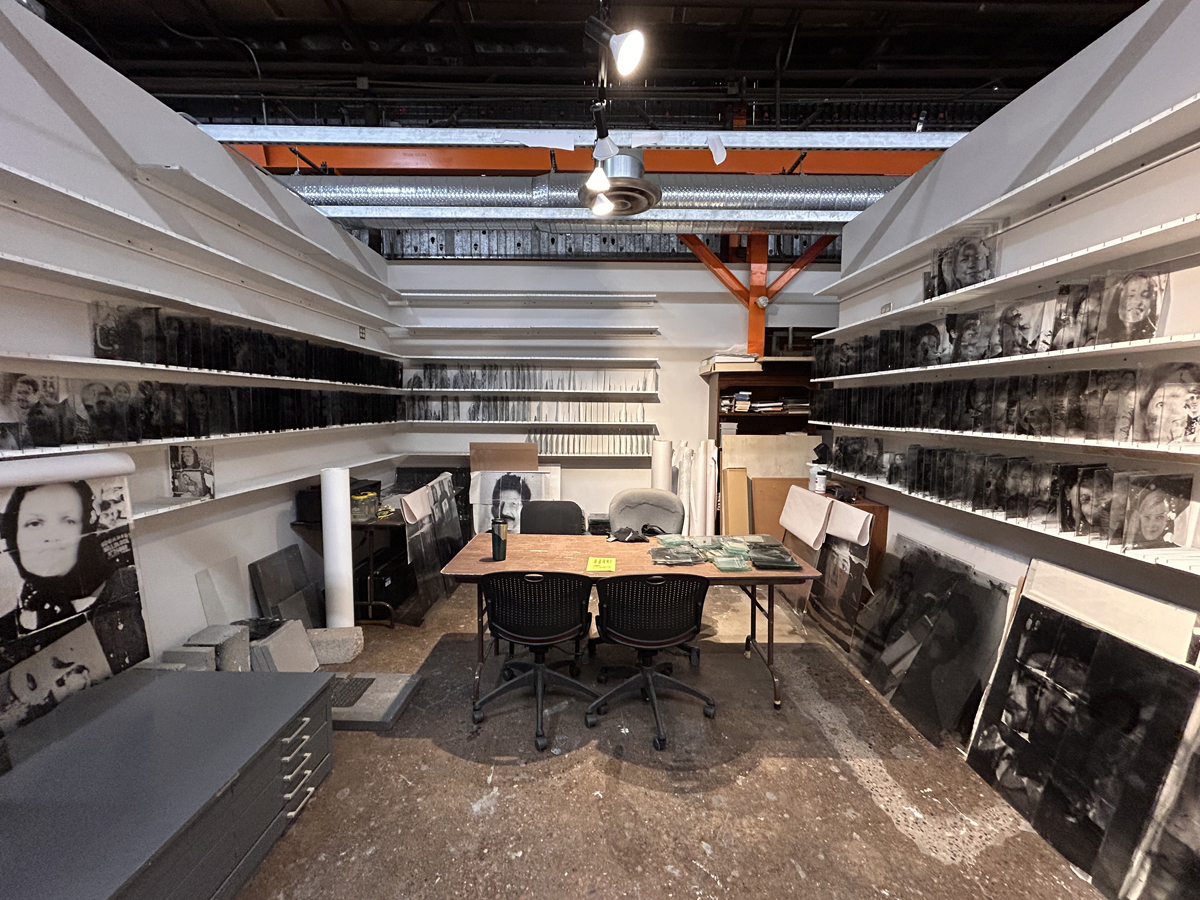
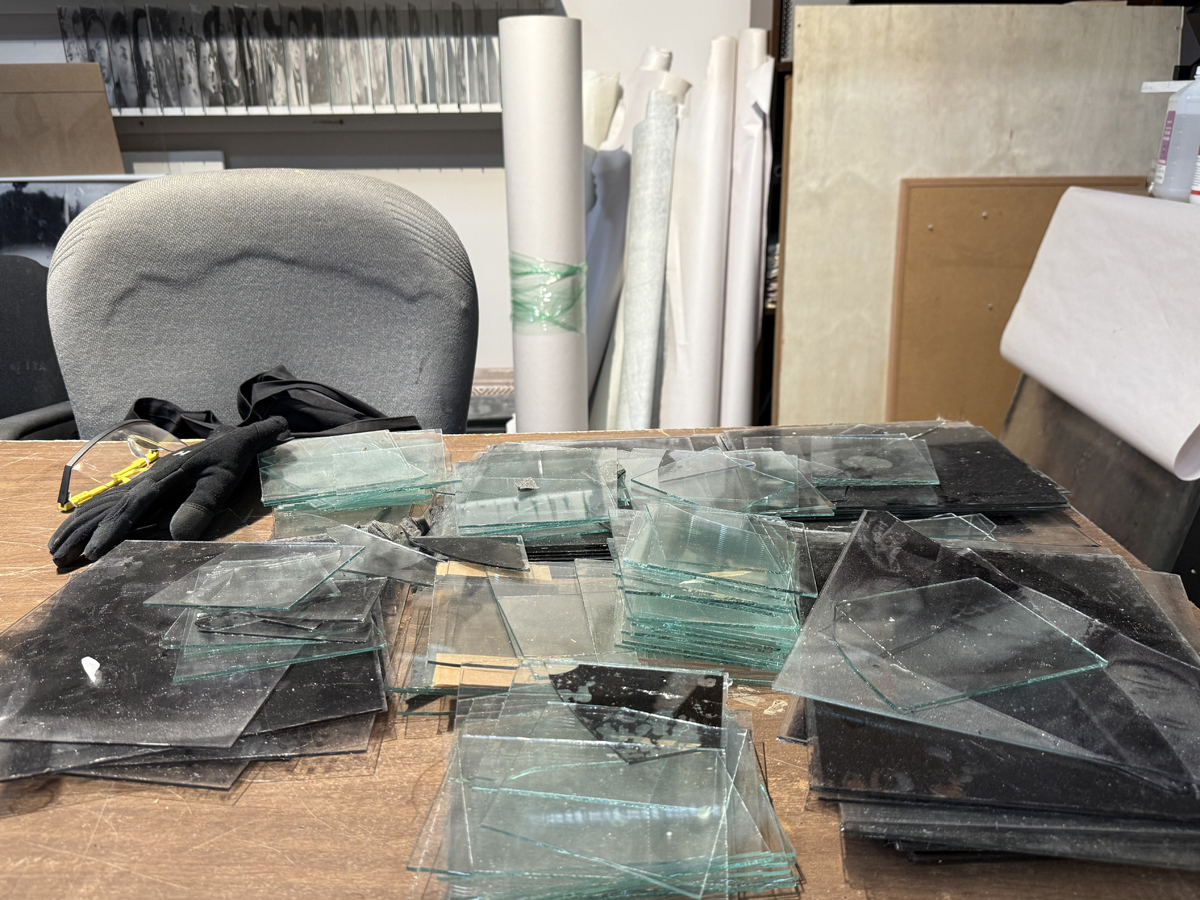
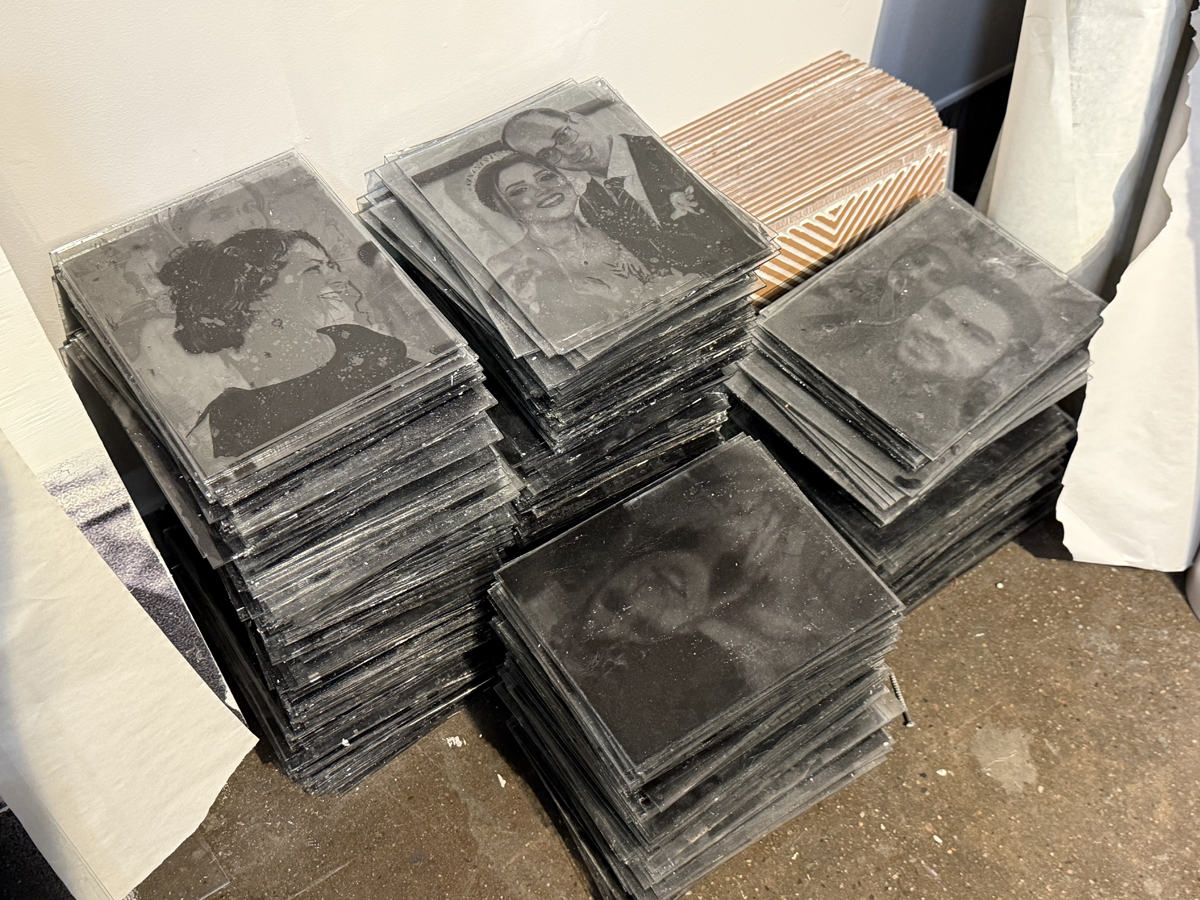
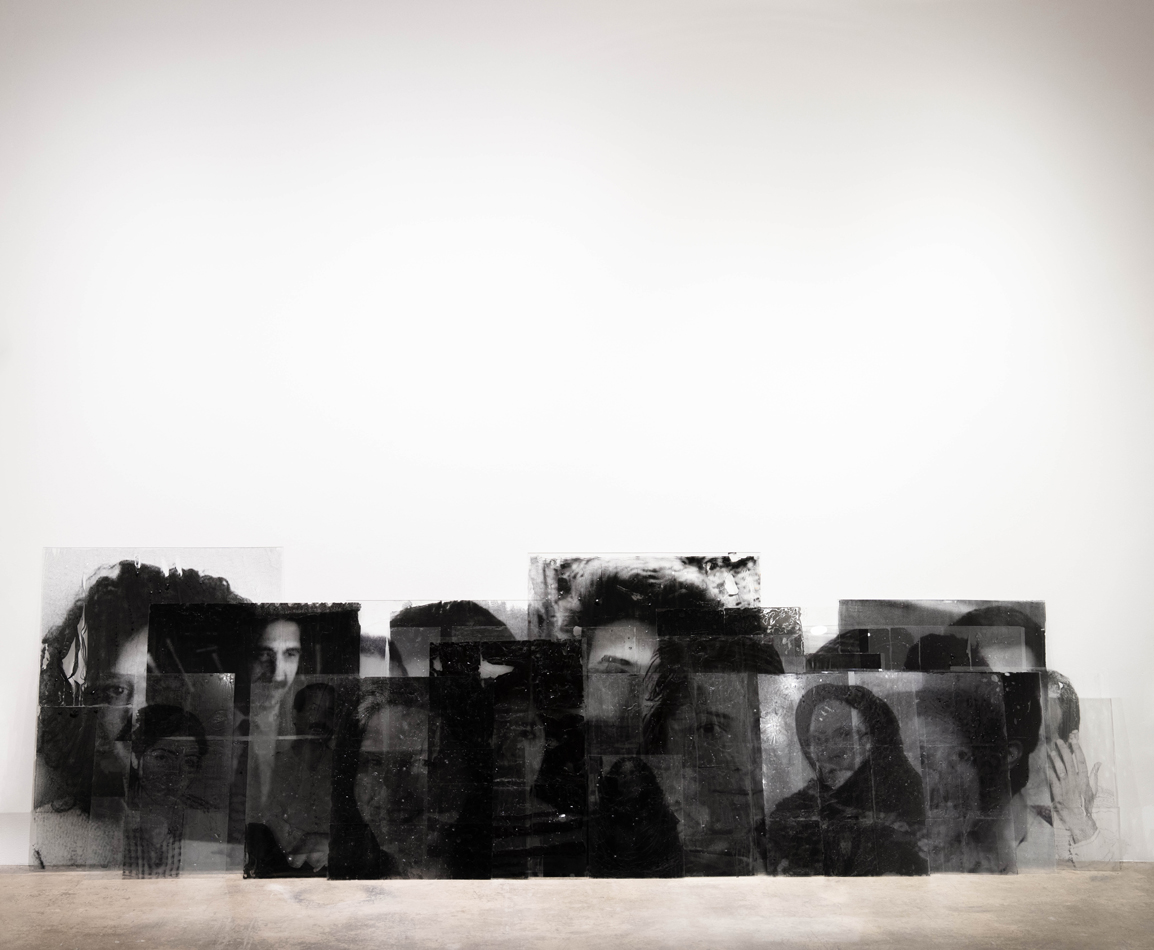
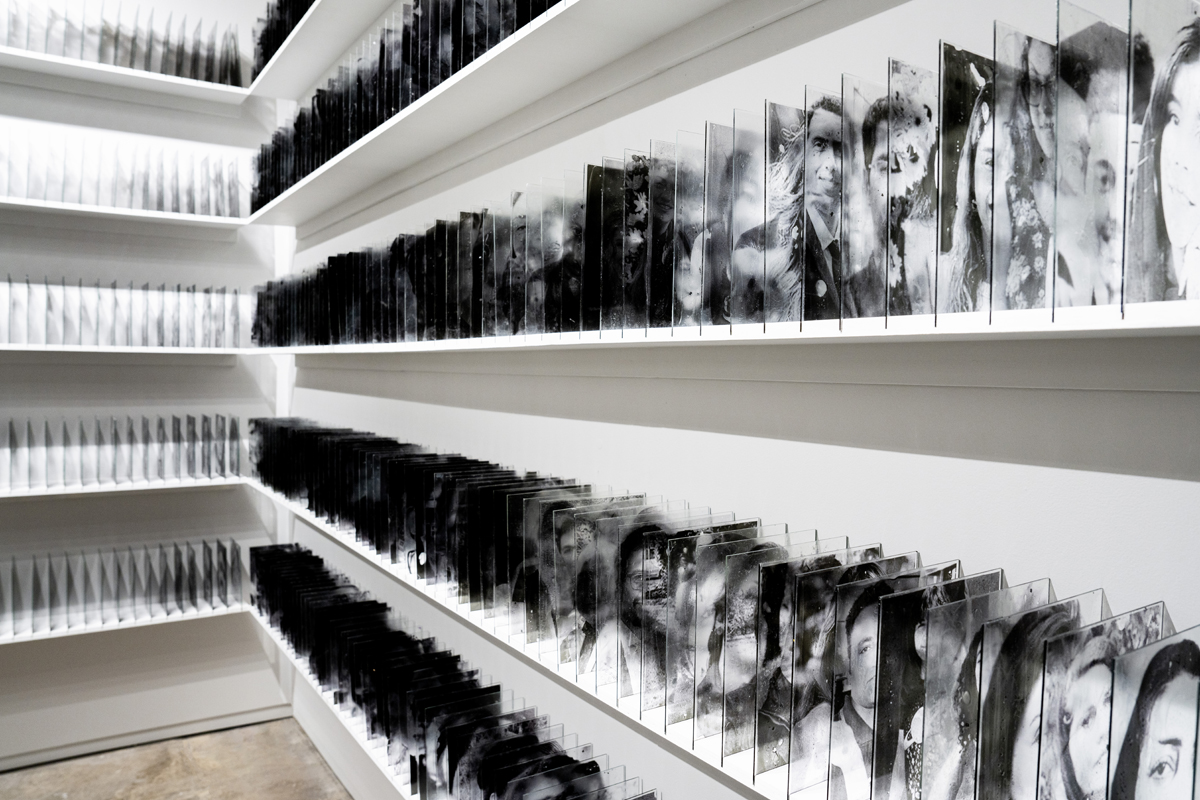
Over a thousand rectangular glass plates, some broken with jagged edges, surround the interior walls of Mehrdad Mirzaie’s small studio in Phoenix. These fragile panels, many the size of precious family portraits you might keep on your desk or fireplace mantle, hold images of individuals the artist doesn’t know.
And yet, he seeks to remember.
“The work I’ve done for many years is for the people who have disappeared or lost their lives because of this ideology, because of the Islamic Republic,” Mirzaie explains, sitting across from me at the small table in his studio where we talked recently about his multidisciplinary practice.
First it happens to their bodies, and then to their images.
He begins by recounting with great specificity the many massacres that have transpired in Iran since the Islamic Revolution of 1979—each one leaving thousands, even tens of thousands, dead. “First it happens to their bodies, and then to their images,” he says, referencing the country’s sociopolitical environment rife with censorship, state violence, and historical erasure.
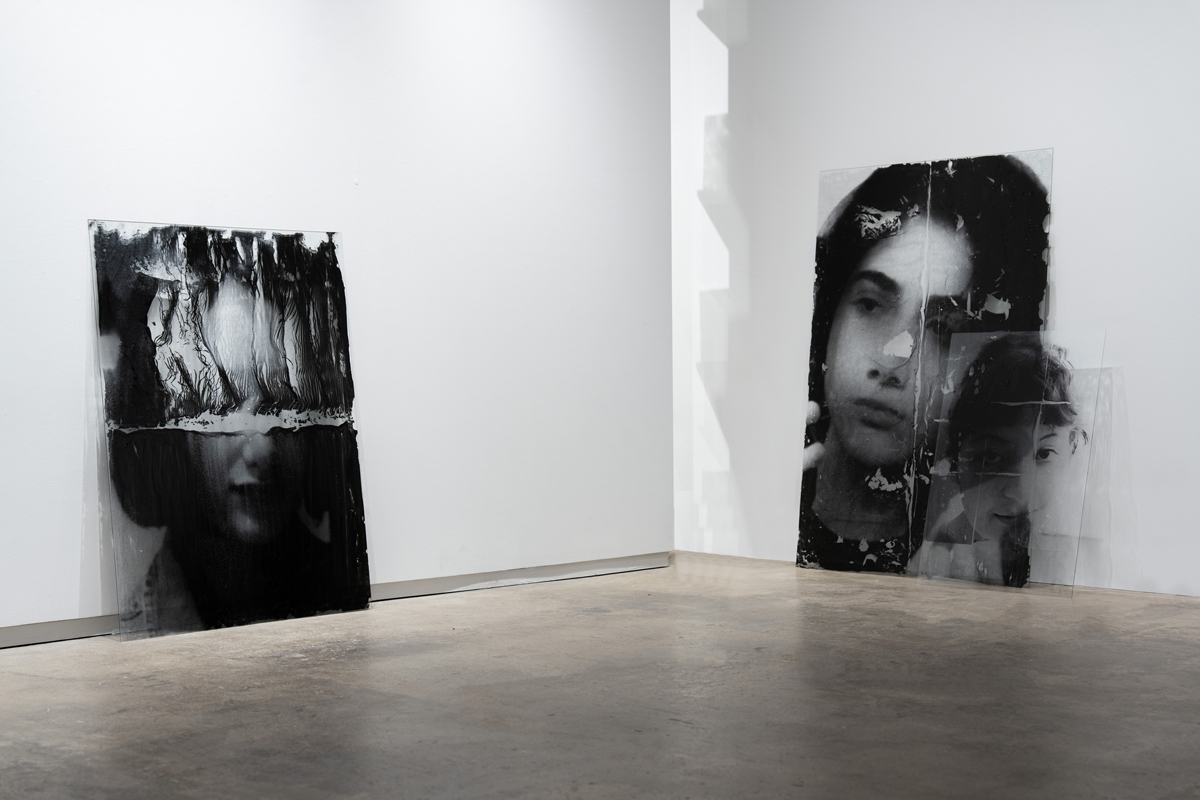
For Garden, an ongoing project that Mirzaie started in 2014, he gathers images from social media posts and social justice websites, many showing smiling subjects on happy occasions such as weddings or birthdays. Mirzaie edits or manipulates the images using tools like Photoshop, as part of a process that speaks to the ways collective memories and histories are erased and manipulated in Iran.
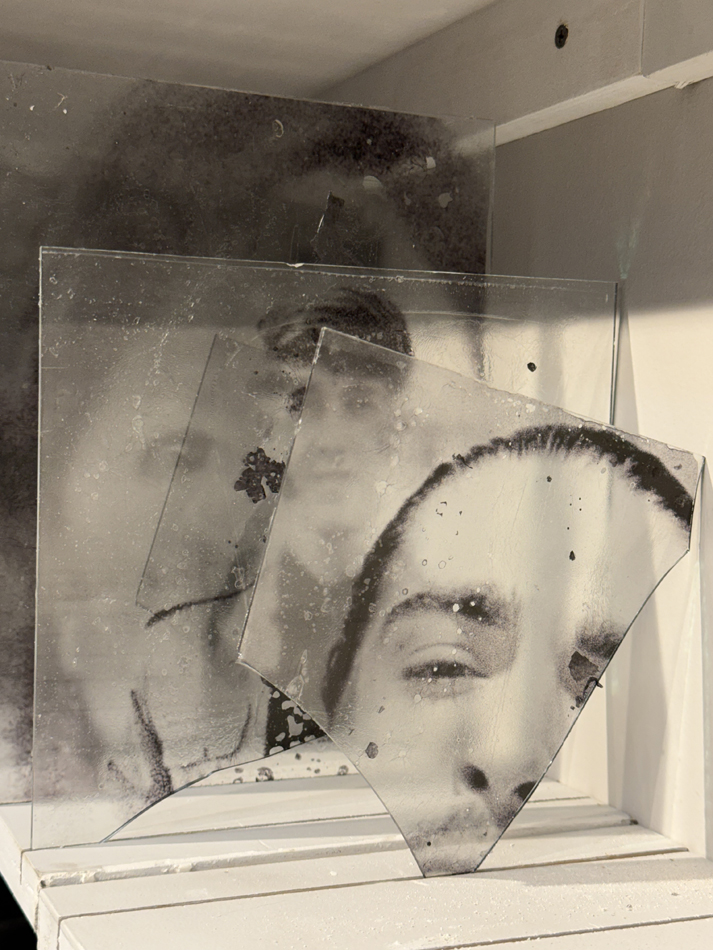
Mirzaie uses a viscous medium for the photo transfer process that places the black and white images onto glass. By scratching and sanding their surfaces, he echoes “the ways our memories are always shifting.”
“I’m reproducing images of the past in the present to think about the future,” he says.
Larger works in the series sit on the ground, propped up against the walls of his studio. Smaller pieces face one another on white shelves that wrap the room, many installed at eye level. Everywhere, the unidentified faces of fellow Iranians surround him.
“People have lost their family, their friends, their community,” reflects Mirzaie. “These collective memories can help us understand what we have been through.”
Mirzaie chose glass because of its transparency and fragility, material properties that speak to absence, but also help him to fabricate layers of meaning. “The act of reproducing the images of the people who aren’t present, the performativity of making the images, is central to my process.”
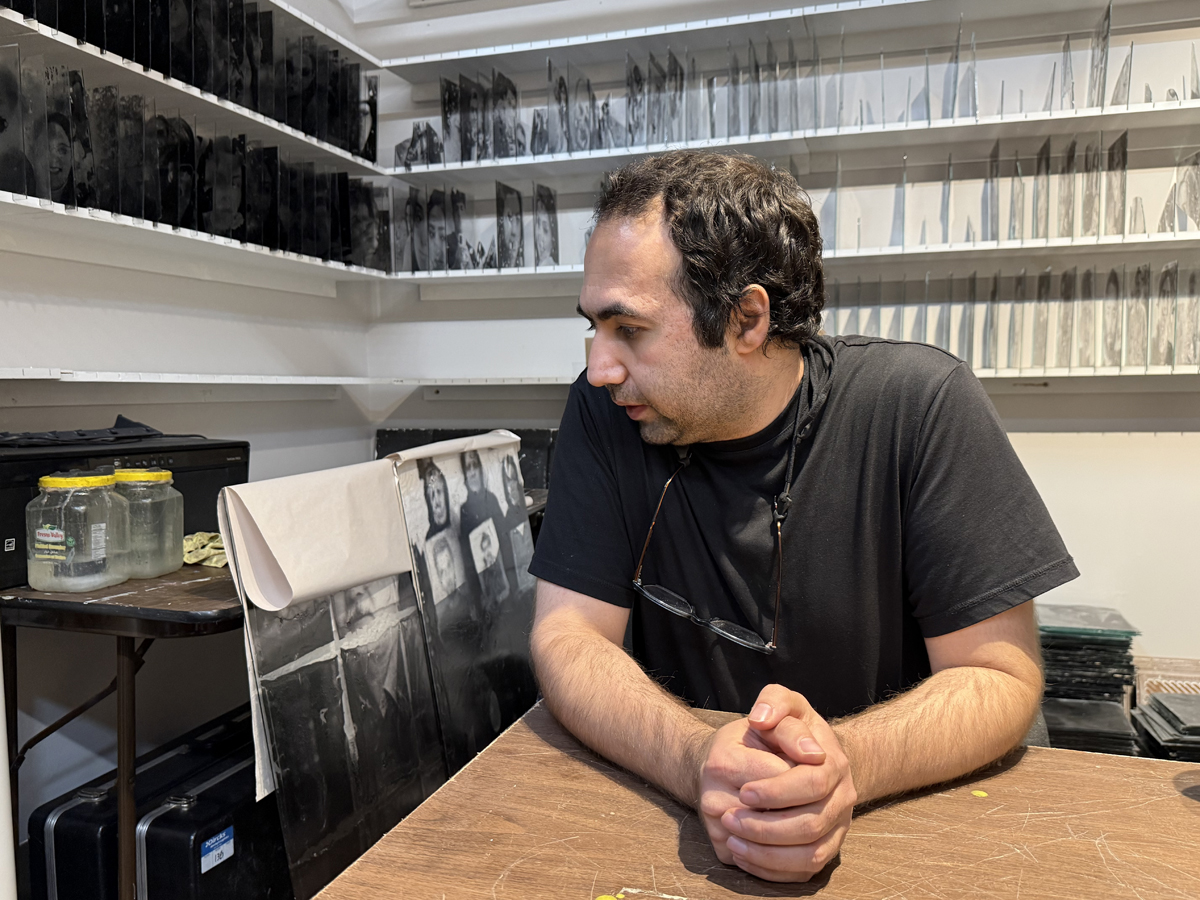
Despite the artist’s deep personal connections to the subject matter, that’s not the focus of his creative practice. Thus, Mirzaie’s own experiences rarely surface during discussions of his work. “I’m trying to observe what is happening and act as a storyteller,” he explains.
He continues, “All these people together are important, [but] not just [as] specific people. It’s about the constellation of all of this together. The photographs give us a bigger image, give us an aesthetic of the system that is taking all these people’s lives.”
I think the project will continue until the end of the Islamic Republic.
He’s made about 1,300 of these glass panels since 2023. And he’s still making more. “I think the project will continue until the end of the Islamic Republic.”
Born in Tehran, Mirzaie recounts growing up amid the architecture of repression, from streets named for Islamic Revolution leaders to buildings draped with giant banners bearing their faces.
“Just living in Tehran is political,” he says.
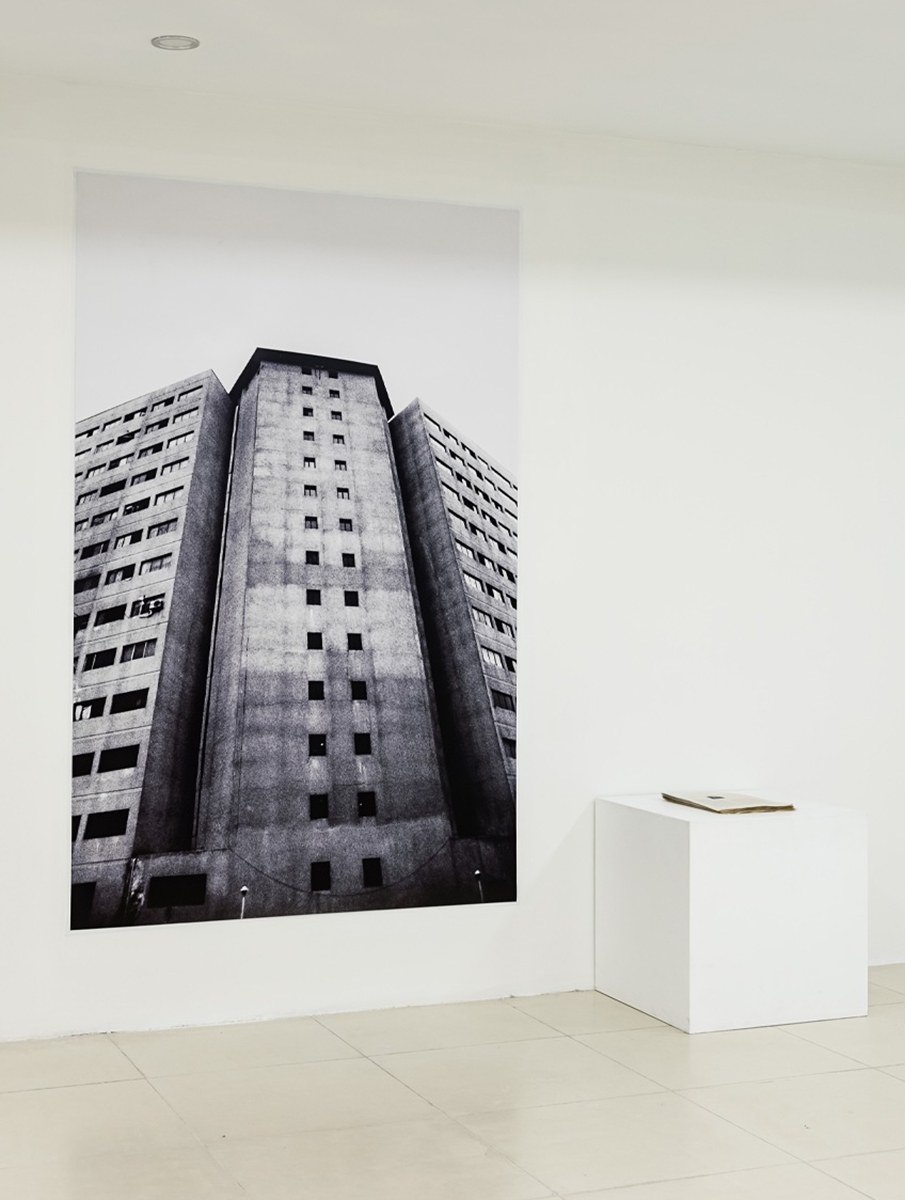
Today, the artist traces his creative journey back to earlier projects undertaken there, including photographing scenes of everyday life and the urban landscape (from murals to empty tombs) for what became an expansive body of work titled The Republic. “I was trying to visualize the aesthetical structure of the power structure,” he explains of the work, which was exhibited in Iran during 2016.
Held at a private gallery that wasn’t particularly well known, Mirzaie notes that the exhibition wasn’t censored in any way. But he recalls being part of a group show two years later that closed because of the government.
It’s been less than five years since Mirzaie moved to the U.S. to attend graduate school, after first studying art in Iran. He’s earned an MFA in photography, and is currently pursuing his MA in art history at Arizona State University in Tempe. He has studio space at ASU’s Grant Street Studios, just south of downtown Phoenix, and he’s the assistant curator and collection assistant for the university’s Northlight Gallery. He’s passionate about doing research as well.
In 2022, Mirzaie founded the Tasvir Archive Project, which focuses on the photographic practices and history of image-making in Iran, as well as gathering and archiving information about contemporary Iranian photographers. In 2024, he co-curated the project’s inaugural exhibition at Northlight Gallery, which featured works by sixty artists.
Now, he’s preparing for several upcoming exhibitions, including a group show at The Gallery at Tempe Center for the Arts and a two-person exhibition at the Louis Carlos Bernal Gallery at Pima Community College in Tucson. He’ll also be part of a major museum exhibition in 2027, but the details are still under wraps.
Whether he’ll show one particularly affecting work remains to be seen.
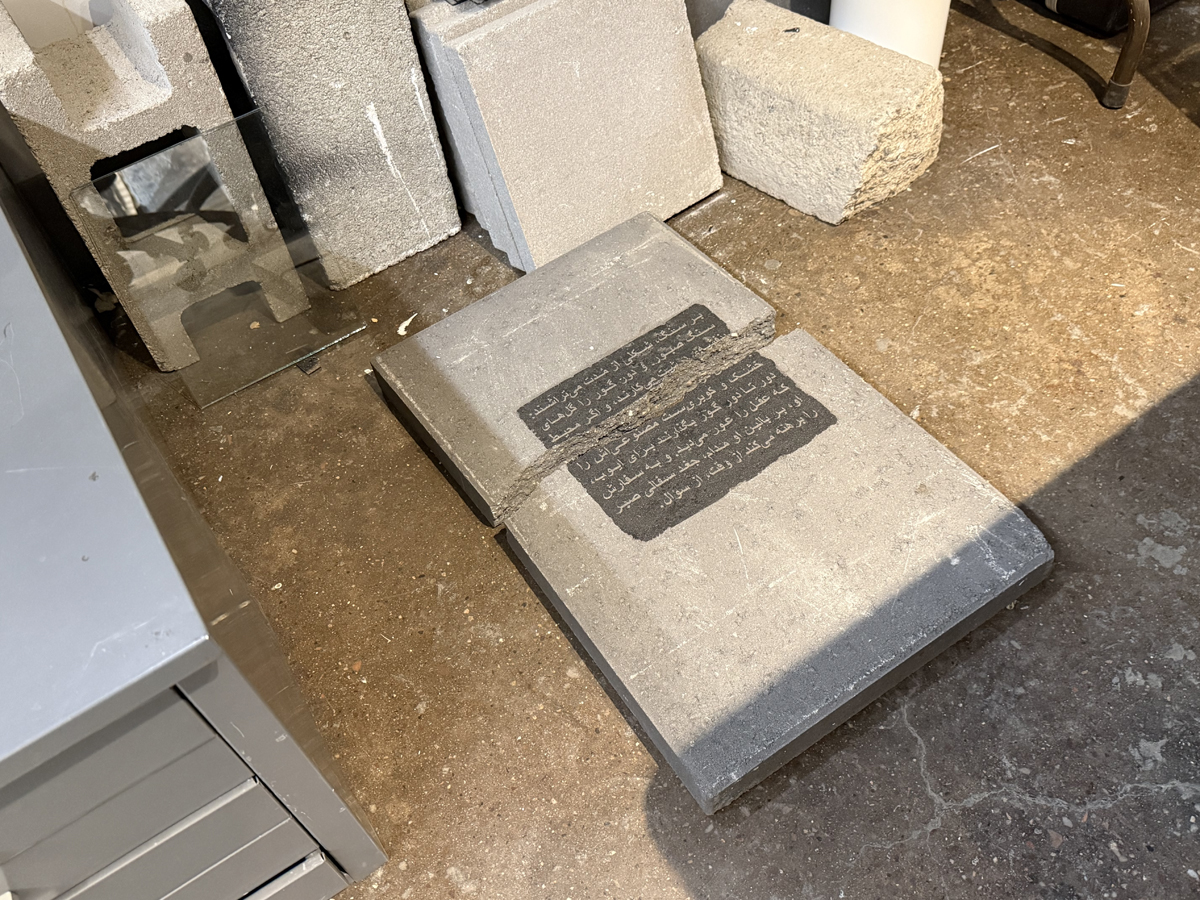
A sculptural cement tombstone that the artist imagines could be his own… lies flat on the floor.
It’s a sculptural cement tombstone that the artist imagines could be his own, imprinted with the words of a poem written in farsi. A large crack runs through the stone, although the artist hadn’t intended it to be there. Titled Empty Tomb (2025), the life-size tombstone lies flat on the floor, to one side of that small table in his studio—a reminder of all the empty tombs dug by the Iranian state, where people killed during future massacres might be placed one day.
Working in his studio, over 7,000 miles from Iran, Mirzaie is mindful of the weight his work carries. “Sometimes I have a feeling of guilt because I’m talking about people’s lives. It’s so much responsibility.”
Even so, Mirzaie says he’ll continue to address liberation, activism, and politics as his body of work grows and evolves. “I’m thinking about how these subjects could relate to art, and what I need to do to make my practice more active, more readable,” he explains. “I have to keep revisiting what I do. I have to keep extending and expanding the conversation.”