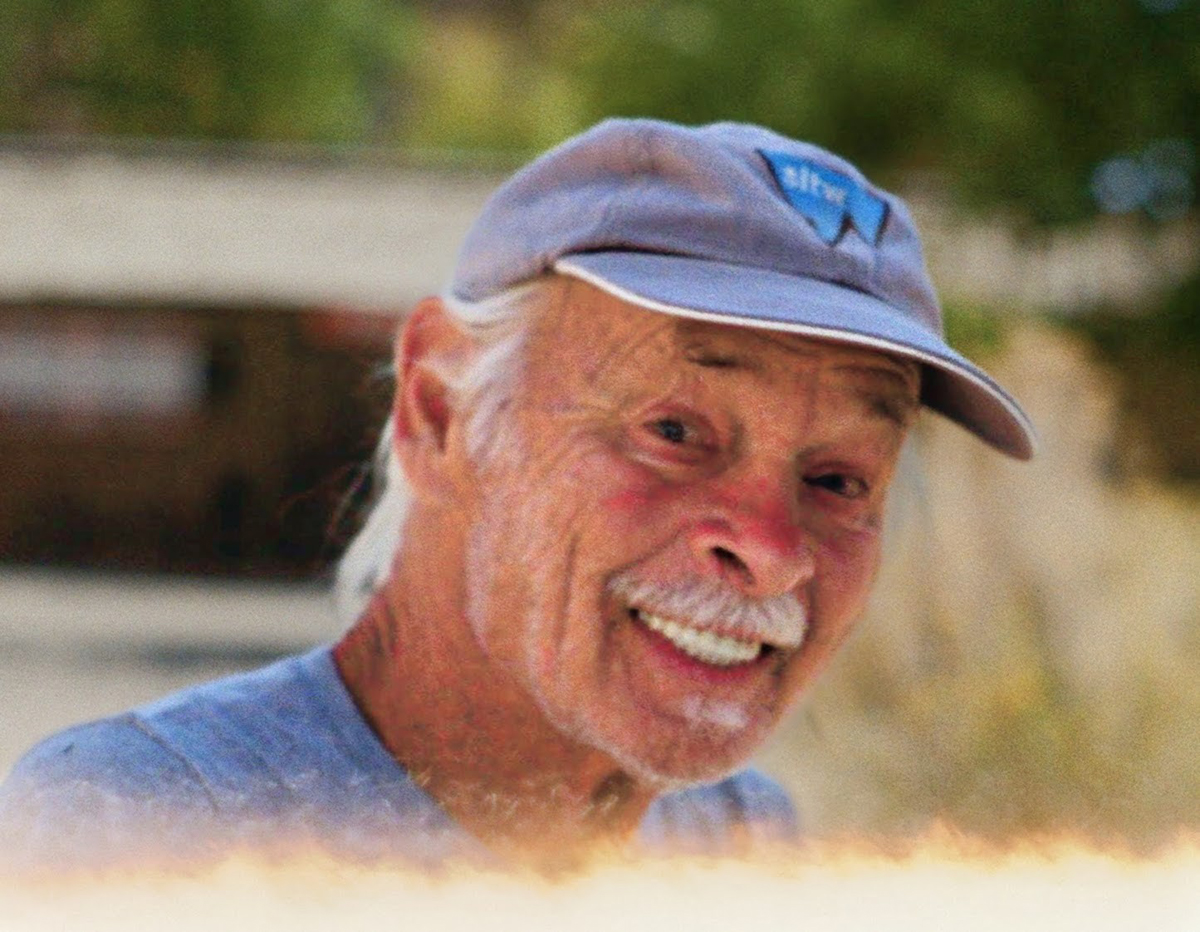
Joe Pachak of Utah vanished and was found deceased in 2025. The beloved artist and archeologist’s small community cradles his fiery legacy.
He had begun gathering branches to build a playground—branches his family would end up using to bury him. He would have built the play structure against a living tree in the heart of Bluff, Utah, a town erupting with cottonwood and birdsong, buzzing with a familiar magic.
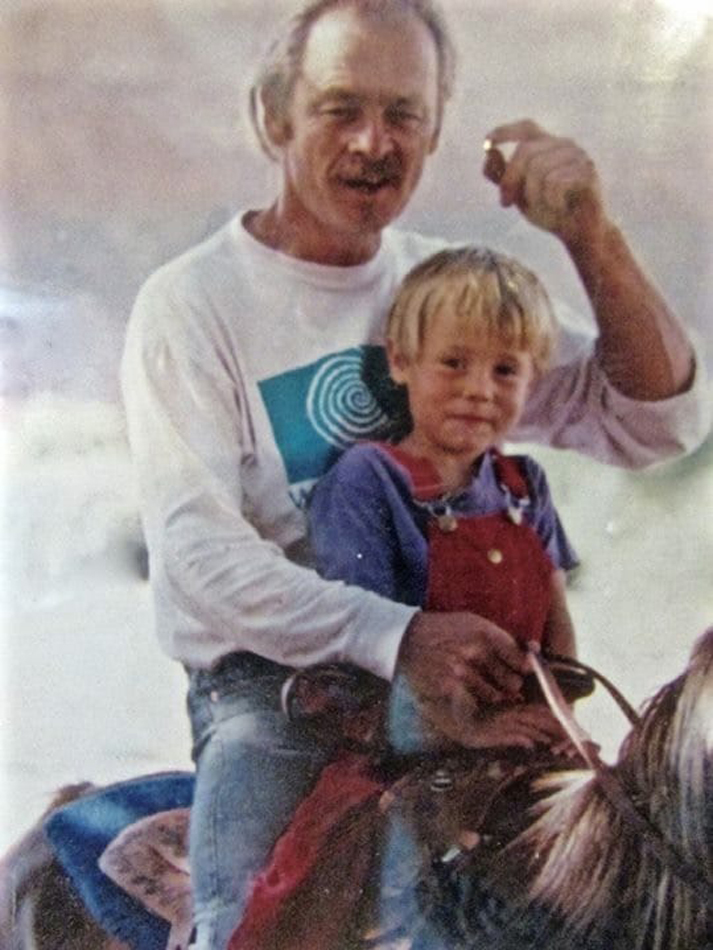
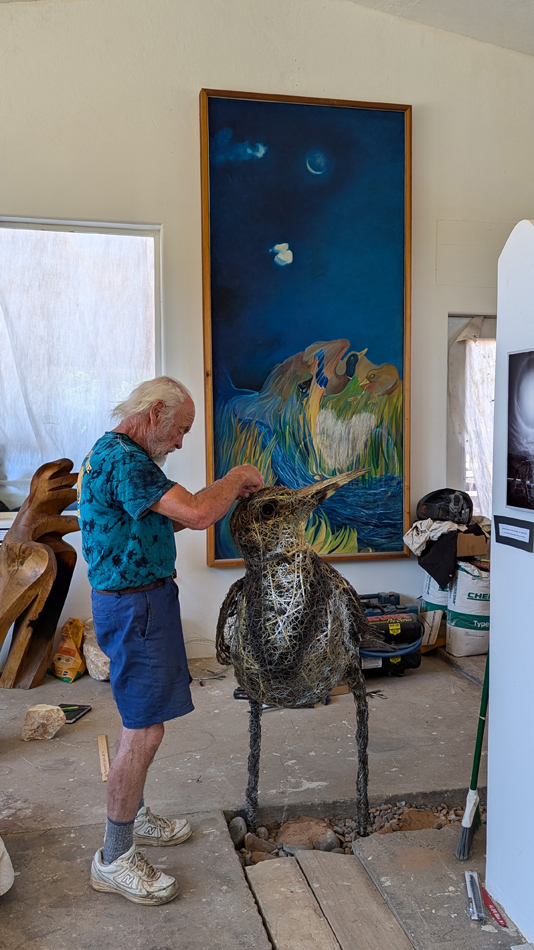
It’s a magic cast by inhabitants like Joe Pachak, whose artistic, ecological, and educational works shaped the world around him. After serving in Vietnam as a Marine, then receiving an MFA in sculpture from the University of Arkansas, Pachak moved to the Four Corners region in the 1980s. He grew intimate with the landscape as a wilderness guide, firefighter, and especially as an archeologist with White Mesa Institute. He called Bluff—which borders the northern edge of the Navajo Nation—home for over four decades.
“We were blessed in that every step we took, we knew what we were looking at and what we were doing,” says Greg Nunn, one of Pachak’s best friends and a master flintknapper who grew up alongside Pachak in the archeology world. They would disappear into the backcountry around Bluff for weeks researching, guiding, and stewarding.
Pachak is credited with discovering dinosaur remains, ancient mammoth art, and other panels of Native art in areas like Comb Ridge, an eighty-mile-long monocline stretching from Utah’s Abajo Mountains to Arizona.
He shared his reverence for Indigenous cultures and landscapes with students and recreators who visited through the years. A short walk with him around Bluff invariably resulted in his discovery of artifact shards, with a description of when, where, and who they came from. Raini Pachak, Joe’s son, described his father’s impact on the region as “deeply human.”
Pachak always set the world aside to meet with his family and friends, so when Nunn arrived at Pachak’s home last November to find him missing, the alarm bells sounded.
A day later, authorities, family, and friends began searching the craggy mazes surrounding Bluff; two weeks later, on December 9, 2025, Pachak’s relatives discovered his remains deep in the pond on his property, sending shockwaves through southeast Utah.
“Of course Joe had to go and pull a stunt like this,” Nunn joked after telling stories about their friendship—frostbitten hunting trips, flipped ATVs, their ability to agitate each other, and their rare ability to be silent together in some of earth’s quietest corners.
“Whatever we thought about each other, we said. And we challenged each other,” Nunn says, recalling how he pulled Pachak’s artistic abilities into their fieldwork. “I would ask him to draw precise diagrams of how artifacts were produced, and then have him redo it over and over until we had it—and he wanted to do it. He reached an impossible level of precision and accuracy in those drawings.”
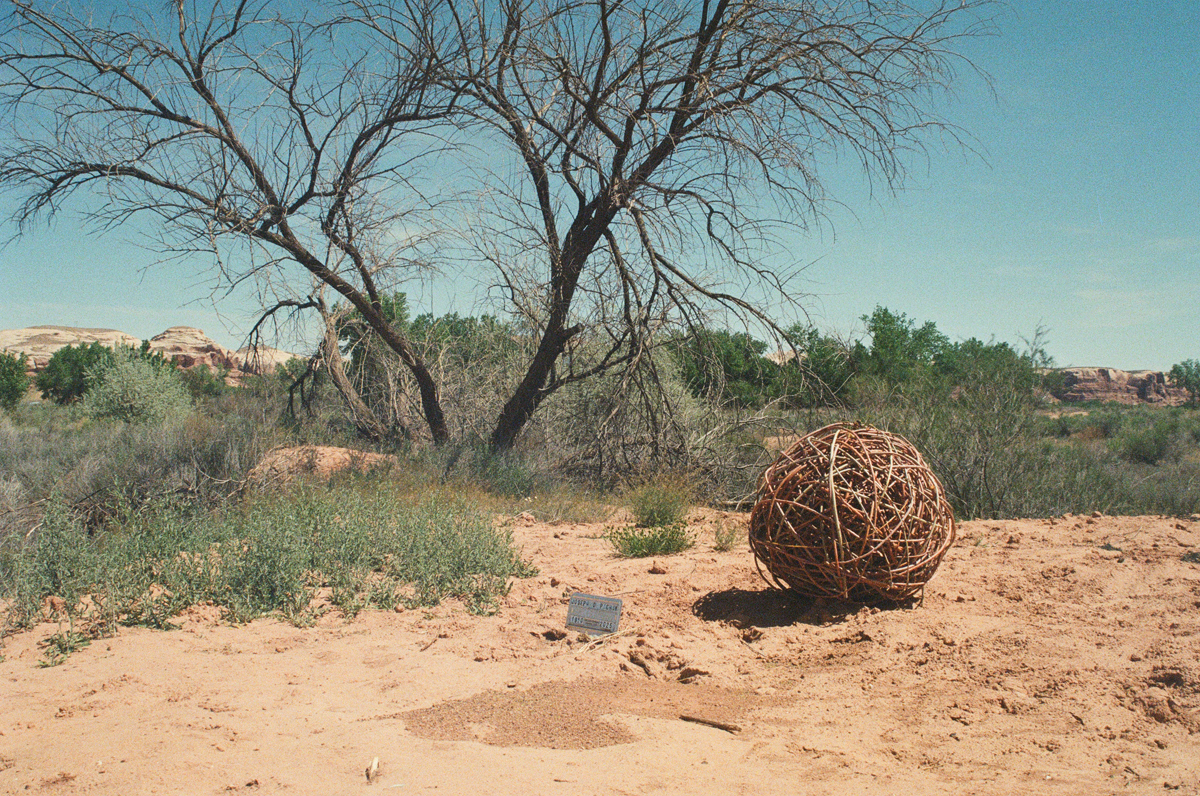
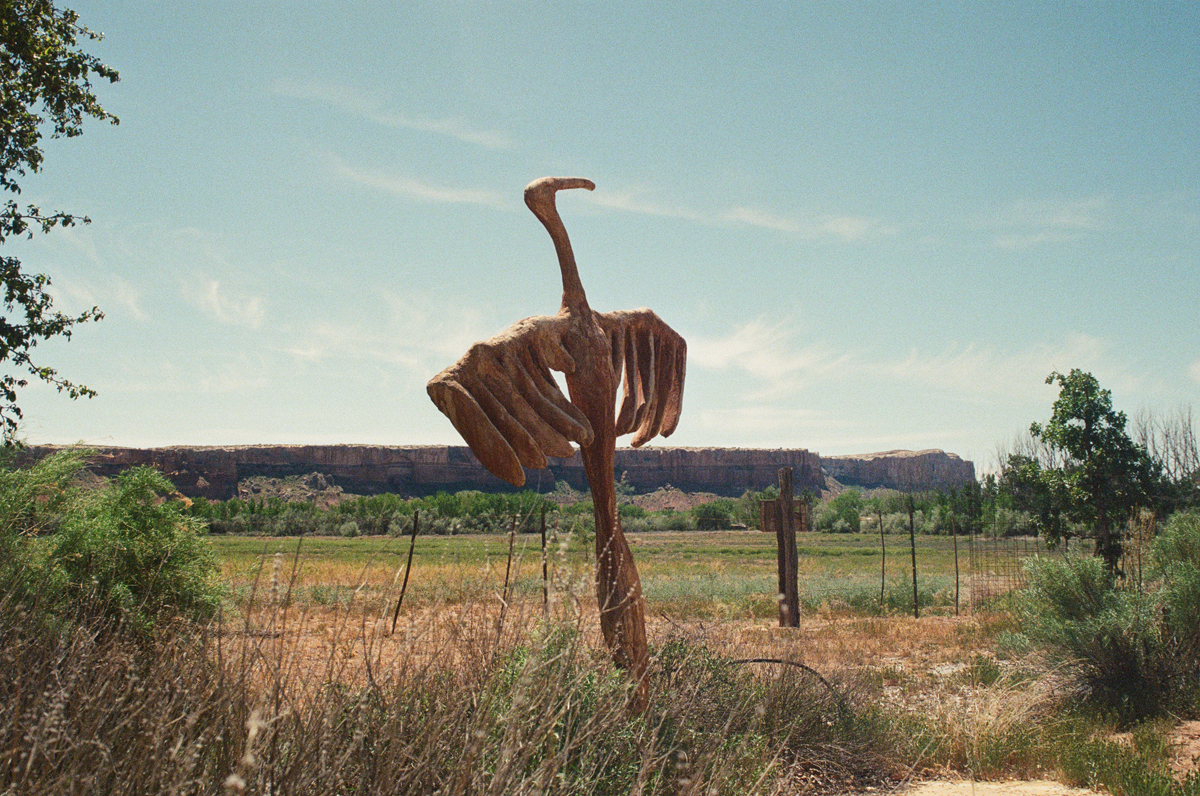
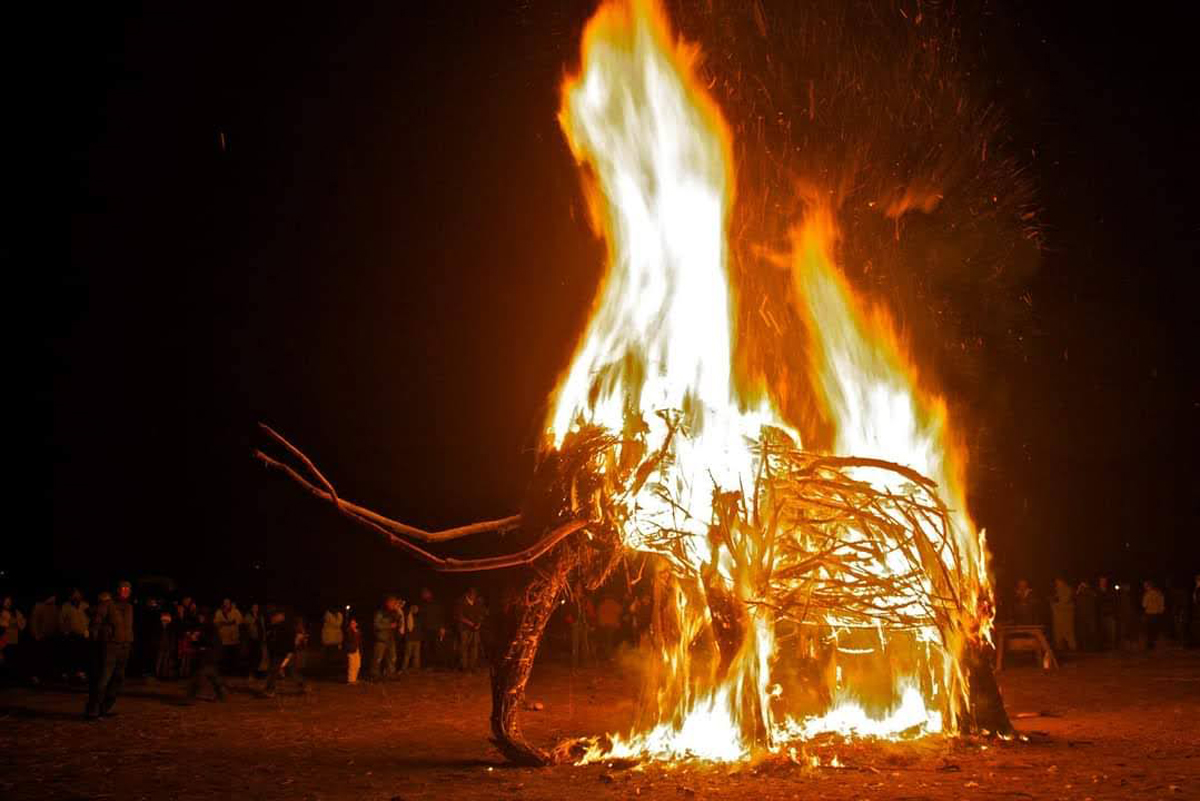
Through various media of artwork, particularly sculpture, Pachak shared his passion for Indigenous people and the natural world. He was largely known for the ephemeral effigies of animals—twenty to thirty feet tall—he spent months constructing with branches and twigs. On each winter solstice, Pachak burned these structures for crowds of hundreds—Diné (Navajo), Ute, Hispanic, and white spectators, among others—who came together to witness the great return to ash.
Nunn recalls the year Pachak’s effigies—two top-heavy ravens—fell over the day of the burn: “When Joe saw that his months of hard work had prematurely fallen in front of a gathering crowd, he sort of got this disappointed look on his face, laughed, and said ‘I guess they just needed to nap.’”
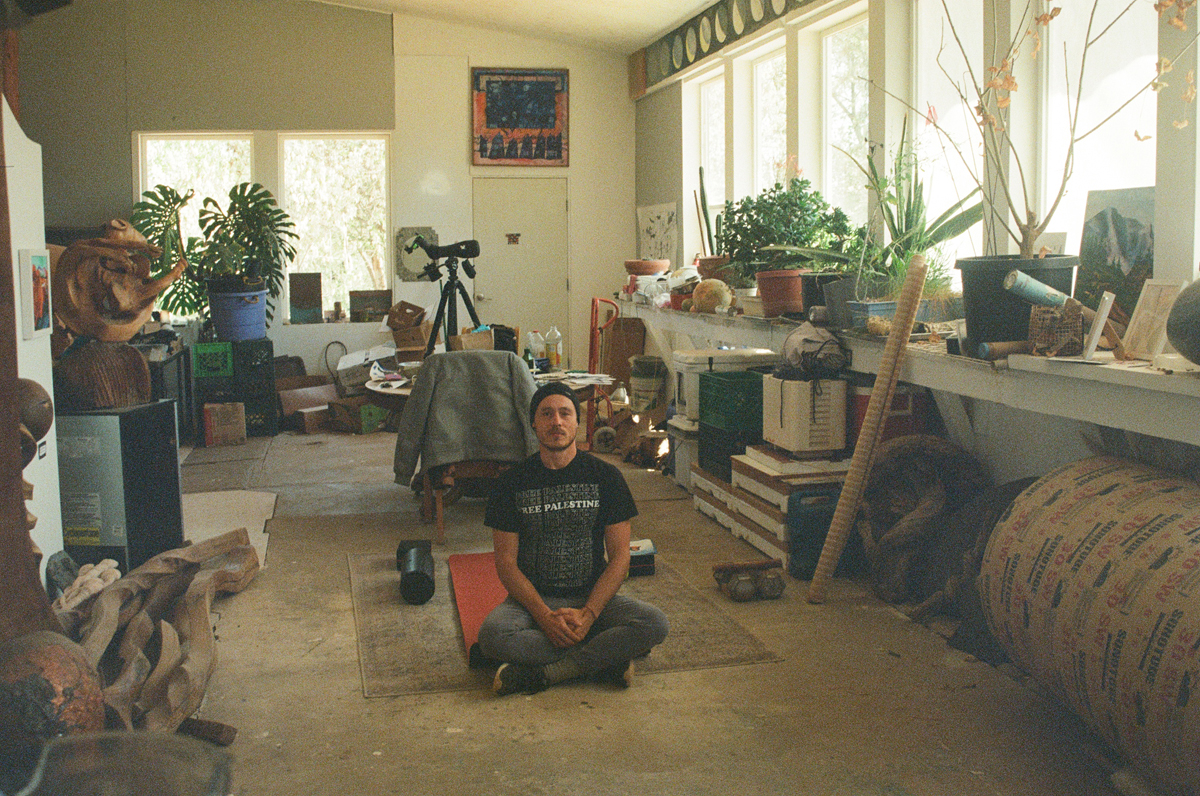
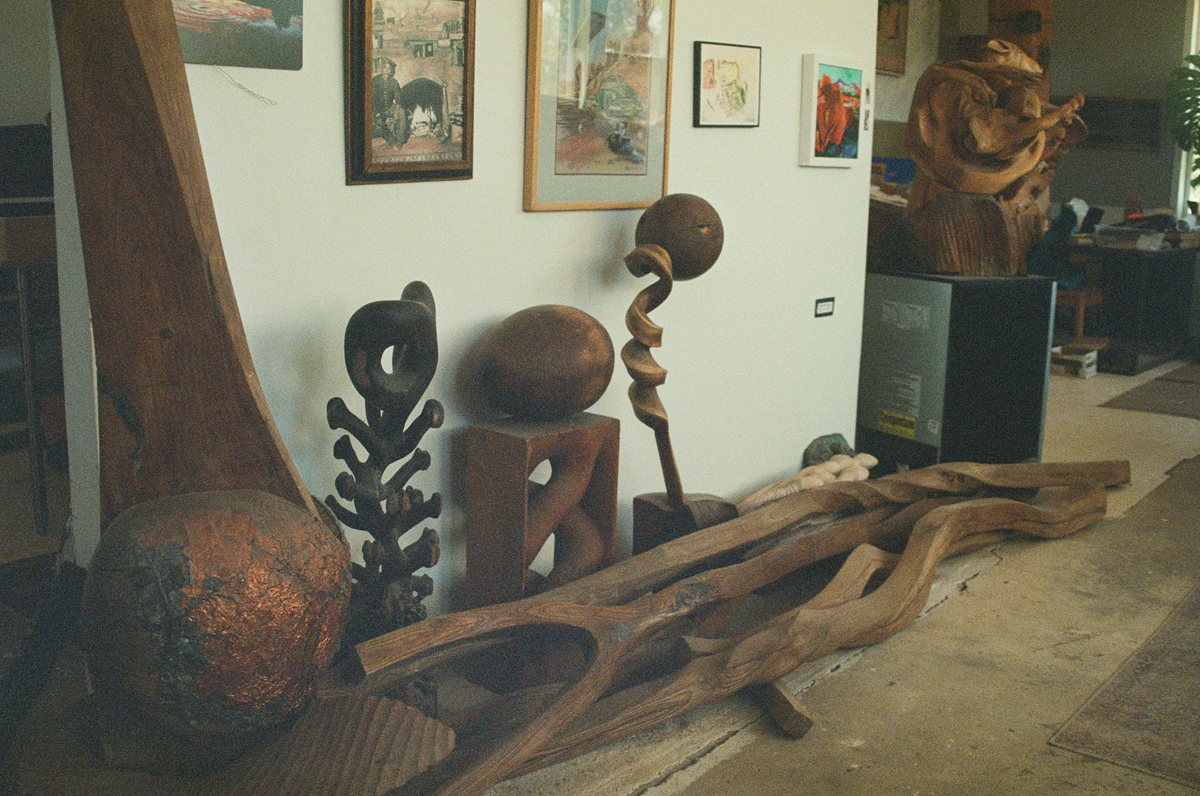
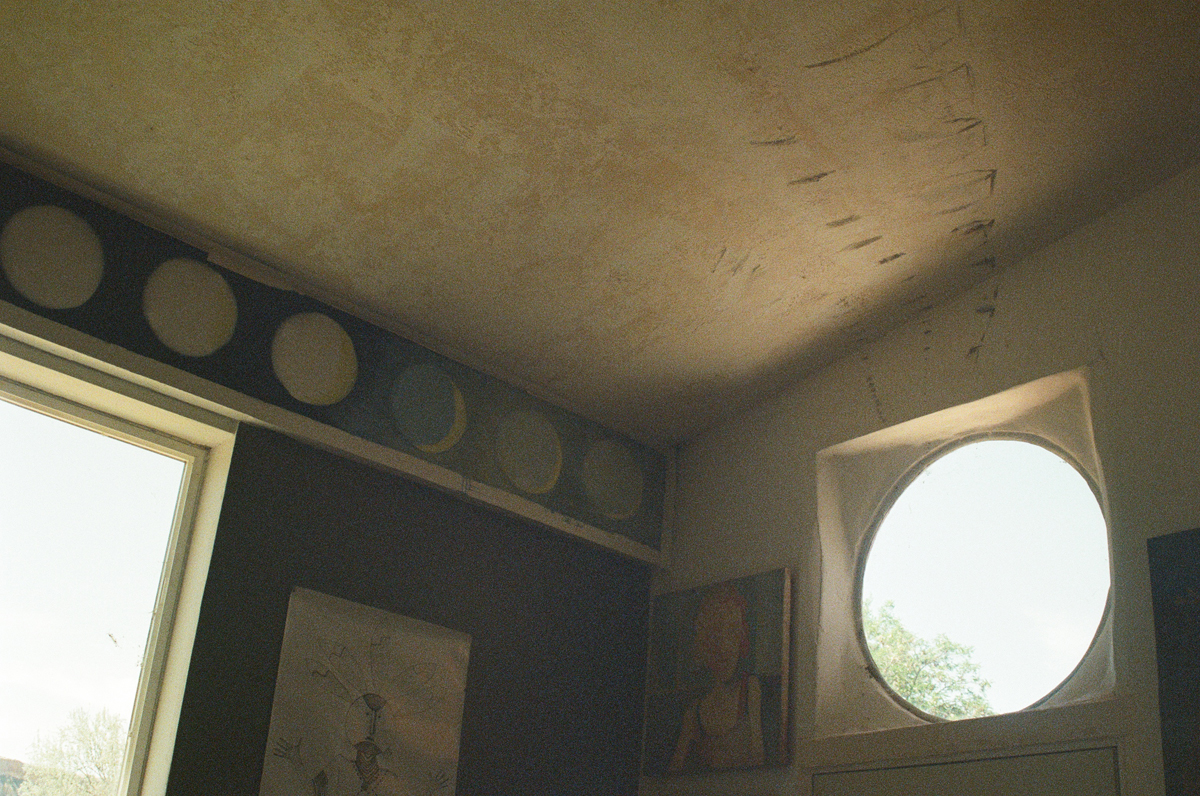
Pachak’s lesser-known pieces—mostly of animals—are erected in Bluff’s public spaces and in his home studio, which caught fire several years ago, destroying or damaging some of his works. The studio itself is windowed with circular glass panels that align with the equinoxes, which allowed him to track the seasons by how light shone into his home.
Pachak saturated all of his projects with this kind of intention. He worked methodically and in reciprocity with his materials and surroundings. His North Star: the spiral.
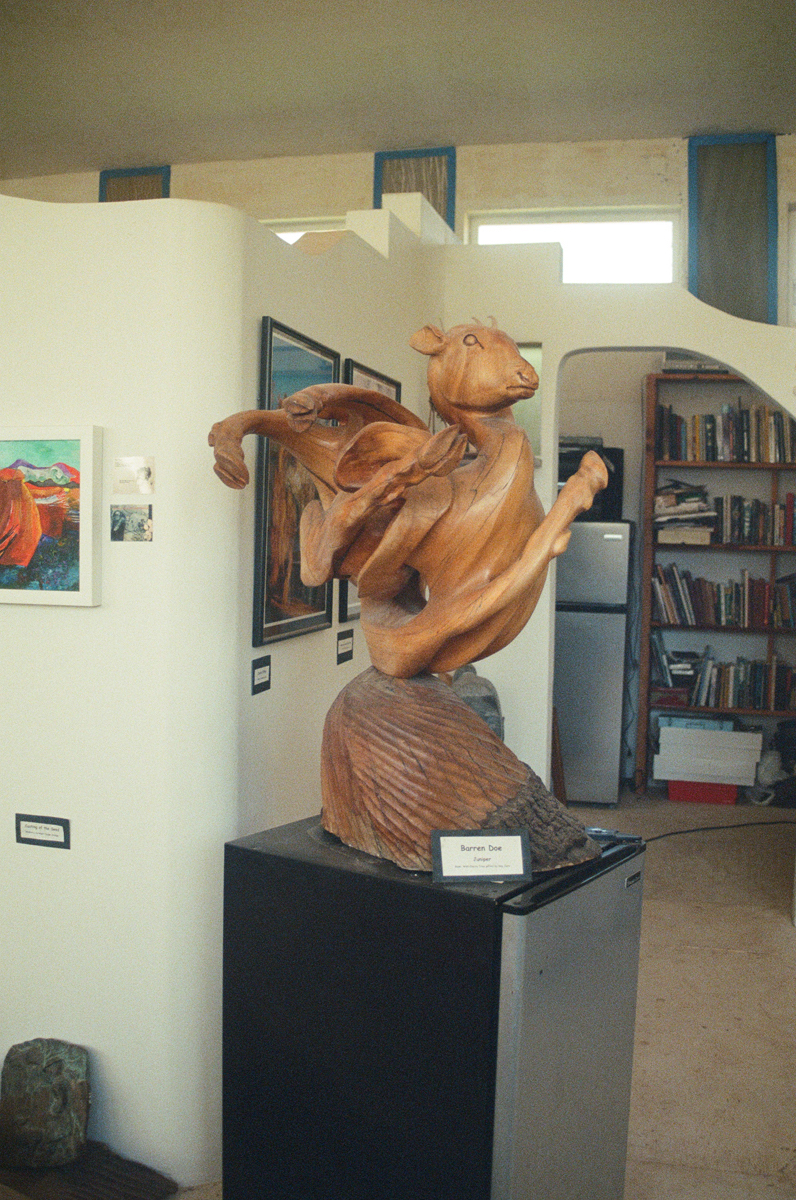
Pachak’s affinity for spirals was the first thing he shared about himself to a group of students as we volunteered with him in 2023, helping him gather branches for an upcoming community installation.
“Everything is a reciprocal process,” he said, noting such reciprocity in the spirals all around us: in the convective pressure informing hurricanes, the gravity shaping galaxies, in the pattern of hair on a baby’s head, and in Pachak’s early juniper sculpture titled Barren Doe (1974). The doe spirals physically in three dimensions, and in the dimension of Pachak’s methodology.
“I didn’t just carve and force my way through this juniper,” he explained to us in his home. “The wood gave me information about itself, which I returned to inform the doe.” Both Pachak and the doe were constantly moving each other, invoking a sense of energetic convection visible in the twisting of the doe herself.
Relatives of Pachak agree he moved the many students and visitors he encountered, leaving them with a sense of curiosity informed by Indigenous ways of understanding—philosophies he lived in his commitment to neighbors and the landscape.
“He spent decades restoring life to desert soil, cultivating gardens, and even sustaining earthworms during drought years,” Raini says. “A lot of Bluff’s trees came from Joe collecting seeds and giving saplings away.”
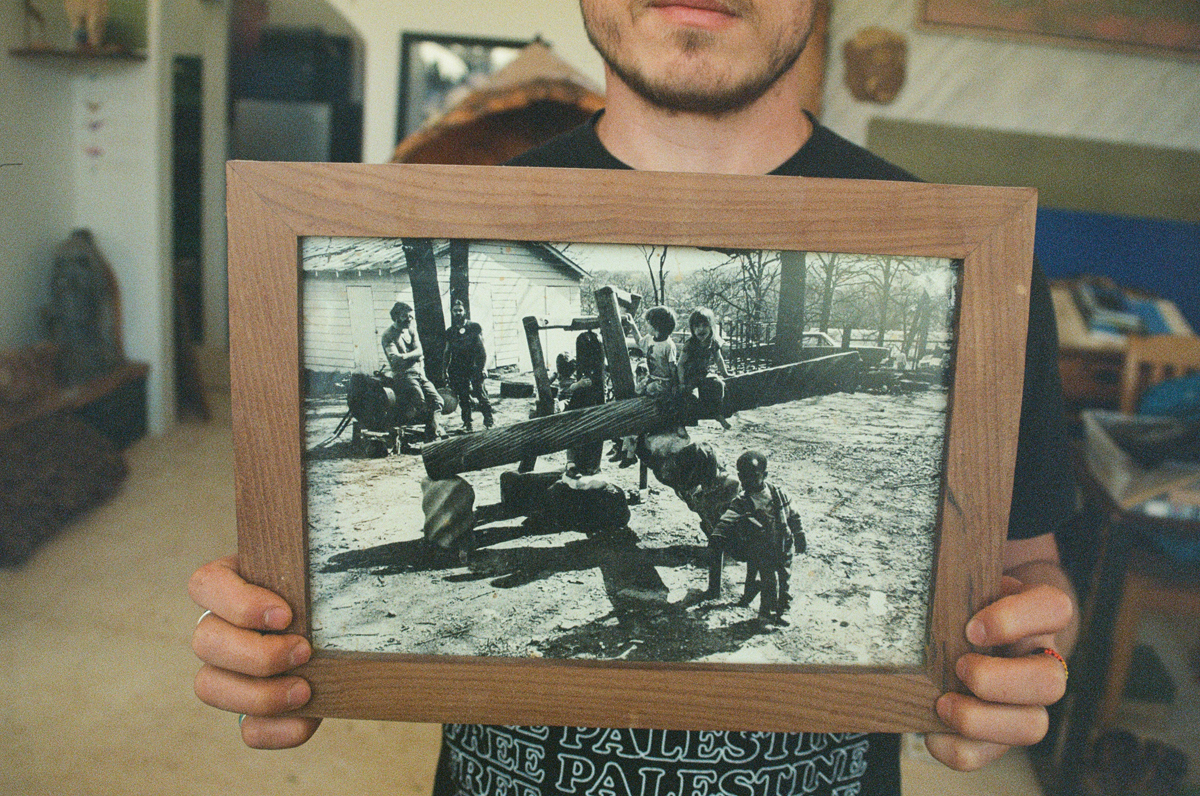
“I want to simplify my life so that I can make art,” Pachak said last year as he laid out furs for me to sleep on in the center of his studio, near the Barren Doe. He had hired me for a weekend to help construct a roof over his patio, so he could work out of the sun.
He picked up a framed picture of a playground he created in Arkansas in the ’70s. In it, a young Pachak watches children swarming their new structure. He choked up and pointed to one of the children. “This kid right here didn’t have shoes. I gave him mine.”
Last year the City of Bluff had commissioned Pachak to build another playground—one local and Diné children would use—at Bluff’s Community Center. His branch pile had become substantial enough for one to imagine future children climbing its twisting, asymmetrical structure. Raini still found a way to use the materials.
“We wrapped his body in dyed silks and wool blankets, and made a burial platform using the branches he was going to use for the playground,” Raini says. “The branches were the handles for us to carry the platform, which we spiraled metal wires around.”
Pachak’s funeral ceremony involved music and testimonies; witnesses report that an eagle swooped down over Pachak’s grave when Nunn offered words. The burial site is located on Pachak’s property in a strategic location, from which significant landmarks to Pachak are visible: the Abajos to the north, Sleeping Ute to the east, San Juan River to the south, and Comb Ridge to the west.
“I’m continuing to care for the trees, ponds, gardens, and earthworms he spent decades cultivating,” says Raini, who is navigating the future of Pachak’s property—and art—with intention. “His impact is physically still alive in Bluff—in the trees, the rituals, the land, and the people he influenced.”
Raini encourages those interested in Pachak’s impact—including his public sculptures—to visit the Bluff Arts Festival from October 15 to 18.