At the Amarillo Museum of Art, Stations Words | Bars Cars brings together the works of Ed Ruscha and Ron Cooper, who met and became friends during an intensely creative time in California.
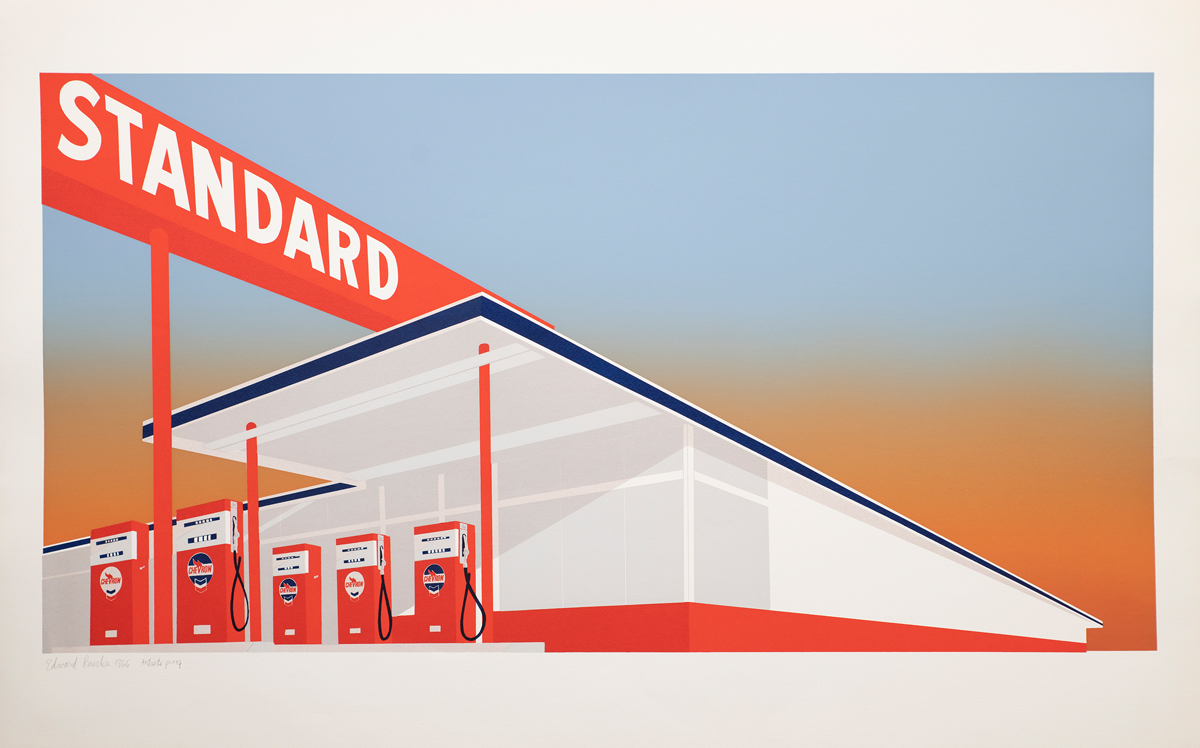
Stations Words | Bars Cars
May 30–August 30, 2026
Amarillo Museum of Art
Stations Words | Bars Cars brings together the works of Ed Ruscha and Ron Cooper, who met and became friends during an intensely creative time in California. An important aspect of each artist’s practice is the road, light, and movement across the landscape of the American West.
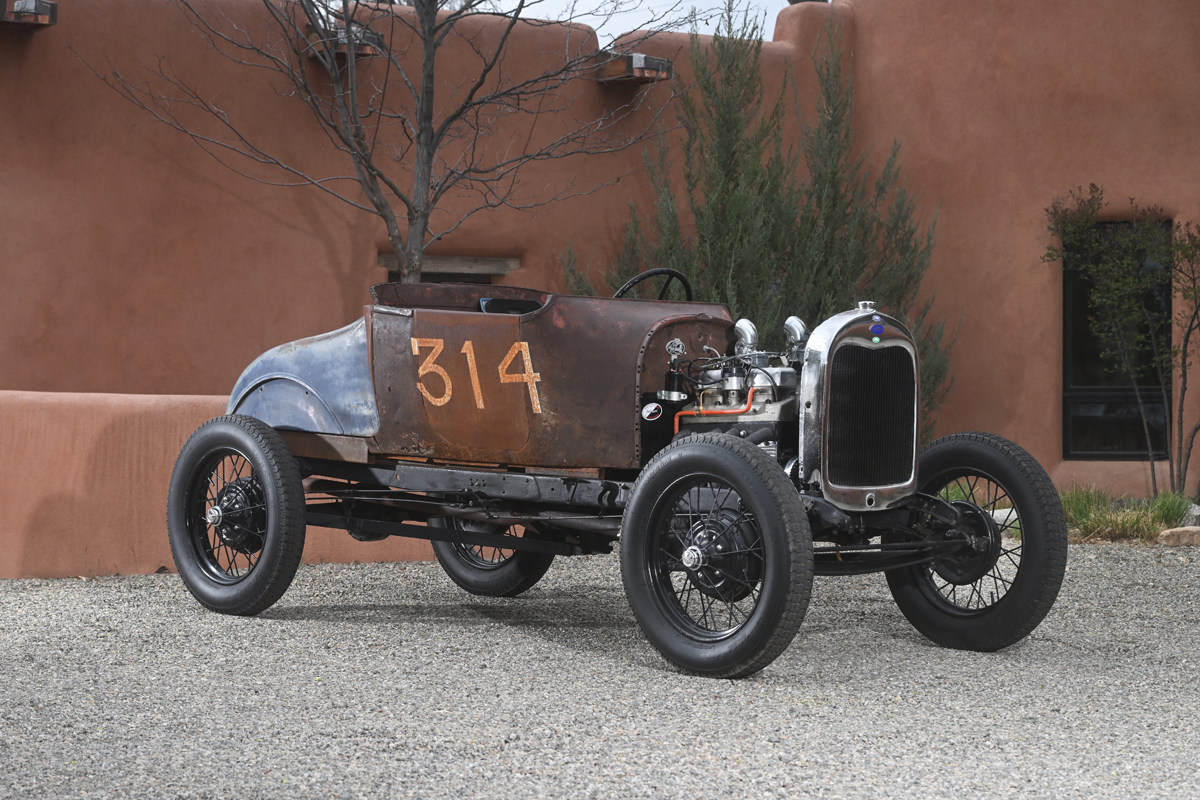
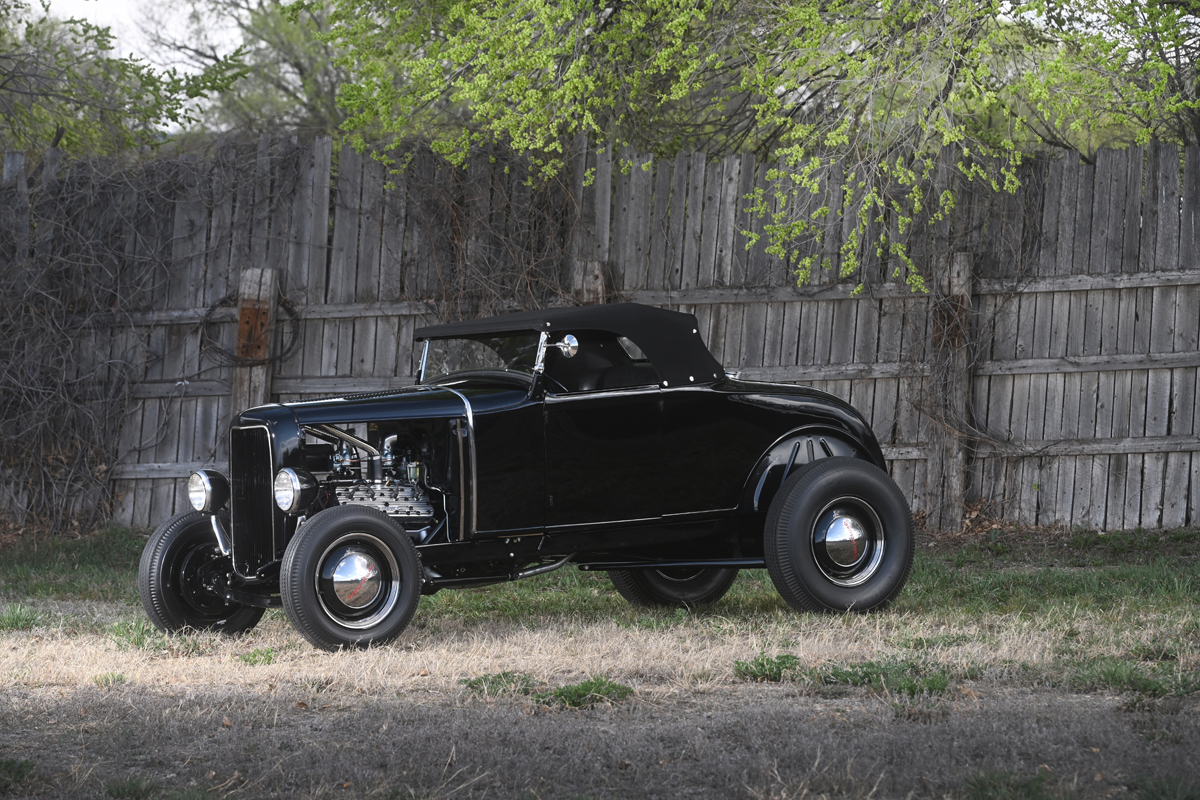
Amarillo, Texas, has been a unique place of inspiration for a number of artists, but few locations have held such an iconic status in American art as Ed Ruscha’s paintings, prints, and photographs of a singular Standard Station in Amarillo. In a sense, this Station exists at a literal and figural intersection of an American crossroad. Ron Cooper’s use of automotive pigments on transparent plexiglass reflect and refract light—shifting tone and color as viewers engage and move through space. These works, in combination with a selection of Ruscha’s prints of signs and words, and alongside four of Ron Cooper’s automobiles, provide an opportunity for reflection on a uniquely American experience.
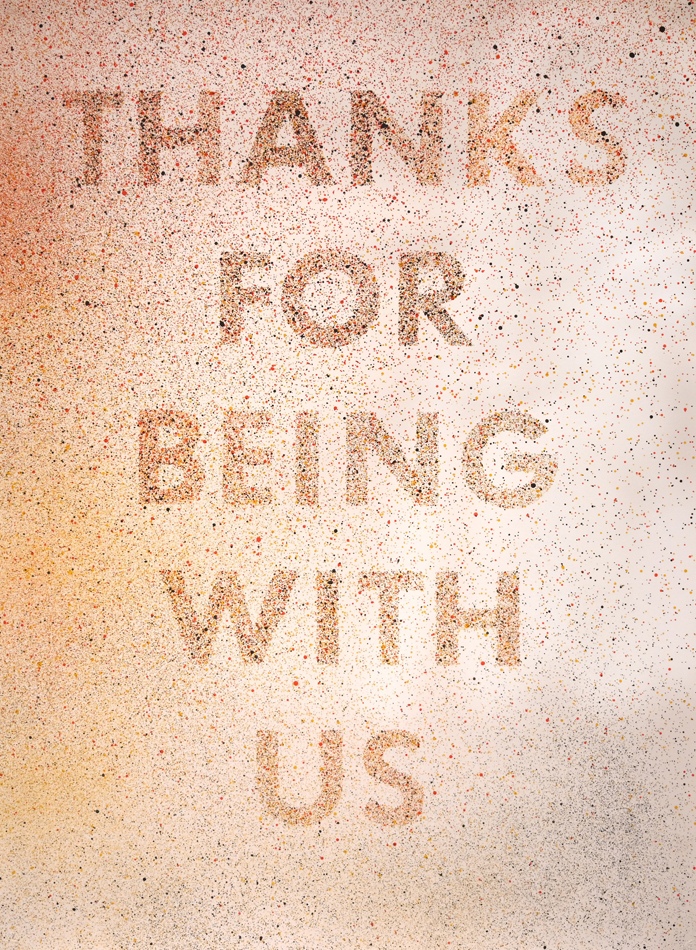
At the start of his artistic career, Ed Ruscha described himself as an “abstract artist…who deals with subject matter.” Moving away from the academic associations of Abstract Expressionism, he drew inspiration from advertising, bringing words to the forefront of painting as form, symbol, and material. Across diverse media, his work combines humor and wit, oscillating between sign and substance while locating the sublime in both natural and artificial landscapes.
In 1956, Ruscha moved from Oklahoma City to Los Angeles to study at the Chouinard Art Institute. After graduating, he worked for advertising agencies, refining skills in design, scale, and viewpoint that became central to his painting and photography. In 1963, he produced his first artist book, Twentysix Gasoline Stations, featuring photographs taken along Route 66 between Los Angeles and Oklahoma City. He went on to create numerous artist books, including the accordion-folded Every Building on the Sunset Strip and a reinterpretation of Jack Kerouac’s On the Road (2009).
His 1960s paintings examine the fluidity and sound of language. Works like OOF present bold text that compels viewers to mentally vocalize what they see. Ruscha’s influence continues globally, as his use of American vernacular evolves alongside changing technologies and communication platforms.
Ron Cooper was born in New York City in 1943 and attended Chouinard Art Institute in the early 1960s. By 1973, he had participated in numerous international solo and group exhibitions. During this time, his artworks were added to the permanent collections of the Guggenheim Museum, the Los Angeles County Museum of Art, and many others. He is among the pioneering California-based Light and Space artists who worked to break beyond the bounds of physical objects to experiment with the manipulation of light and space and their effects on perception. In the 1990s, Cooper lived in Oaxaca and founded Del Maguey to help bring mezcal to the world at large. In 2016, he was awarded the James Beard Award for “Outstanding Wine, Beer, or Spirits Professional.” Cooper is also an avid collector and racer of vintage custom automobiles.

sponsored by