A forthcoming Las Vegas museum may be linked to LACMA, but its preemptive show Family Album threads the needle between national and local dialogues.

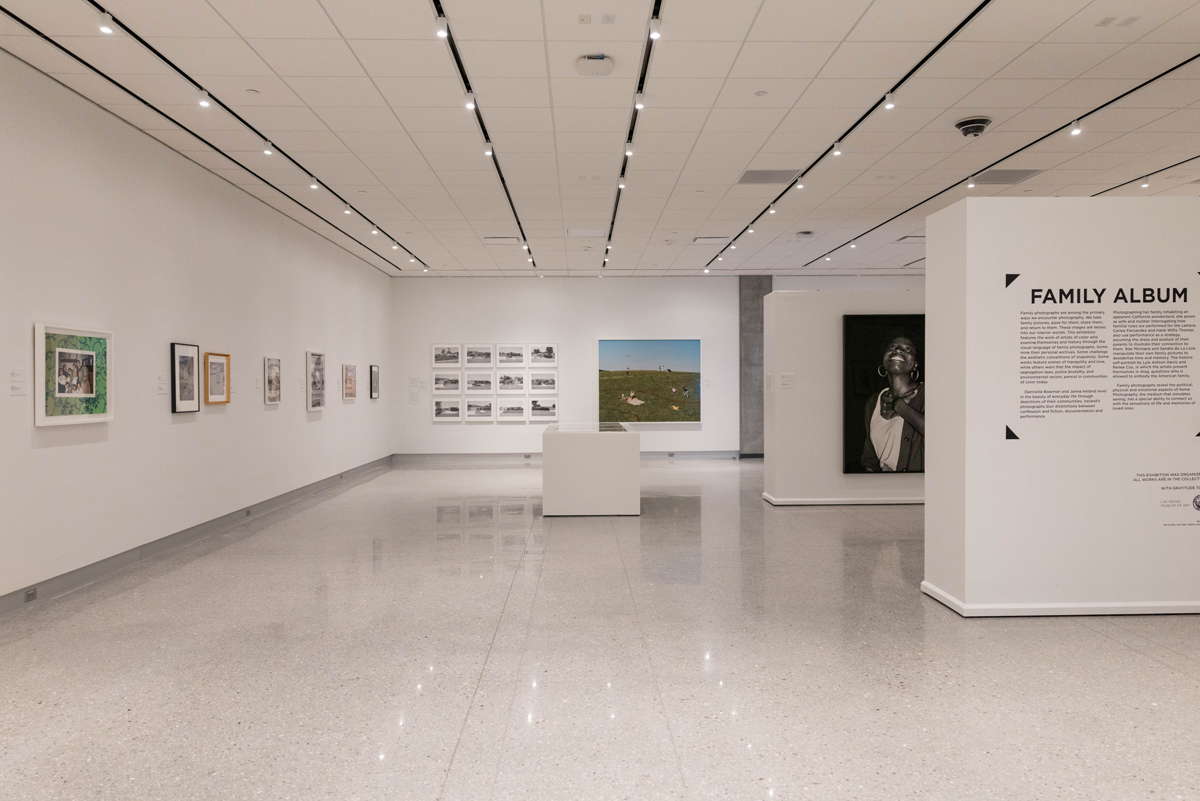
Las Vegas has waited decades for an art museum of its own. As the vision gradually comes to fruition with the development of the Las Vegas Museum of Art, the forthcoming space is teasing what’s to come with a project that reflects on its broader mission to connect art with the regional community. Museum leadership has once again revised the projected completion date for the institution’s permanent home, from late 2028 to 2029. Meanwhile, the satellite exhibition Family Album (October 14, 2025–January 9, 2026) at the new Las Vegas Civic Center Gallery is introducing the museum’s community-minded curatorial approach, one that positions Las Vegas as “home,” not just a tourist destination.
“People are excited about the museum in general—when will it be open, what’s to come for the programming, how can they find us in the meantime, and how can they stay engaged,” says Heather Harmon, the director of the Las Vegas Museum of Art. “Sometimes people want to talk about the architect, the history, or about the potential for educational programming.”
Pritzker Prize–winning architect Francis Kéré is designing the museum, which will be sited at the Symphony Park cultural district in downtown Las Vegas. Construction and fundraising for the $200 million project is on track, with the museum slated to make a bigger announcement about the capital project in the coming months. Meanwhile, staff are holding tours every Wednesday (dubbed “Family Day“) throughout the duration of Family Album to simultaneously give an overview of the exhibition and engage in a range of dialogues about the upcoming museum.
Having work that references a very treasured architect connects back to that sense of memory and home.
“We’ve seen really vibrant activity through this initiative,” Harmon says. “We’re seeing a lot of families, media, educators, neighbors, community members, artists, and especially many repeat visits.”
As it moves forward, the museum is exploring how to tailor the programming to create a welcoming experience for both tourists and Las Vegas residents. Las Vegas, which is one of the fastest-growing cities in the United States, is increasingly culturally diverse both nationally and internationally. This convergence of perspectives and the idea of “home” in a place like the Las Vegas Valley is something the museum hopes to underscore, beginning with the inaugural exhibition.
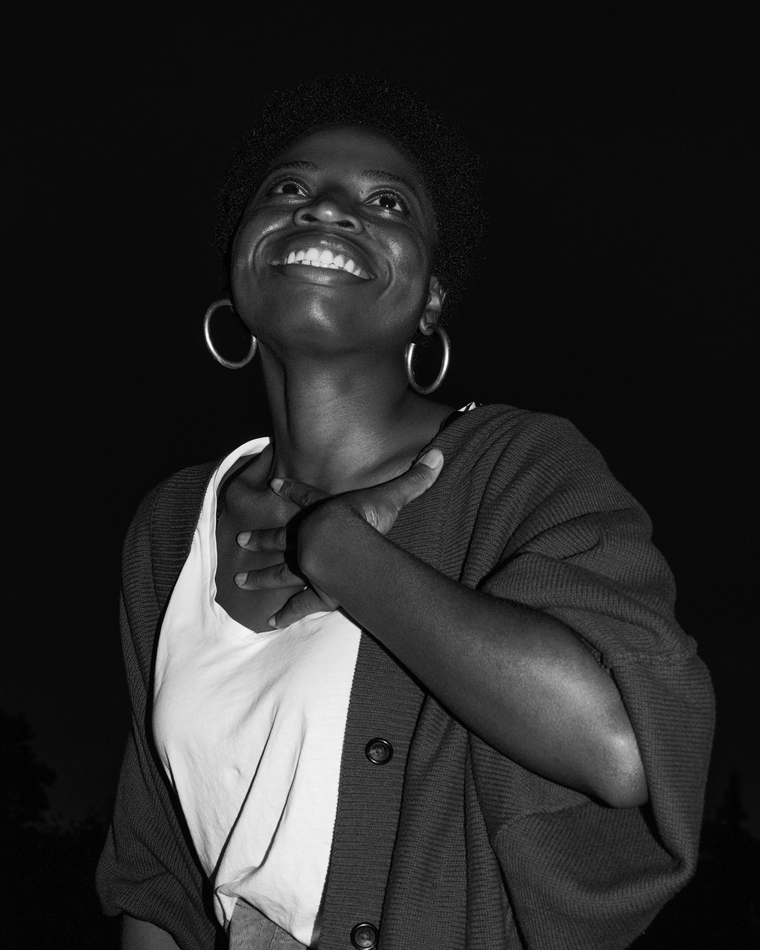
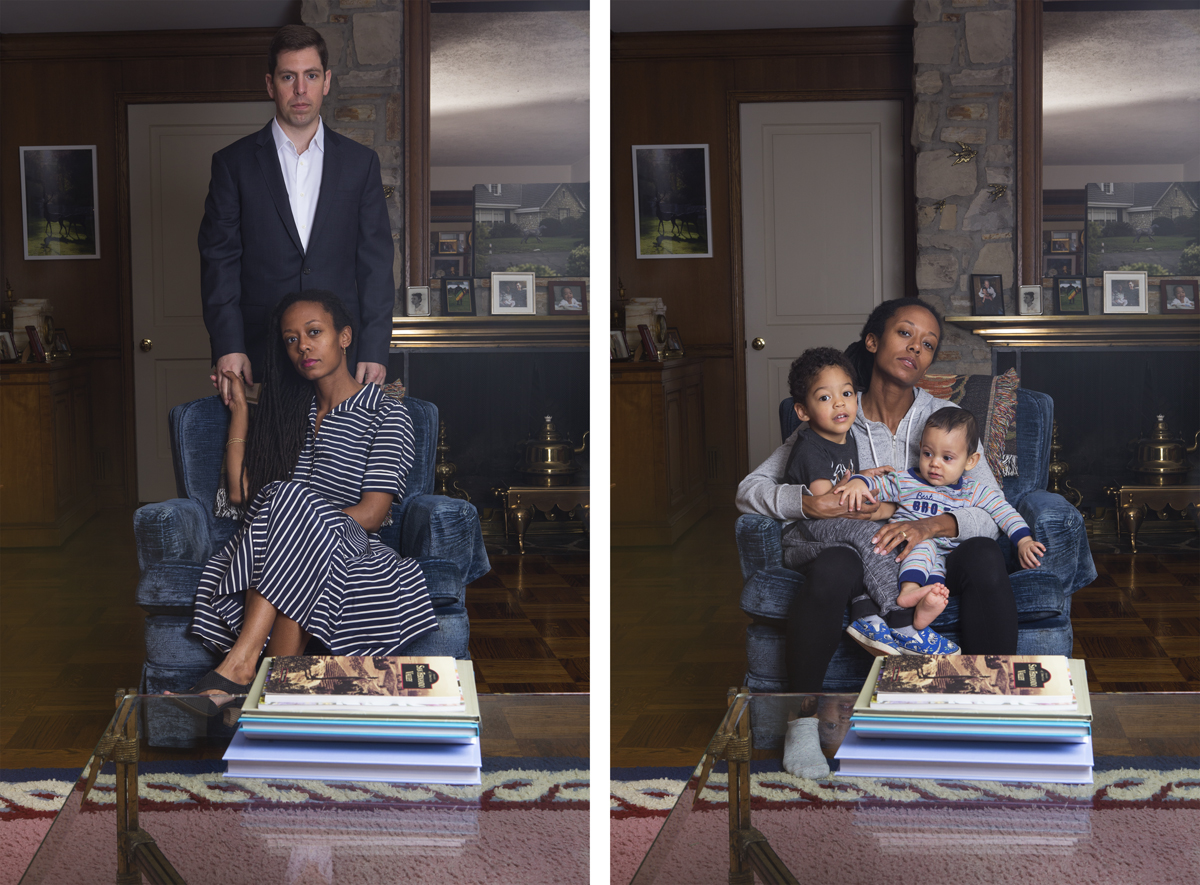
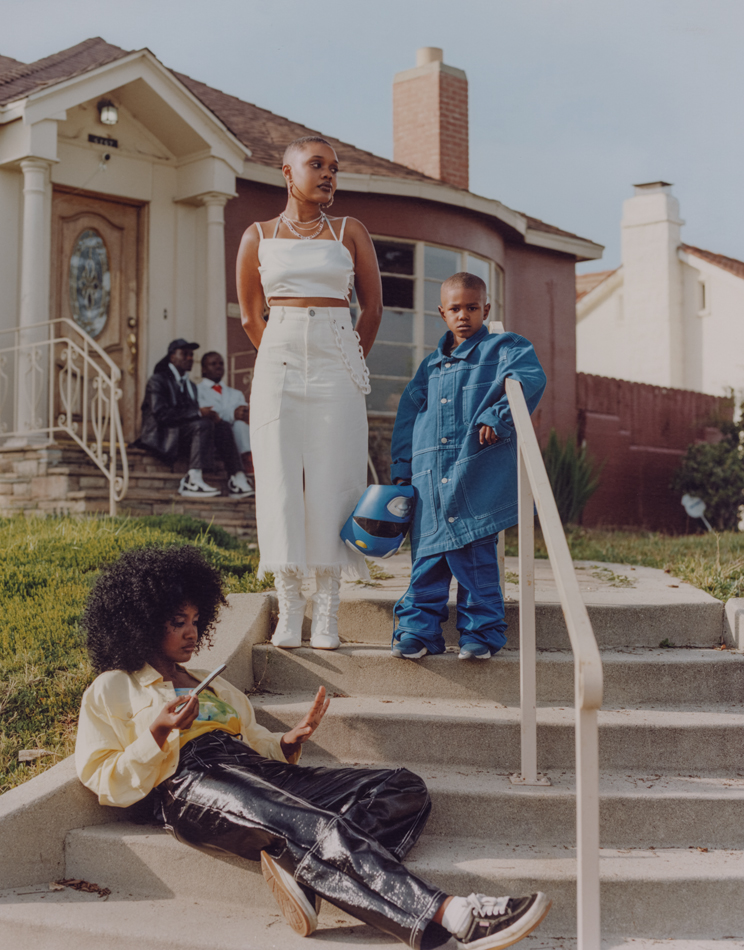
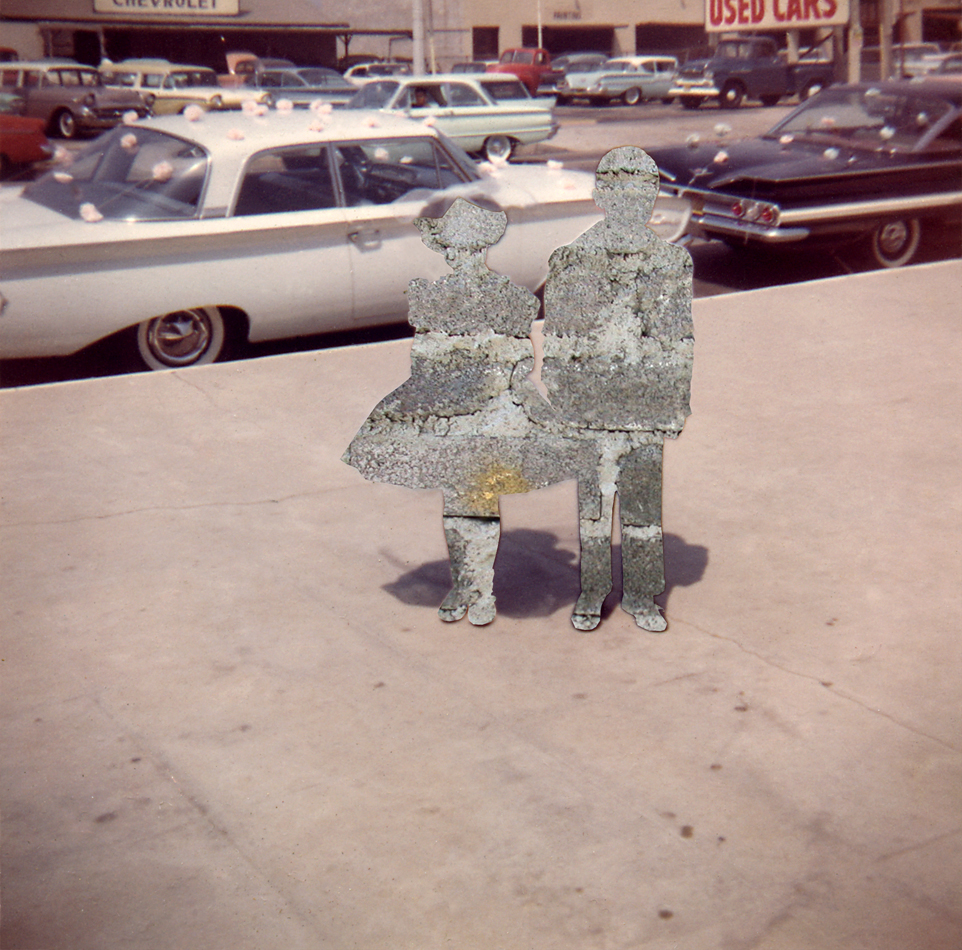
Family Album explores memory and belonging through a series of photographs by Black artists like Lyle Ashton Harris, Deborah Willis, Hank Willis Thomas, and others. At times, the show connects those thematic threads with the architectural history of Las Vegas, including in works by Chase McCurdy and Janna Ireland that reference the work of the modernist architect Paul R. Williams, the first Black architect licensed to work in the West, who made sweeping contributions to Las Vegas. His iconic buildings, like La Concha and the Guardian Angel Cathedral, both erected in the 1960s, still stand as living markers of collective memory and cultural continuity.

“We wanted to have this rooting in the Las Vegas community and having work that references a very treasured architect connects back to that sense of memory and home,” Harmon says. “That has emerged as part of a conversation not only about the architecture of the new building but in this idea of sanctuary—or in a cultural space having the potential for being a sanctuary.”
Harmon adds that the exhibition hopes to “evoke closeness and familiarity,” and that visitors “see themselves reflected in the show.” There are tentative plans to hold a closing event for the exhibition in January, possibly bringing some of the featured artists together for a panel discussion.
The works in Family Album were pulled entirely from the collection of the Los Angeles County Museum of Art, which is overseeing the development and curatorial programming for the Las Vegas Museum of Art as part of a strategic partnership spearheaded by the late philanthropist Elaine Wynn and LACMA CEO and director Michael Govan to extend the museum’s regional influence.
Harmon… hopes to ‘evoke closeness and familiarity,’ and that visitors ‘see themselves reflected in the show.’
In addition, the exhibition was supported by the City of Las Vegas. The opening marked another milestone for the city’s art landscape with the unveiling of the nearly 3,000-square-foot Civic Center Gallery, which was constructed as part of the newly completed Civic Center and Plaza. Throughout the plaza, where government offices form a public campus, visitors can also see several new art commissions, including works by various celebrated Las Vegas–based artists.
Some highlights include Gig Depio’s monumental painting Beyond the Meadows amalgamating Las Vegas figures like the Vegas Vic neon sign and Rafael Rivera, a Mexican explorer credited for founding Las Vegas and for naming the city “The Meadows” after discovering various desert springs there. Fawn Douglas, a celebrated local artist and activist, who founded the Nuwu Art + Activism Studios, presents the installation Mah-naī-knee, which is named after the Paiute word for “energy” and draws on Paiute basketmaking traditions, symbolizing the enduring presence of Native American heritage in the region.
Next on the slate to curate an exhibition at the Civic Center Gallery are Las Vegas arts commissioner Carmen Beals and historian Claytee D. White, founding director of the Oral History Research Center at the University of Nevada, Las Vegas. Another future organizer is Las Vegas-based curator Heidi Straus, who curated the current exhibition The Choices of Man Through the Lens of the Holocaust (October 27, 2025–January 29, 2026) at the Clark County Government Center.