Over six years, artist Cara Romero and curator Jami C. Powell resisted the art world’s rush to capitalize on Native art. Their show just arrived in Phoenix.
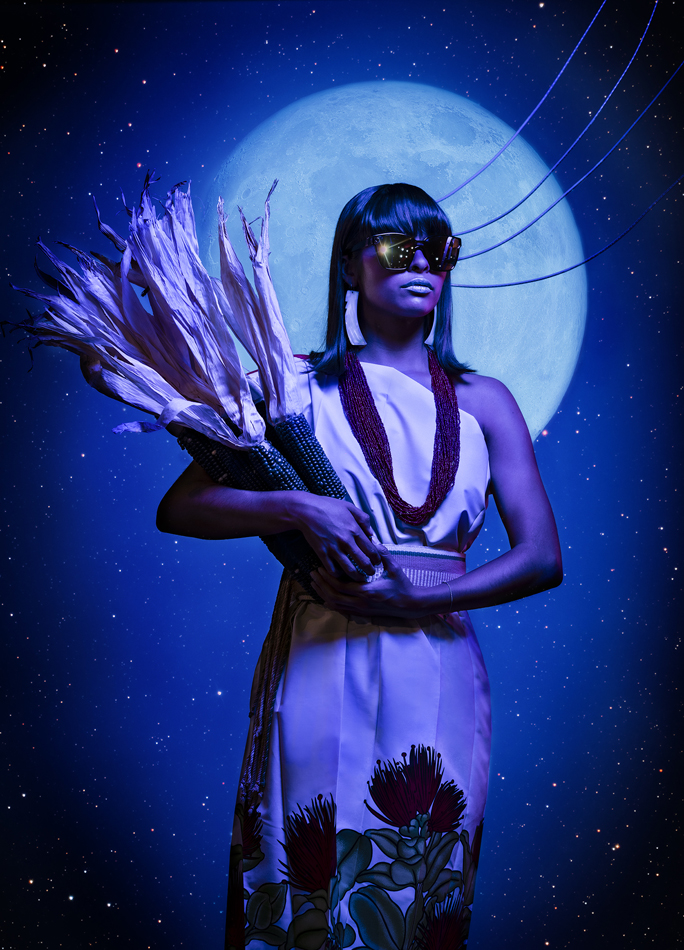
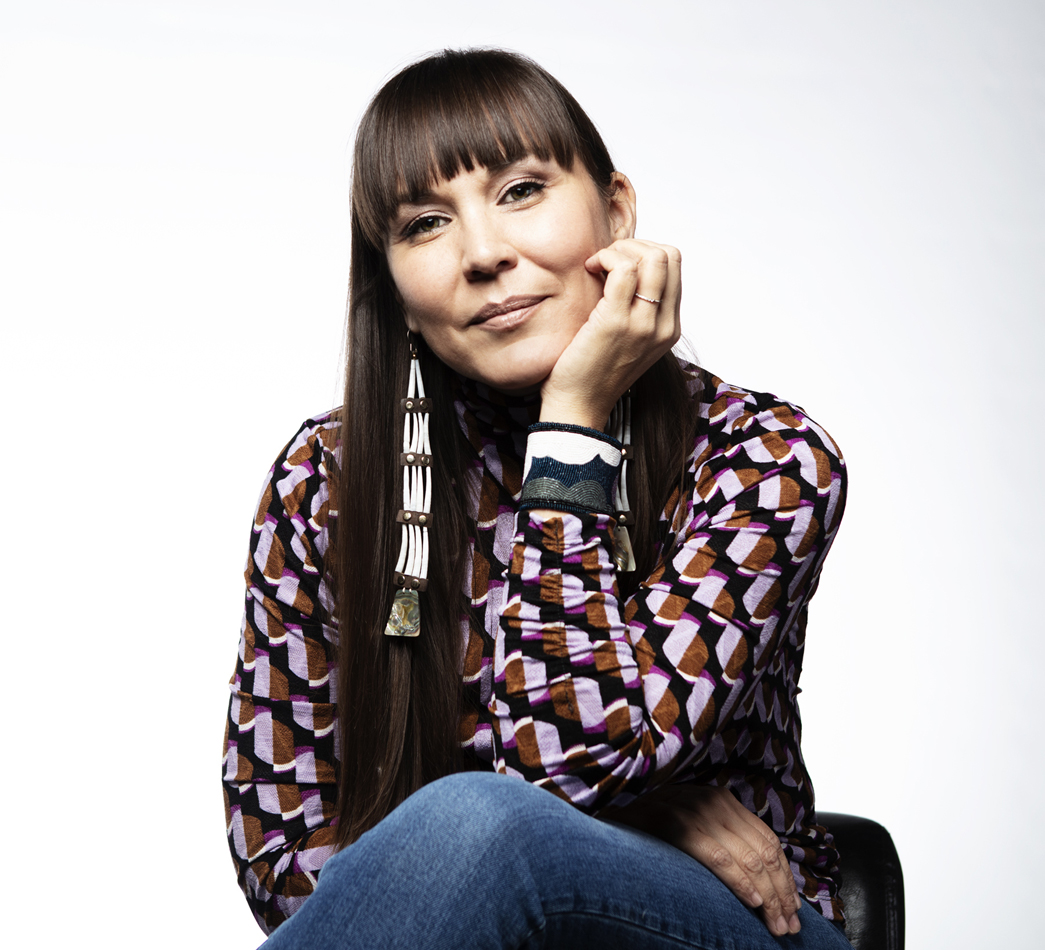
PHOENIX—“It’s a feeling of ‘I cannot believe I made it,’” Cara Romero tells me as we sit in a tucked away corner outside the gallery of her installation, with the sounds of lifts, hammers, and museum workers scuttling about. They were preparing for the opening of Cara Romero: Panûpünüwügai (Living Light), the first major solo museum exhibition of the Chemehuevi photographer. She says, “It’s something that is really exciting and vulnerable, to go from being an outsider to these spaces, an outsider to photography, an outsider as a woman, an outsider to even Native art… it’s one of those moments where you want to go back to your younger self and say, ‘it’s gonna be okay, just follow me.’”
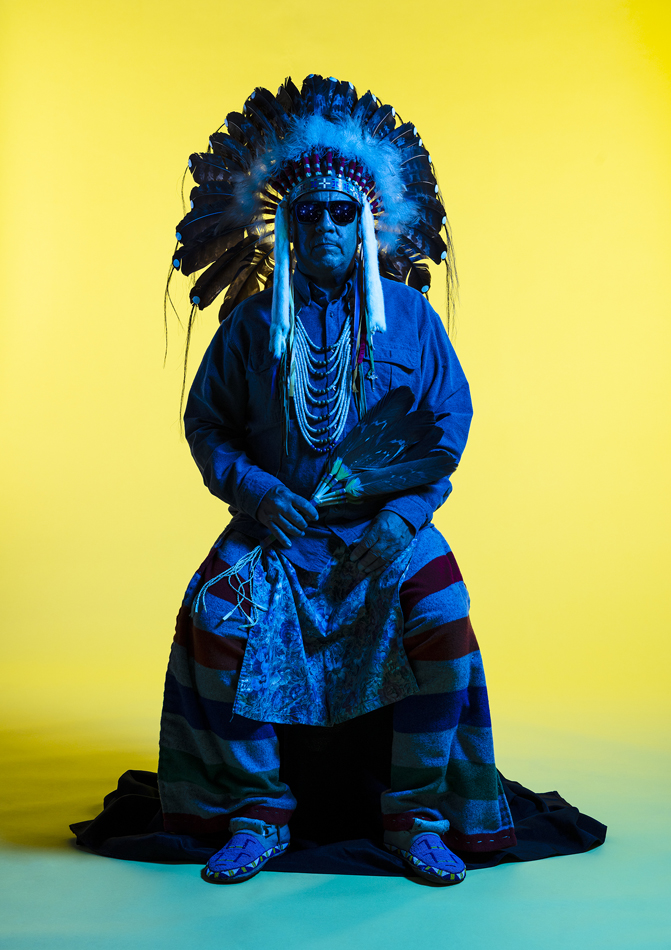
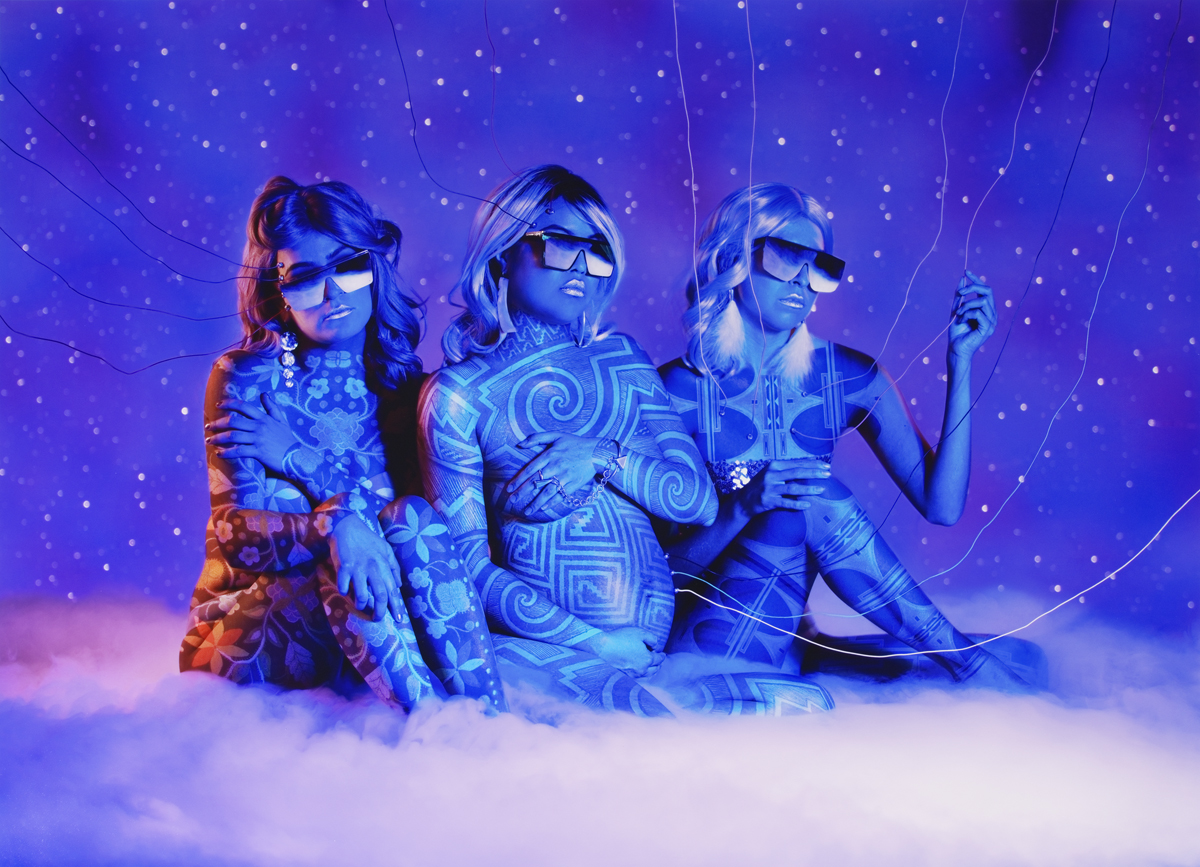
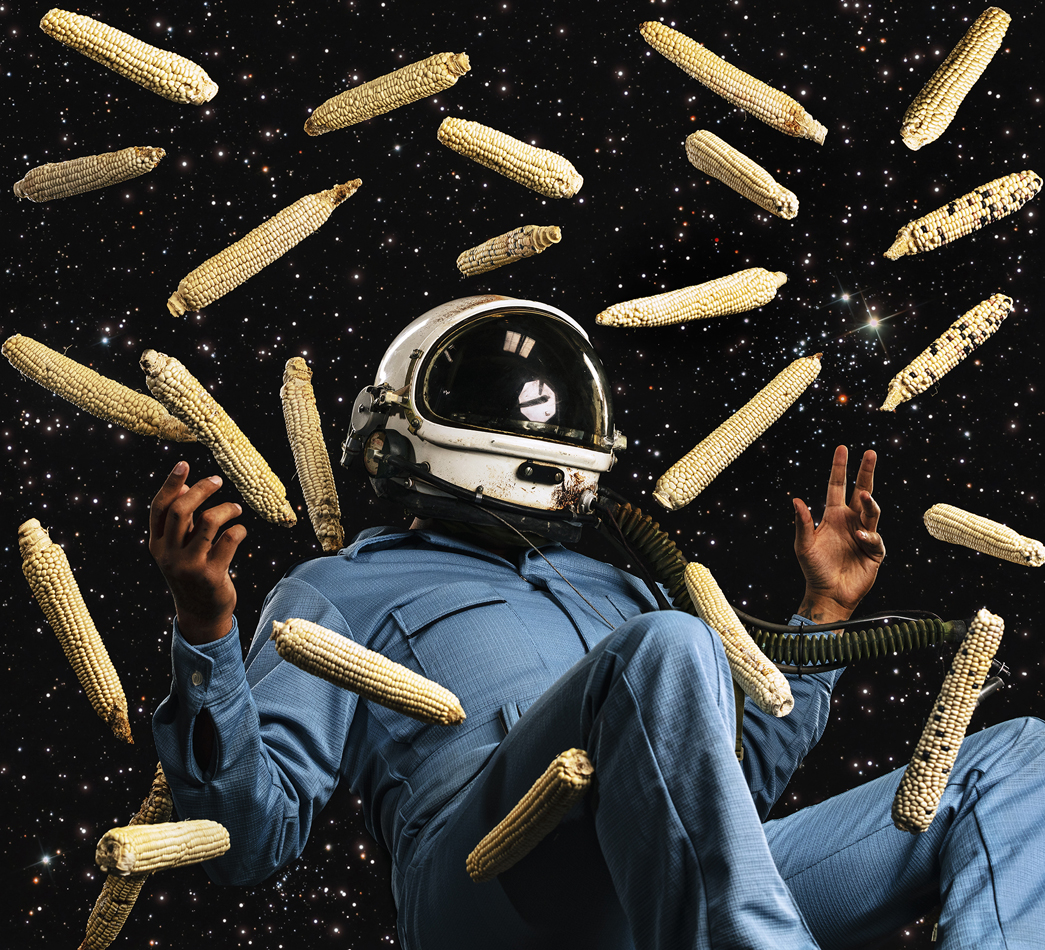
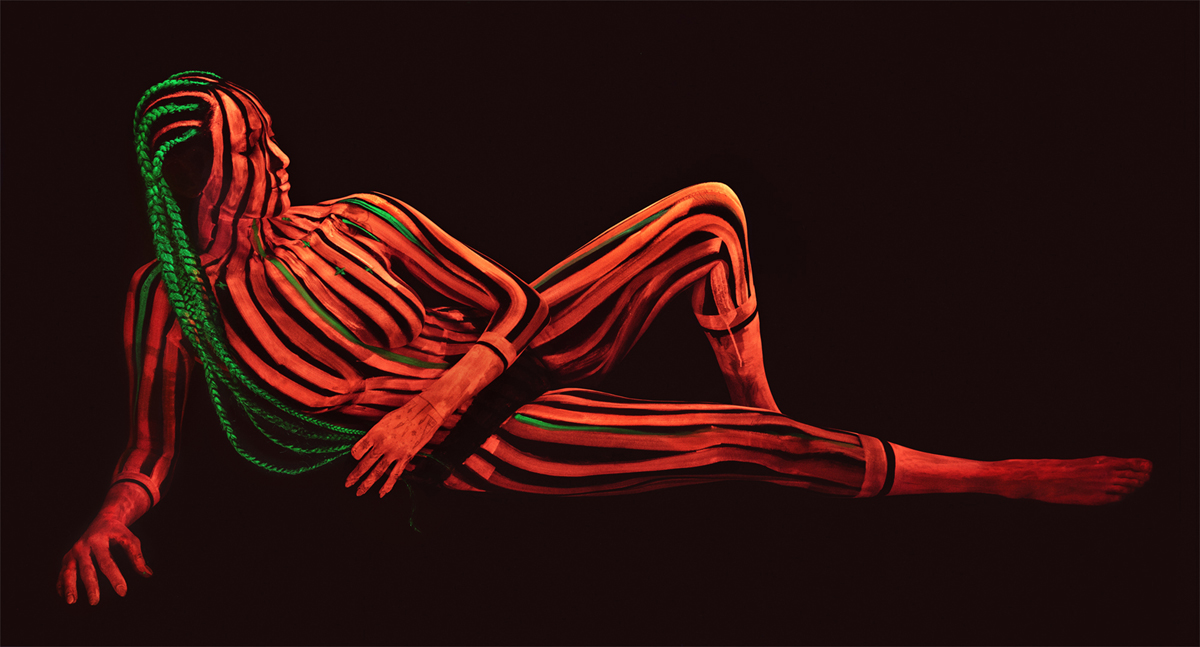
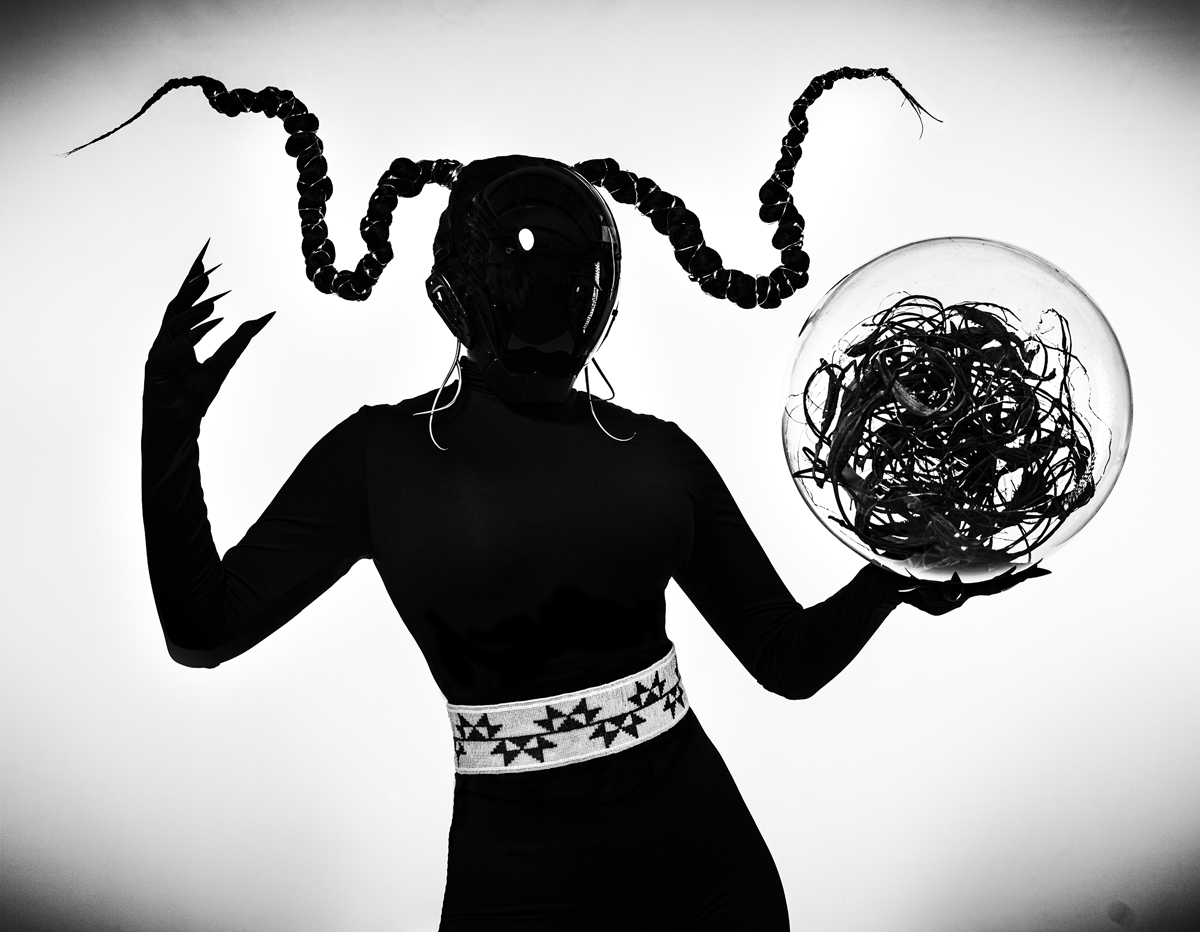
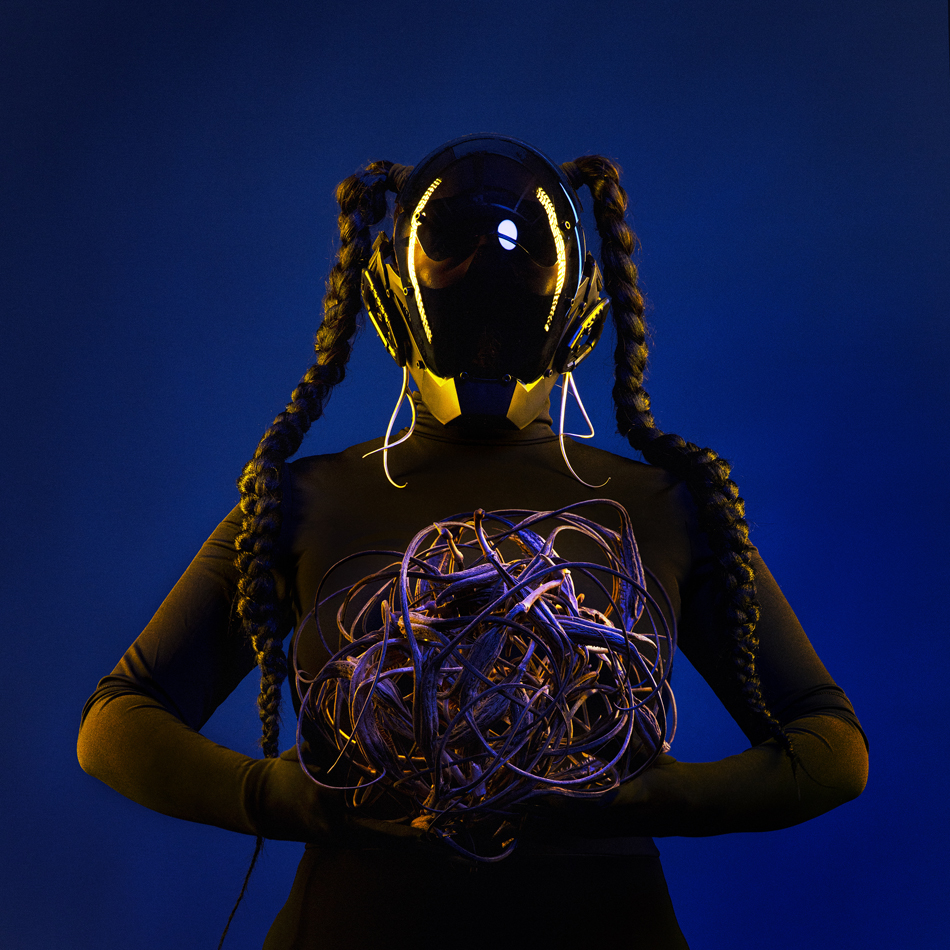
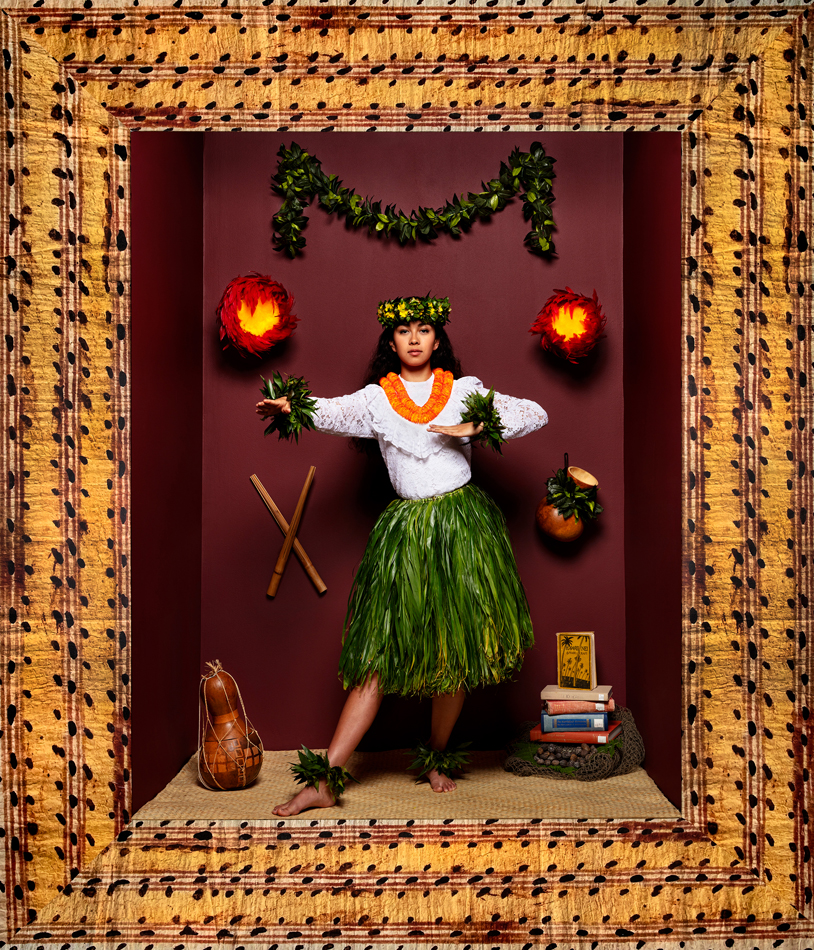
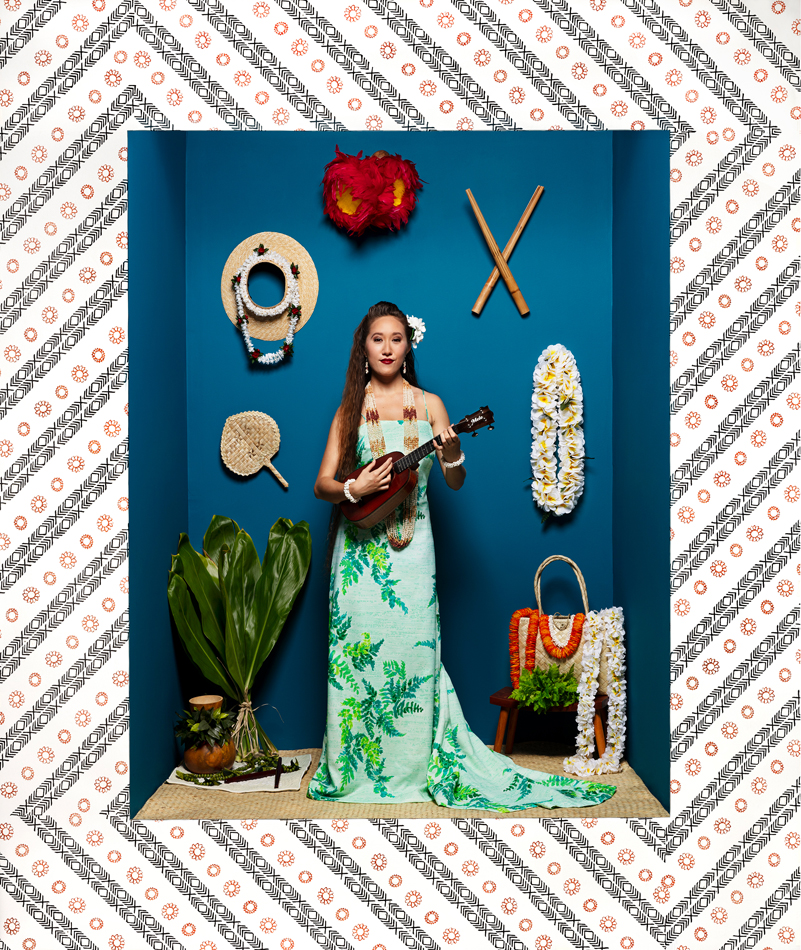
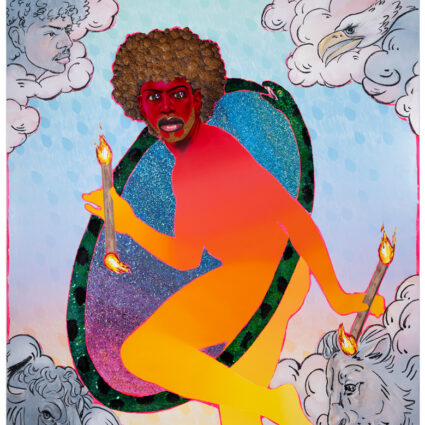
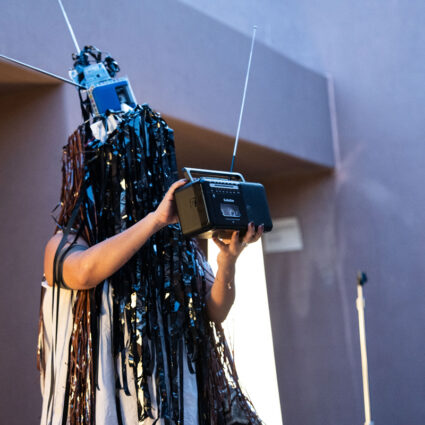
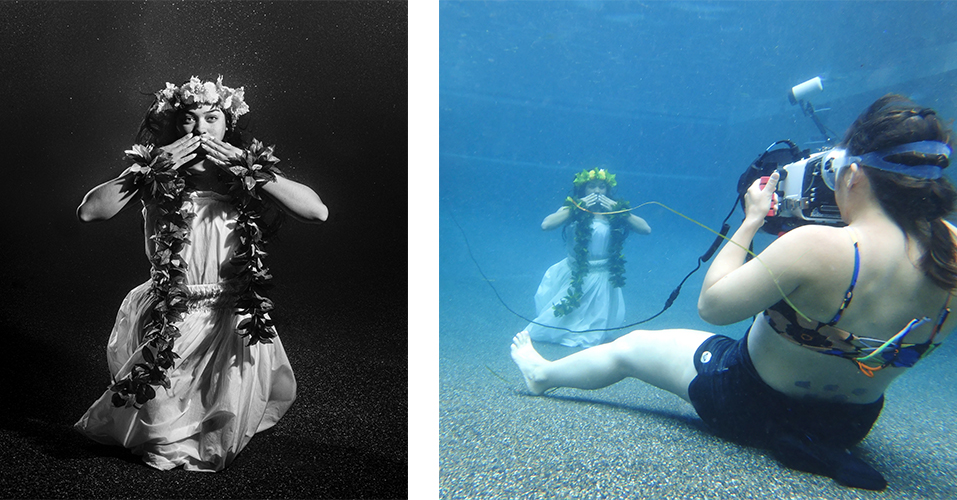
The exhibition, which opened February 27 at Phoenix Art Museum, marks the first time the institution has presented a major solo exhibition of a living Indigenous artist. Featuring more than fifty large-scale works spanning almost two decades of the artist’s practice, Panûpünüwügai digs into themes of Indigenous feminism, spiritual connectivity to the land, and environmental racism. Romero aims to unsettle harmful, reductive representations of Native people through the mechanism of photography, a medium that historically has been weaponized against Indigenous agency and representation.
I think there is this sense of urgency that all of us have in the art world, and especially in the Native art world right now.
Organized by Jami C. Powell (Osage) at the Hood Museum of Art at Dartmouth College, the Phoenix iteration of the show includes never-before-seen commissions that are specific to histories and communities of the American Southwest. I spoke with Romero and Powell about the backstory and building of the show, and why it matters now.
The exhibition is the culmination of six years of conversation between the artist and curator. “When Jami told me I just started crying,” says Romero. “I thought [to myself], ‘women my age don’t get this.’” The artist turns forty-nine later this month. She acknowledges the dearth of solo exhibitions in museums for women artists, with data revealing only 14 percent of solo shows in the United States go to women or LGBTQIA+ artists versus their male counterparts.
Romero points out the reality that her Indigenous women peers who have received major solo shows, namely the late Jaune Quick-to-See Smith (Salish member of the Confederated Salish and Kootenai Nation, Montana) and Kay WalkingStick (Cherokee), did not get their solo moment until they were much more advanced in age. This is something Powell knew she wanted to remedy when she started at the Hood in 2018. “I told our director I wanted to do a solo show of an Indigenous woman artist,” Powell shares. “And that I wanted them to be mid-career, because I think it’s really sad that Native women have had to wait until they are in their 80s for that moment.”
With that in mind, it would have been tempting for Romero and Powell to want to fast-track the project and bend around that need to instrumentalize the momentum Native art has in the market and museum space currently. “I think there is this sense of urgency that all of us have in the art world, and especially in the Native art world right now,” said Powell, remarking on the undulating interest Native art receives from the mainstream art world and its institutions and this need to “strike when the iron is hot,” she says.
Throughout the planning of Panûpünüwügai, both Powell and Romero consciously chose to take their time. “The artist Dell Hamilton told me ‘urgency is a tool of white supremacy,’ and I think about that in these moments,” says Powell. Both the artist and curator chose to center generosity, hospitality, and their own humanity as a form of praxis in creating the show. “We both center generosity at the core of our practice,” Powell remarks. “We wanted to make the show that Cara deserved, that the audience deserved.”
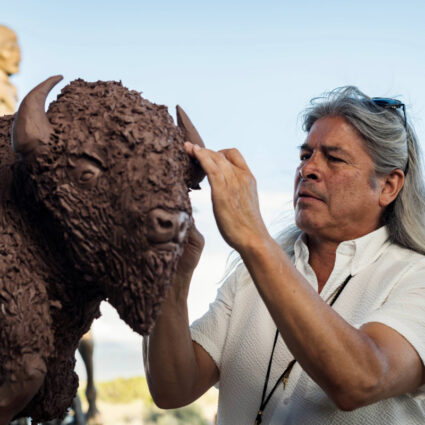
Audience and site are also key aspects of staging the show at Phoenix Art Museum. As artist Gerald Clark (Cahuilla) said about his inclusion in the 2023 edition of Desert X in The New York Times, “The hardest thing for a Native American artist is to show your work where your own community can appreciate it.” For Romero, the same rings true. “I really wanted to be somewhere close to my home community [with this show],” she shared. “For all the obvious reasons, they are my family, they’ve known me since I was born, I’ve known their kids since they were born—and even when we’re out here in this American landscape doing things, we’re still thinking of back home.”
The hardest thing for a Native American artist is to show your work where your own community can appreciate it.
Showing this work in Phoenix—home to one of the largest urban Native populations in the Nation and less than a four-hour drive from the Chemehuevi Valley Indian Reservation—gives Indigenous audiences, and especially Romero’s own community, greater access than most venues could. Beyond the desire and intention to make the work accessible to Native audiences, Romero and Powell also sought to contextualize the artist’s practice within a larger lexicon of American and contemporary art by placing it into an encyclopedic space that has a strong history of showing work by living artists.
Romero pushes against being categorized within the colonial canon, chipping away at art history’s extractive methodological approaches. If there was a ever a moment to listen to artists, it’s now. Romero is one to tune in to. As the artist shared, “people are hungry for generosity and truth and humor.” Panûpünüwügai has all of that and more. After the show closes in Phoenix, it will journey to the Museum of Contemporary Art Jacksonville, with additional venues to be announced.
Throughout the planning, the pair’s mantra, which they repeated to each other over and over, was “it’s going to be okay,” said Powell. I think it is safe to say, this show is more than “okay,” it is a human-centered declaration of agency, hope for the future, and survivance.